


On the afternoon of June 15, 2025, these two significant events, the annual corporate crime report release conference and the academic seminar focusing on the healthy development of private enterprises and criminal risk control, took place at the Yingdong Academic Hall of BNU.
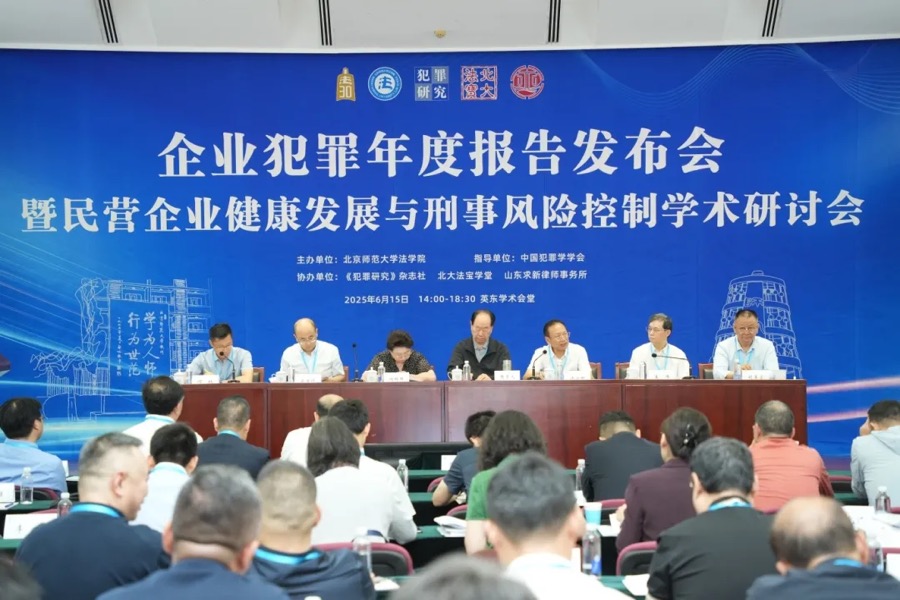
The seminar garnered robust support from the journal Criminal Research, Peking University Law School, and Shandong Qiuxin Law Firm. It adopted a hybrid format, attracting over 180 experts, scholars, and practitioners from more than twenty higher education institutions and research institutes, including Peking University, Renmin University of China, China University of Political Science and Law, East China University of Political Science and Law, Beijing Institute of Technology, University of Chinese Academy of Social Sciences, Central University of Finance and Economics, BNU, and the Chinese Academy of Social Sciences. Additionally, representatives from national agencies such as the Supreme People's Court, the Supreme People's Procuratorate, and the Beijing Municipal People's Procuratorate, along with law firms and corporate enterprises, participated in this grand gathering.
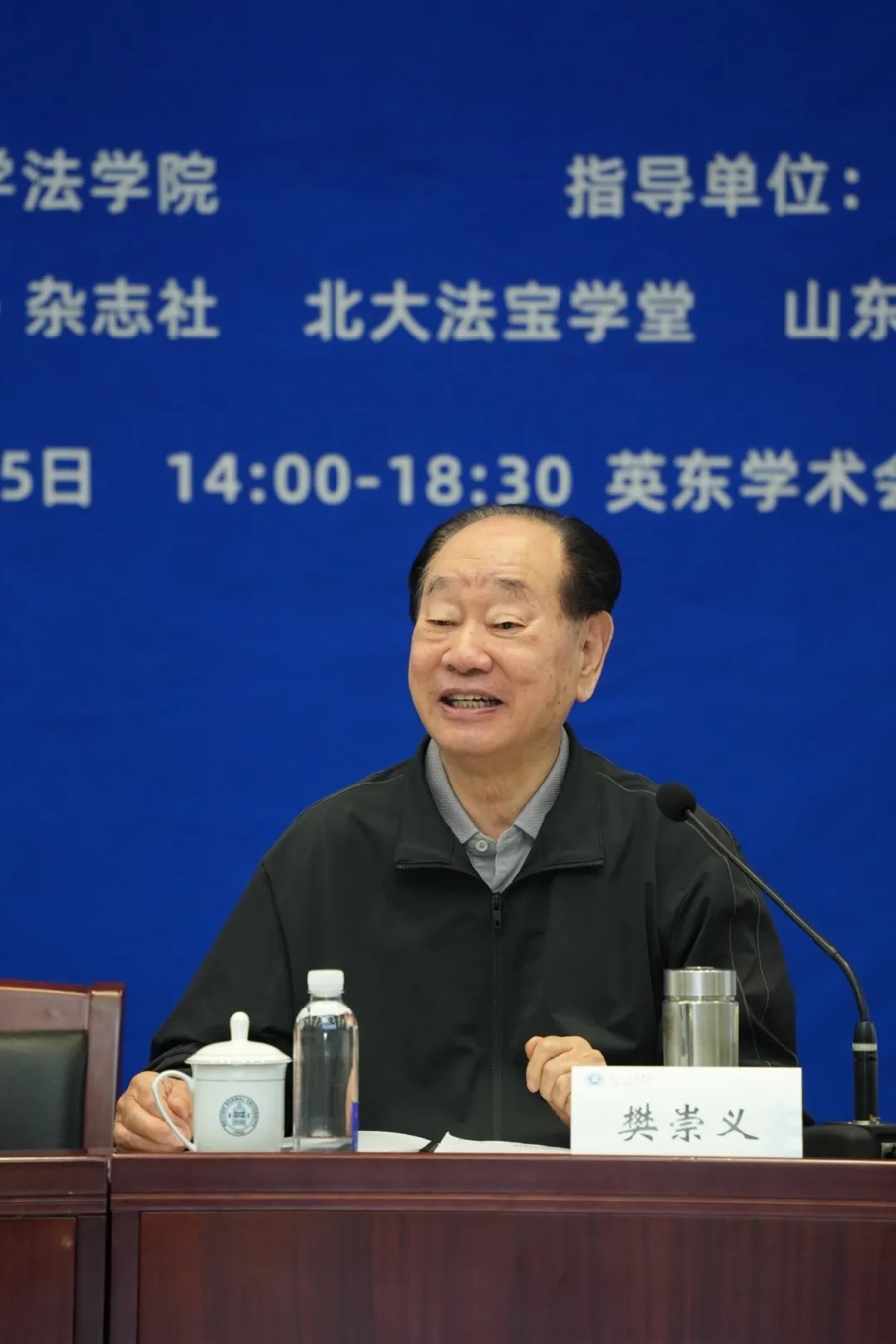
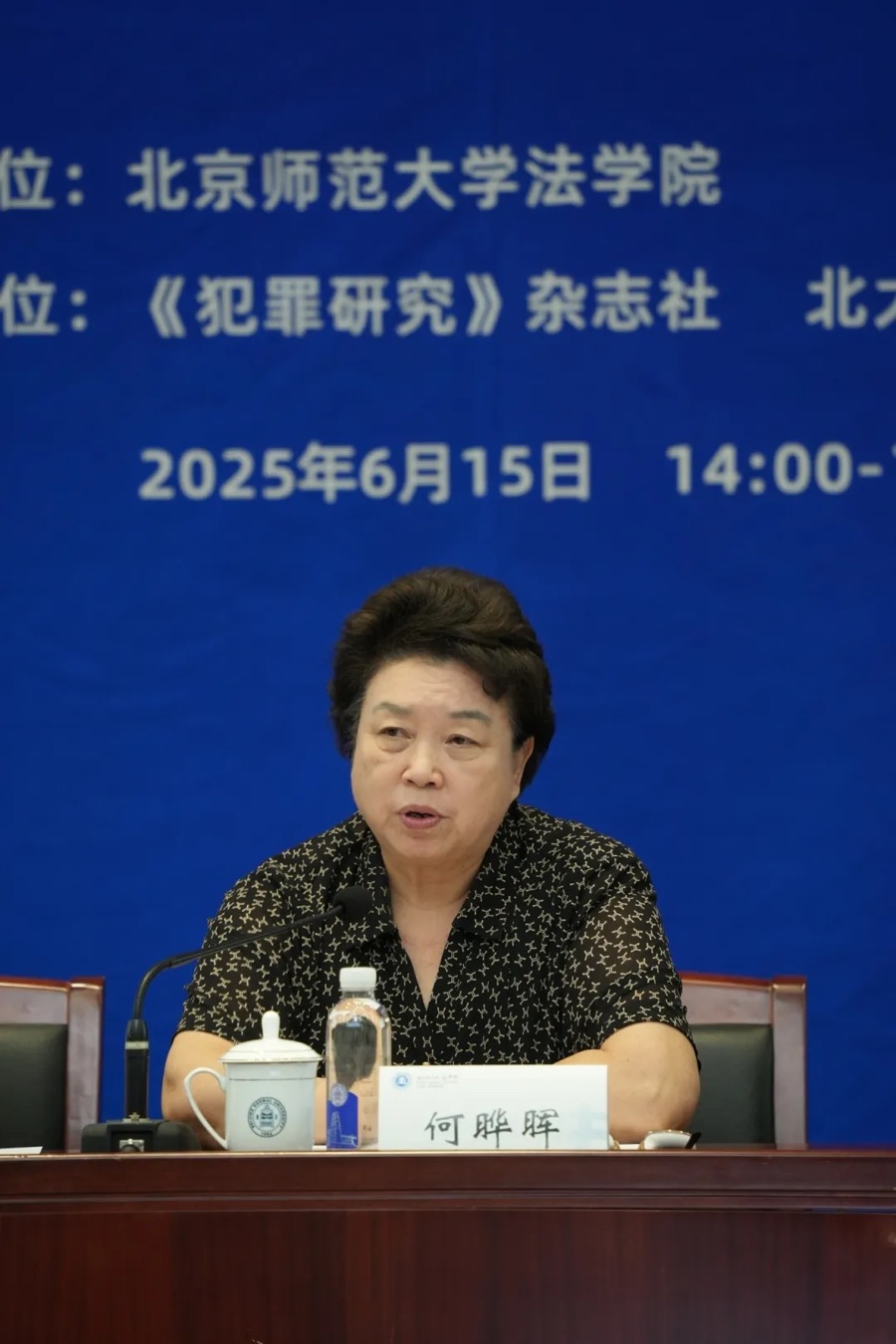
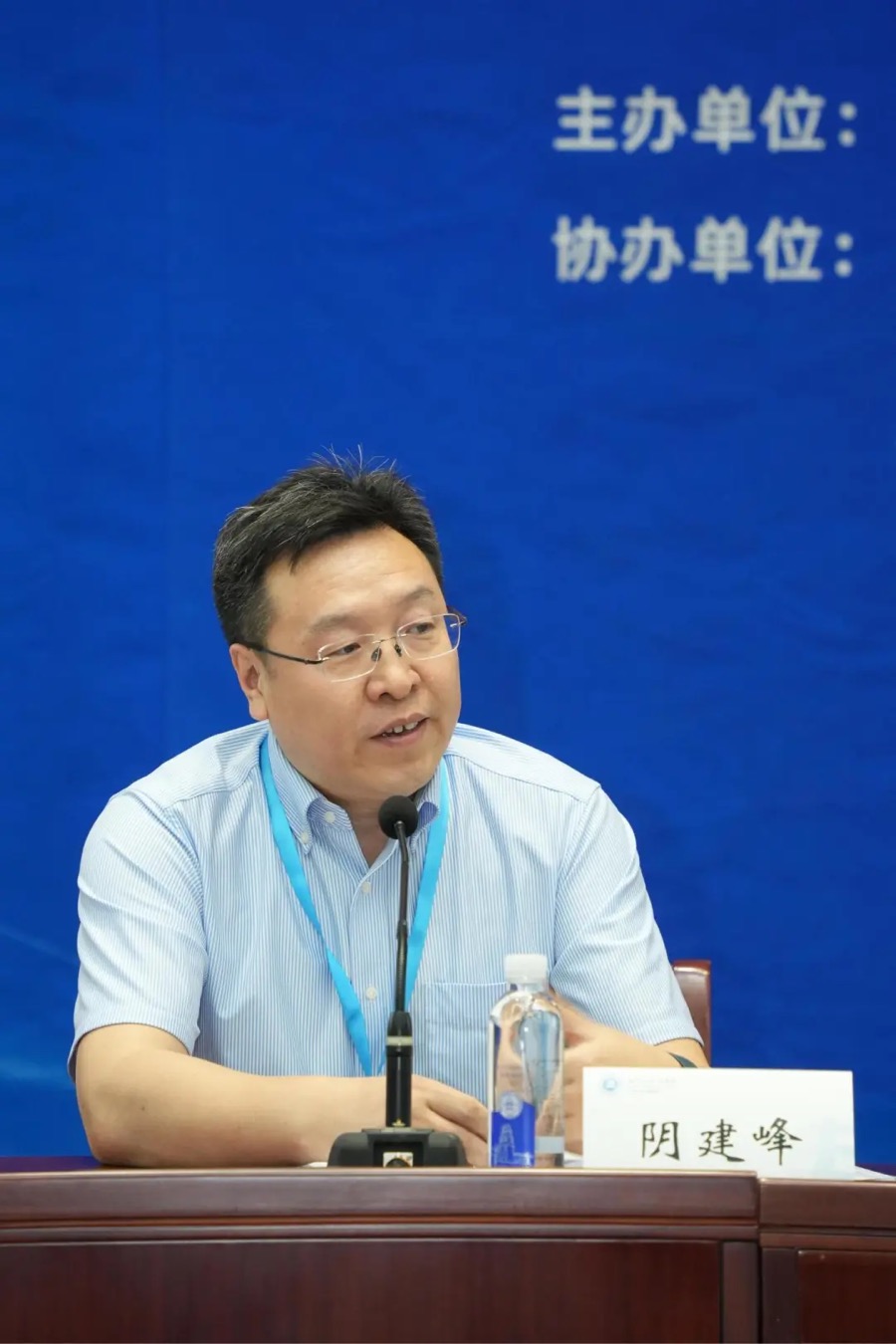
The opening ceremony was presided over by Professor He Ting, Vice Dean of the Law School of BNU. Professor Fan Chongyi, Honorary Dean of the Institute of Litigation Law at China University of Political Science and Law; Professor Jiang Bixin from Hunan University Law School; Deputy Director He Yehui of the 12th National People's Congress Internal and Judicial Affairs Committee; President Jiang Wei of the Network and Information Law Research Association of the China Law Society; former Secretary Liu Yuhong of the Literature Institute of the Chinese Academy of Social Sciences; and Professor Liang Yingxiu, Dean of the Law School of BNU, delivered speeches in succession. They highly commended the successful organization of the conference and unanimously agreed that the research report holds positive significance in implementing the Private Economy Promotion Law and safeguarding the legitimate rights and interests of private enterprises.





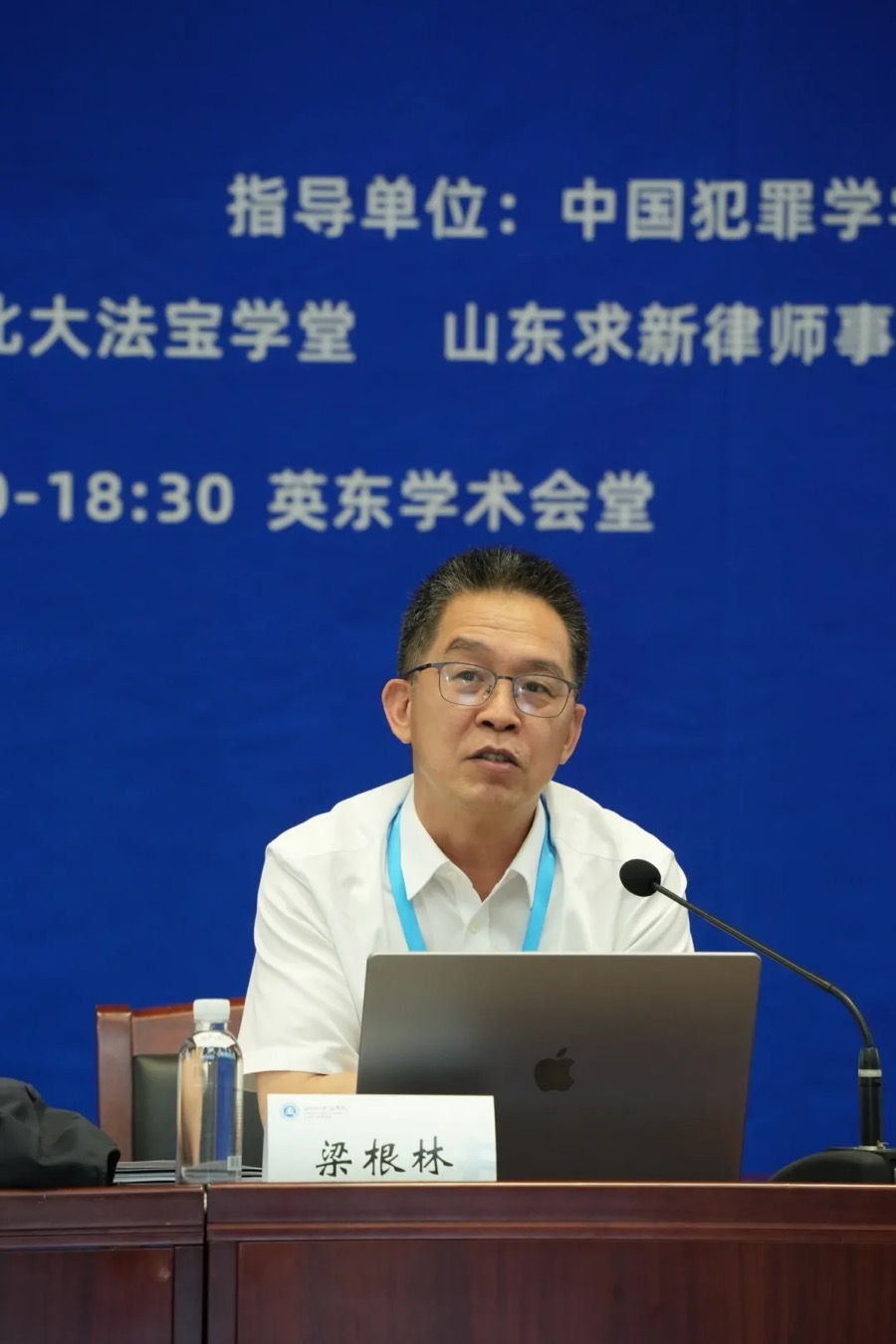
Next, Professor Zhao Jun from the Law School of BNU, representing the research team, unveiled the Research Report on Corporate Crime in China (2023-2024). Under the guidance of the Chinese Society of Criminology, the criminology research team at the Law School of BNU formed a strong research consortium with the care and support of colleagues from the legal, business, and law professions. They reasonably devised the research plan and completed the report over six months. Led by Professor Zhao Jun, the research team strictly adhered to scientific research principles, primarily employing empirical research methods and aiming for standards of science, accuracy, and refinement. They delved deeply into corporate compliance mechanisms, explored ways to prevent corporate crime, and strived to create a "navigation instrument" for corporate compliance, a "toolbox" for criminal defense, and a "compass" for academic research. During the release, Professor Zhao Jun pointed out that the report can be summarized into three dimensions: First, significant defects in internal corporate governance or the inability to adapt to new criminal risks are key internal factors enabling "insider crime," "leader crime," employee crime in key positions, and "new crimes" associated with new technologies and new economies to occur within enterprises. Second, certain common operational dilemmas that trigger crimes in private enterprises, along with the structural gap in the protection of private enterprises by criminal law enforcement and judiciary, need to be resolved and bridged through systematic mechanism reforms. Third, optimizing the business environment while strengthening criminal regulations in high-risk areas such as bidding and securities is a fundamental approach to governance of corporate crime. Professor Liang Genlin from Peking University, Professor Pi Yijun from China University of Political Science and Law, and Professor Lu Jianping from BNU successively delivered brilliant and incisive comments in conjunction with the report, emphasizing its significant importance.



Subsequently, the meeting was divided into two parts: the "Academic Discussion" and the "Practical Seminar."
The academic seminar took place in the auditorium and was divided into three sessions.
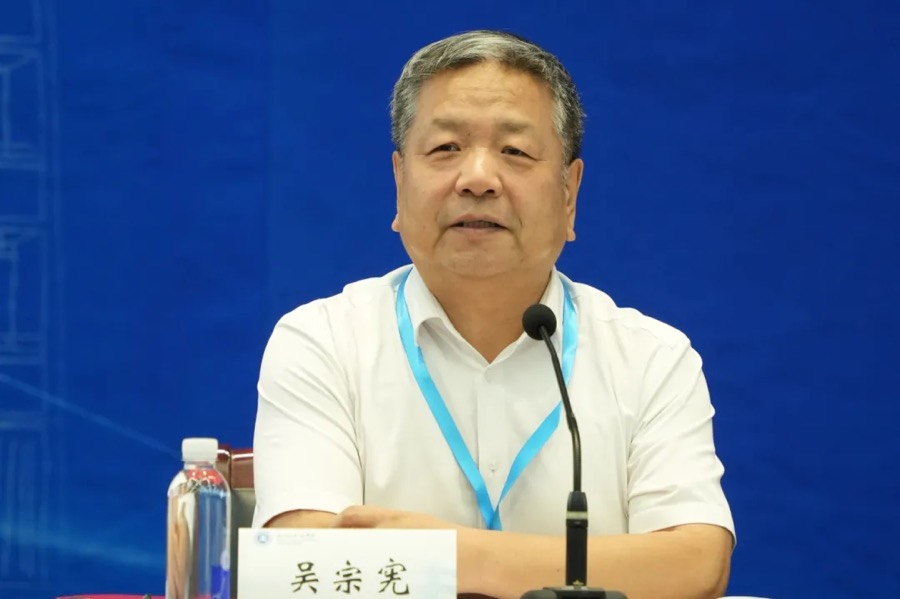
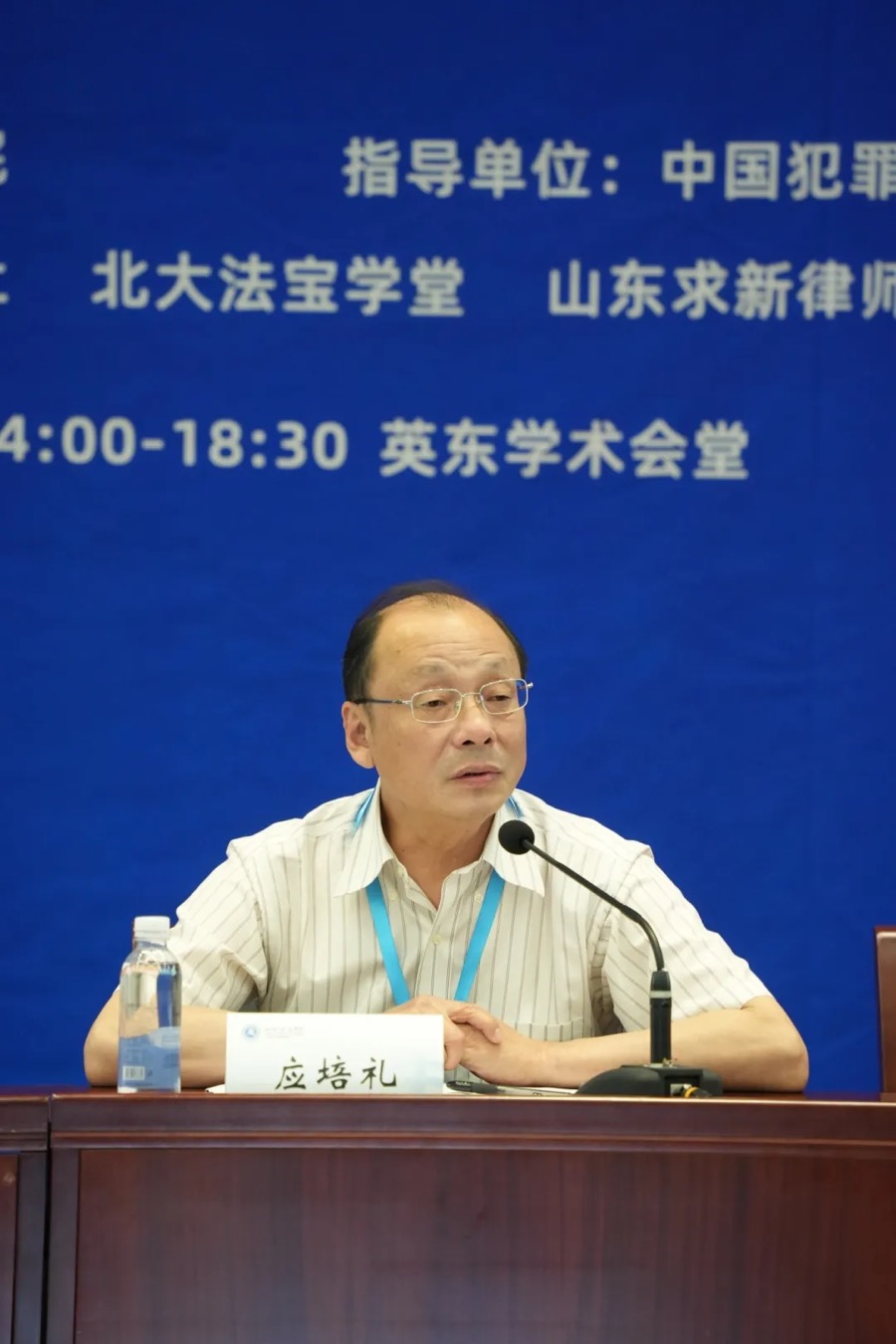
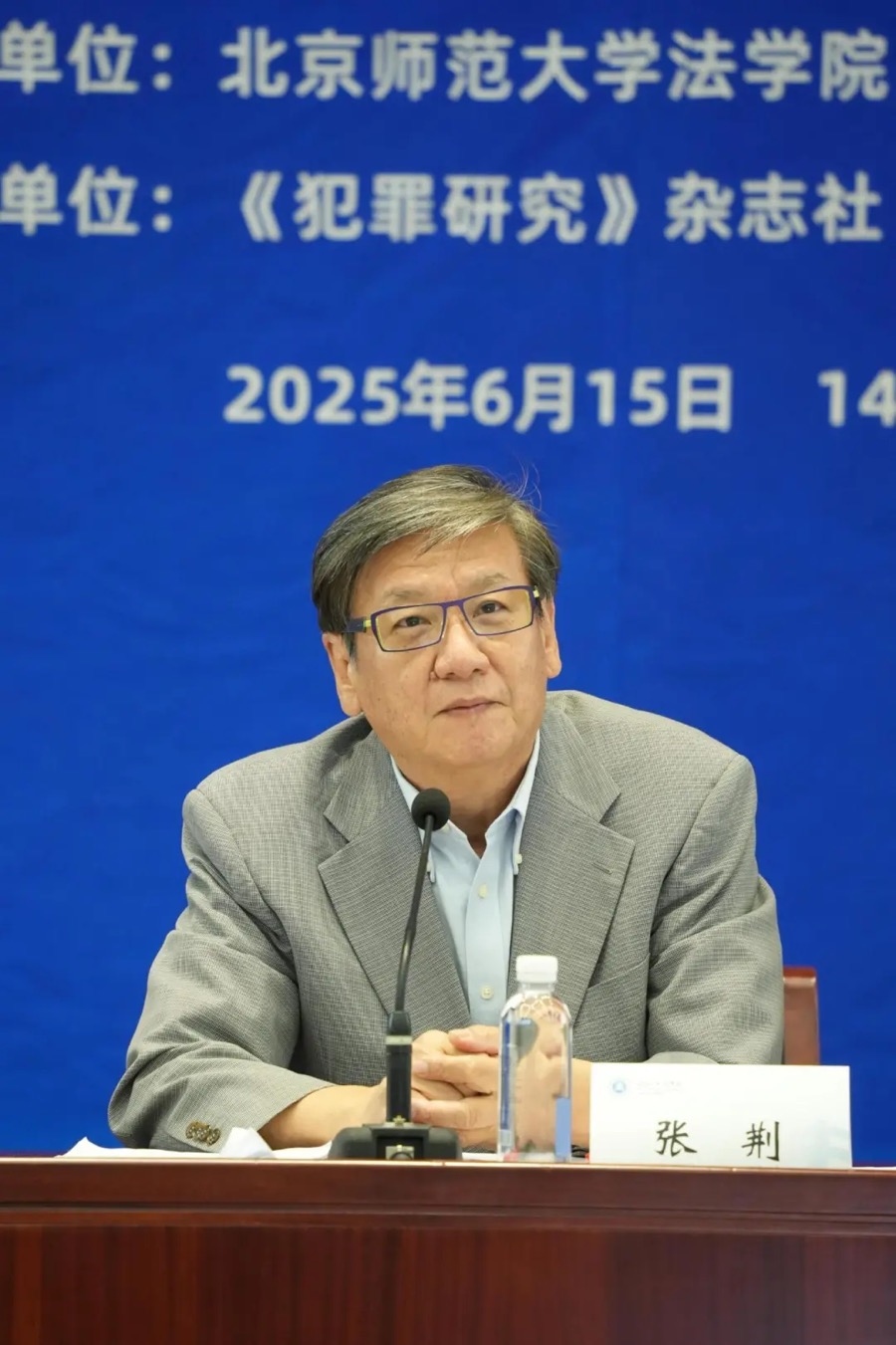
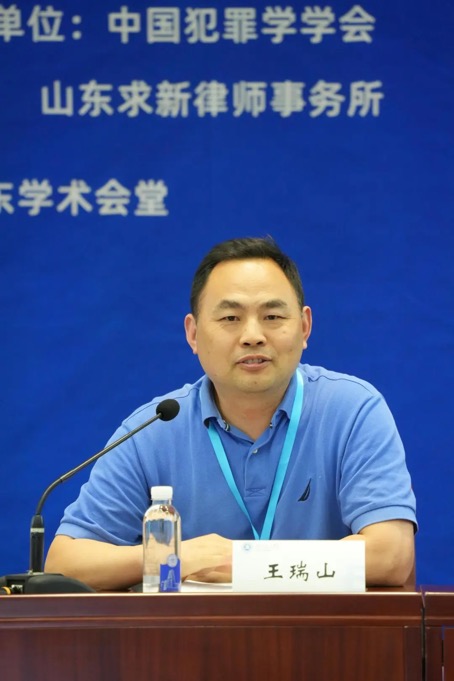
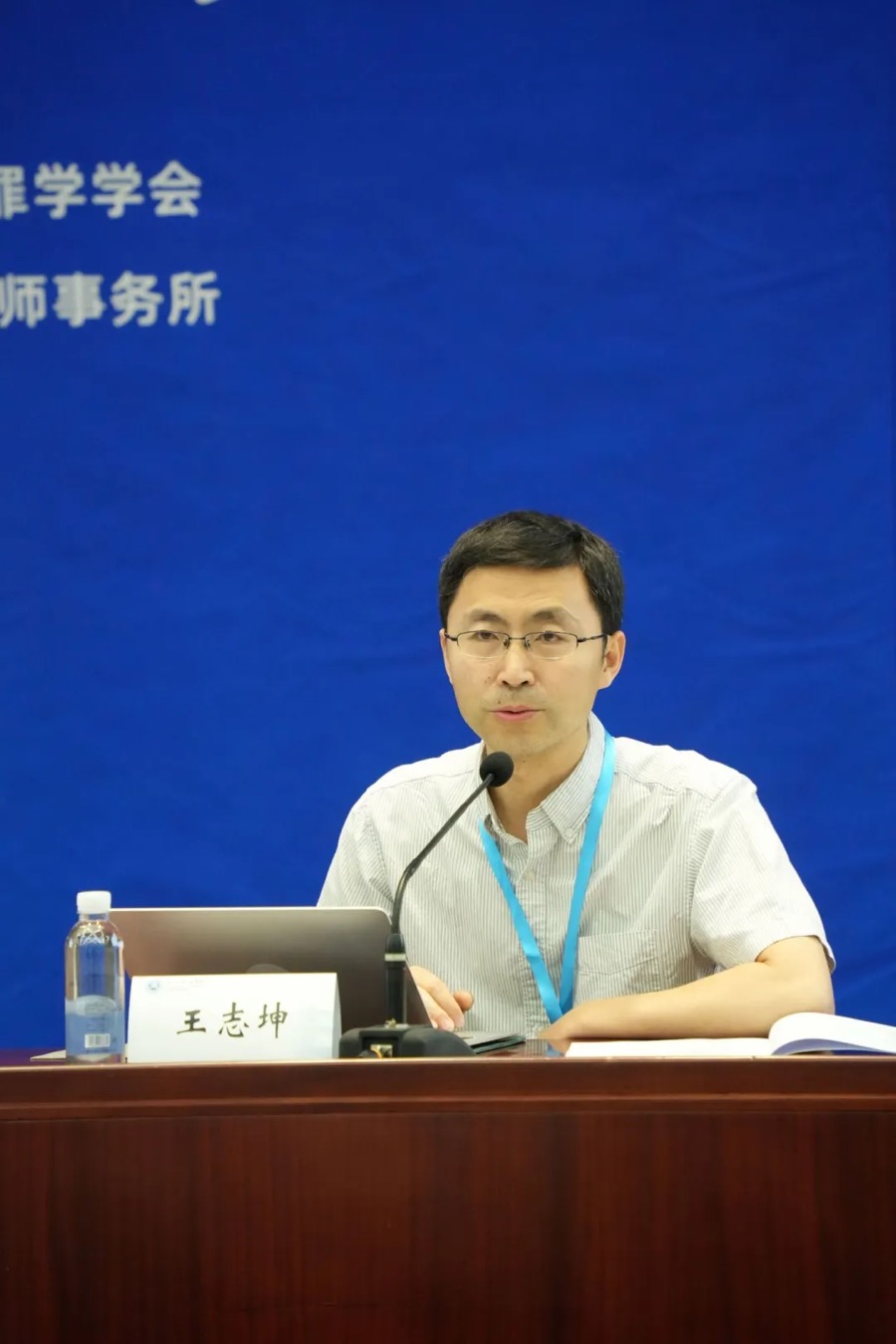
The first session, themed "Structural Dilemmas of Criminal Risks in Private Enterprises," was chaired by Professor Wu Zongxian from BNU. Professor Ying Peili from East China University of Political Science and Law delivered a keynote speech on the same theme, followed by insightful discussions from Professor Zhang Jing from Beijing University of Technology, Professor Wang Ruishan from East China University of Political Science and Law, and Director Wang Zhikun from the Beijing People's Procuratorate.
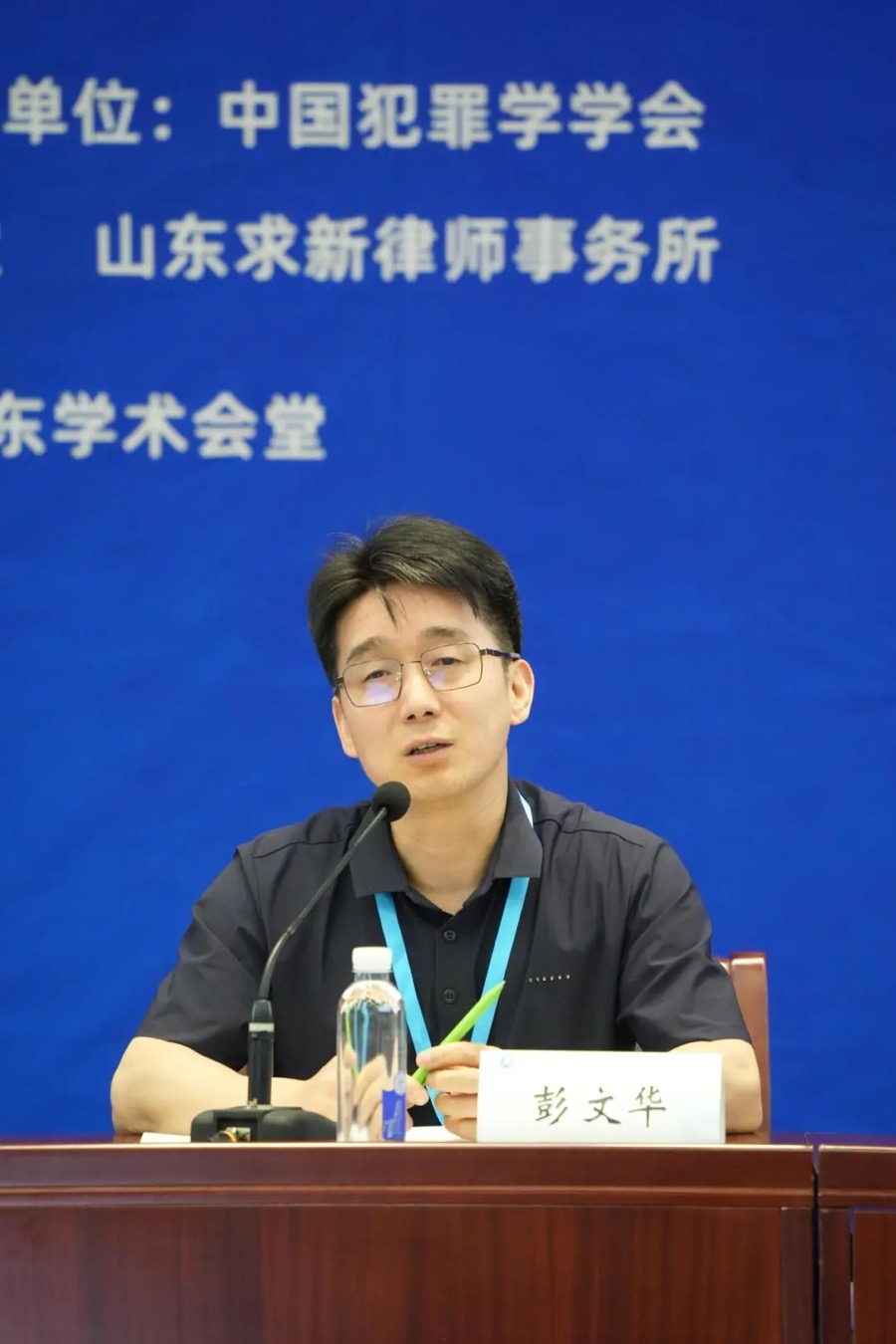
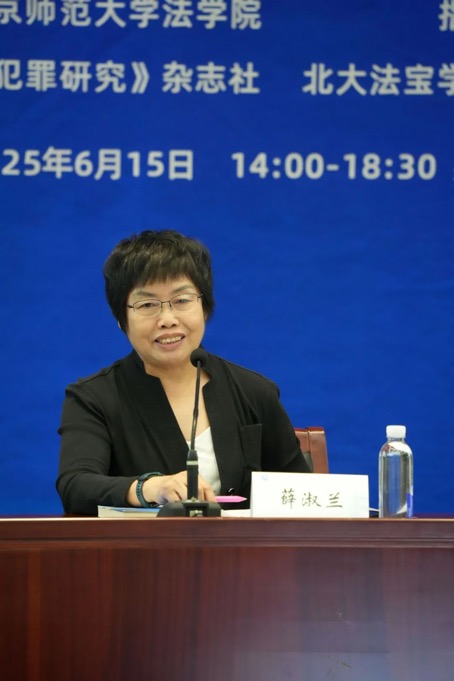
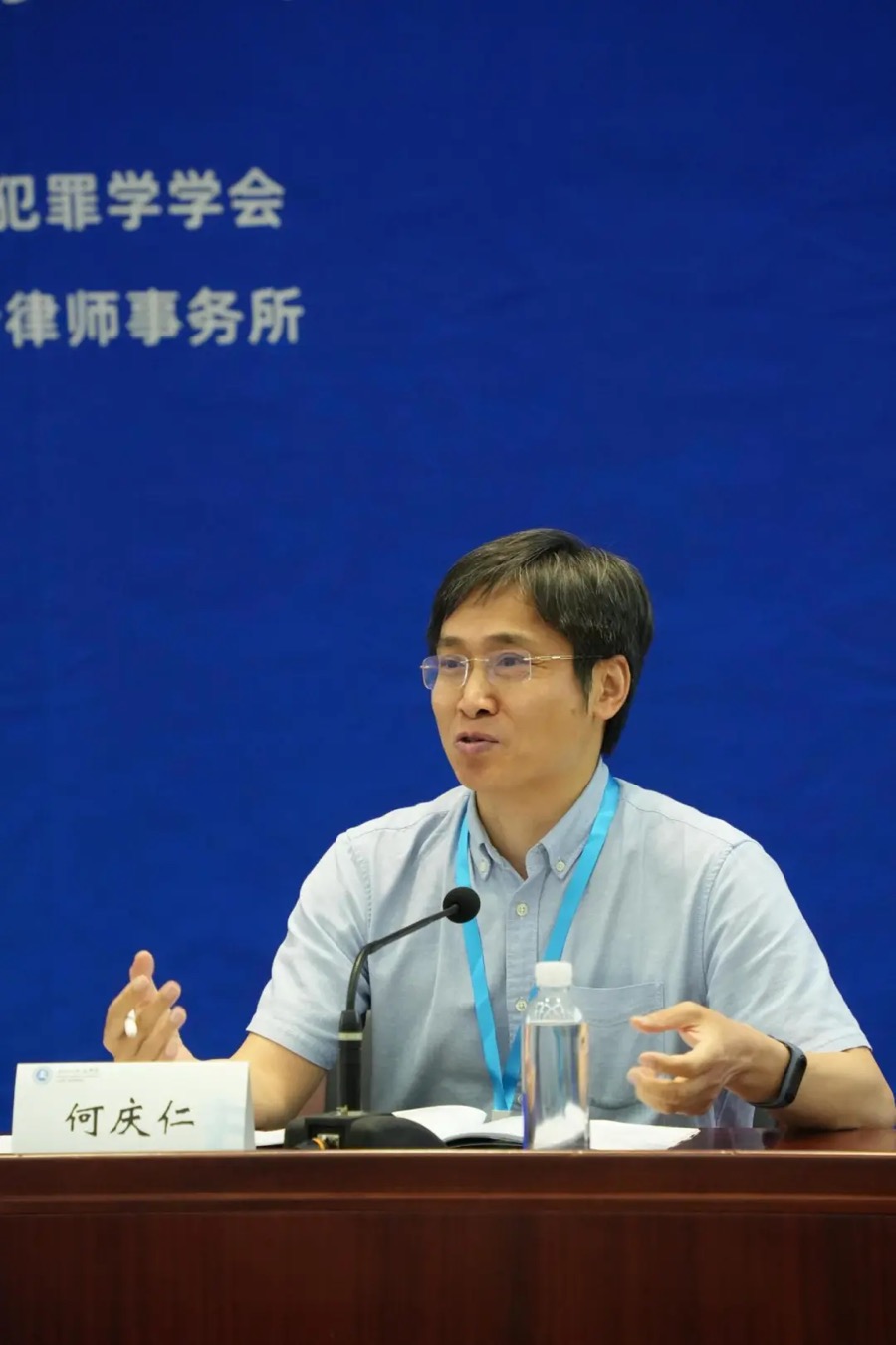
The second session, themed "Regulatory Governance and Crime Prevention in Private Enterprises," was chaired by Professor Zuo Jianwei from BNU. Professor Shi Yanan from Renmin University of China delivered a keynote speech focusing on the "Criminal Law Significance of Corporate Autonomy," interpreting the legal obligations and risks of companies from the perspective of criminal law. He argued that "for entities such as companies, merely demonstrating the intention to comply with legal obligations or even a sincere willingness is not enough; it is also necessary to assess whether they have made sufficient efforts and established corresponding mechanisms to effectively fulfill their obligations, thus effectively avoiding criminal legal risks. The measures taken by companies to fulfill their legal obligations should be voluntary and represent a choice of corporate autonomy." Professors Peng Wenhua from China University of Political Science and Law, Xue Shulan from the Supreme People's Court, and He Qingren from the Chinese Academy of Social Sciences provided in-depth discussions from the perspectives of criminal law theory, judicial practice, and comparative law.

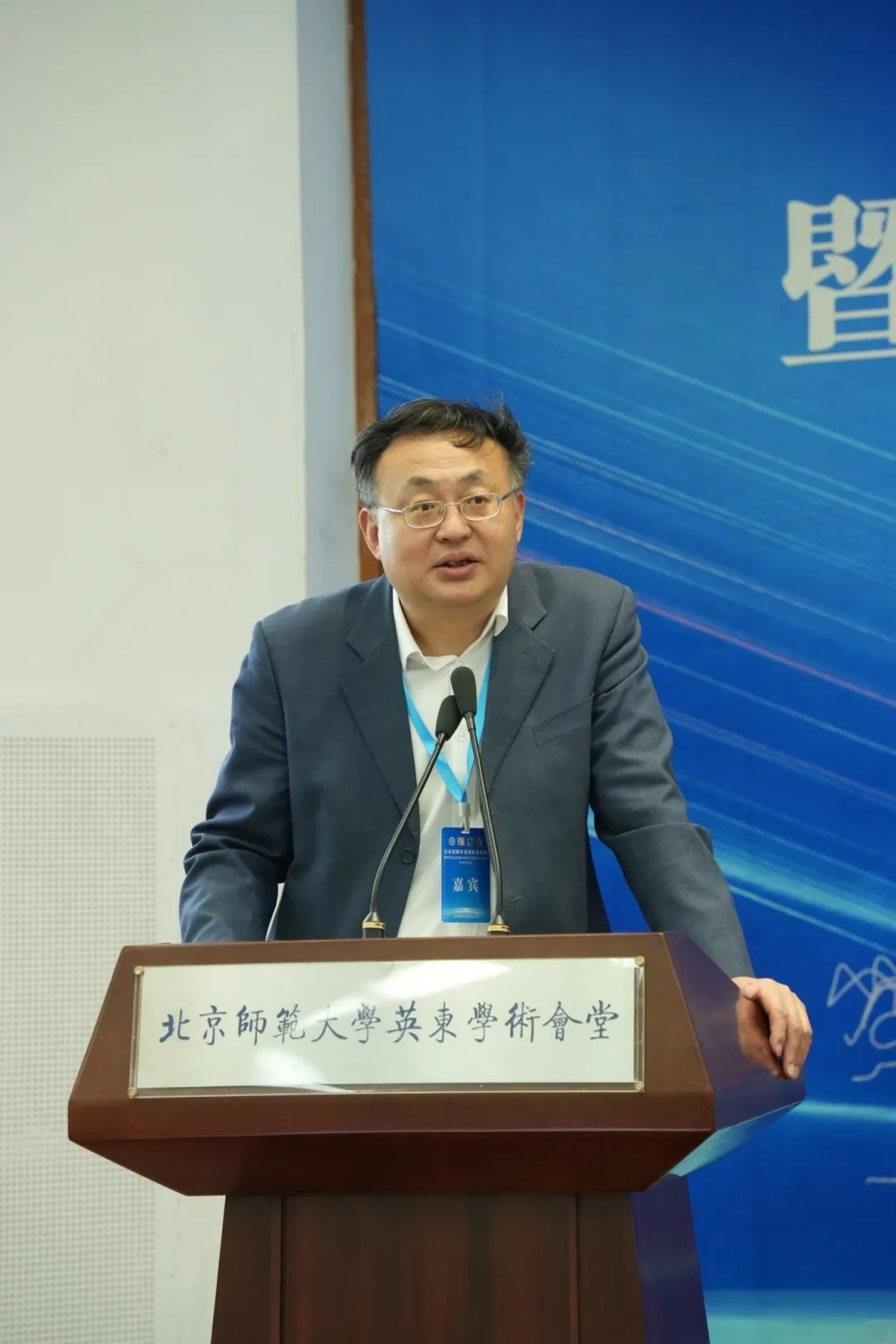
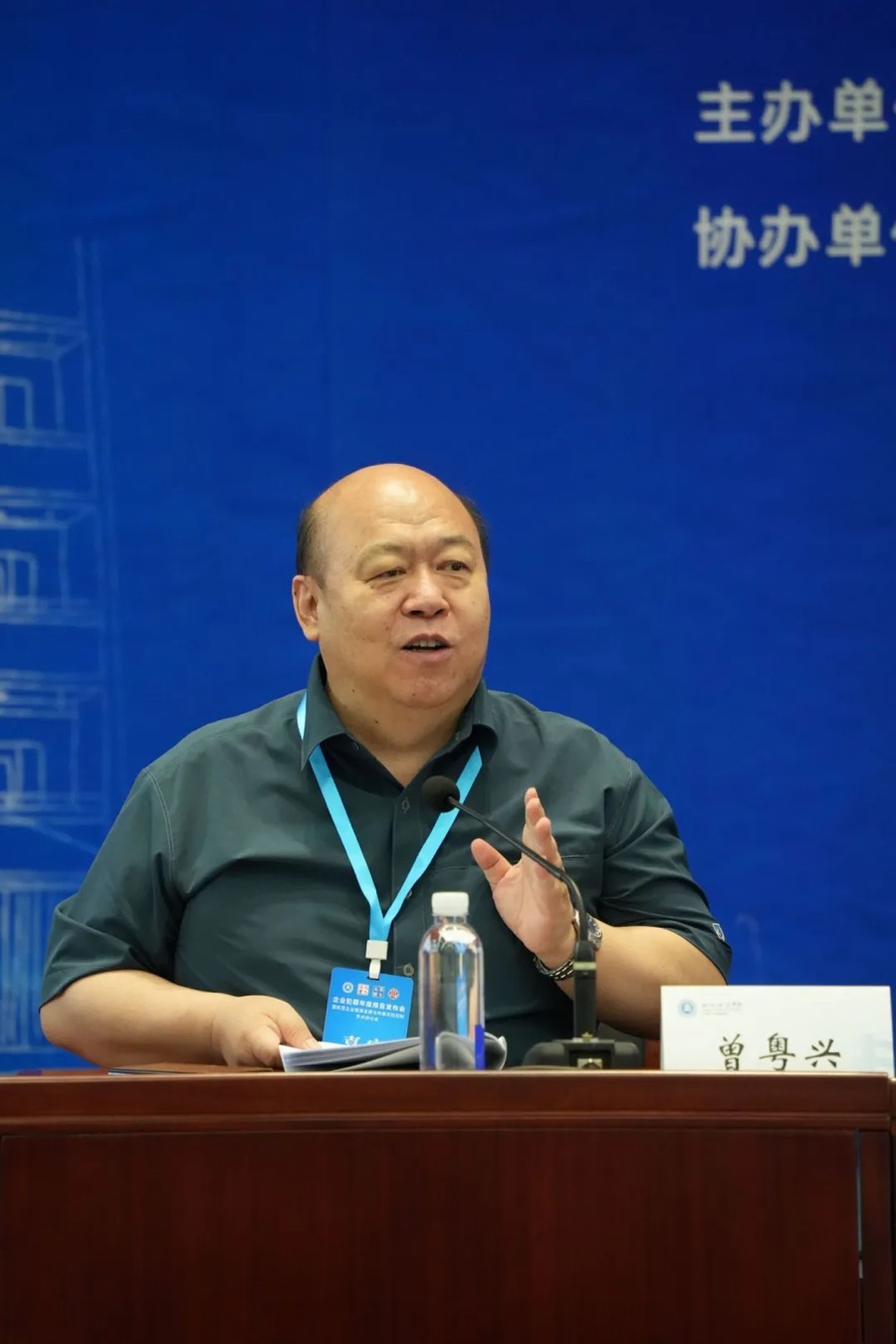
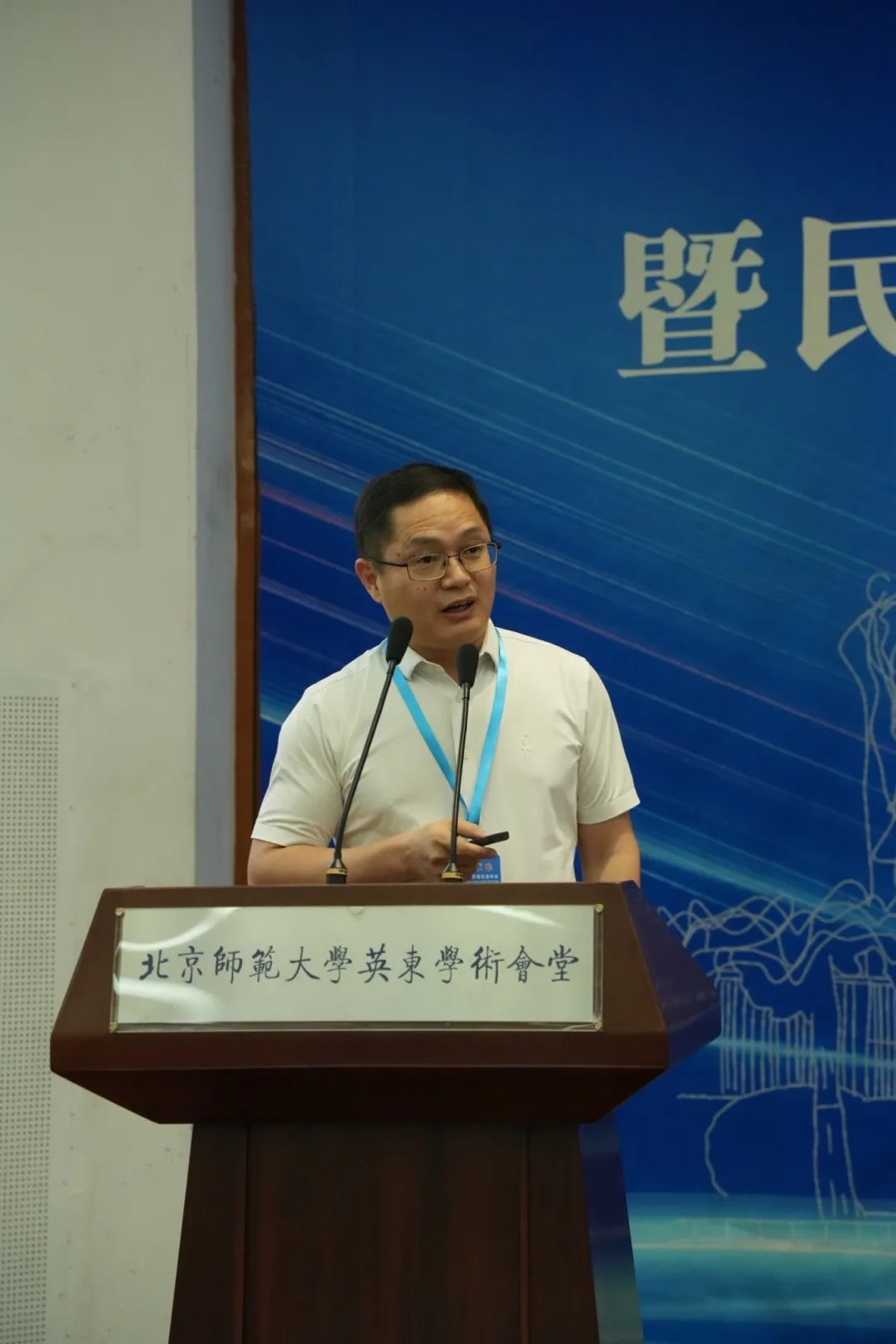
The third session, themed "Criminal Justice and the Promotion of the Private Economy," was chaired by Professor Zeng Yuexing from Beijing Institute of Technology. Professor Yuan Bin from BNU delivered a keynote speech from the perspective of "The Duality of Legal Interests in Private Enterprises and the Limits of Criminal Law Protection." He pointed out that the factual order that meets the requirements of corporate governance norms has a duality of statutory order and factual order and should be fully protected by criminal law. For companies that do not fully manage according to the statutory governance structure, their management order is not necessarily unprotected by law but should be distinguished based on the circumstances. Subsequently, Professor Wang Zhiyuan from China University of Political Science and Law, Professor Li Ping from Zhongnan University of Economics and Law, Deputy Director Cao Hongjun from the Supreme People's Procuratorate, and Professor Liu Ju from the Party School of the Tai'an Municipal Committee of the Communist Party discussed the issue of legal interest protection for private enterprises from different dimensions.
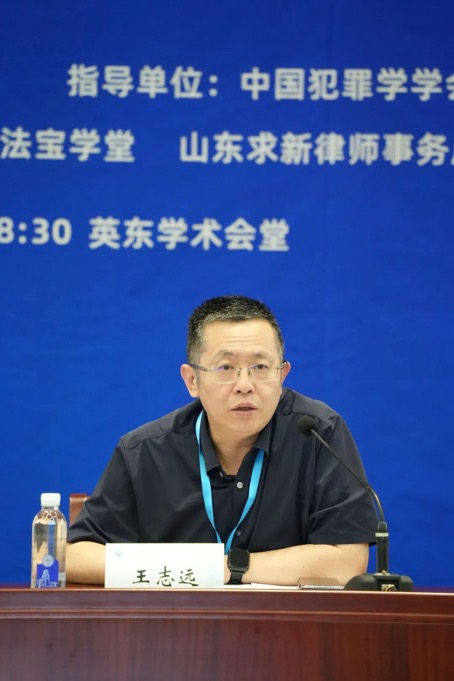

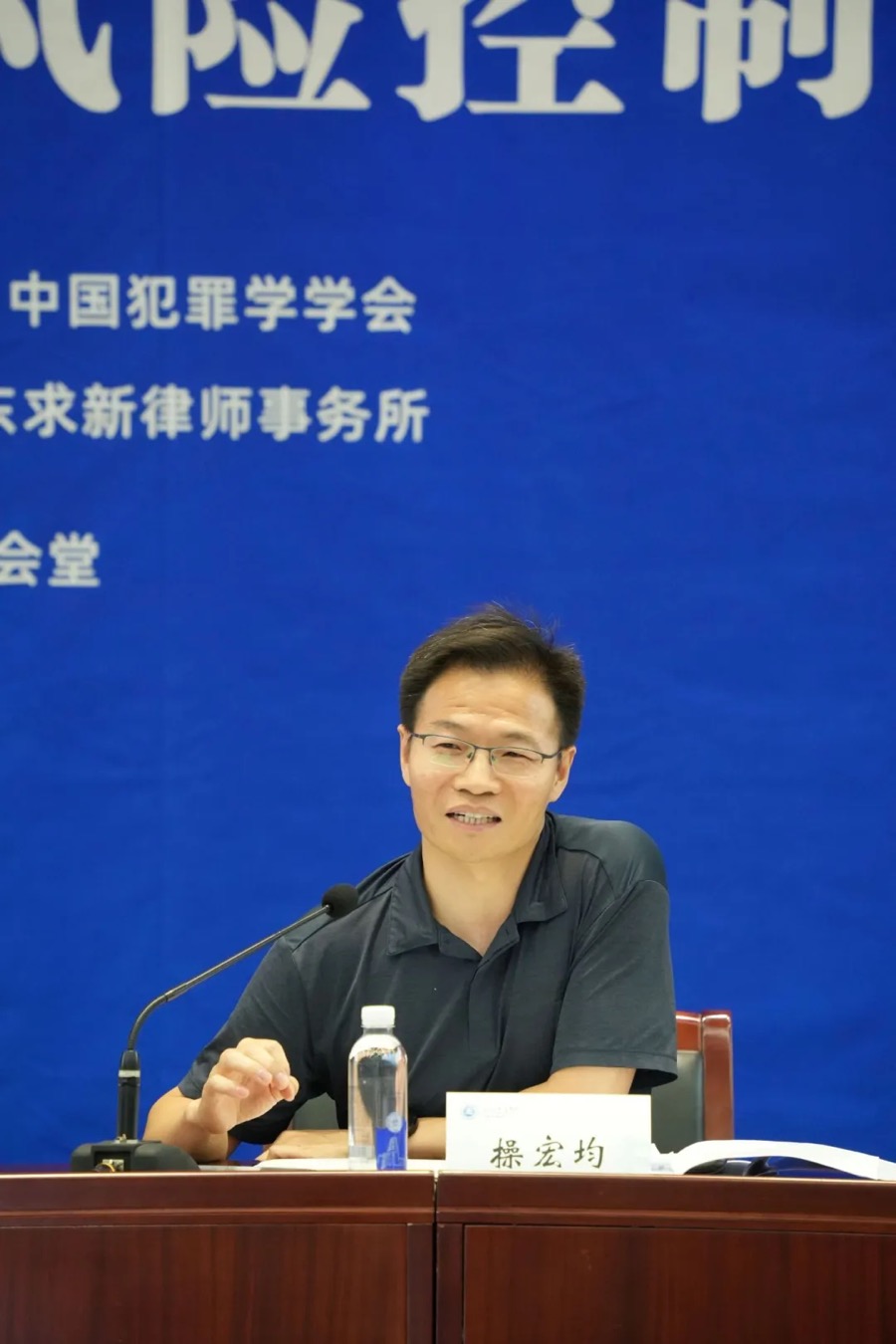

Finally, in the summary session, Professor Zhao Jun from BNU provided an excellent summary of the academic seminar, stating that the introduction of the Private Economy Promotion Law is timely. How to ensure that this law, which is crucial for the healthy development of the private economy and private enterprises, is implemented effectively is a significant challenge we must face. This conference is timely, as discussions on issues related to corporate crime from various sectors will help facilitate the legal operation of enterprises and the healthy development of the private economy.

The practical seminar was held simultaneously in the first lecture hall. More than fifty guests from higher education institutions, the business community, the industry, and the legal profession attended the seminar, which was divided into three units.
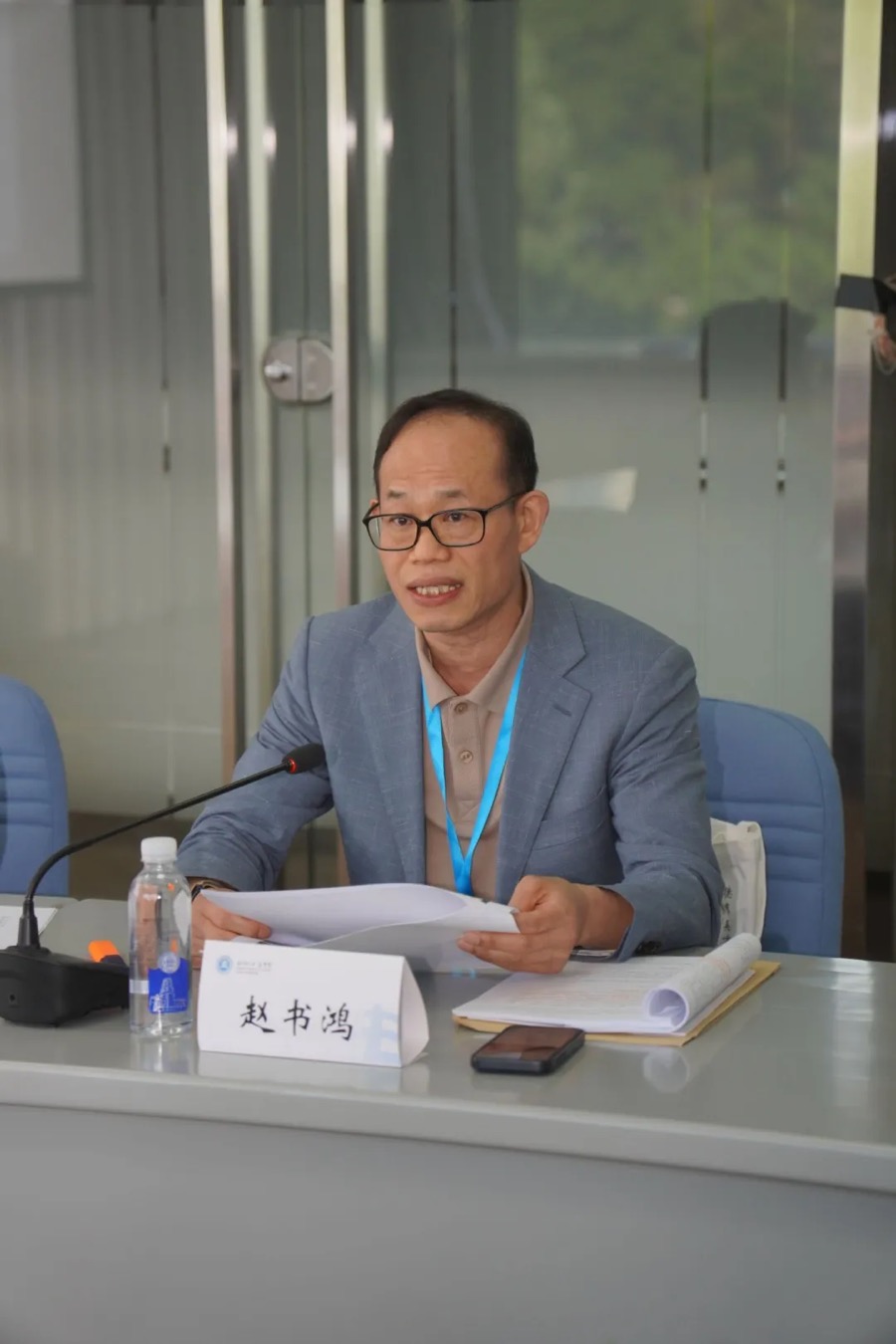
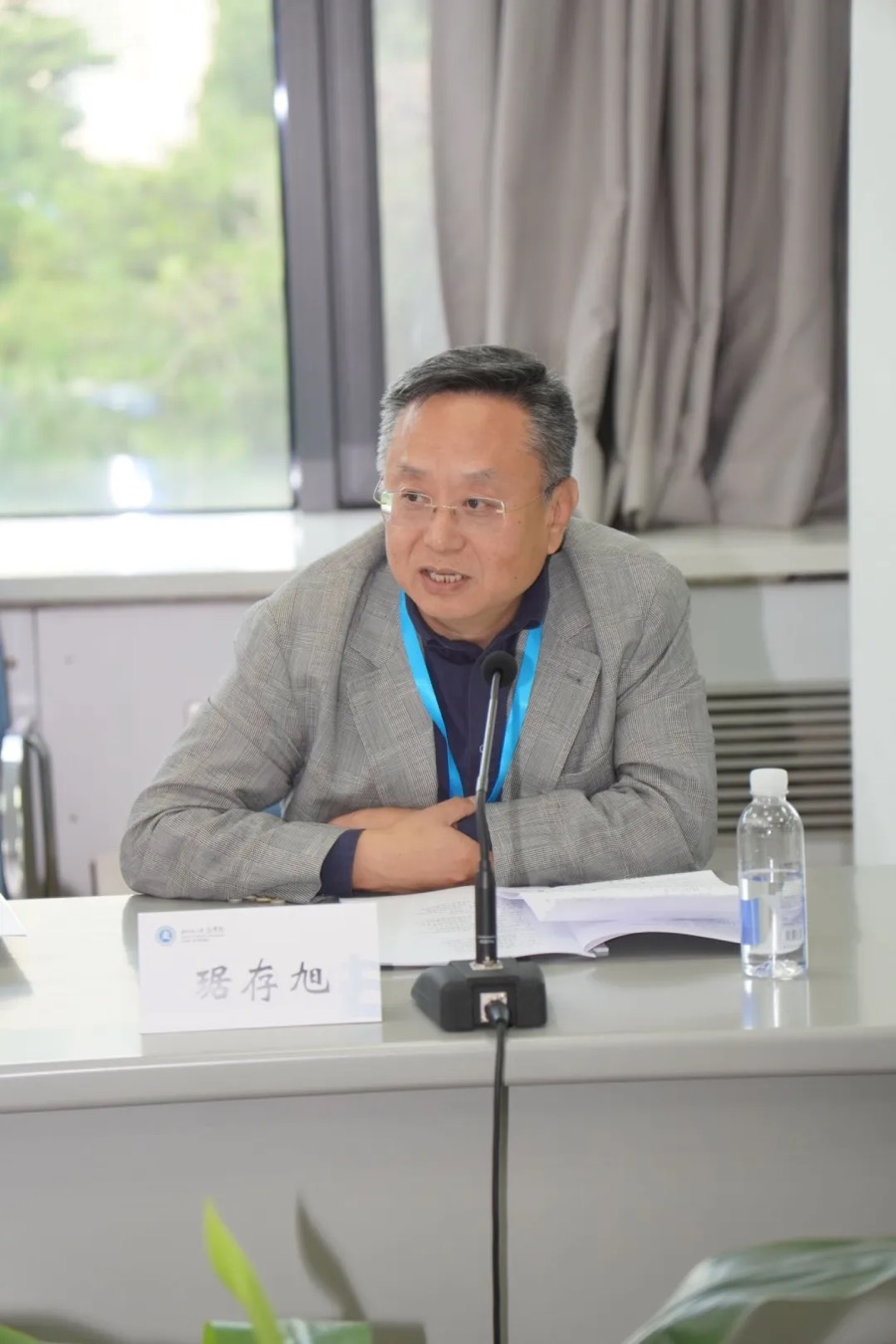
The first unit, "Understanding and Application of the Private Economy Promotion Law," was hosted by Director Liu Weidong from Beijing Guanheng Law Firm. Associate Professor Zhao Shuhong from BNU delivered a keynote speech titled "The Legislative Background and Regulatory Framework of the Private Enterprise Promotion Law of the People's Republic of China," focusing on the legislative background of the Private Economy Promotion Law, its core essence, and three aspects of legislative innovation, institutional breakthroughs, and future challenges. Vice President Yang Zejun of the Guangdong Provincial Lawyers Association, Chairman Chen Ruyi of Henan Qingquan Kairui Water Company, Director Ju Cunxu of Beijing Qiankun Law Firm, and Lawyer Gu Guangyi from Duan and Duan Law Firm shared their insights from the perspectives of policy formulation, corporate practice, and legal services.



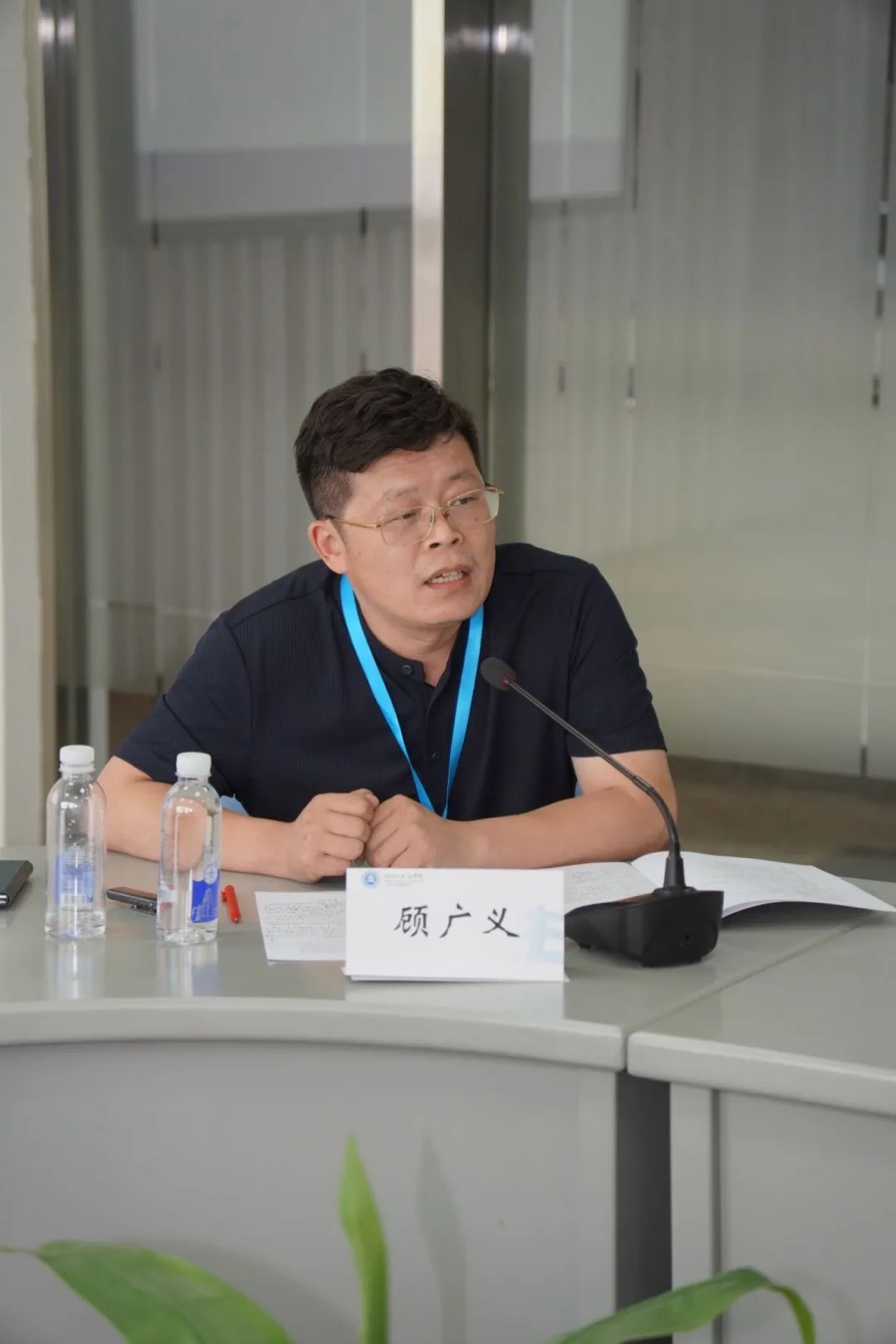
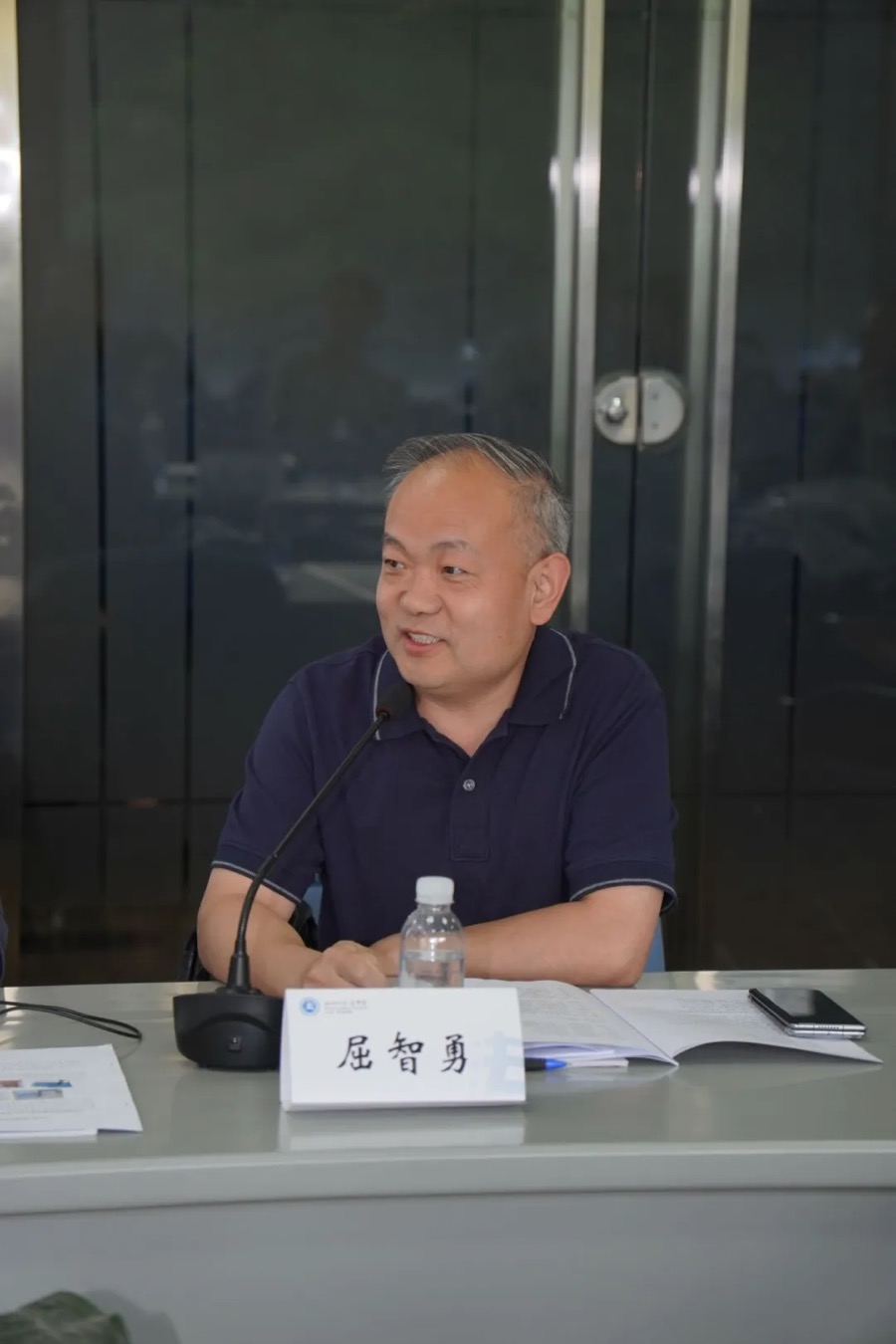
The second unit on "Corporate Compliance and Internal Governance" was chaired by Professor Qu Zhiyong, Dean of the School of Sociology at BNU. Dr. Wan Fang from the Beijing Academy of Social Sciences delivered a keynote speech, and Chairman Chen Yongjie of Beijing Xingyuan Holding Group, Director Duan Qiubin of JD Group's Supervision Department, Professor Xiao Yi from the Law School of Capital Normal University, and Associate Professor Zhao Guojun from Henan University of Economics and Law engaged in an in-depth discussion on key challenges in building corporate compliance systems.
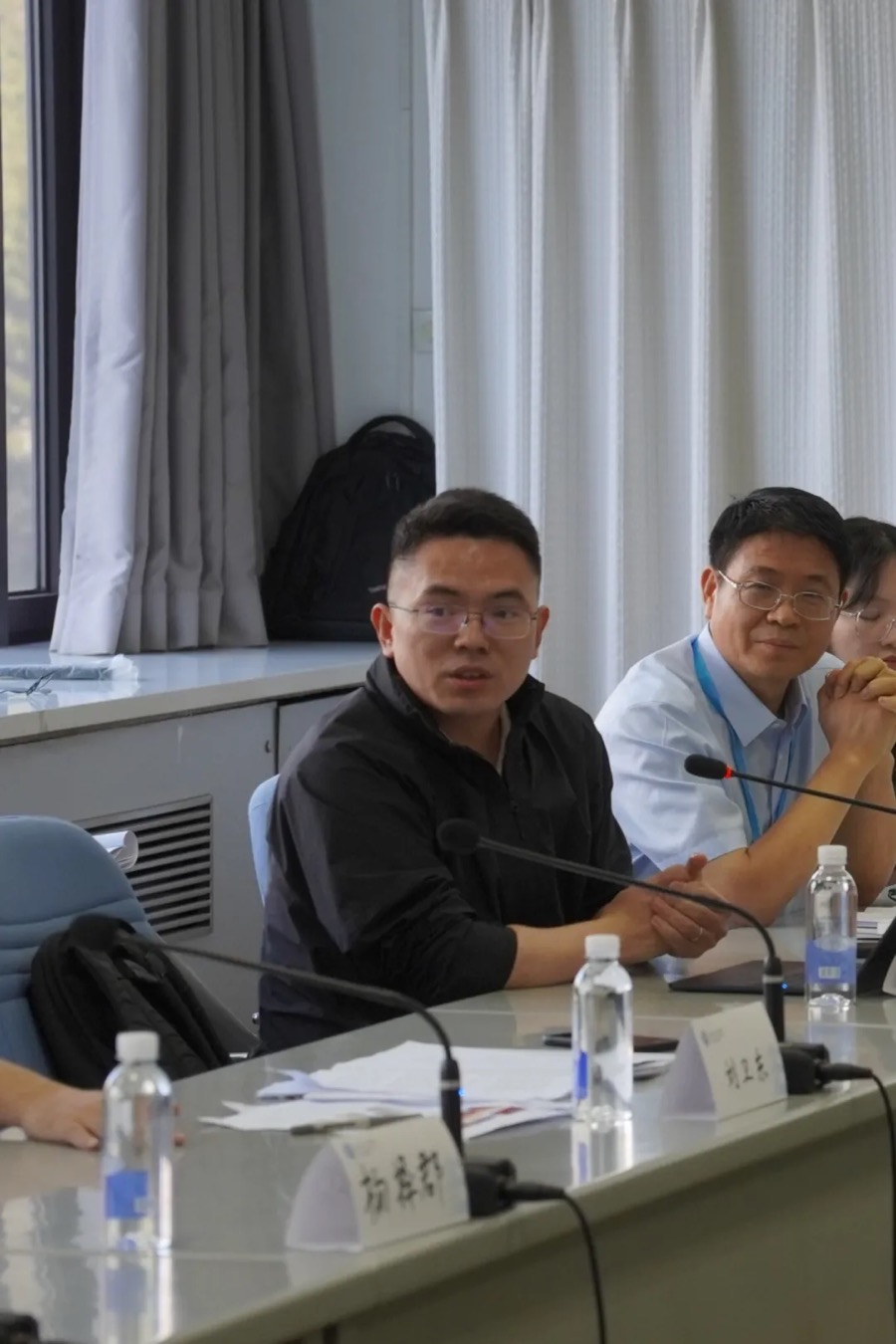




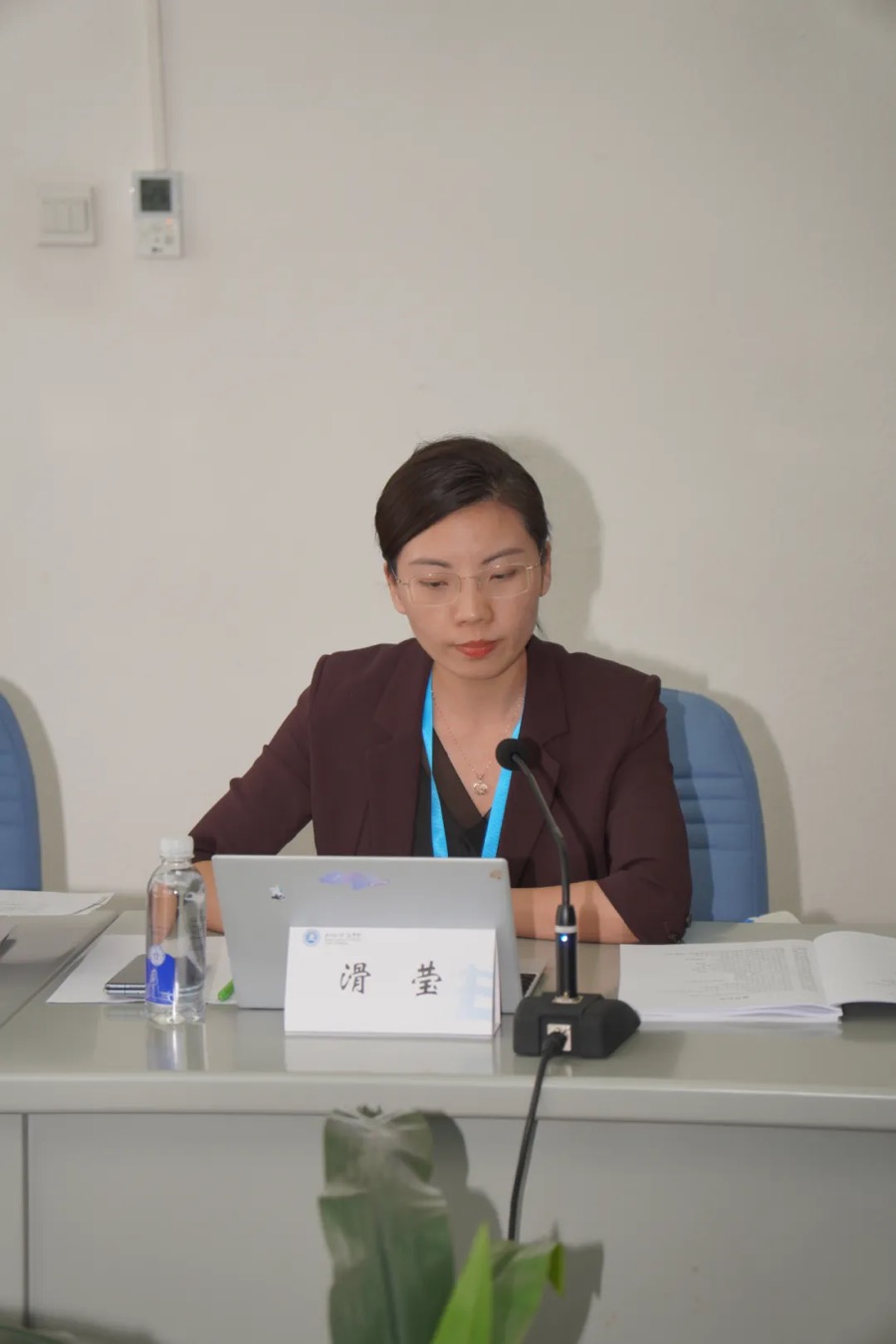
The third unit on "Criminal Law Protection for Private Enterprises" was chaired by Professor Zhao Tianhong from China University of Political Science and Law. Director Hua Ying of Shandong Qiuxin (Jinan) Law Firm delivered a keynote speech on "The Evolution, Issues, and Breakthroughs of the Criminal Law Protection System for Private Enterprises," pointing out that there are structural differences between private enterprises and state-owned enterprises in terms of governance structure, risk characteristics, and regulatory intensity. The criminal regulation system should not remain at the level of formal equality but should deeply consider the actual conditions of different market entities, achieving substantive fairness and justice through differentiated and refined institutional design and constructing a more adaptive and inclusive criminal governance framework. Lawyer Gao Wenlong from Beijing Shangquan Law Firm, Lawyer Wang Chongqing from Shanghai Huiye Law Firm, Lawyer Zhang Cheng from Beijing Dacheng Law Firm, and Associate Professor Liu Wenxuan from Yantai University discussed legal services related to the prevention and control of criminal risks for private enterprises.


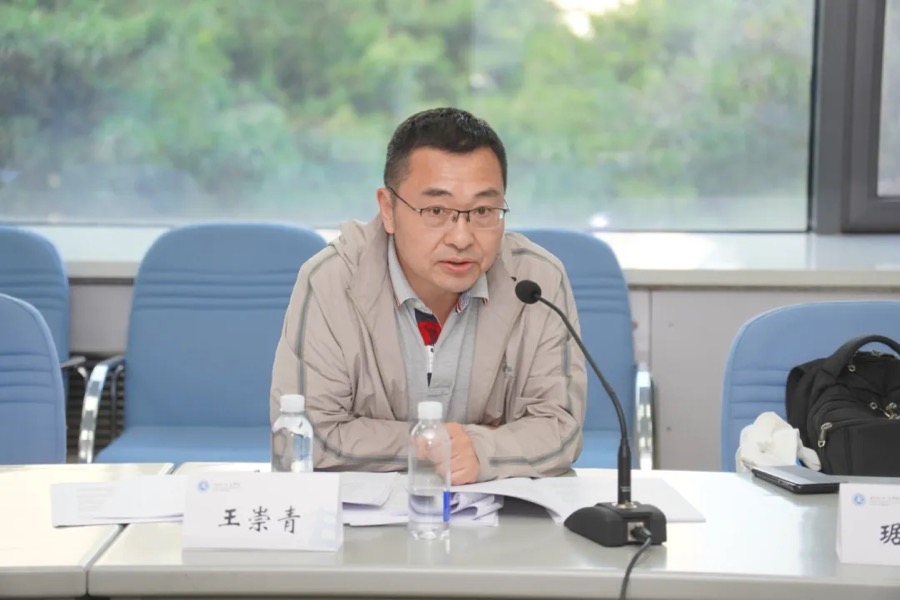

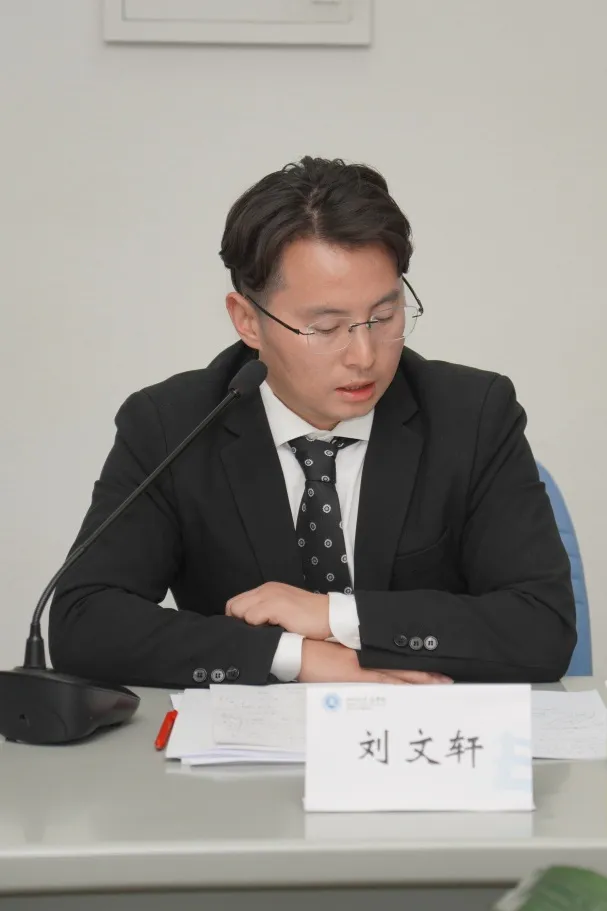
Finally, the summary session of the practical seminar was chaired by Associate Professor Bao Guowei from Shandong University of Political Science and Law, and Professor Liu Ke from BNU delivered a concluding speech, systematically summarizing the main achievements and practical insights from the seminar and expressing heartfelt gratitude to all experts, scholars, and people from all walks of life for their attendance.

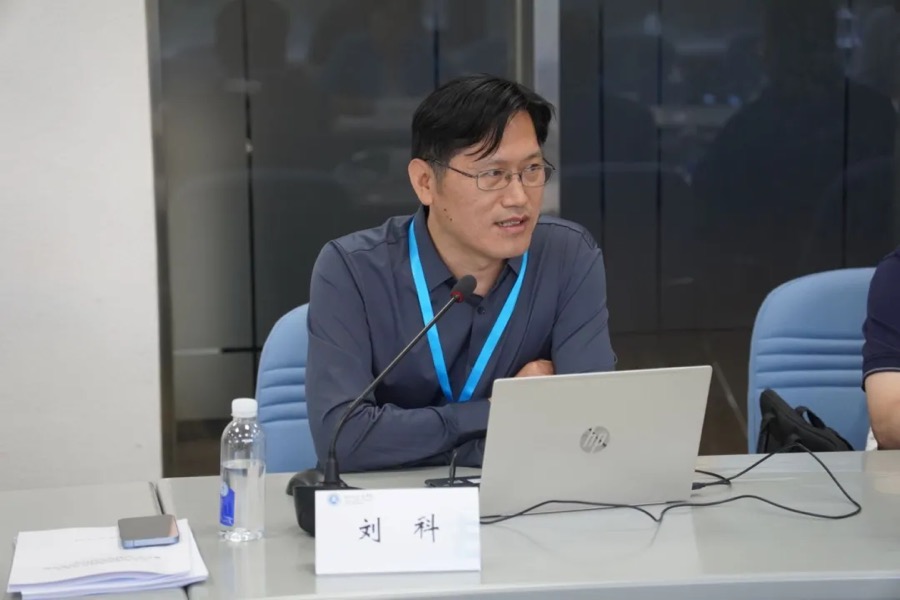
This seminar and discussion meeting, based on the annual research report on corporate crime, has received active attention and strong support from all sectors of society. The attendees highly praised this conference, unanimously agreeing that the Research Report on Corporate Crime in China (2023-2024) provides reliable foundational data and comprehensive public knowledge products, offering decision-making information and important references for relevant national departments, legal circles, the business community, the education and technology sector, and the general public.
Typesetting: Xu Yiyang
Editor: Shi Tianyu