

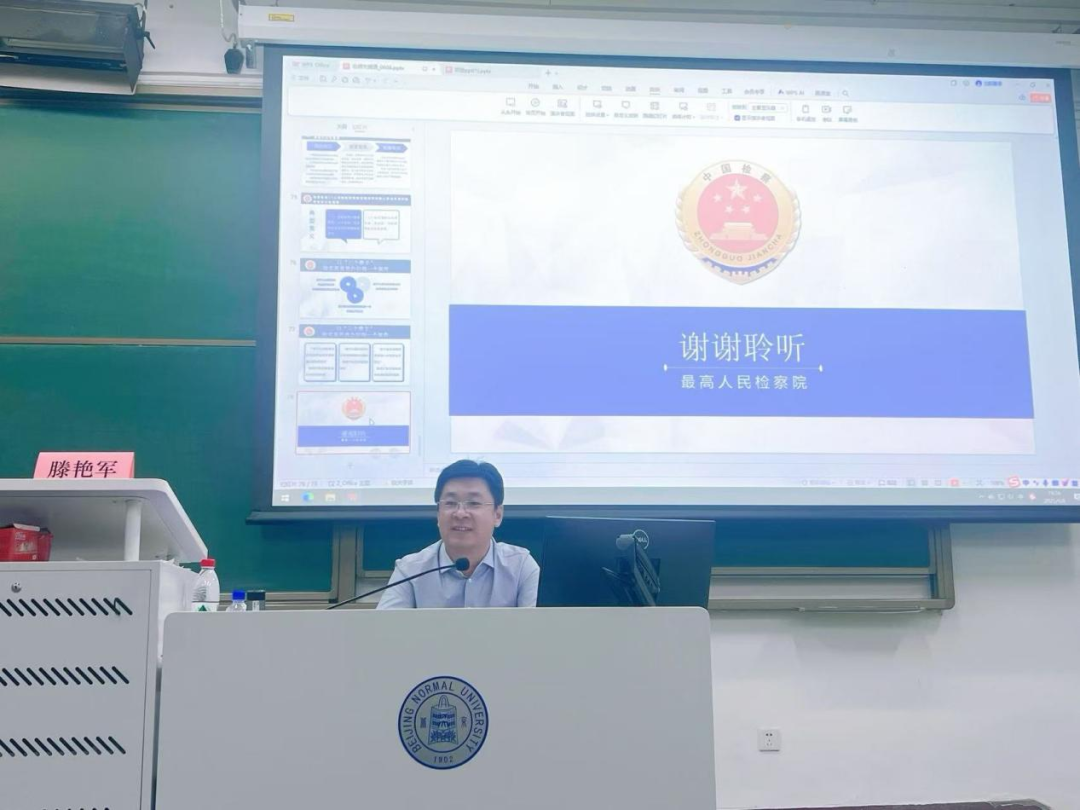
On June 8, 2025, the 11th lecture of the Supreme People's Procuratorate's "Prosecutorial Practice Experts Entering Campus" lecture series was successfully conducted in Room 103 of Teaching Building 7 at Beijing Normal University. This event was spearheaded by Teng Yanjun, Director of the Civil Procuratorial Office at the Supreme People's Procuratorate, with He Dan, Associate Dean of the Law School at Beijing Normal University, acting as the host. Over 110 faculty members and students, including Associate Professor Shang Haowen from the Law School, attended this special lecture.
At the outset of the lecture, Associate Dean He Dan provided an overview of Director Teng Yanjun's illustrious background. As a paragon among expert prosecutors, Director Teng Yanjun has dedicated himself to civil trials and civil procuratorial supervision for an extended period, amassing a wealth of practical judicial experience. Several cases he presided over have been designated as guiding cases by the Supreme People's Procuratorate and have been featured as typical cases in its publications. Furthermore, Director Teng Yanjun has authored multiple works, contributed to the compilation of several civil procuratorial textbooks, and led diverse research projects, resulting in the publication of over 60 academic papers in prestigious journals. He has been honored as an "Advanced Individual in National Legal Popularization Work" and has been selected to join the "Eighth Five-Year" Legal Popularization Civil Code Lecturer Group. It is anticipated that students will seize this invaluable opportunity for interaction, listen with rapt attention, engage actively, and draw inspiration from the proceedings.
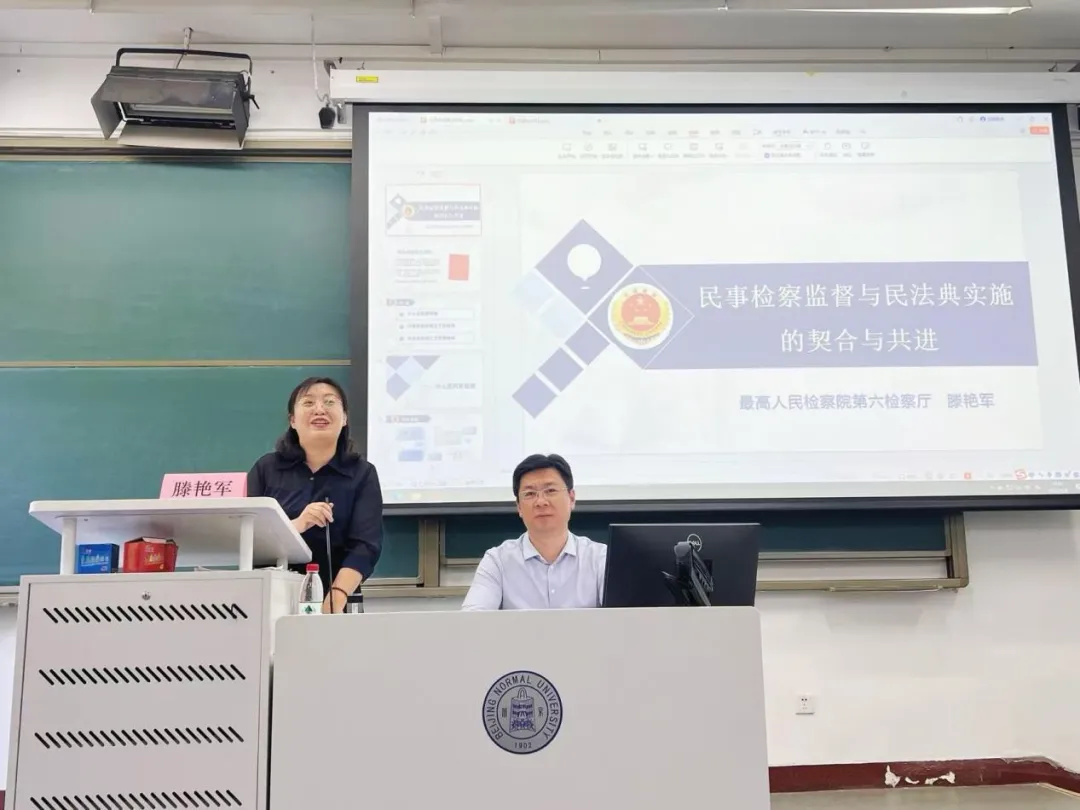
The lecture then commenced in earnest. Director Teng Yanjun delivered a special lecture titled "The Harmonious Co-evolution of Civil Prosecution Supervision and the Implementation of the Civil Code," focusing on three key aspects: "What Constitutes Civil Prosecution?", "The Role of Civil Prosecution Supervision within the Civil Code Framework," and "The Implementation of the Civil Code in Civil Prosecution Practices" for the benefit of the attending faculty and students. Director Teng Yanjun highlighted that, as one of the "Four Major Prosecutions," the comprehensive supervision system for civil prosecution encompasses oversight of valid civil judgments, trial activities, enforcement activities, support for civil prosecution endeavors, and the supervision of false litigation. Regarding the role of civil prosecution in the Civil Code, the implementation of civil prosecution supervision serves to ensure the uniform and accurate application of civil laws. Subsequently, Director Teng Yanjun offered a detailed exposition on the role of civil prosecution in guaranteeing the correct implementation of the Civil Code in judicial practice, drawing upon a series of illustrative cases. In terms of the Civil Code's impact on civil prosecution, it facilitates the comprehensive restructuring of the civil prosecution system, as evidenced by the promotion of updated supervision concepts, precise identification of supervision objectives, redefinition of supervision standards, enhancement of supervision mechanisms, optimization of supervision methods, and the strengthening of professional development. Director Teng Yanjun continued to elucidate vividly how the implementation of the Civil Code reshapes the civil prosecution system in a comprehensive manner through the interpretation of a series of typical cases for the attending teachers and students. Ultimately, Director Teng Yanjun posited that to better achieve the harmonious co-evolution of civil prosecution supervision and the implementation of the Civil Code, it is imperative to accurately discern the substantive legal relationships from complex legal facts, gain a profound understanding of the spirit of the rule of law from specific legal provisions, and realize fairness and justice through the organic unity of legal theory and emotion. This entails applying the "Three Proficiencies" to handle each case with high quality and efficiency.
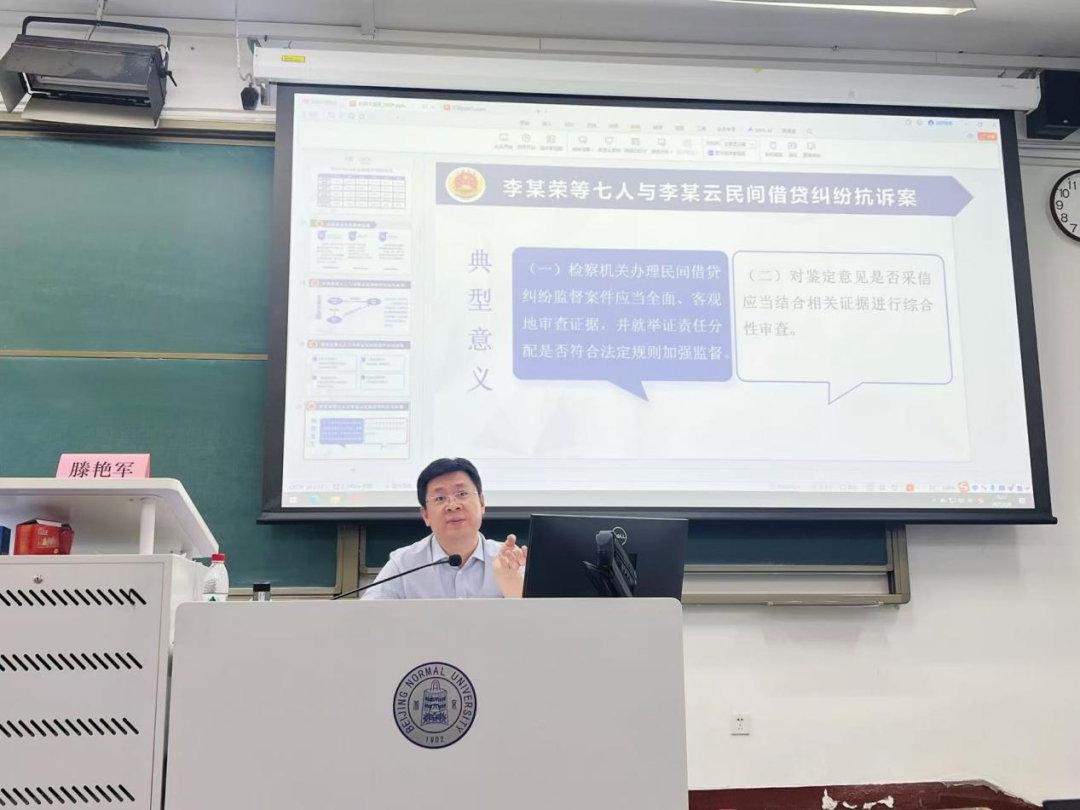
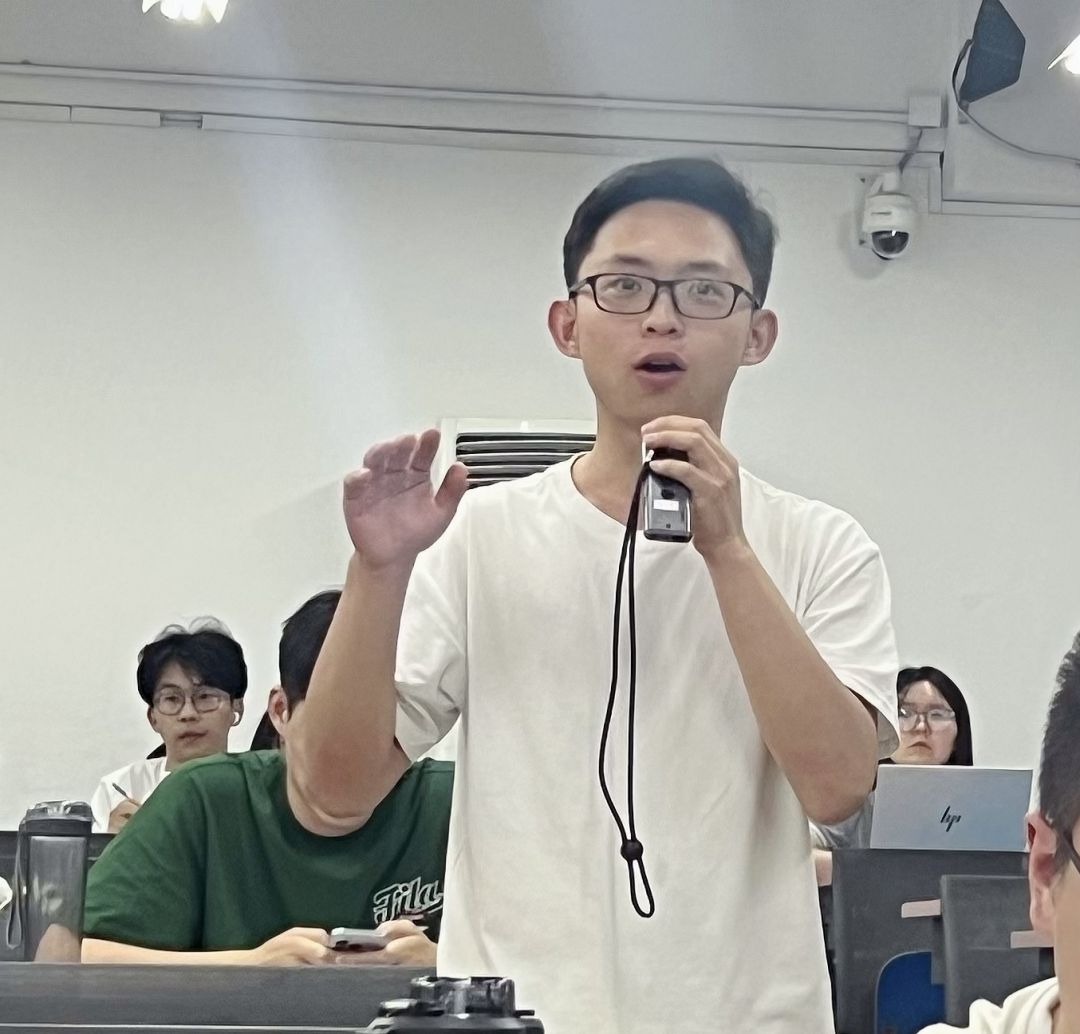
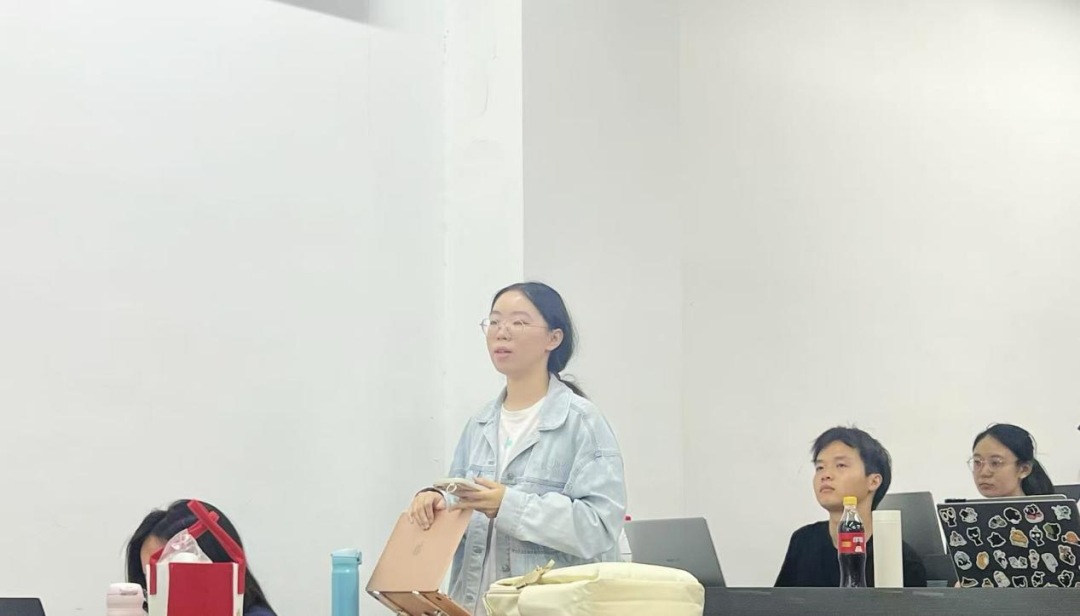
During the interactive exchange session, the attending faculty and students actively posed questions concerning the realization of substantive justice, the boundaries of discretionary power, and the innovation of supervision methods by the prosecution. Director Teng Yanjun provided insightful responses grounded in the procedural norms of civil prosecution supervision and the substantive norms of the Civil Code, earning widespread acclaim from the participants.
Following the interactive exchange session, Vice Dean He Dan expressed heartfelt gratitude on behalf of all faculty and students of the Law School for Director Teng Yanjun's enlightening presentation. Vice Dean He Dan believed that Director Teng Yanjun, through two and a half hours of in-depth exposition, offered a comprehensive overview of the current practice of civil prosecution supervision to the attending faculty and students. Moreover, Director Teng Yanjun deepened the understanding of the faculty and students present regarding the practice of civil prosecution supervision through a multitude of typical cases. It is hoped that students will continue to reflect deeply after the lecture and fortify their theoretical foundations, so as to contribute to the advancement of the rule of law in China in the future.
Finally, Vice Dean He Dan presented a commemorative certificate to Director Teng Yanjun on behalf of the Law School and they took a group photo together, signifying the successful conclusion of the eleventh lecture in the "Prosecutorial Practice Experts Entering Campus" series.
Typesetting: Xu Yiyang
Editor: Shi Tianyu