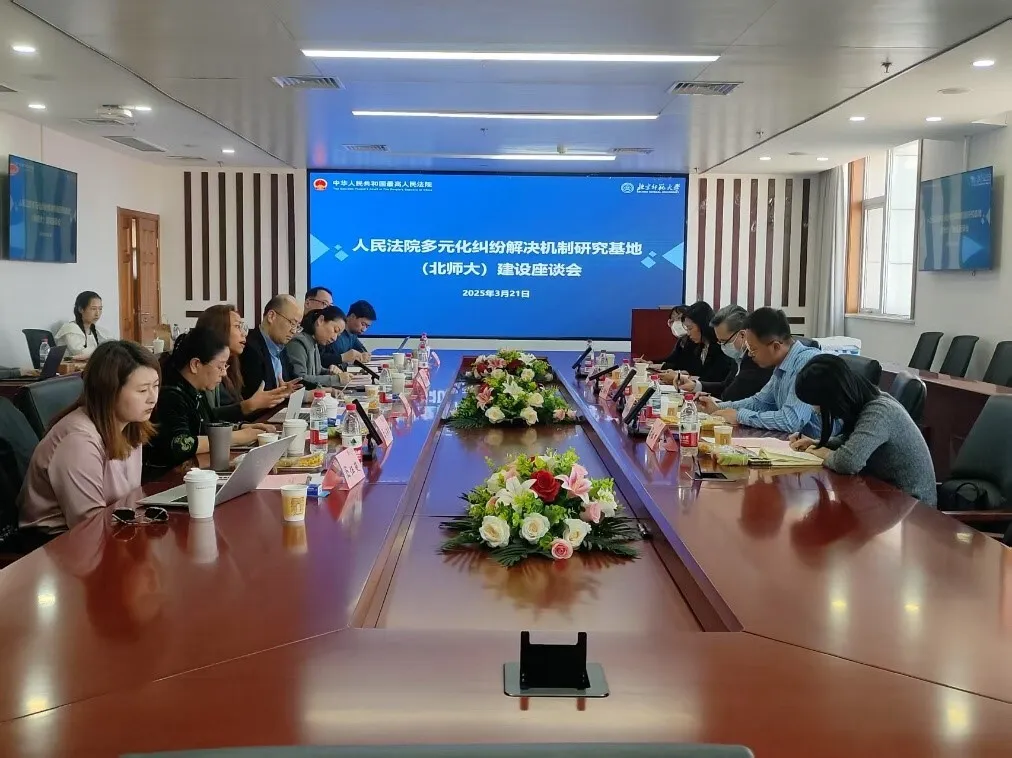
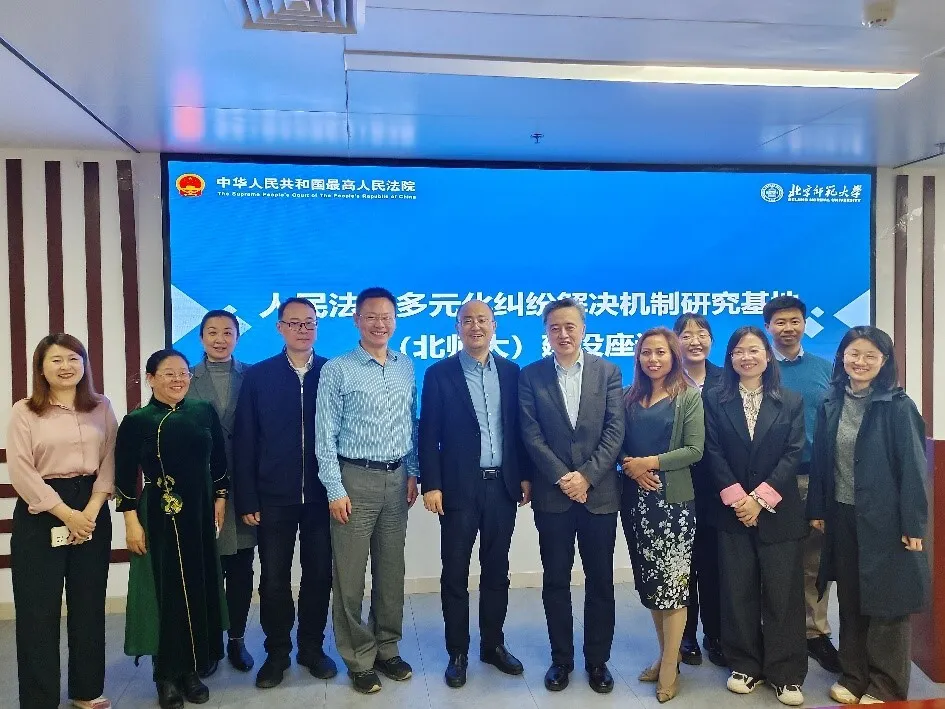
On the afternoon of March 21, 2025, a seminar on the development of the People’s Court Diversified Dispute Resolution Mechanism Research Base (BNU) was held in the Gao Mingxuan Lecture Hall. Hosted by the BNU Law School, the event brought together 13 distinguished guests from the Supreme People’s Court, as well as the university’s Law School, School of Sociology, and Department of Psychology for an in-depth discussion. Associate Professor Tang Can, Executive Deputy Director of the research base, chaired the meeting.
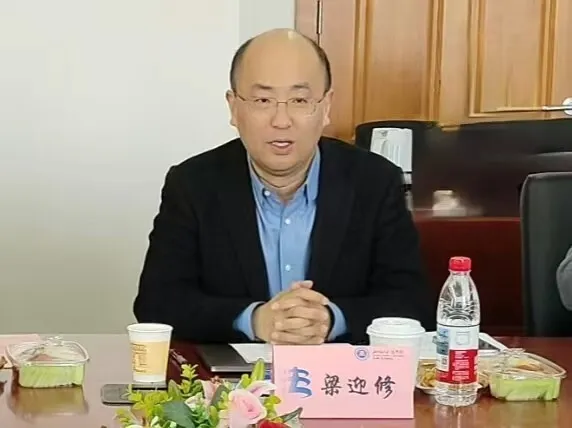
Professor Liang Yingxiu, Director of the research base and Dean of the BNU Law School, extended a warm welcome to the attending leaders and experts, expressing sincere gratitude for the cross-disciplinary support and guidance the base has received. Dean Liang then outlined several key research initiatives and commissioned projects completed over the past three years, all of which were closely aligned with practical needs. Looking ahead, he emphasized that the base will continue to deepen its collaborative ties with judicial and practical departments. By conducting problem-oriented research, the base aims to explore academic pathways that are highly responsive to the evolving needs of the judiciary, with the continued guidance of all stakeholders.
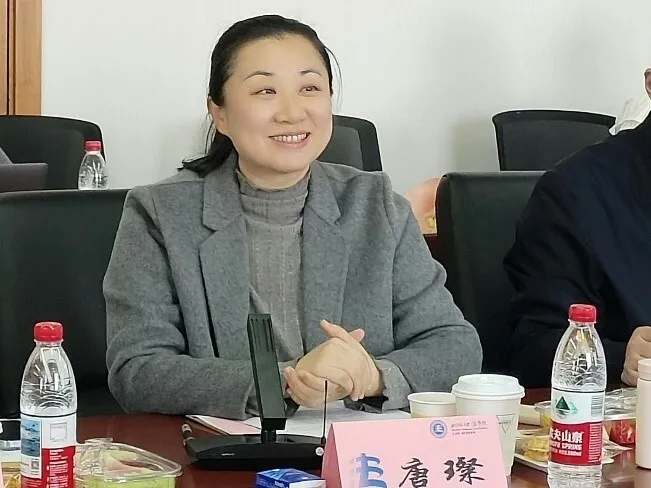
Associate Professor Tang Can from the Law School of Beijing Normal University systematically reviewed the multidimensional research achievements of the research base last year, focusing on social governance and dispute resolution, including publishing academic papers, compiling interdisciplinary monographs, hosting and participating in domestic and international academic conferences, and participating in court business training and policy consulting. She then introduced the work plan for the research base in 2025, stating that in the new year, the base will continue to focus on the work deployment of the Supreme People's Court, contributing wisdom and strength to the construction of a dispute resolution mechanism with Chinese characteristics and world-leading standards, serving the overall modernization of national governance.
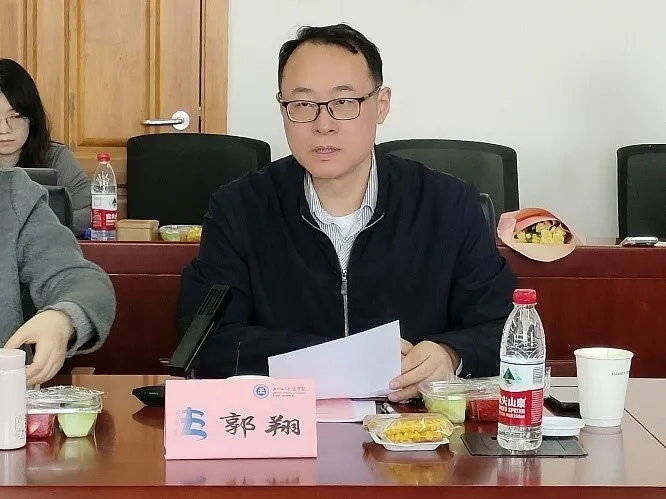
Associate Professor Guo Xiang from the Law School of Beijing Normal University reported on the research situation of the training system for special invited mediators, mentioning that the research lasted more than six months, during which field research was conducted at the Fangshan "Good Neighbor. I Handle It" Mediation Academy, the Beijing Municipal Mediation Association, the Xicheng District Mediator Association, and the Haidian District and Xicheng District People's Courts. The focus was on the court's capacity needs for mediators, the current operation status and difficulties of the existing training mechanism, and an in-depth analysis of the shortcomings of the training system from multiple perspectives, including mediation organizations, mediators, and judges. They widely solicited specific needs from judges and mediators regarding course settings, laying a practical foundation for subsequent research results.
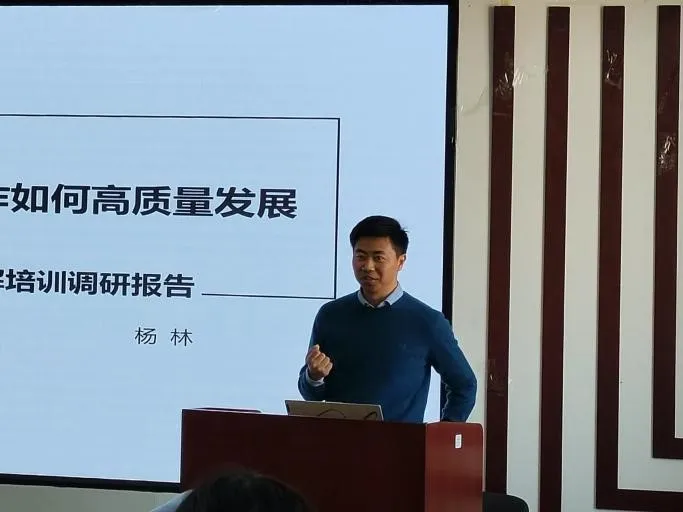
Lecturer Yang Lin from the Law School of Beijing Normal University reported on the research results of the training for special invited mediators in the court, explaining how the court's litigation and mediation connection work can develop with high quality in four aspects: research situation, current status of court litigation and mediation connection work, current status of training for special invited mediators, and suggestions for building a training system for special invited mediators. The report suggested that training needs should be accurately identified, focusing on the specificity of mediators' capabilities, scientifically designing a tiered course system, improving the hierarchical implementation mechanism and organizational guarantee measures, and assisting in the high-quality development of the diversified dispute resolution mechanism.
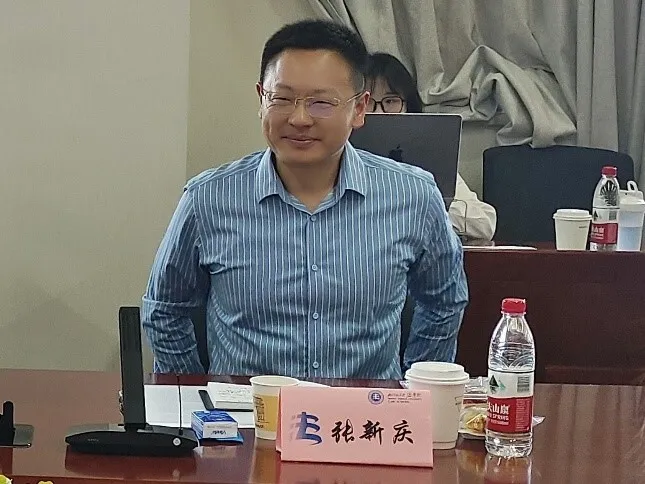
Zhang Xinqing, Deputy Presiding Judge of the Case-Filing Division of the Supreme People’s Court (SPC), outlined the division’s recent progress. He provided an in-depth analysis of six key priorities: participating in the standardized development of comprehensive social governance centers, optimizing the “total-to-total” diversified dispute resolution mechanism, fully advancing the “three-in-one” integration of the court’s mediation platform, establishing a comprehensive database for diversified dispute cases, promoting the rule of law in petition handling, and implementing targeted governance initiatives. Furthermore, he outlined three primary focus areas for diversified dispute resolution in the coming year.
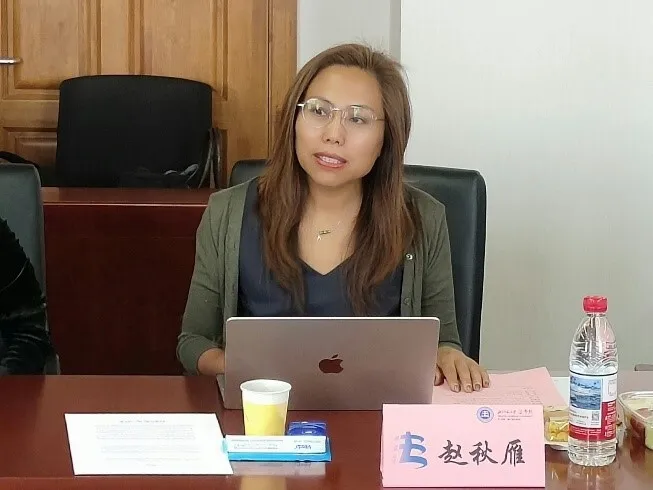
Professor Zhao Qiuyan, Deputy Director of the Research Base and faculty member at the BNU School of Sociology, reviewed the base’s interdisciplinary achievements at the intersection of law and sociology. She reported on recent research progress and expressed her hope to refine the research framework by drawing on local, practical experiences in conflict resolution. Furthermore, leveraging the university’s platform advantages, she aims to integrate talent cultivation directly into research projects, focusing on nurturing a pipeline of professionals equipped with both academic rigor and practical skills.
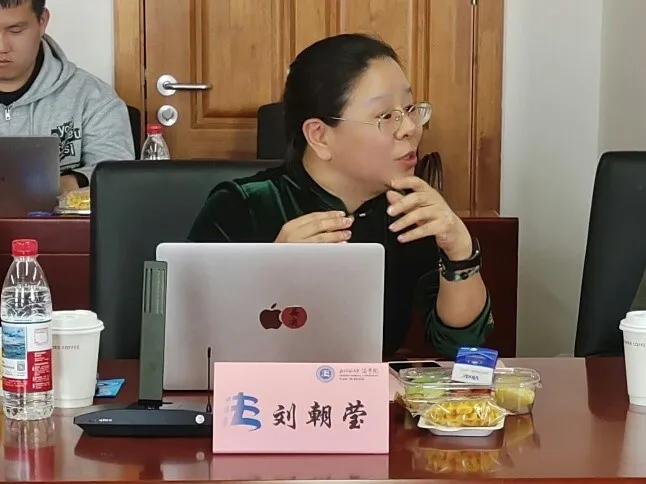
Ms. Liu Chaoying, a course design expert from the EDP Center of the Psychology Department at Beijing Normal University, shared her insights from preparing relevant courses. She pointed out that “participation” is key in mediation practice and case discussions, and that psychological comfort skills are particularly important for easing the confrontational emotions of the parties involved. Psychology can enhance the mediation mechanism in four aspects: communication and regulation methods, psychological quality and emotional management, conflict management mediation skills, and emotional management and guidance techniques. This is especially valuable in mediating family disputes and youth issues, where psychological expertise has unique application value.

Drawing upon her practical experience, Ms. Wu Fei, Project Supervisor for the social service program at the Mental Health Service Center of BNU’s Department of Psychology, shared her insights on delivering psychological services to juveniles within judicial mediation. She noted that applying psychological techniques in a judicial context requires clearly defining the service targets and carefully balancing the need for professional intervention against the privacy rights of minors. To address disparities in mediators’ skill levels, she suggested adopting the training model used for psychological counselors. By incorporating case discussions and expert supervision into the training process, mediators can enhance their effectiveness through shared experiences and professional guidance.
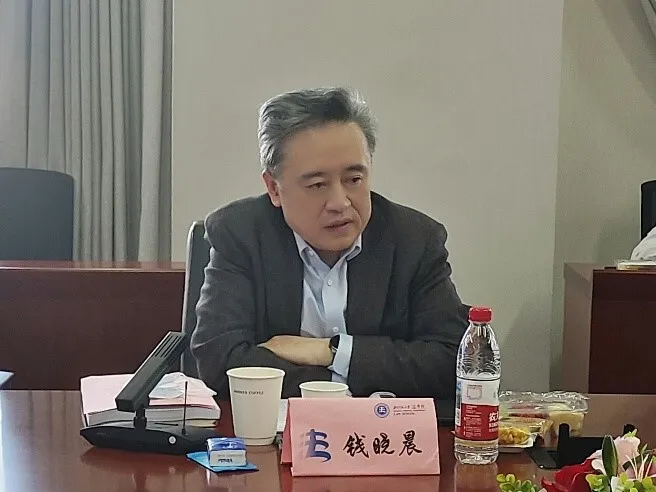
In his concluding remarks, Judge Qian Xiaocheng, a member of the SPC Judicial Committee and Director of the Filing Division, highly commended the practical value of the research base. He identified current difficulties in mechanisms such as invited mediation, emphasizing the critical role of interdisciplinary research—spanning law, sociology, and psychology—in enhancing the efficacy of grassroots social governance. Addressing the core challenge of “resolving disputes efficiently and with high quality,” Judge Qian urged future research to focus on practical hurdles, such as advancing the rule of law in petition handling. He expressed high expectations for the base to deliver more tangible outcomes, affirming that the SPC Filing Division will fully support the base in aligning with judicial realities, opening up research avenues, and collaboratively driving theoretical innovation and practical optimization in dispute resolution.
The seminar brought together judicial experts from the SPC and scholars across multiple disciplines for pragmatic discussions on refining the diversified dispute resolution mechanism. Participants offered actionable suggestions on key issues such as the training of specially invited mediators, providing concrete pathways for institutional improvement.
Looking ahead, the research base will deeply integrate into the broader landscape of national governance modernization and judicial reform. By aligning academic inquiry with the practical needs of the judiciary, the base is committed to translating research findings into actionable solutions, thereby providing sustained intellectual support for building a fair and efficient dispute resolution system.