

On June 15, 2025, the 12th lecture of the Supreme People's Procuratorate's "Procuratorial Practice Experts Entering Campus" series was successfully conducted in Room 103 of Teaching Building 7 at Beijing Normal University. This insightful event was presided over by Wang Yong, Deputy Chief Procurator and Deputy Secretary of the Party Leadership Group of the Suzhou People's Procuratorate, with He Ting, Vice Dean of the Law School at Beijing Normal University, skillfully moderating the proceedings. The lecture drew an audience of over 110 faculty members and students, including Associate Professor Shang Haowen from the Law School, all eager to participate in this enriching academic experience.
At the outset of the lecture, Vice Dean He Ting provided a comprehensive introduction to Deputy Chief Procurator Wang Yong's illustrious professional background. Deputy Chief Procurator Wang Yong is a distinguished figure, having been honored as a national advanced worker, a people's satisfactory public servant, a national model procurator, a national expert in procuratorial business, one of the top ten public prosecutors in the country, and the CCTV legal figure of the year in 2018. His scholarly contributions are equally impressive, with dozens of articles published in prestigious journals such as "Political and Legal Forum" and "China Criminal Law Magazine." He has also garnered numerous annual awards for outstanding articles in national research on basic procuratorial theory and in journals like "People's Procuratorate." Furthermore, he served as the deputy editor for influential works such as "Guidelines for National Public Prosecutors in Court." It was hoped that students would seize this invaluable opportunity for exchange, listen with rapt attention, and actively participate to gain profound insights into the systemic interpretation of legal issues.
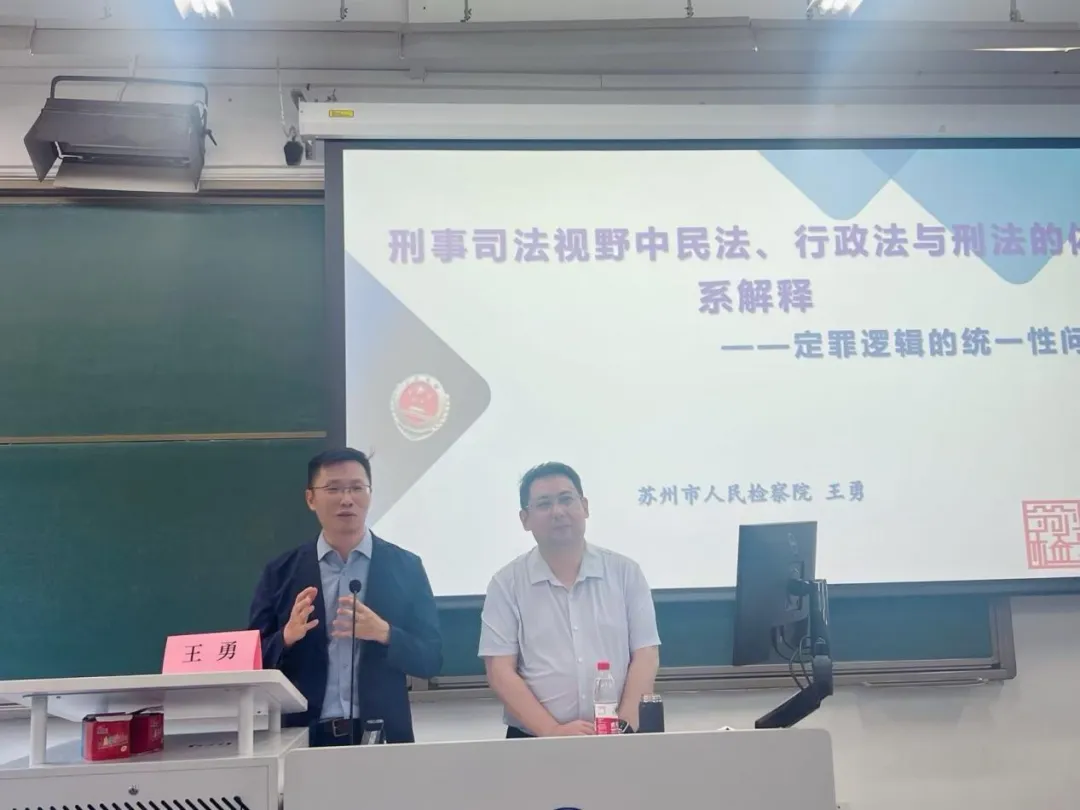
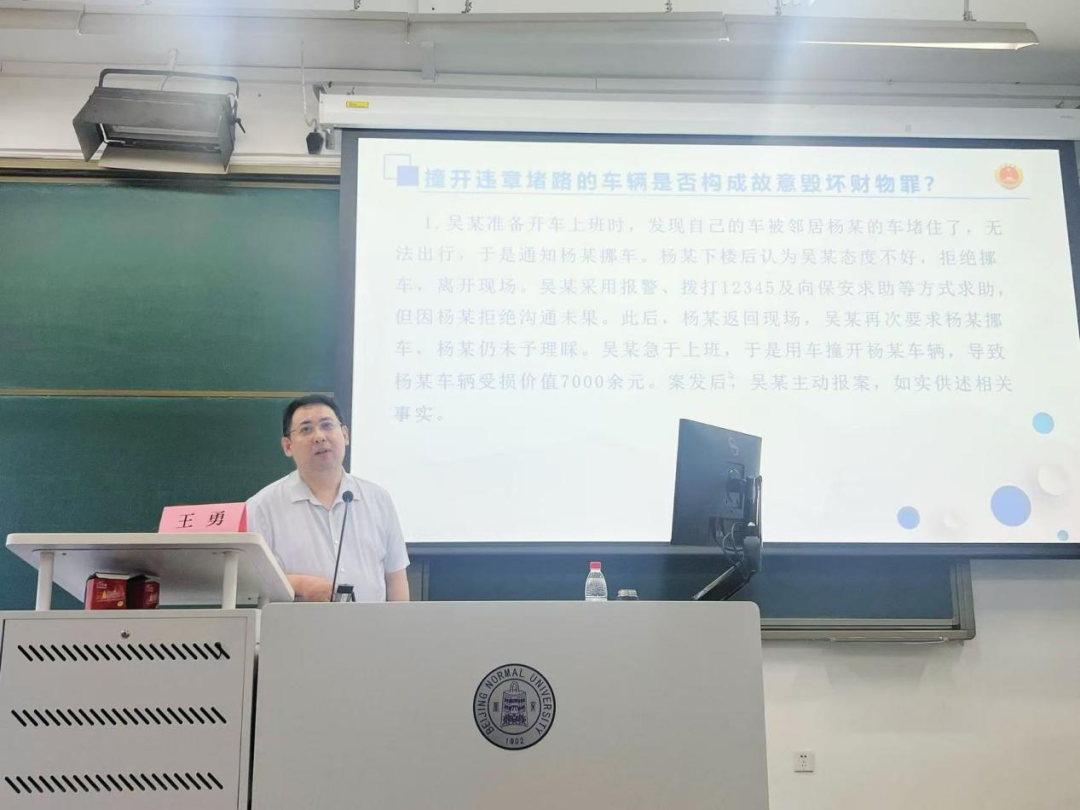
Subsequently, Deputy Chief Procurator Wang Yong delivered a captivating lecture on "Systemic Interpretation of Civil Law, Administrative Law, and Criminal Law from the Perspective of Criminal Justice." Through a meticulous analysis of a series of classic judicial cases, he profoundly expounded on the significance of integrating theory with practice and guiding practice with theory in procuratorial work. He delved into the impact of civil law on criminal cases, emphasizing that determining whether a behavior constitutes a crime hinges on assessing the existence of substantial social harm. Taking self-defense as an illustrative example, he explained that any act deemed excessive defense under criminal law would inevitably be considered excessive defense under civil law as well. Conversely, an act classified as excessive defense under civil law might precisely align with justifiable self-defense in criminal law. Regarding the influence of the scope of administrative penalties on the application of criminal law, he underscored the necessity of accurately identifying administrative crimes within the purview of administrative penalties. Given China's legislative model and the dual illegality attribute of administrative crimes, he argued that the punishment of administrative crimes must adhere to a certain hierarchical order in law. Initially, space must be allowed for administrative penalties; only behaviors that surpass the scope of administrative penalties and possess criminal unlawfulness should be evaluated under criminal law. Consequently, the scope of administrative penalties and criminal penalties should generally maintain a hierarchical and mutually exclusive relationship. Only when criminal law and administrative law each fulfill their respective roles and impose their respective penalties can a seamless connection between administrative and criminal penalties be achieved. Building on this foundation, Deputy Chief Prosecutor Wang Yong further elucidated the boundaries between administrative penalties and criminal offenses in practical domains such as drug crimes, illegal business operations, and assaulting police officers. He contended that, based on the principle of the unity of legal order, when legislating or formulating judicial interpretations concerning administrative offenses, contradictions at the legal hierarchy should be avoided. This entails first establishing the elements of illegality at the administrative law level and then setting conditions for criminalization that correspond to and connect with the higher harm level. Finally, he highlighted that the meanings of specific terms in administrative law can influence the application of criminal law. When addressing this issue, it is imperative to fully consider the protective purpose of criminal law, emphasize the supplementary nature of criminal law, be cautious of mechanically transferring administrative management standards to criminal justice, value the understanding of "national regulations," and address relevant issues concerning units in criminal law. To prevent inappropriate influences on the application of criminal law due to contradictions or incompleteness within administrative law itself, it is crucial to grasp the key concept of substantial social harm, adhere to the principle of "as I am suing," and learn to identify administrative regulations and facts in the realm of statutory offenses. For cases lacking substantial harmful results, although they may formally constitute a crime, caution should be exercised when determining guilt. Only in this manner can each case be handled efficiently and effectively, responding to and realizing the sense of justice of the majority of citizens, allowing judicial conclusions to resonate with the laws engraved in the hearts of citizens, and guiding the value orientation of society.
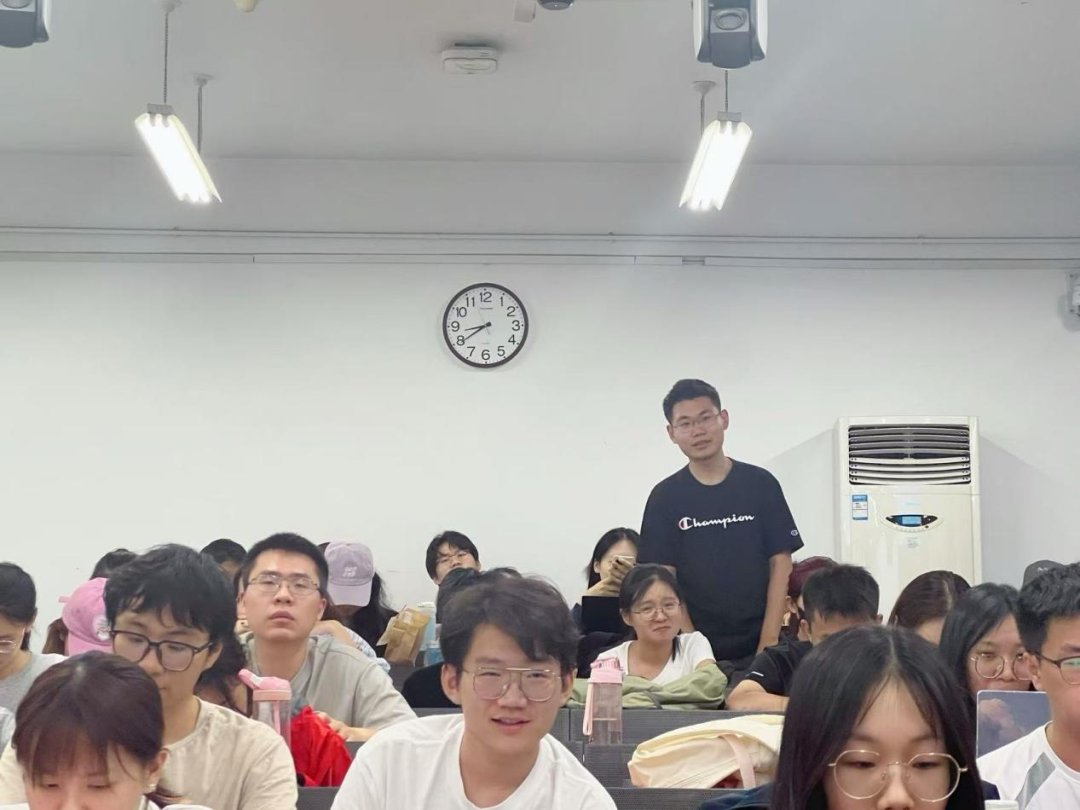
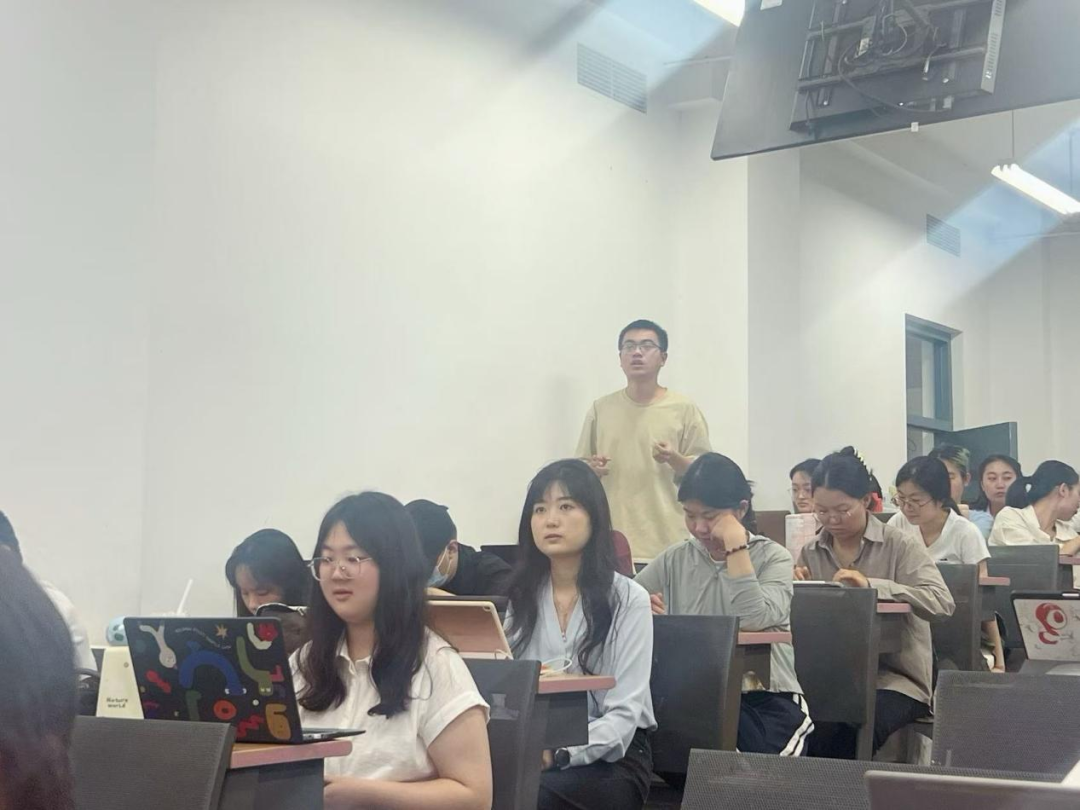
During the interactive communication session, the attending teachers and students actively engaged in discussions with Deputy Chief Prosecutor Wang Yong on issues such as the intersection of civil and criminal law and the coordination between legal departments. Deputy Chief Prosecutor Wang Yong responded to each question raised by the audience, seamlessly blending theory with practical case studies, thereby further deepening their understanding of systemic interpretation issues.
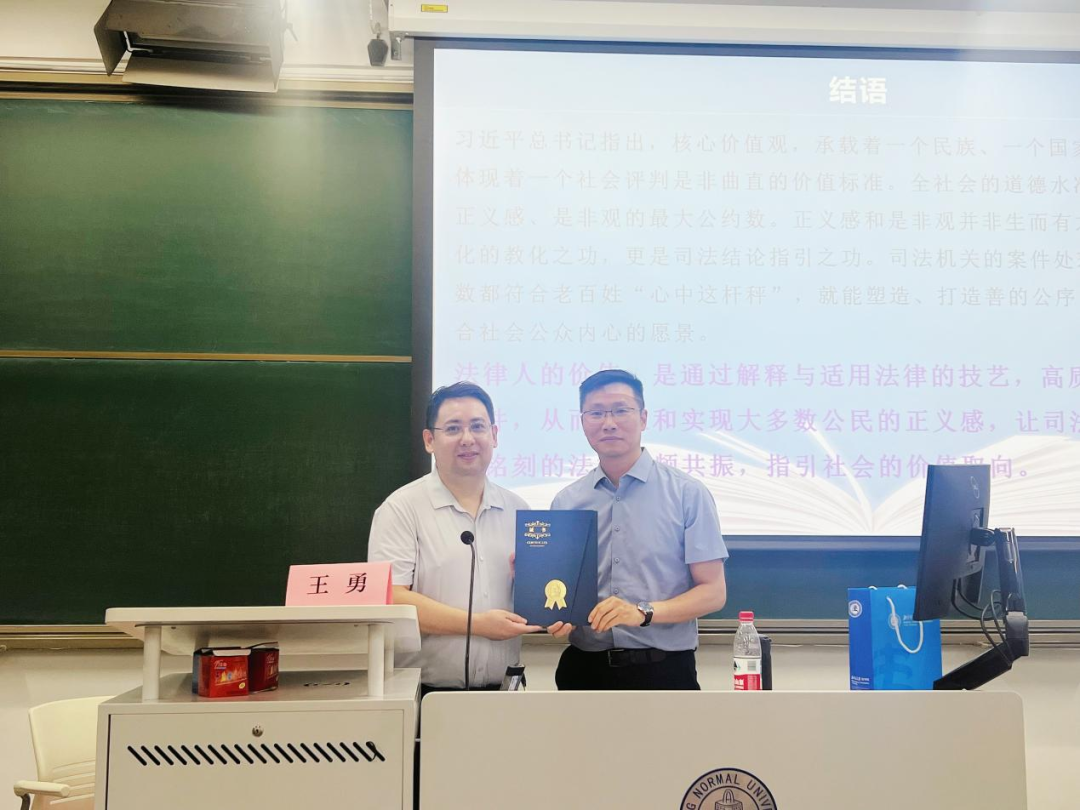
Following the vibrant and thought-provoking interactive communication session, Vice Dean He Ting stepped forward to express heartfelt gratitude on behalf of all the faculty members and students at the Law School of Beijing Normal University for Deputy Chief Prosecutor Wang Yong's outstanding and illuminating lecture. Vice Dean He Ting remarked that Deputy Chief Prosecutor Wang Yong's presentation was a treasure trove of information. It was replete with a plethora of new-type cases and classic case studies sourced from across the nation, spanning a wide array of regulations from diverse fields such as civil law and administrative law. The richness of the content was truly remarkable, providing a comprehensive and in-depth exploration of the subject matter. He Ting emphasized that when dealing with practical cases, legal professionals must adopt a multidimensional analytical approach. This involves examining cases from the perspectives of both civil law and administrative law, while also taking into account the distinction between natural offenses and statutory offenses. Only through such a comprehensive analysis can high-quality and efficient case handling be achieved, ensuring that justice is served in a fair and impartial manner. Furthermore, Vice Dean He Ting highlighted the importance of maintaining a factual approach in legal analysis. He pointed out that while artificial intelligence has made significant strides in various fields, the core value of legal professionals lies in their ability to conduct in-depth research and analysis based on facts. This human touch and expertise are irreplaceable by machines, and it is this very aspect that forms the bedrock of the legal profession. With this in mind, Vice Dean He Ting expressed the hope that students would continue to engage in in-depth thinking and reflection after class. By doing so, they could further deepen their understanding of systemic interpretation and case handling methods, equipping themselves with the necessary skills and knowledge to excel in their future legal careers. Finally, to commemorate this memorable occasion, Vice Dean He Ting, on behalf of the Law School, presented a commemorative certificate to Deputy Chief Prosecutor Wang Yong as a token of appreciation for his valuable contribution. The two then posed for a group photo, capturing the essence of this successful and enriching event. With this, the twelfth lecture of the "Experts in Prosecutorial Practice Entering Campus" series drew to a triumphant close, leaving a lasting impression on all those who attended.
Typesetting: Xu Yiyang
Editor: Shi Tianyu