

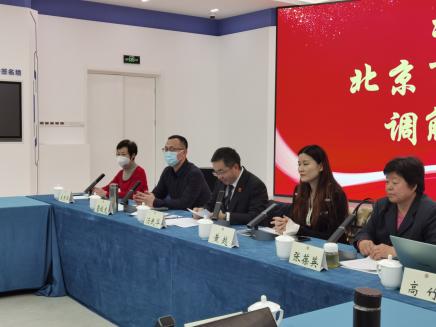
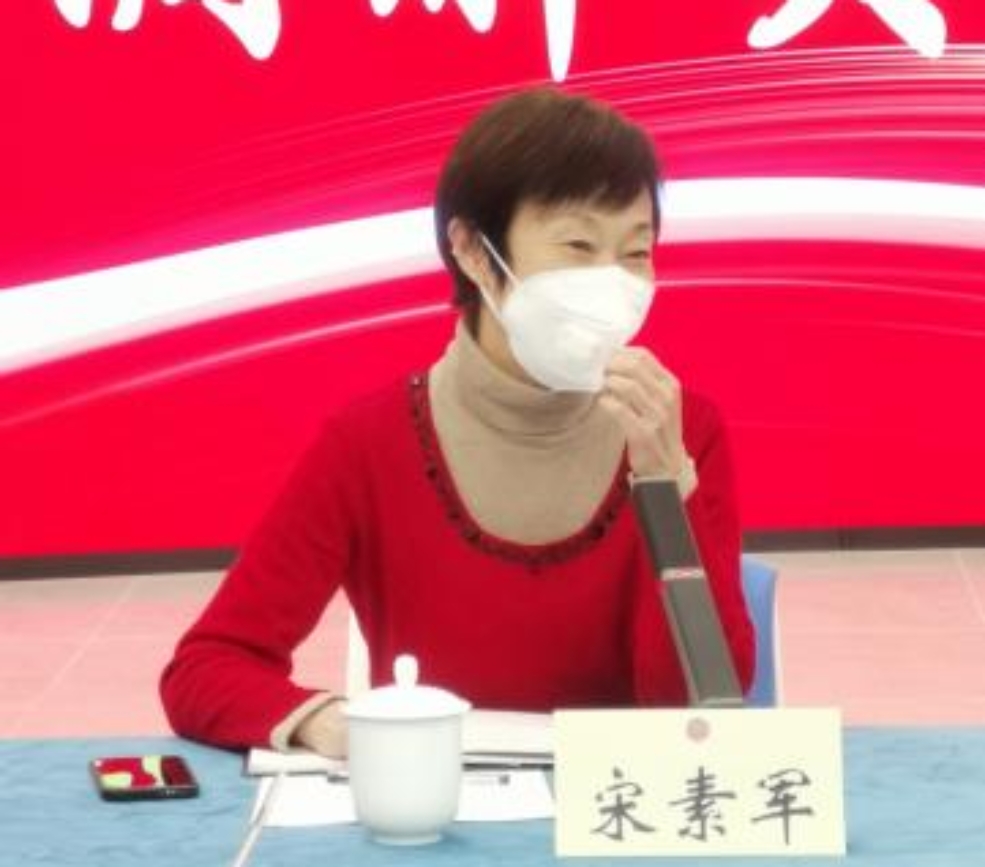
To advance a research project commissioned by the Supreme People’s Court, the Law School of Beijing Normal University and the Haidian District People’s Court jointly held a mediator seminar on the afternoon of December 25, 2024. Led by Law School Dean Liang Yingxiu, the BNU research team included Associate Professor Guo Xiang, Assistant Researcher Yang Lin from the School of Social Sciences, and several law graduate students. The Haidian District People’s Court was represented by Tang Minhua, Deputy Chief of the Case-Filing Division; Judge Huang Yue of the Administrative Division; Zhan Zhenlong, Director of the Shanda Legal Mediation Center; Gao Zhu, Secretary-General of the Center; and People’s Mediators Zhang Baoying and Song Sujun. The seminar aimed to explore strategies for strengthening the professional competence of mediators, with a view to enhancing the quality and efficiency of mediation.
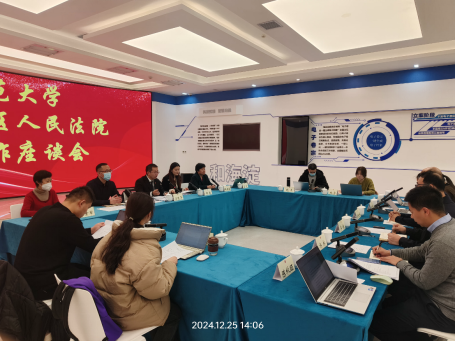
The seminar was chaired by Tang Minhua, Deputy Chief of the Case-Filing Division of the Haidian District People's Court. After extending a warm welcome to the faculty and students from the Law School of Beijing Normal University, Deputy Chief Tang briefly introduced the members attending the meeting and outlined the main agenda.
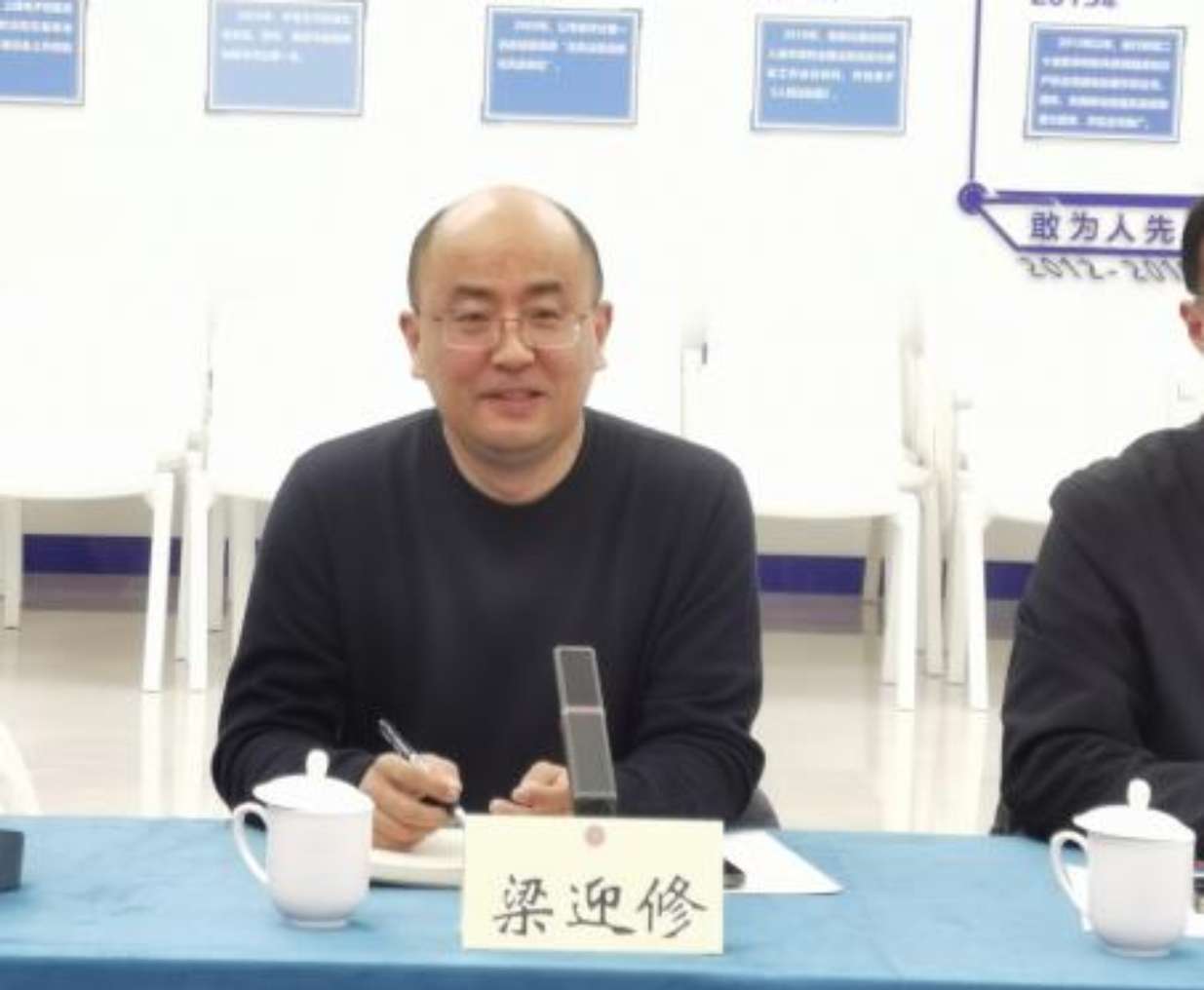
After expressing sincere gratitude to the Haidian District People’s Court and its staff, Dean Liang Yingxiu set out the background to the seminar and reported on the team’s progress to date. He explained that the core objective of the research is to gain an in-depth understanding of the daily practices of mediators working in grassroots courts, together with their training needs and experiences. Ultimately, these insights aim to provide a reference for establishing a comprehensive training system and effectively guiding the future professional development of court mediators.
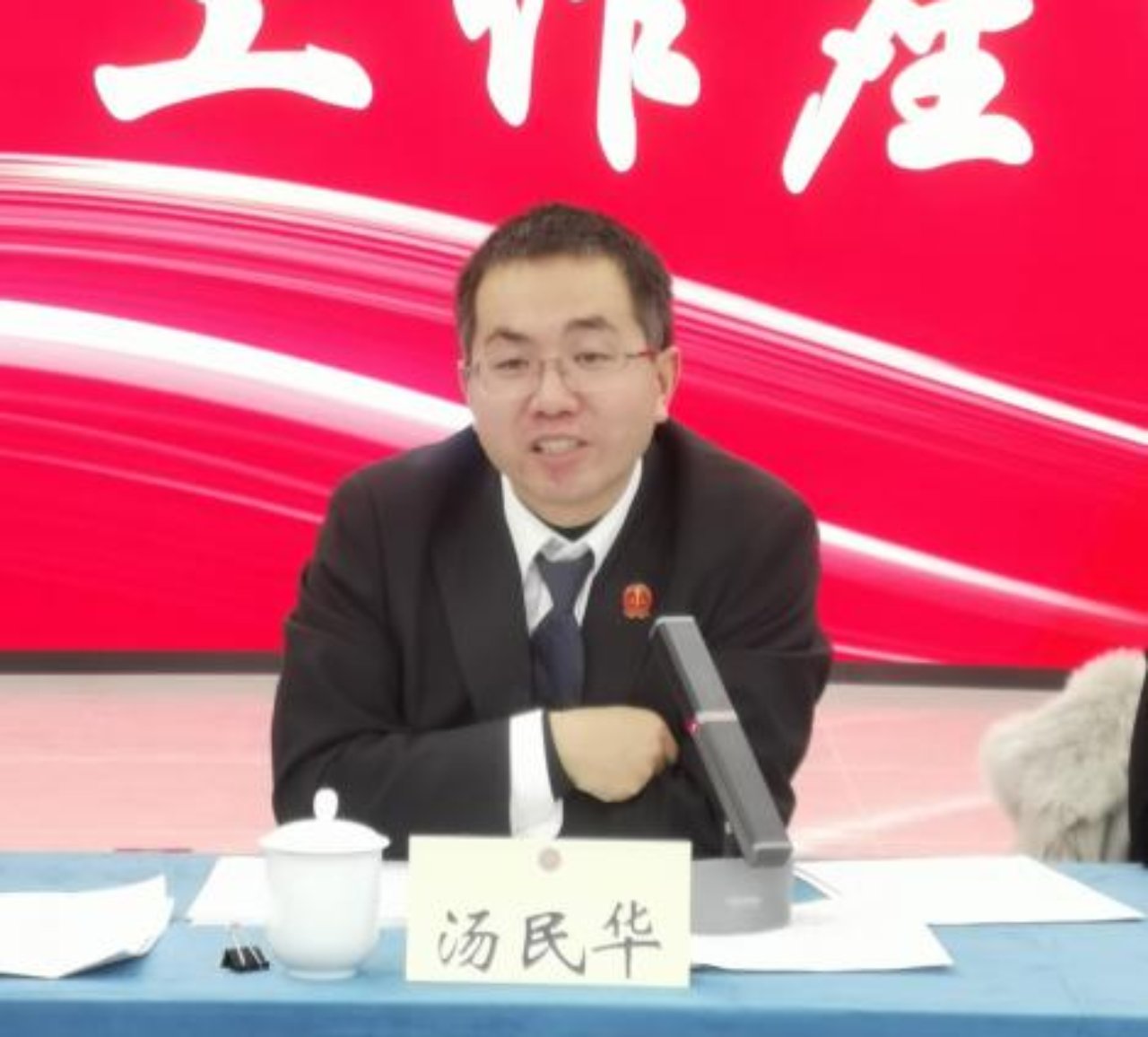
Deputy Chief Tang then gave an overview of the mediation work carried out by the Case-Filing Division of the Haidian District People's Court, focusing on the types of cases handled by the court, the mediation success rate, and the collaborative working model between internal mediators and judges.
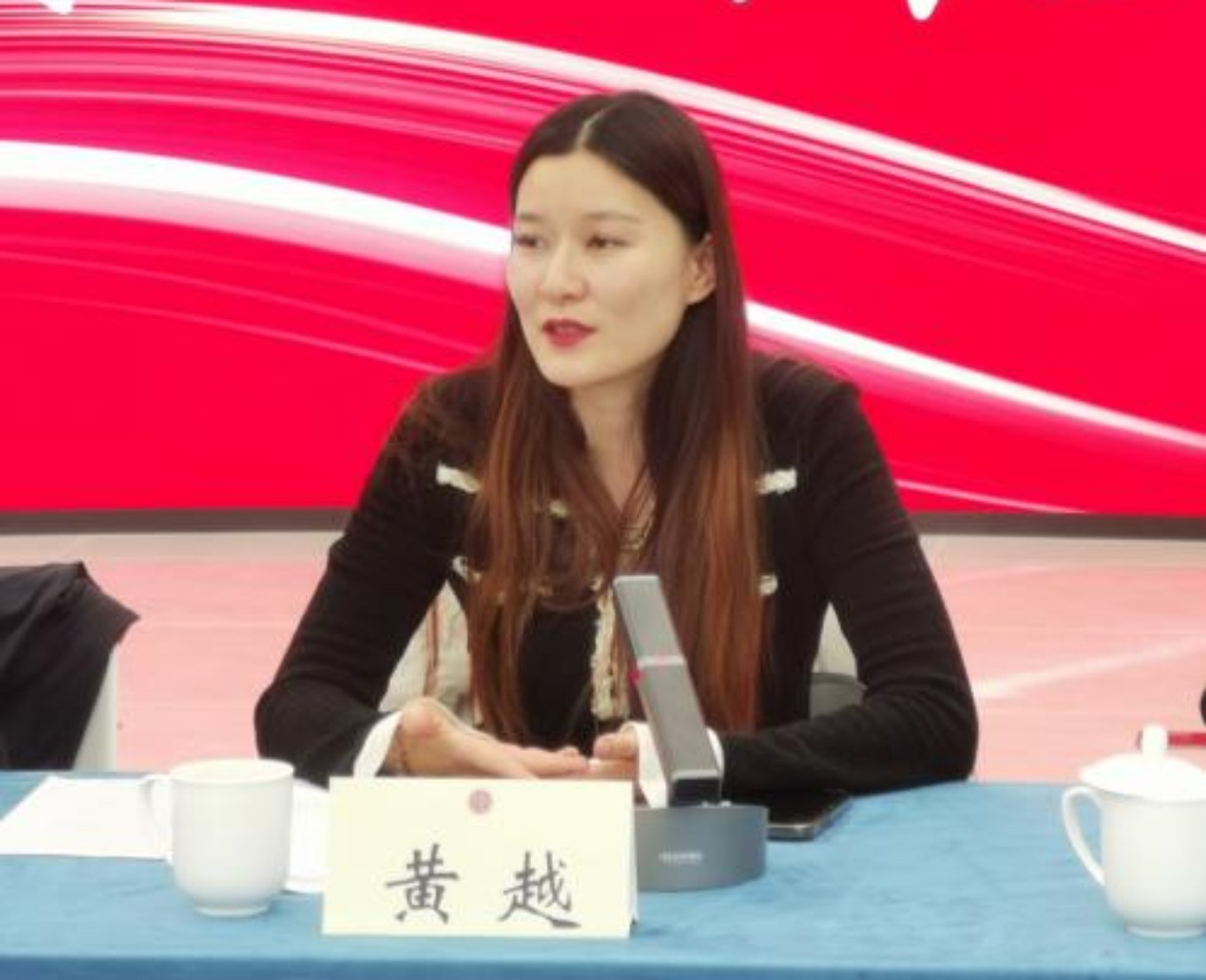
Judge Huang Yue of the Administrative Division noted the distinctive nature of administrative cases, highlighting that administrative mediation is often directly presided over by judges. She observed that such mediation currently involves two categories of cases: those falling within the scope of the Administrative Litigation Law and those outside it. For cases within the statutory scope, mediation calls primarily for a broad, policy-oriented perspective that serves the broader interests of society. Conversely, for cases outside this scope, mediation must be conducted through a coordinated, multi-party approach.
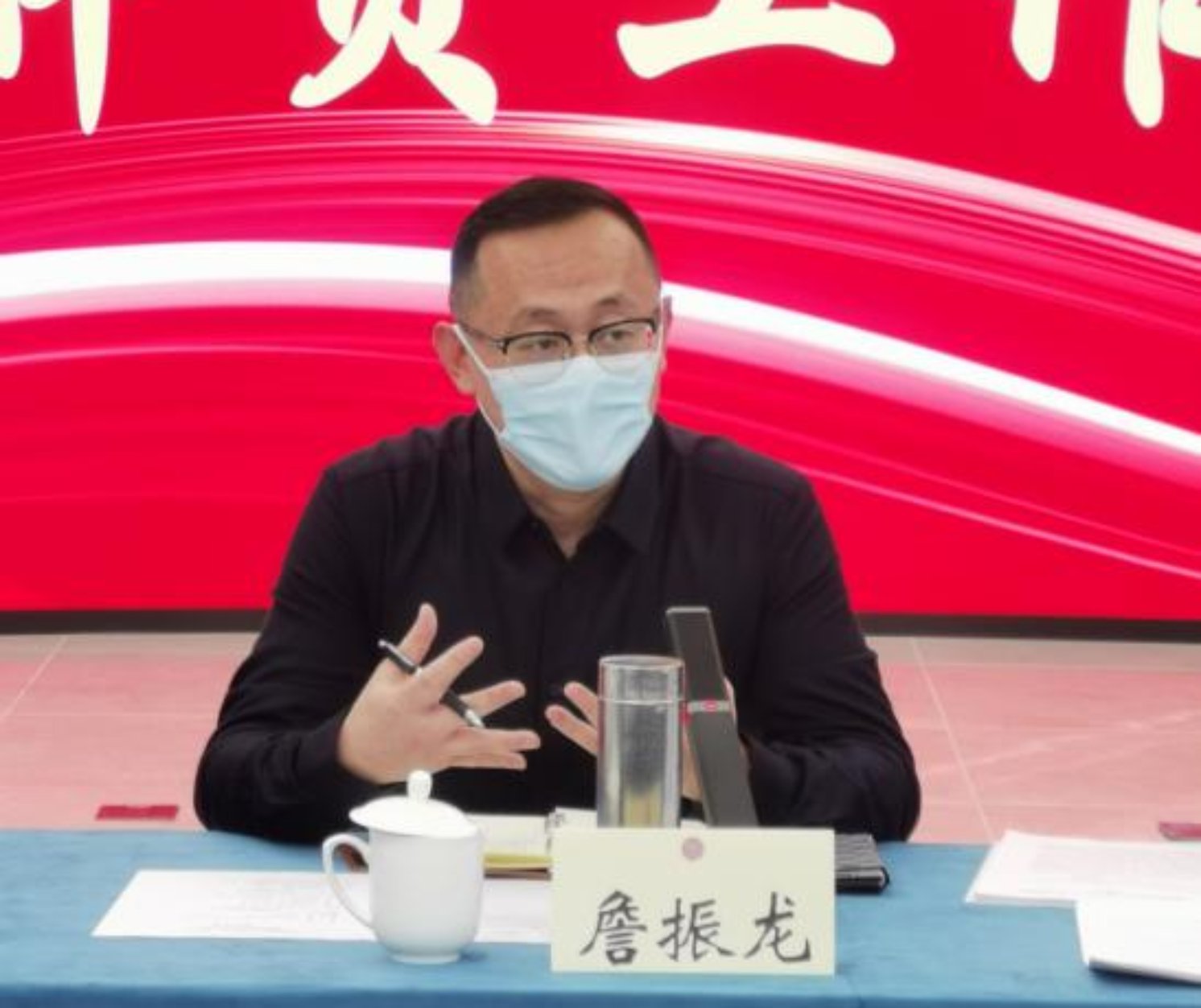
During the discussion session, Zhan Zhenlong, Director of the Shanda Legal Mediation Center in Haidian District, addressed the research team’s questions on capability development. He noted that the center’s systematic training places emphasis on developing the ability to identify the key elements and core issues of a case. Furthermore, given the distinctive nature of mediation, the center provides structured induction training from the point of onboarding. This comprehensive program covers professional ethics, moral and disciplinary standards, mediation and communication skills, document drafting, as well as political and professional responsibilities of the mediator.
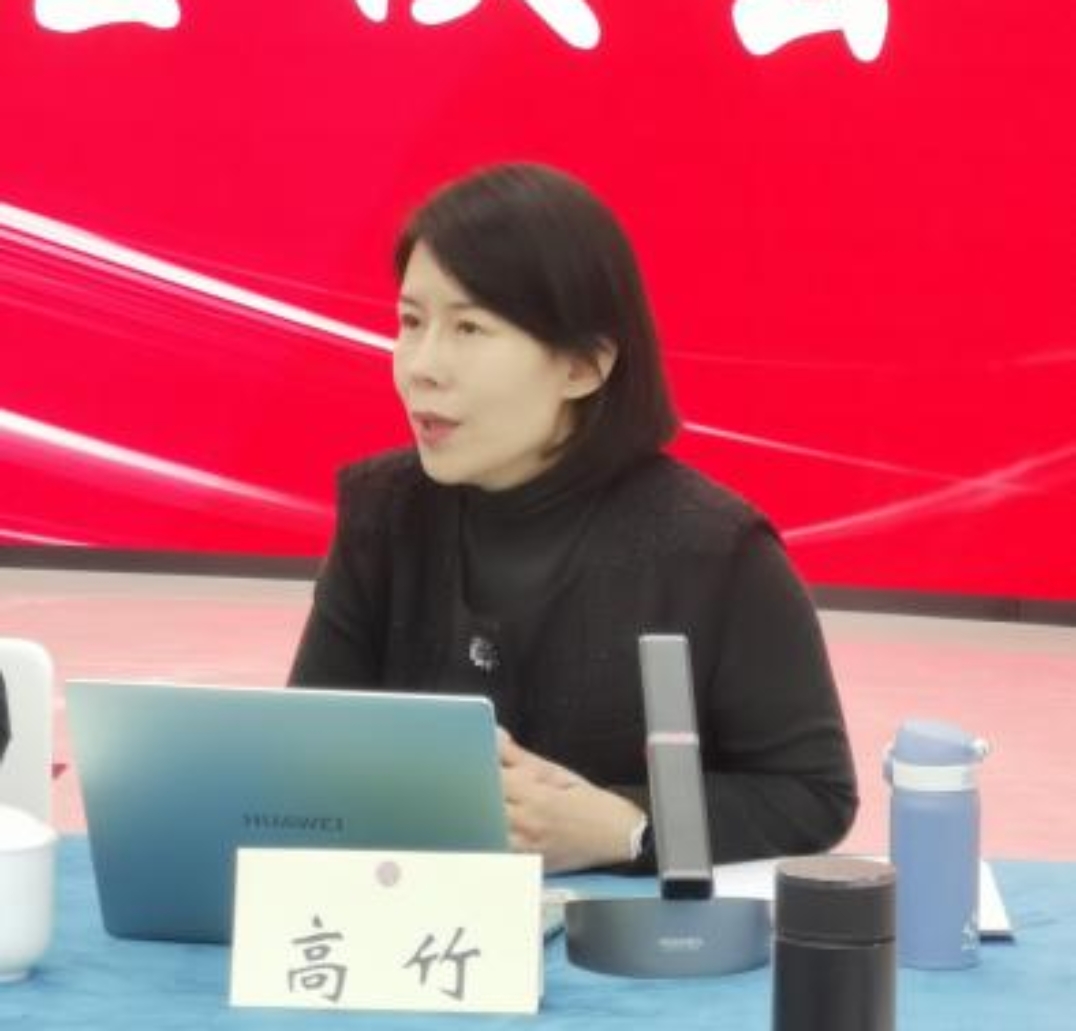
Gao Zhu, the Secretary-General of Shanda Legal Mediation Center in Haidian District , stated that the training for mediators includes four modules: first, training on trial elements based on substantive law; second, information systems and judicial documents; third, the use of OA management software within the mediation organization; and fourth, online courses developed in collaboration with the courts. Currently, the approach is mainly from the perspective of experienced mediators mentoring newcomers, aiming to enhance the collaboration between mediators and judges based on the number of mediation cases.
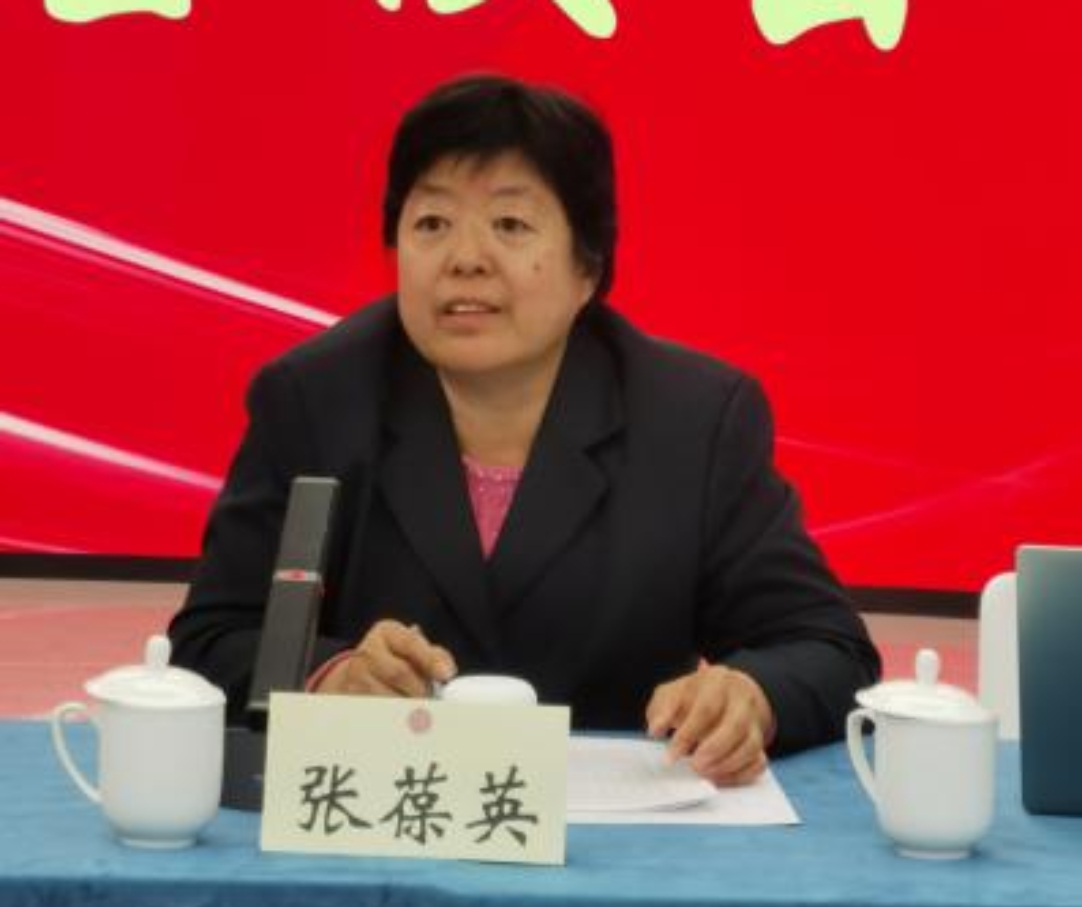
Two experienced people’s mediators shared their profound insights and practical experiences in the field of mediation, drawing upon their extensive professional backgrounds. Ms. Zhang Baoying, a retired judge, illustrated the application of mediation techniques and psychological knowledge through real-world cases involving housing transactions and family disputes. She stressed that during the mediation process, mediators must adopt a dual perspective, giving due consideration to the positions of both parties. By accurately identifying the underlying needs and bottom lines of each side while adeptly navigating their emotional dynamics, mediators can propose well-grounded solutions to more effectively facilitate the resolution of disputes.
Ms. Song Sujun, a former community worker with extensive grassroots experience, highlighted the positive impact that court-organized legal training has had on her mediation practice. To illustrate this, she drew upon property and heating dispute cases, which are frequently encountered in grassroots community work, as practical examples.
Prior to the conclusion of the meeting, Deputy Chief Tang and Dean Liang each delivered concluding remarks. In his summary, Deputy Chief Tang noted that this seminar provided an innovative direction for the mediation work of the Haidian District People’s Court, and would encourage the court to continue enriching the training formats for people’s mediators.
Dean Liang stated that the law school will continue to strengthen cooperation and communication with the Haidian District People’s Court to jointly promote the deep integration of legal education and judicial practice. Through activities such as seminars and workshops, the Law School aims to provide mediators with greater access to learning opportunities and resources , thereby contributing to further improvement in the quality of the mediation work.
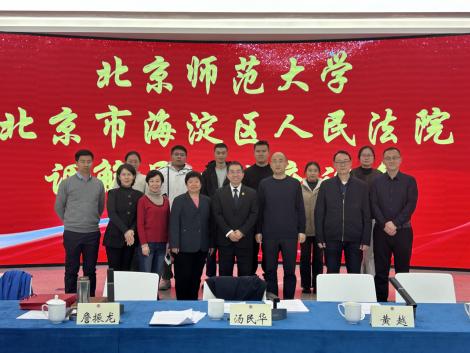
The successful hosting of this seminar has not only fostered a platform for profound dialogue between the Law School of Beijing Normal University and the Haidian District People’s Court, but also established a robust foundation for forthcoming collaborative efforts. Both sides expressed their commitment to maintaining close ties and deepening cooperative exchanges to improve the training of court mediators. Moving forward, they will jointly offer strategic insights to advance the high-quality development of the court’s “litigation-mediation connection” framework and refine the comprehensive mechanism for the multi-prevention and resolution of social conflicts.