

On July 1, 2025, to commemorate the 104th anniversary of the founding of the Communist Party of China, Beijing Normal University successfully hosted a seminar titled "Interdisciplinary Dialogue on Global Governance in the Digital Age." During this event, experts and scholars from the United Nations system, Beijing Normal University, and the University of Oxford engaged in profound discussions on pressing global issues, including the governance of conflicts between nations, cross-cultural communication, and strategies to address population aging.
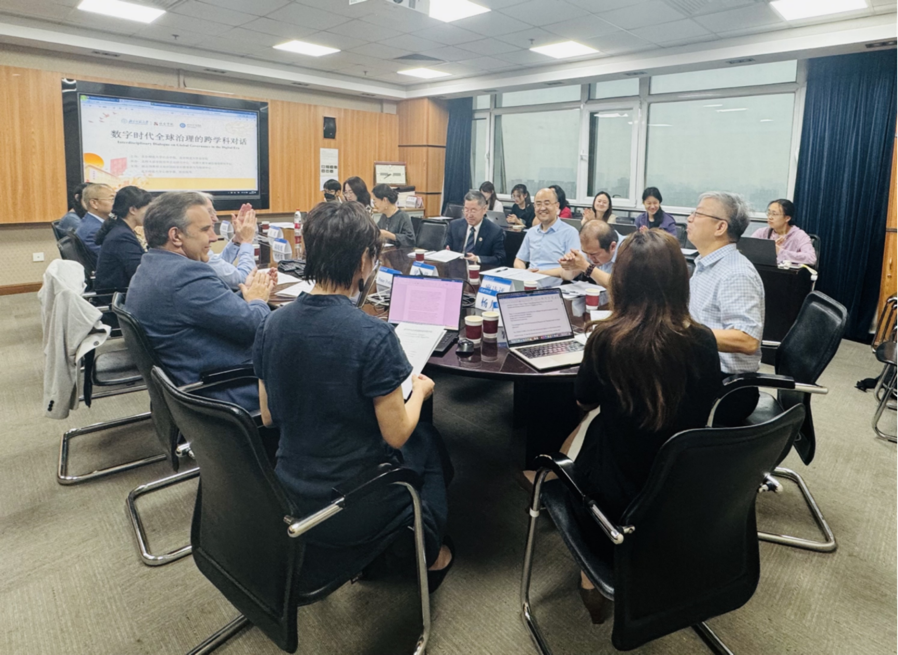
Huang Zhenzhong, Director of the Center for Foreign-related Rule of Law Research at Beijing Normal University Law School, and Zhao Qiuyan, Director of the Youth Integrity Construction Research Center at Beijing Normal University, jointly chaired the seminar. Centered on the themes of "Dialogue, Understanding, and Co-governance," the seminar featured three main topics: "International Dispute Resolution and Global Governance," "Communication between China and the World," and "Global Population Aging and Positive Perspectives on Healthy Aging." Strengthening interdisciplinary connections across the humanities, social sciences, and natural sciences to facilitate effective communication between China and the international community is advantageous for addressing numerous complex global challenges and offers unprecedented opportunities for academic innovation.
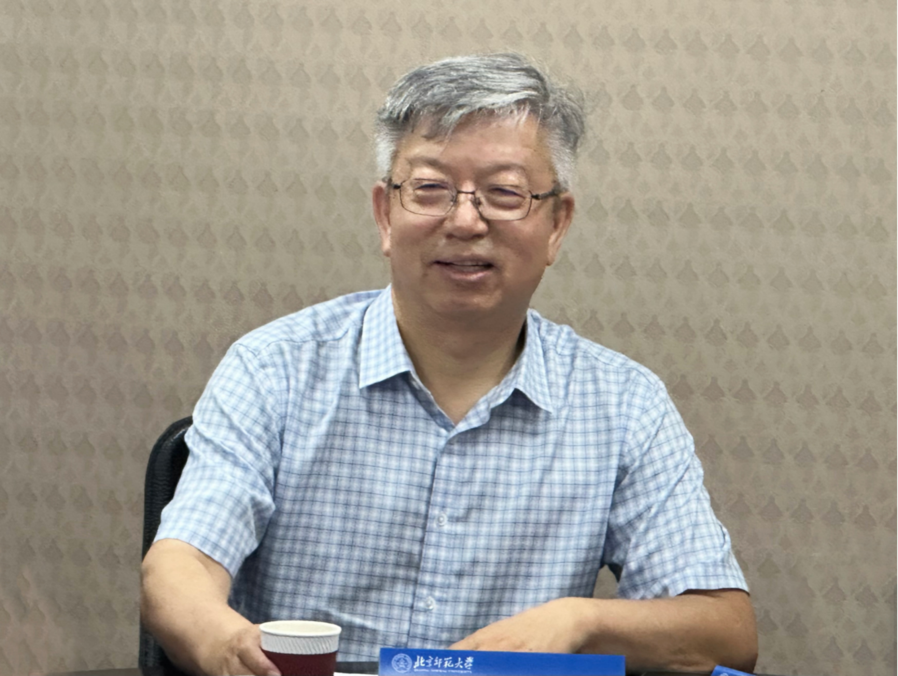
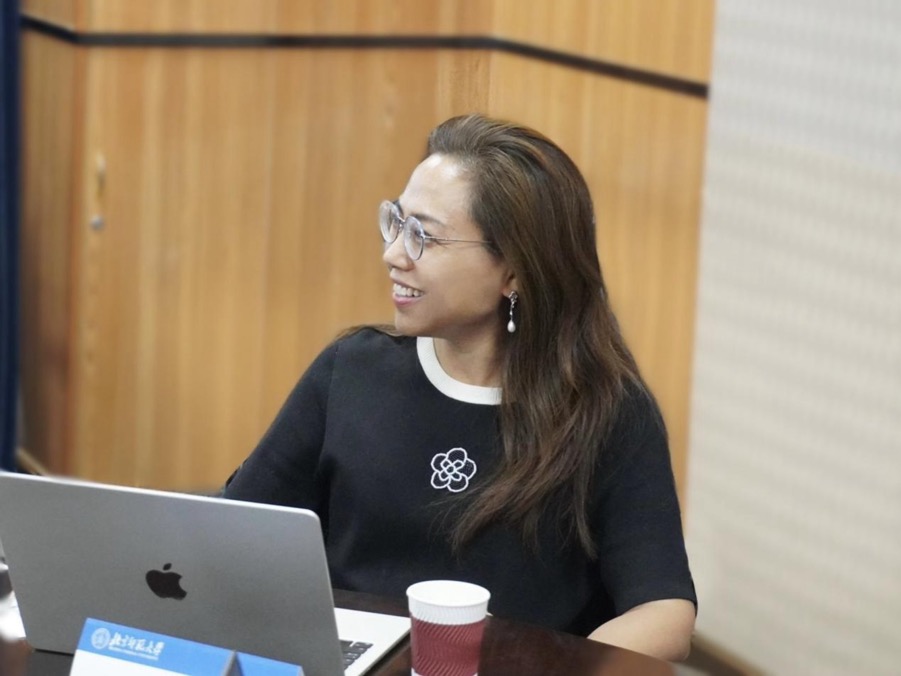
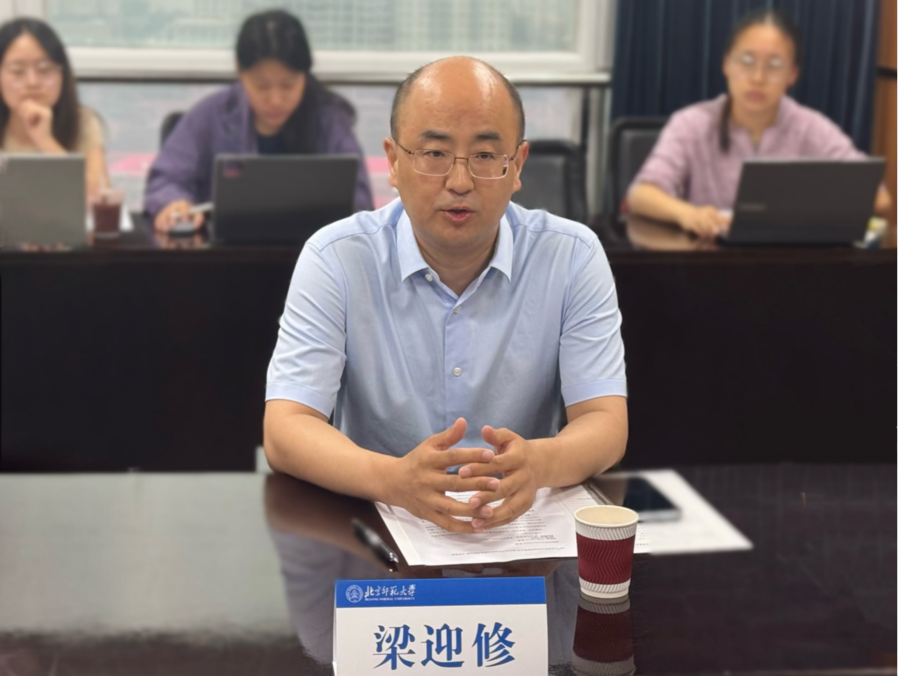
Liang Yingxiu, Dean of the Law School at Beijing Normal University, stated in his speech that the Law School has always been committed to cultivating legal talents with a global perspective and interdisciplinary capabilities. This conference was hosted by the School of Social Development and the Law School of Beijing Normal University, organized by the Center for Foreign-related Rule of Law Research and the Youth Integrity Construction Research Center, and supported by the UNESCO International Rural Education Research and Training Center, the Psychology Department of Beijing Normal University, the university hospital, and other units. It is not only a practical action to promote interdisciplinary integration and strengthen international understanding but also a beneficial exploration to build a platform for global knowledge sharing and mutual learning among civilizations.
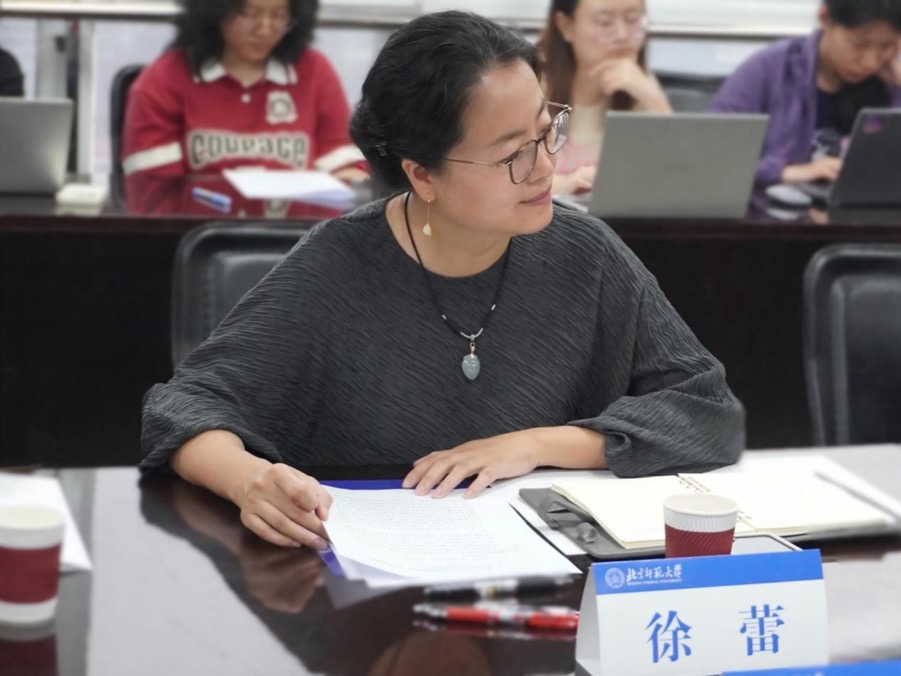
Xu Lei, Secretary of the Party Committee of the School of Social Development at Beijing Normal University, emphasized the school's longstanding commitment to interdisciplinary research and international cooperation. Focusing on critical topics such as international dispute resolution and global governance, communication between China and the world, and global population aging and positive perspectives on healthy aging, the conference aims to contribute new insights to promote interdisciplinary cooperation, serve national strategies, and address common human concerns, thereby advancing the modernization of social governance.
Theme 1: International Dispute Resolution and Global Governance
n the session on "International Dispute Resolution and Global Governance," experts engaged in dialogue around legal transformation and technological regulation in the digital age, exploring the tension and responses between national sovereignty and platform governance.
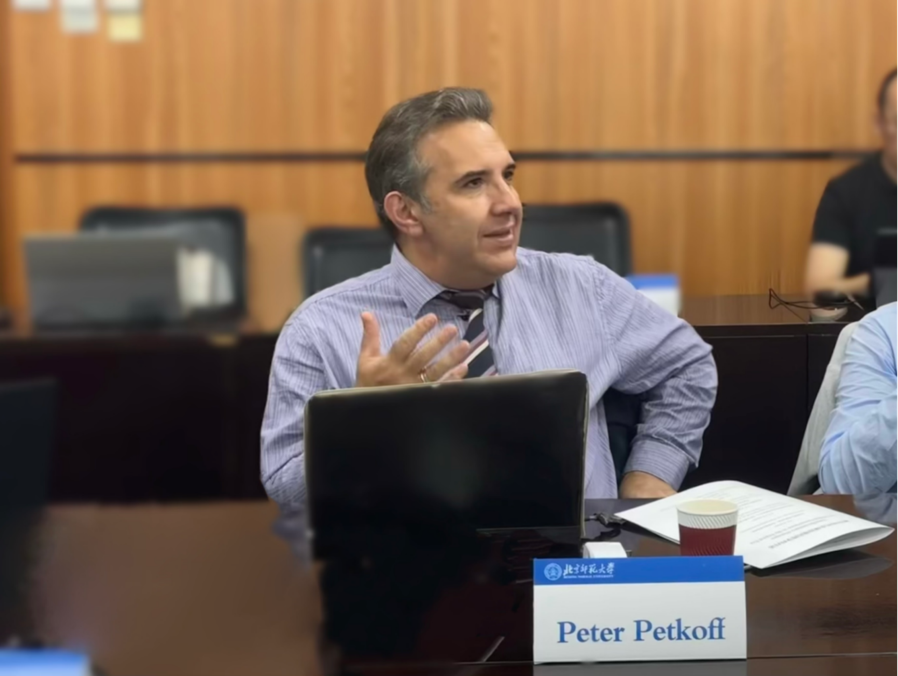
Peter Petkoff, Director of the Centre for Law and Religion at the University of Oxford, profoundly analyzed the changes in normative logic and governance ethical challenges in the digital age, urging the legal community to reconstruct legal imagination and moral compass in the face of the digital revolution. He noted that the digital age has brought unprecedented expansion of information freedom, and the 'freedom' of online culture and behavior increasingly poses a deep paradox with its norms and controls. In this process, cyberspace has evolved into a new 'digital space,' but its institutional construction often lags behind technological development. He emphasized the need to break away from the policy mindset of 'passively responding to threats' and proactively consider how to achieve public rationality, public participation, and legitimate order in digital space. Drawing from history, he noted that medieval Bologna jurists faced similar dilemmas when dealing with legal texts—how to reconcile conflicting viewpoints and reshape legal grammar. Looking ahead, today, in the face of technological changes such as AI and social media, the law is once again compelled to seek self-renewal at an 'unimaginable technological speed.' He stressed that the 'digital normative order' is not merely a regulatory tool but should also be viewed as a reshaping of legal culture and people's rights. Current policies for preventing and combating online extremism focus on 'deletion' and 'blocking,' neglecting the real root cause, which lies in the education system's failure to provide sufficient alternative narratives. The proliferation of false information is not only an information crisis but also a failure of education. If a positive public discourse cannot be constructed at the institutional and cultural levels, the digital space will slide into a 'cyber prison' rather than a 'digital society.' He called on the global legal community to confront the institutional turmoil brought about by the digital revolution, just as the reconstruction of the international legal system after World War II stemmed from the reflections and reconstructions of legal professionals. Today, in the face of the 'new grammar of law' in the digital age, the legal community must take on the historical responsibility of recreating rules.
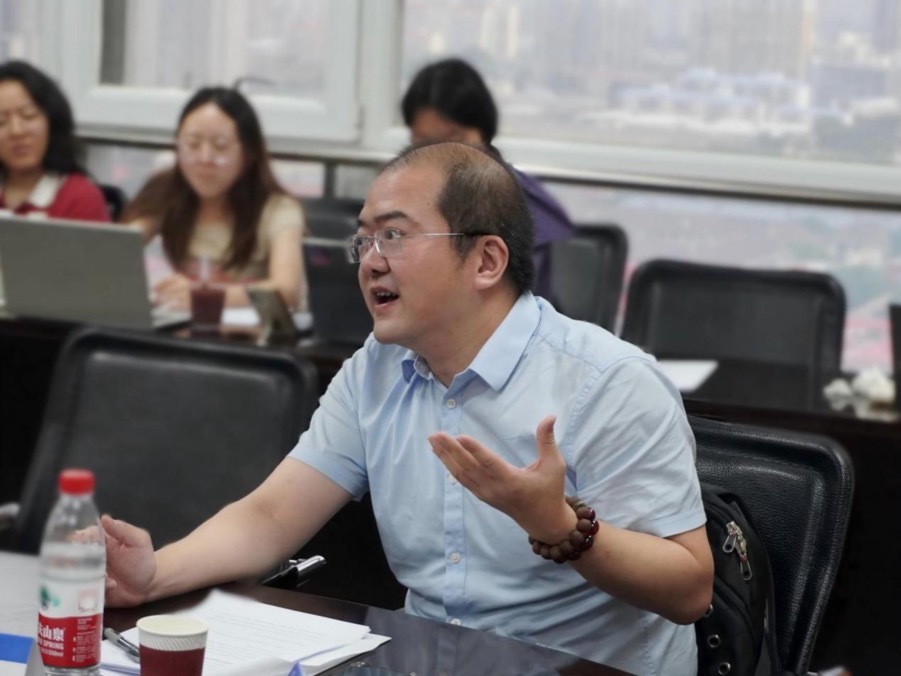
Professor Liao Shiping from Beijing Normal University Law School focused on core issues such as legal authority, power structure, normative systems, and the role of the state in the digital space, providing four systematic observations that offer a deep perspective across contexts and legal domains for understanding the legal logic of global digital governance. First, from “authoritative texts” to “decentralized rules.” Using the medieval legal system as a mirror, he pointed out that Western law at that time had clear “authoritative texts,” such as the Bible or canon law, which constituted the center of legal interpretation and operation. In contrast, the digital space is entirely different; its legal order lacks unified norms, and sometimes platform rules override national laws, presenting a characteristic of “decentralization.” This uncertainty increasingly marginalizes the role of national law in internet governance, fundamentally challenging the textuality and certainty of traditional law. Second, the “denationalization” of digital sovereignty. He cited Huawei's experience in Sweden as an example, pointing out that in the digital age, technology companies are emerging as new subjects on the legal battlefield. Third, it is necessary to standardize fragmentation and digital inequality. He further pointed out that the regulatory system in the digital space is highly fragmented, with significant regulatory differences existing among different countries, platforms, and even within communities. This inconsistency exacerbates the inequality in “information access” and “rule discourse power,” rendering marginalized groups voiceless in the digital order. Fourth, the role of the state is irreplaceable. He emphasized that despite the rapid pace of technological development, states and regions remain the primary governance forces that are irreplaceable, possessing legitimacy, enforceability, and public responsibility. Finally, he stated that governance design must balance reflexivity and foresight while being wary of the lag in institutional responses and the limitations in predicting complex human behavior, calling for a multilateral cooperative approach to address the institutional challenges of the digital age and maintain a balance between national security and individual rights. In today's context where digital power increasingly drifts beyond traditional legal domains, such cross-linguistic and cross-regulatory dialogue is timely.
The session was hosted by Associate Professor Yang Lichao from the School of Social Development at Beijing Normal University.
Theme 2: Communication between China and the World
At present, China's influence on global governance continues to grow, yet its capabilities in international communication still encounter challenges. We must not only facilitate China's more effective "going global" strategy but also emphasize cross-cultural communication and endeavor to foster greater international understanding.
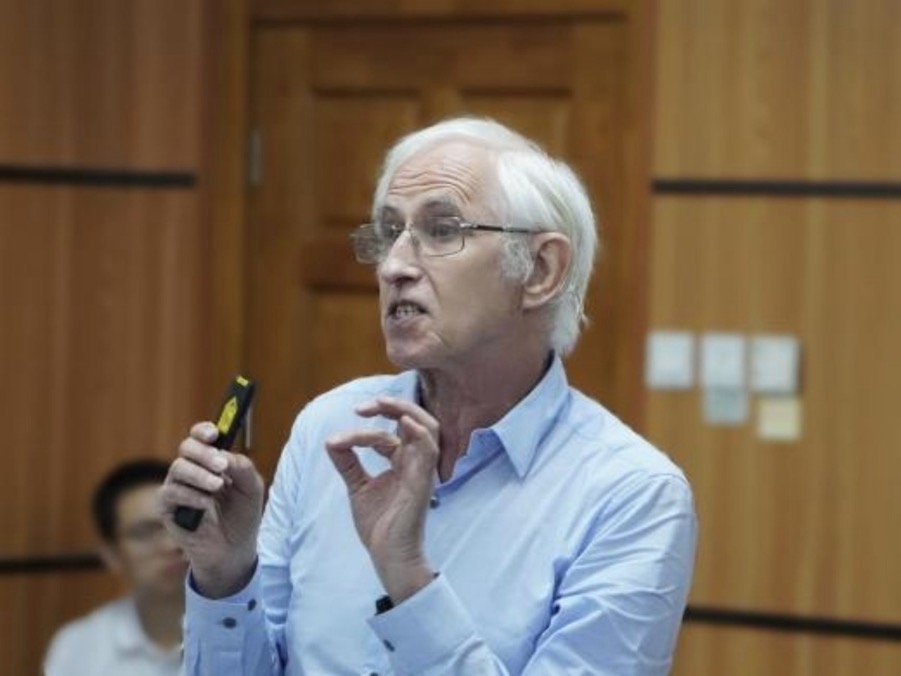
Professor Robert Walker, an emeritus professor at Beijing Normal University and the University of Oxford, conducted a systematic analysis on the issue of policy translation. He pointed out the importance of paying close attention to differences in language structure and cultural semantic misalignment to avoid potential deviations in international understanding when conveying one's own ideas. Through the analysis of widely used policy expressions such as "Lucid waters and lush mountains are invaluable assets," he revealed the fundamental differences between Chinese and English in terms of structure, semantics, and cultural frameworks. For example, English grammar requires clarity of logic and rigorous structure, while Chinese often employs poetic expressions. He emphasized that the deep cultural differences between the East and West cannot be ignored, noting that Chinese thinking prefers wholeness, relevance, and poetic expression, highlighting the flow of "meaning" beyond structure; whereas English culture tends to favor linear reasoning, clear logic, and concrete statements. To avoid the predicament of "we said it, but others do not understand," it is necessary to understand that "translation is not only a conversion of language but also a bridging of ways of thinking." He called for public diplomacy to start from the "other's perspective," recognizing that language carries cognitive structures, value preferences, and cultural logic, rather than merely being a recounting of information.
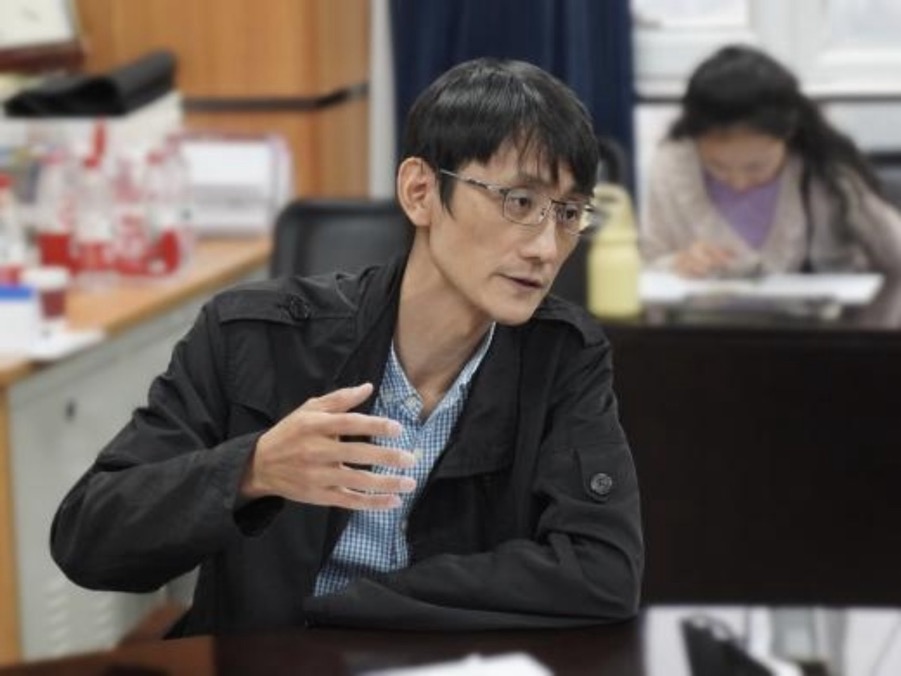
Associate Professor Zhang Han from the School of Social Development at Beijing Normal University focused on discussing the linguistic foundations of cross-cultural political communication. As a scholar engaged in political sociology research for a long time, he particularly emphasizes the important position of "conceptual equivalence" in international communication and academic research, such as the concepts of "democracy" and "political parties" having different meanings in different political contexts. If this structural tension of "same words, different meanings" is ignored, cross-national comparative research and even international dialogue will inevitably fall into misunderstanding and confusion. He further uses the historical circulation of the term "empire" as an example to reveal how concepts traverse cultures with history and power relations: this term from Europe was first adopted by Japan, and then introduced into Chinese diplomatic texts by the Qing court after the First Sino-Japanese War, used to reconstruct national positioning. This case illustrates that the concepts behind language often carry deep cultural meanings and political experiences, and cannot be simply copied. He points out that language and culture are the starting points for understanding. Even with increasingly advanced translation technology, it still cannot replace the deep learning of others' languages and cultures. He calls for political discourse in English translation to advocate for a method of "free translation + annotations" to enhance comprehensibility and improve the transparency and acceptability of political ideas in international communication. Finally, he emphasizes that acknowledging the existence of misunderstandings is the first step towards cross-cultural understanding. Truly effective international communication should start with language, delving into the underlying historical and cultural logic, in order to build a space for mutual trust and dialogue.
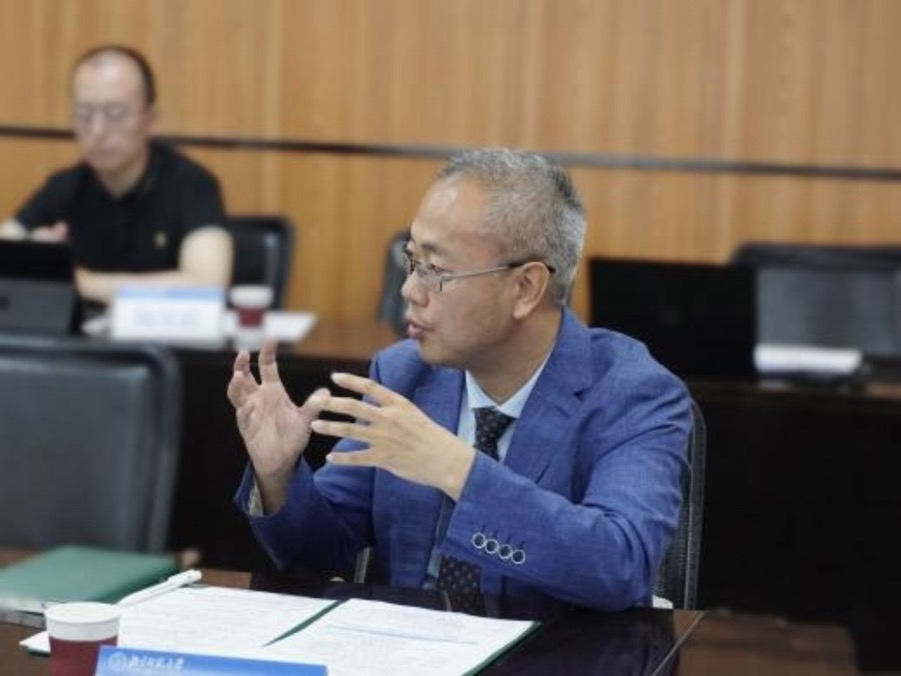
Session two was hosted by Zhao Yuchi, the Executive Director of the International Research and Training Centre for Rural Education of UNESCO.
Theme 3: Global Population Aging and Positive Aging Perspectives
The discussion on global population aging and positive aging perspectives focuses on health interventions, cognitive decline prevention, and social support systems in the context of global aging trends. It aims to explore the Chinese experience and research practices of positive aging from multiple perspectives, contributing to the future construction of a healthy society.
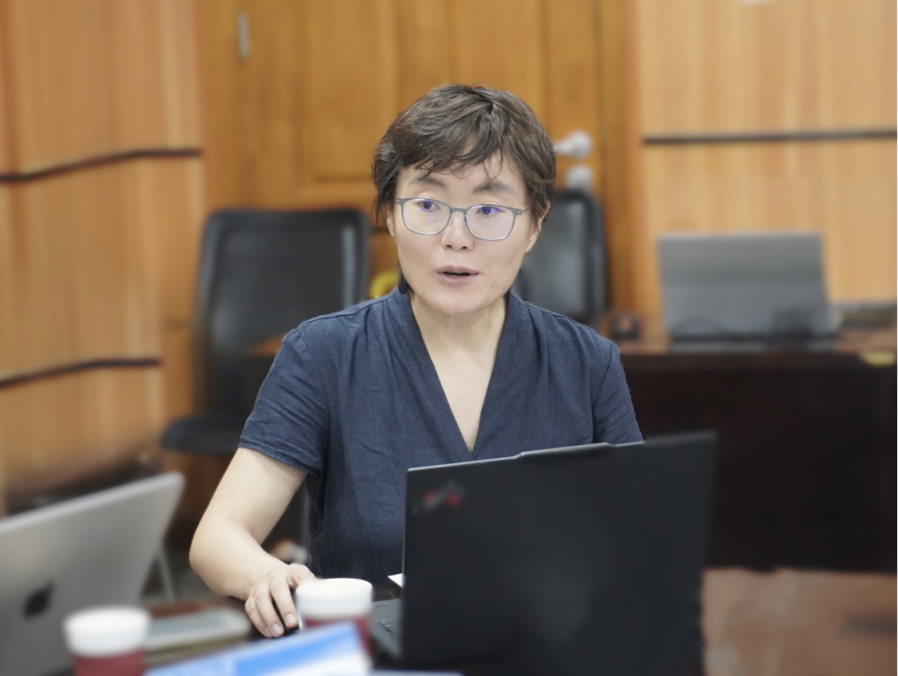
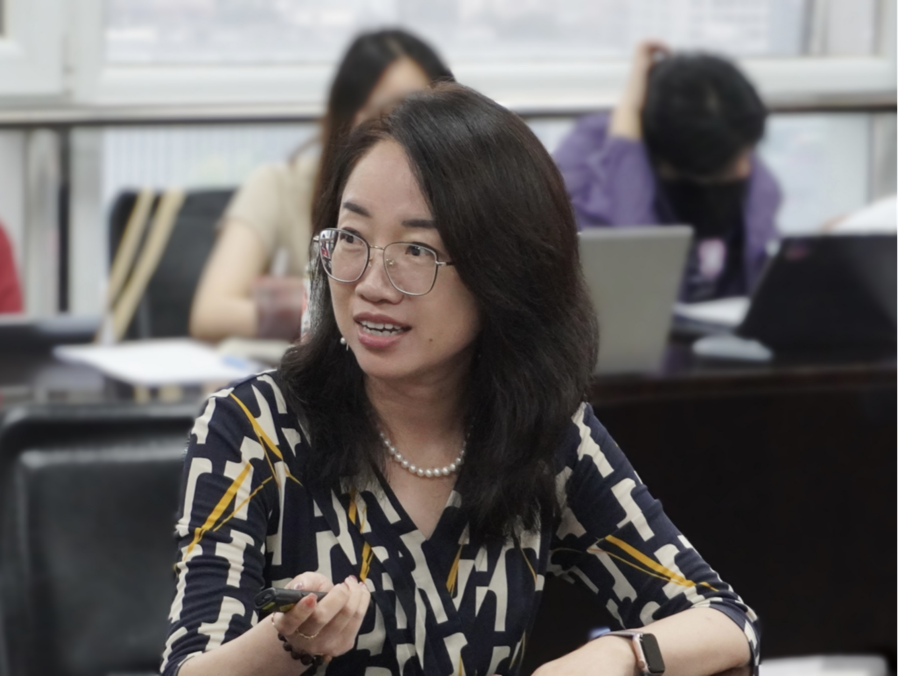
Wang Jun, Deputy Director of the Psychology Department at Beijing Normal University, spoke on "Cognitive Decline Warning and Positive Brain Health Management," systematically introducing China's research on cognitive aging and community intervention practices. She pointed out that in the face of global aging trends, China has entered a deeply aging society, where cognitive disorders, especially Alzheimer's disease, have become a significant public health challenge worldwide. Currently, about 10 million people in China suffer from Alzheimer's disease, which is irreversible and lacks effective medications, making early screening and intervention particularly crucial. The BABRI "Beijing Elderly Brain Health Program" is one of China's earliest community cognitive cohort studies, having tracked over 10,000 individuals since 2008, collecting multidimensional data on cognitive function, imaging data, lifestyle, and more, to establish a localized elderly brain health database. This aims to reveal the mechanisms of brain aging and cognitive disorders, explore factors affecting brain health, and assess the brain health levels of the elderly in China. The research proposed the hypothesis of "frontal lobe preservation and temporal lobe damage." It also developed a digital cognitive training platform to delay cognitive decline in community elderly individuals and enhance their brain health levels. The brain health check-up technology developed based on the BABRI study has been applied in Beijing's public health projects for seven consecutive years and has expanded to multiple provinces and cities across the country. She emphasized that only by establishing a brain health management system that includes collaboration among families, communities, and hospitals, and by building an interdisciplinary support platform for healthy aging, can we better assist the elderly in achieving a truly successful cognitive aging and a positive and happy later life.
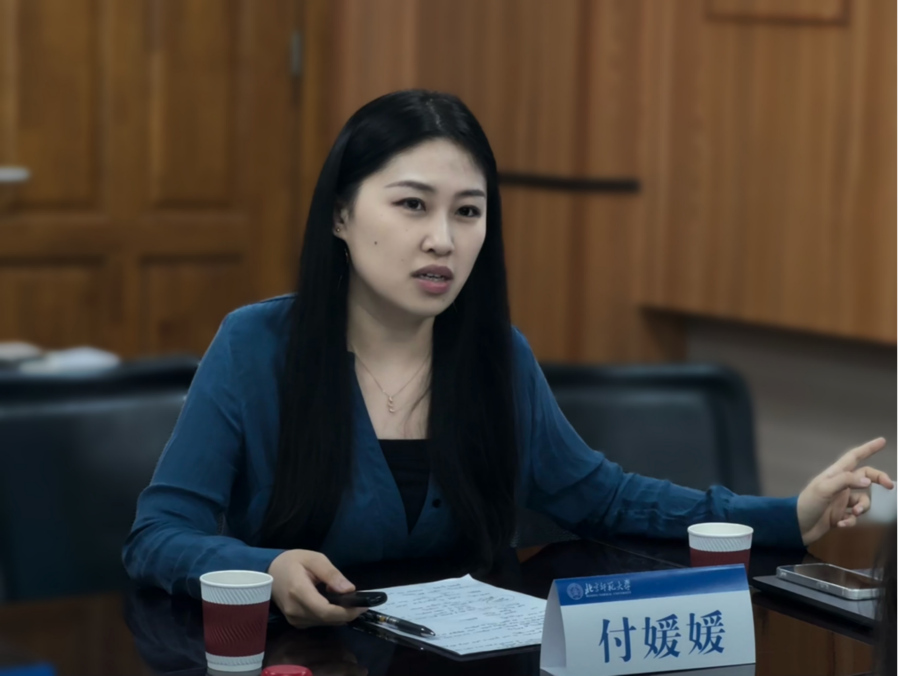
Associate Professor Fu Yuanyuan from the School of Social Development at Beijing Normal University systematically analyzed the interaction mechanisms between Chinese elderly people's participation in diverse environments and their mental health based on multiple empirical research findings. The research explored four directions: the diverse patterns of social participation among the elderly, changes in social interactions against the backdrop of family structure transformation, the construction of community environments from the perspective of age-friendly environments, and the characteristics of emotional state changes in the daily lives of the elderly. Based on the detailed analysis of key elements such as social participation, social environment, physical environment, and mental health, she constructed a theoretical model and validated it using empirical research methods, subsequently proposing several concrete ideas and suggestions for positively addressing population aging.
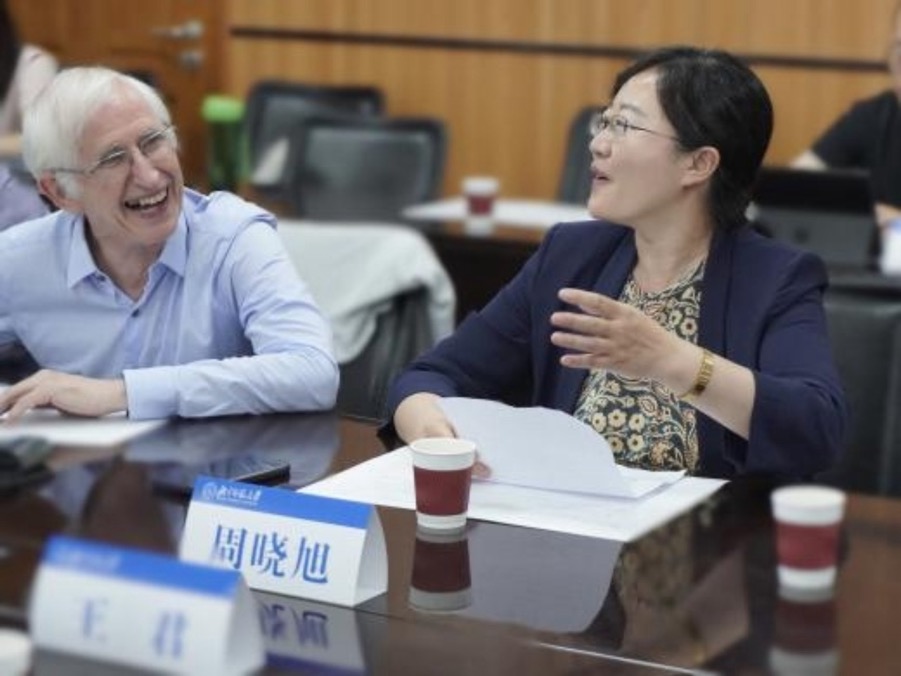
Session three was chaired by Zhou Xiaoxu, Secretary of the Party Committee of the University Hospital at Beijing Normal University.
Summary Speech
In the closing session, Zhou Zuoyu, Deputy Director of the University Affairs Committee at Beijing Normal University and Director of the UNESCO International Research and Training Centre for Rural Education, synthesized the conference's core themes and future challenges through seven guiding principles: "Think the Unthinkable, Do the Undoable, Know the Unknowable, Regulate the Unregulable, Communicate the Uncommunicable, Translate the Untranslatable, and Solve the Unsolvable." This framework resonated strongly with the attending experts and scholars from China and abroad, earning their praise and bringing the interdisciplinary dialogue to a conclusion that was both philosophically profound and action-oriented.
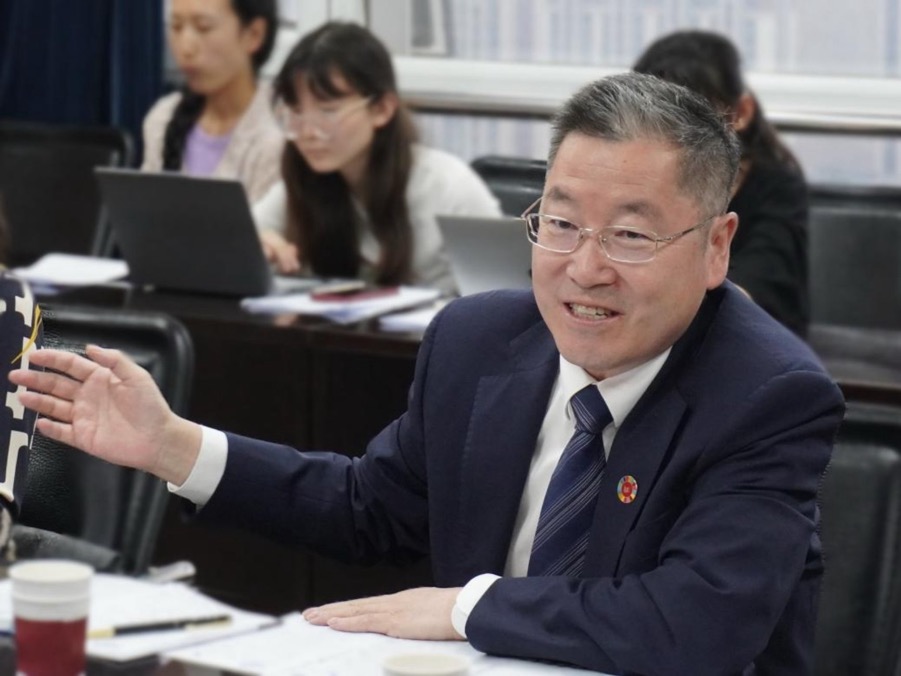
First, Think the Unthinkable: Expand cognitive boundaries through multidisciplinary communication, making previously unimaginable topics thinkable and debatable. Second, Do the Undoable: Break through the limitations of inertia and capability, taking steps that seem 'impossible'; this seminar is a vivid practice of 'turning the impossible into the possible'. Third, Know the Unknowable: In the face of uncertainty and misinformation in the post-truth era, maintain rational judgment and value adherence. Fourth, Regulate the Unregulable: Global governance faces challenges of regulatory gaps, and order can only be rebuilt through moral consensus and multilateral cooperation. In response to the discussion on global cyberspace governance that day, he pointed out that the governance challenges of the "anarchy" in the digital society need to be addressed with moral consensus and institutional innovation. Fifth, Communicate the Uncommunicable: How can people from different cultures and backgrounds achieve true communication? Only a common foundation of humanity can foster trust. He emphasized that the commonality of humanity lays the foundation for cross-cultural understanding. At the same time, he advocated for integrating the "moral compasses" of various countries into a common value coordinate for humanity, injecting an ethical foundation into multilateral governance. Sixth, Translate the Untranslatable: The limitations of language cannot hinder the transmission of ideas; cross-cultural understanding must be achieved through expressions that are closest to the context and culture. He emphasized that "Translate the Untranslatable" is not just a technical issue, but also involves context, logic, history, culture, and even political cognition. Seventh, Understand the Ununderstandable: Continuously broaden your horizons and approach those seemingly difficult-to-understand positions and viewpoints with goodwill and an open mind.
He emphasized that multidisciplinary knowledge is about breaking down professional barriers and knowledge gaps, ultimately achieving understanding and connection in the shared destiny of humanity. Using the metaphor of "blind men touching an elephant," he pointed out that the significance of interdisciplinary dialogue lies in "sitting together, sharing perspectives, and collectively reaching the truth"; understanding and co-governance are not distant ideals, but rather a process that requires continuous investment and sincere communication. He certainly acknowledged the contributions of multidisciplinary experts, encouraged the participation of young scholars, and expressed expectations for China to play a greater constructive role in global governance.
The theme seminar on "Interdisciplinary Dialogue on Global Governance in the Digital Age" facilitated in-depth discussions on critical issues, including international dispute resolution, China's global communication, and the global aging population. Spanning dimensions such as law and technology, culture and communication, and social support, the event showcased a dynamic exchange of ideas across disciplines and contexts. Participants expressed that the conference not only broadened their academic horizons but also deepened their appreciation for the unique value of interdisciplinary dialogue in fostering cooperation. By providing a practical platform for multidisciplinary integration, the conference injected new intellectual vitality into the global discourse on Chinese experiences, reflecting a shared commitment to institutional mutual learning, value resonance, and academic collaboration.