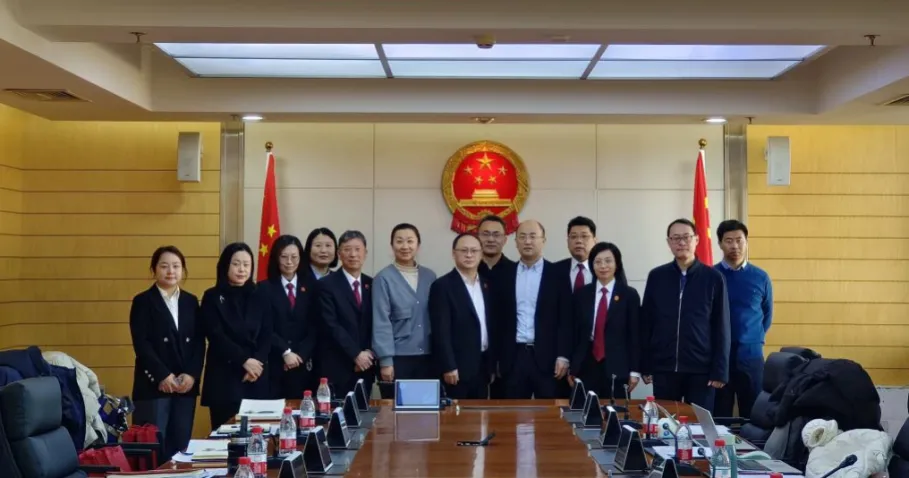
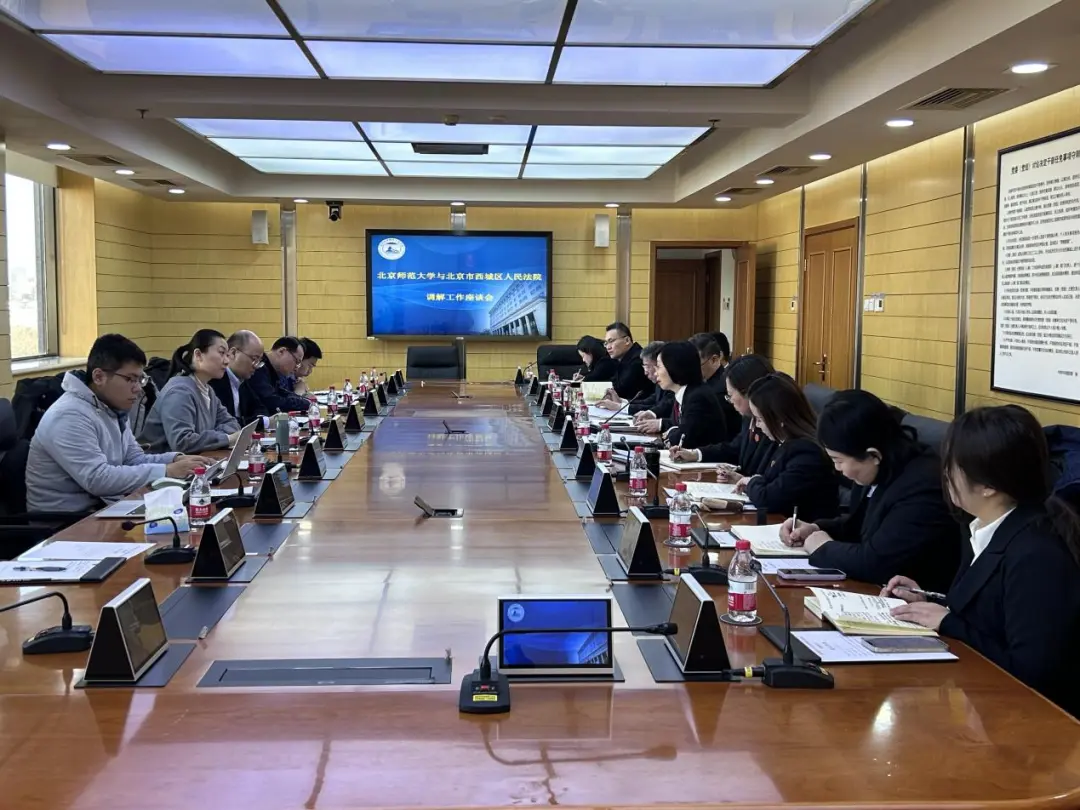
To further advance the research project commissioned by the on the comprehensive governance of social conflicts and disputes at the People’s Court, the Beijing Normal University research base held a seminar on court mediation work on the morning of January 3, 2025, at the People’s Court of Xicheng District. The seminar was led by Professor Liang Yingxiu, Dean of the Law School at Beijing Normal University, and attended by Associate Professors Guo Xiang and Tang Can, Assistant Researcher Yang Lin from the School of Social Sciences, and several graduate students from the Law School. Zhang Hui, Deputy Director of the Political Department of the People’s Court of Xicheng District chaired the seminar. Also in attendance were Qin Xuewei, Chief Judge of the Case-Filing Division; Judges Zhao Hai, Zhang Ying, and Xie Jiangjun of the Mediation Affairs Management Group; judicial assistant Gao Yuan; Judges Zhao Ning and Pei Liran from the Summary Procedure Court; as well as people’s mediators Hu Zunfeng, Wang Rong, Hu Shasha, and Wang Jiangjiang.
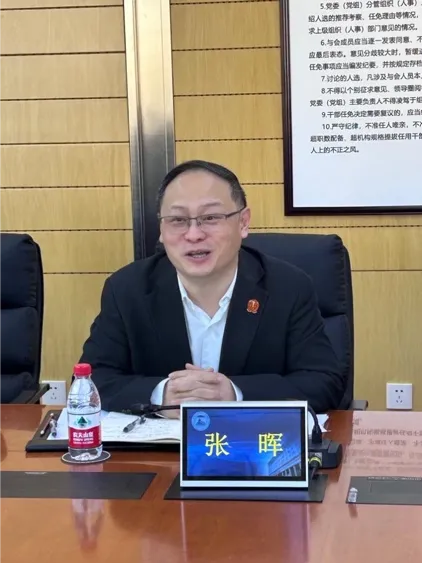
Deputy Director Zhang Hui extended a warm welcome to the faculty and students from the Law School of Beijing Normal University, and briefly outlined the agenda and introduced the attendees of the meeting.
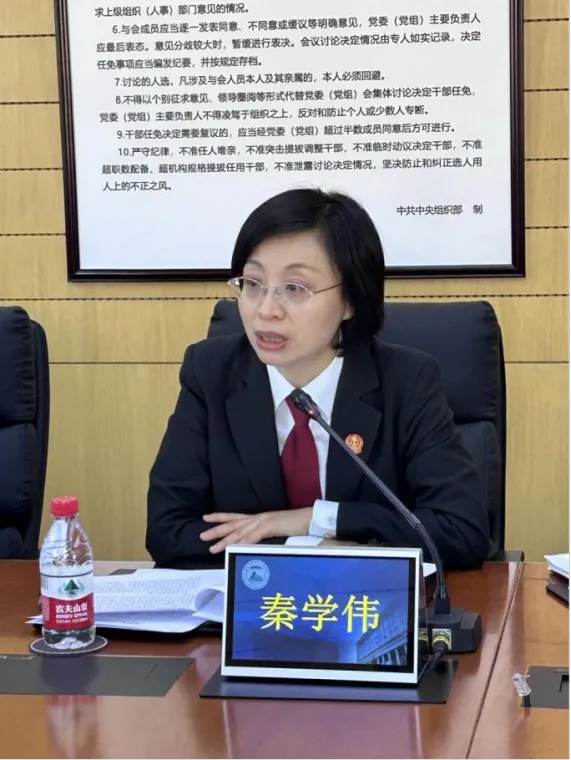
Chief Judge Qin Xuewei outlined the practical work of the People’s Court of Xicheng District as a demonstration court for the “Fengqiao Experience.” He stressed the importance of responding to grassroots concerns through the 12368 judicial hotline, resolving disputes at the community level, and implementing a “bring in and go out” model for litigation-mediation coordination. This approach effectively establishes a synergistic linkage with local sub-district offices and mediation organizations.
Judge Zhao Hai of the Mediation Affairs Management Group shared the achievements and experience of the People’s Court of Xicheng District in mediation work, with a particular focus on the successful model of pre-litigation mediation. He noted that the court took the lead in establishing a pre-litigation mediation working group and collaborated with the Judicial Bureau to actively promote mediation across the community. Through systematic training and professional guidance for mediators, the court successfully achieved full coverage of mediation and integrated the management of mediators into the court’s overall training system.
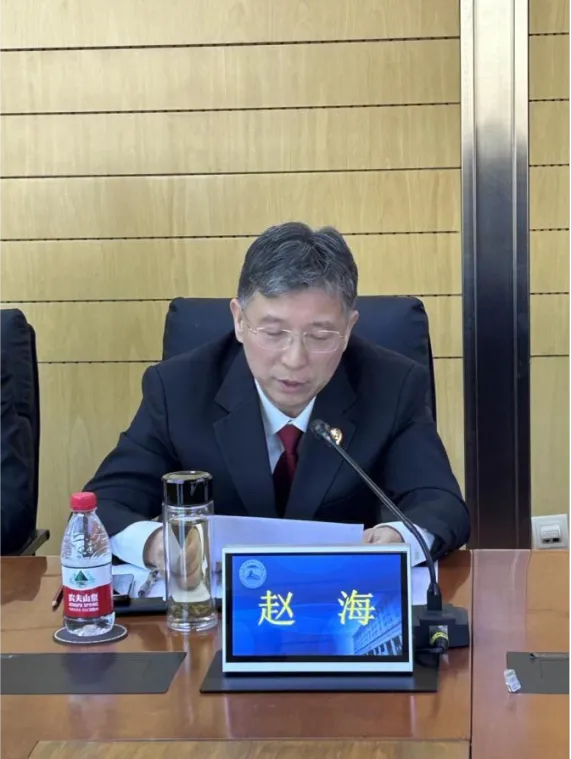
Judge Zhao Ning from the Summary Procedure Court shared experiences in mediating emerging categories of disputes, suggesting that mediation competence should be strengthened by drawing on leading cases and model judgements, alongside targeted training in psychological and professional knowledge.
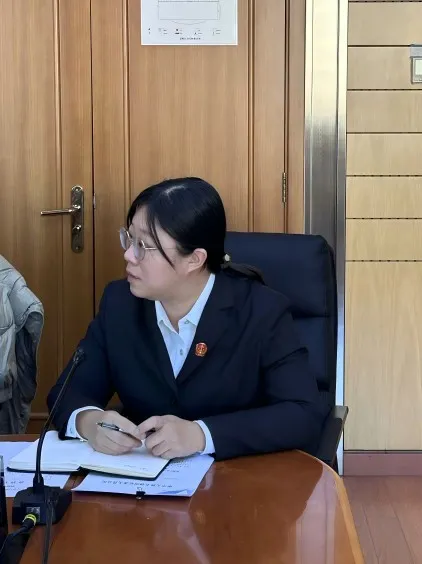
Judge Pei Liran from the Summary Procedure Court emphasized the importance of managing the emotions of the parties and providing appropriate guidance in family mediation, and highlighted the need to ensure case processing efficiency through exhaustive use of available service methods s.
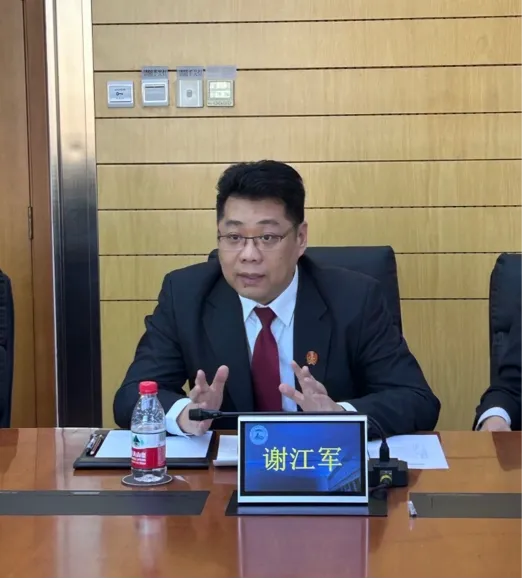
Judge Xie Jiangjun from the Mediation Affairs Management Group introduced the selection criteria and professional composition of the mediator team, noting that the success rates tend to be higher in marriage and family cases and, private lending disputes, and lower in cases involving intellectual property and labor disputes.
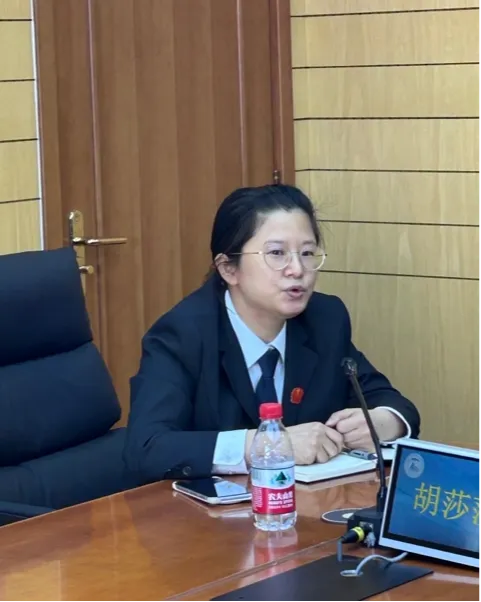
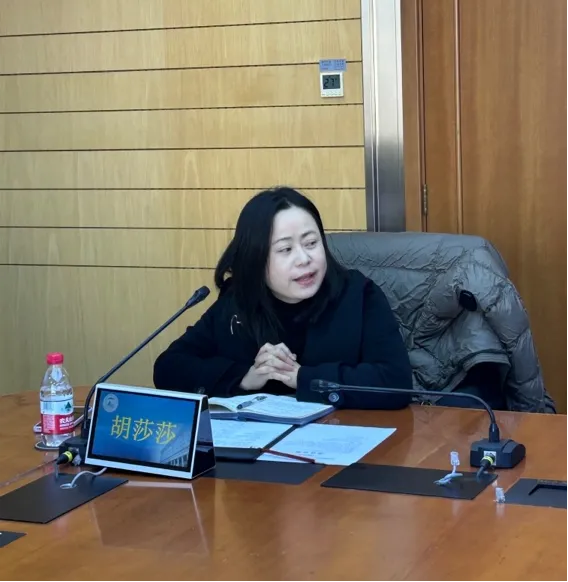
People's mediator Hu Shasha shared her experience in mediating commercial cases, suggesting that psychological techniques should be employed to address the core demands of the parties, and that mediators should enhance their professional knowledge for complex cases.
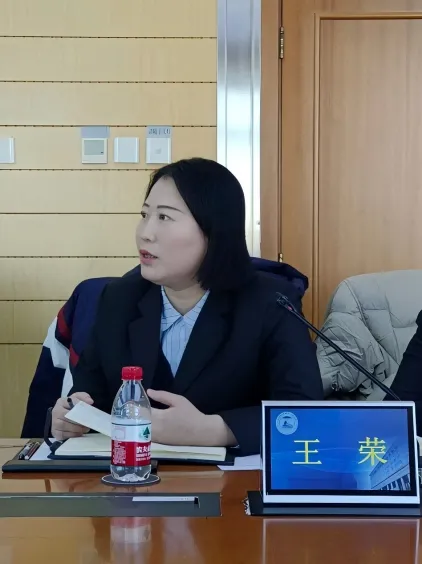
People's mediator Wang Rong noted that mediation work would benefit from strengthened training in psychological guidance and case-handling techniques, so to resolve disputes more effectively and improve the overall quality of mediation.
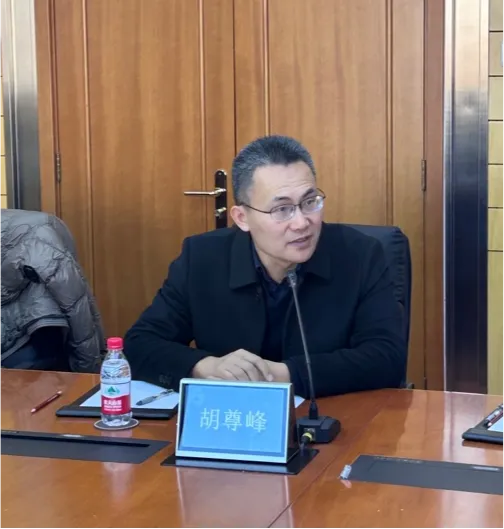
People's mediator Hu Zunfeng, drawing on her experience in mediating financial case, pointed out the importance of helping parties to understand the relevant legal knowledge and financial concepts and suggested that mediators should broaden their knowledge beyond their own areas of specialization.
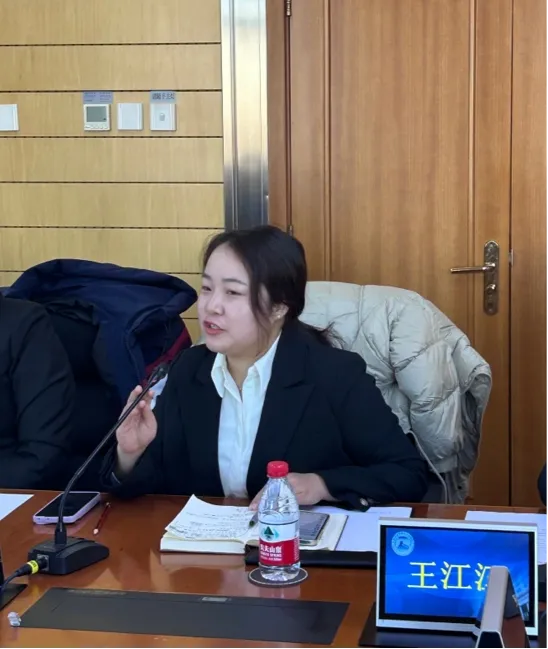
People's mediator Wang Jiangjiang suggested that mediation work should reinforce the management of one's own emotions and the control of the parties' emotions, while also enhancing training on the mediation procedure and the use of mediation techniques.
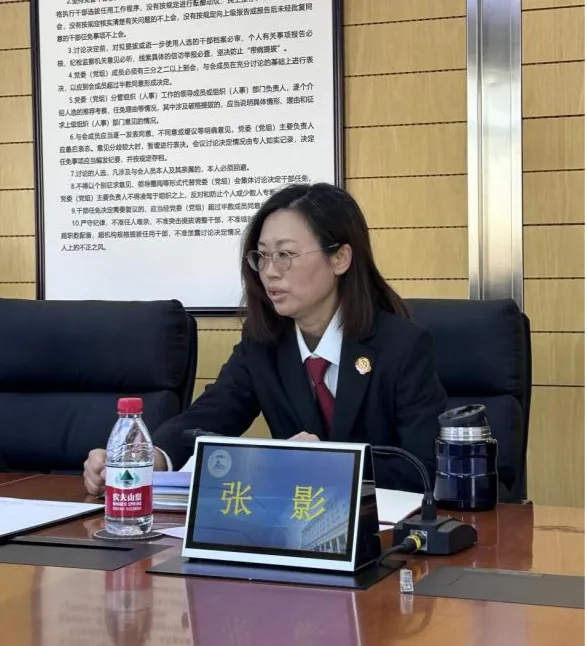
Judge Zhang Ying from the Mediation Affairs Management Group introduced the assessment criteria and evaluation mechanisms for mediators, emphasizing the need for a comprehensive evaluation of mediators based on case quality and public satisfaction to ensure continuous improvement in their professional level.
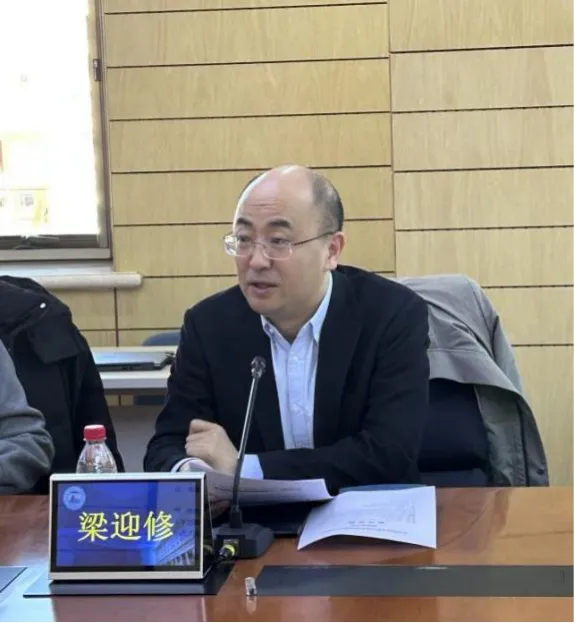
Dean Liang Yingxiu spoke highly of the innovative mediation work carried out by Xicheng District People’s Court, stating that this research holds considerable significance for the development of the mediator training system. Dean Liang stated that Beijing Normal University will continue to collaborate closely with the Xicheng District People's Court, integrating the court's practical experience into academic research and training system development, so as to jointly advance the improvement of judicial practice.
This seminar further strengthened the collaboration between the Law School of Beijing Normal University and the Xicheng District People’s Court. Both parties expressed their commitment to maintaining close communication and working together to contribute their collective expertise and efforts to the advancement of people’s mediator training.