

To sustain the synergy between academia and the judiciary, and to foster deep integration among legal education, theoretical research, and judicial practice, the Shanghai Maritime Court officially inaugurated the “Professor Liang Yingxiu Workstation” on October 28, 2024, with the aim of jointly cultivating high-caliber legal professionals who possess both moral integrity and professional competence. Since its inception, the two parties have worked in close collaboration, yielding remarkable results in academic exchanges, joint research projects, and practical deliberations.
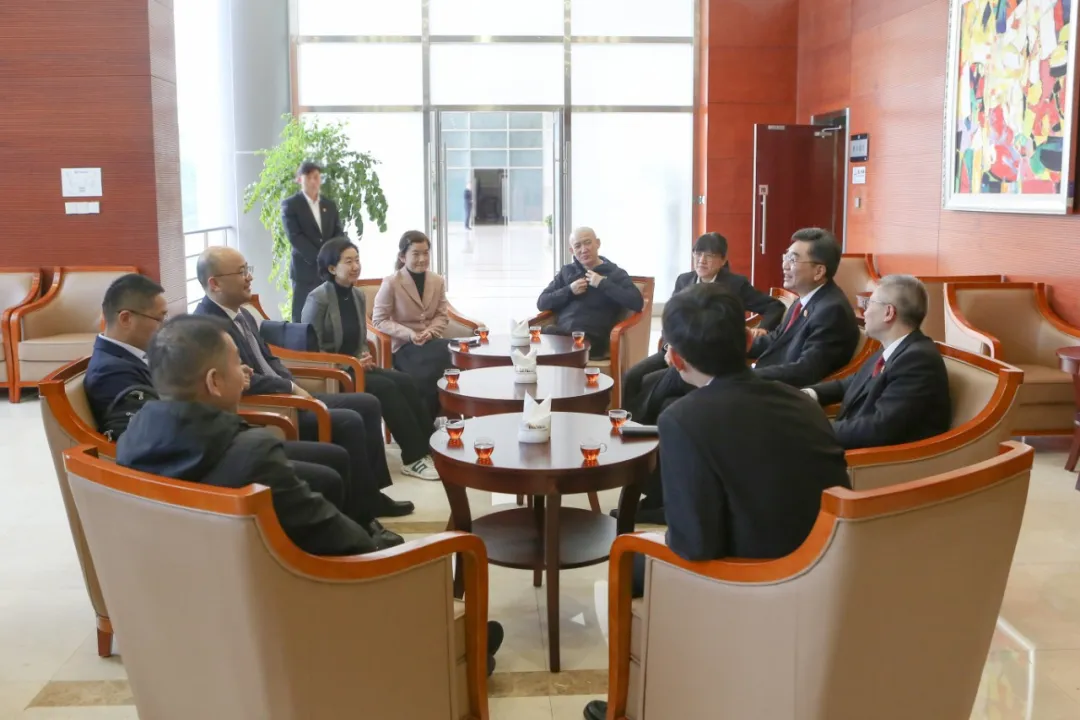
To further deepen the cooperation results, from March 5 to March 6, Professor Liang Yingxiu, Dean of the Law School of Beijing Normal University, led a group of workstation experts including Cai Wen, Deputy Secretary of the Party Committee, Professors Wang Chao, Huang Xiaoliang, Xing Gang, and Associate Professor Guo Ye to the Shanghai Maritime Court to carry out a series of activities. Wang Tong, Secretary of the Party Leadership Group and President of the Shanghai Maritime Court, expressed his welcome and held discussions.
Expert Lectures
On the afternoon of March 5, Liang Yingxiu delivered a special lecture titled “Legal Changes in the Digital Age” for the judges and staff of the Shanghai Maritime Court. The session was presided over by Wu Chun, Member of the Party Leadership Group and Director of the Political Department of the Court. During the lecture, Liang systematically elaborated on the logical framework and practical pathways of legal evolution in the digital era, structuring the analysis around four key dimensions: shifts in foundational logic, transformations in property rights, reforms in systemic governance, and advancements in high-dimensional legal theory.
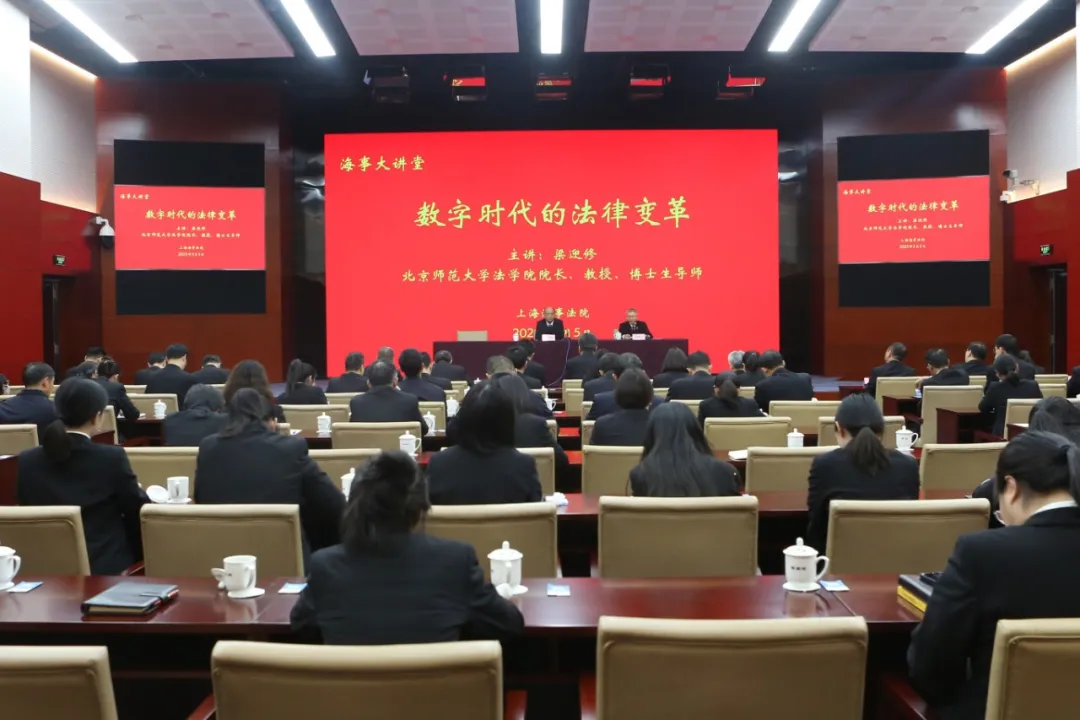
The attending officers noted that the lecture offered profound insights, a broad perspective, and vivid case studies. They praised it as both a “theoretical masterclass” on the digital rule of law and a practical “methodology” for resolving real-world judicial issues. Ultimately, the session provided valuable guidance for better serving major national strategies and supporting the development of Shanghai as an international shipping center.
Practical Seminar
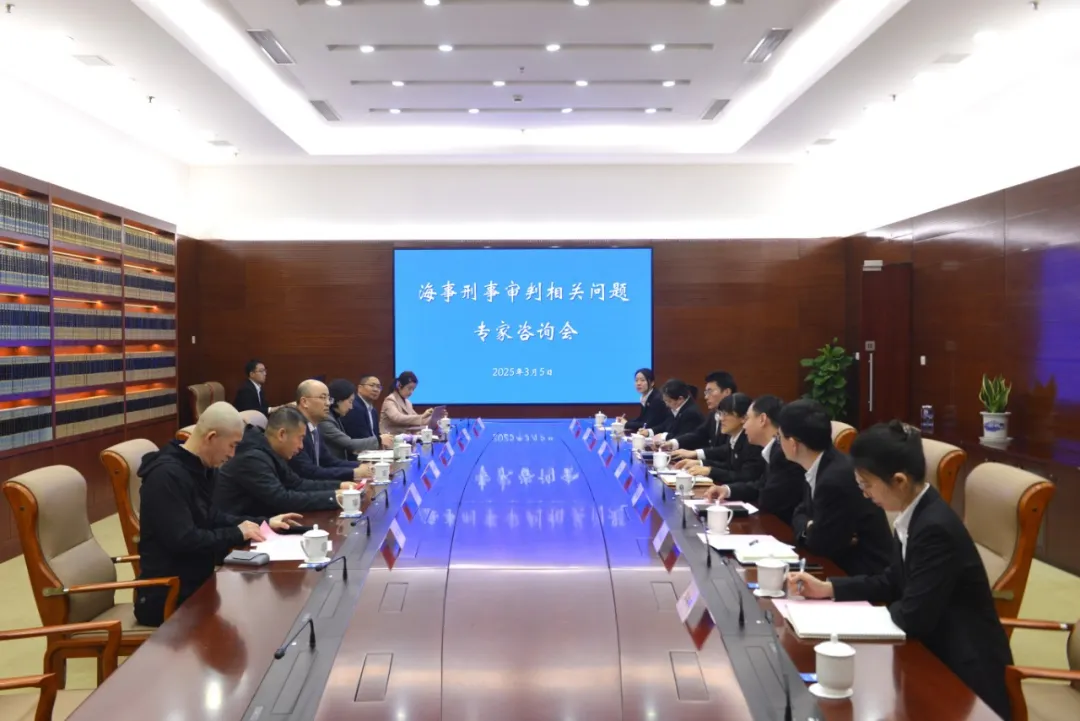
On the morning of March 5, the two parties convened an expert consultation meeting on “Issues Related to Maritime Criminal Trials.” During the session, representatives from the Shanghai Maritime Court’s “Three-in-One” task force outlined the background and current progress of maritime criminal trials. Experts from the Law School then offered valuable recommendations regarding the Court’s exploration of this “Three-in-One” trial system. The two sides subsequently engaged in in-depth discussions covering the scope of case acceptance, coordination with public security and prosecutorial authorities, the elements of crimes, and sentencing standards.
Field Research
The Changxing Island Sub-Court is a "Northern Wing Outpost" established by the Shanghai Maritime Court to serve the Shanghai International Shipping Center, closely engaging with frontline port and shipping enterprises, and supporting the construction of Chongming World-Class Ecological Island and International Marine Equipment Island.
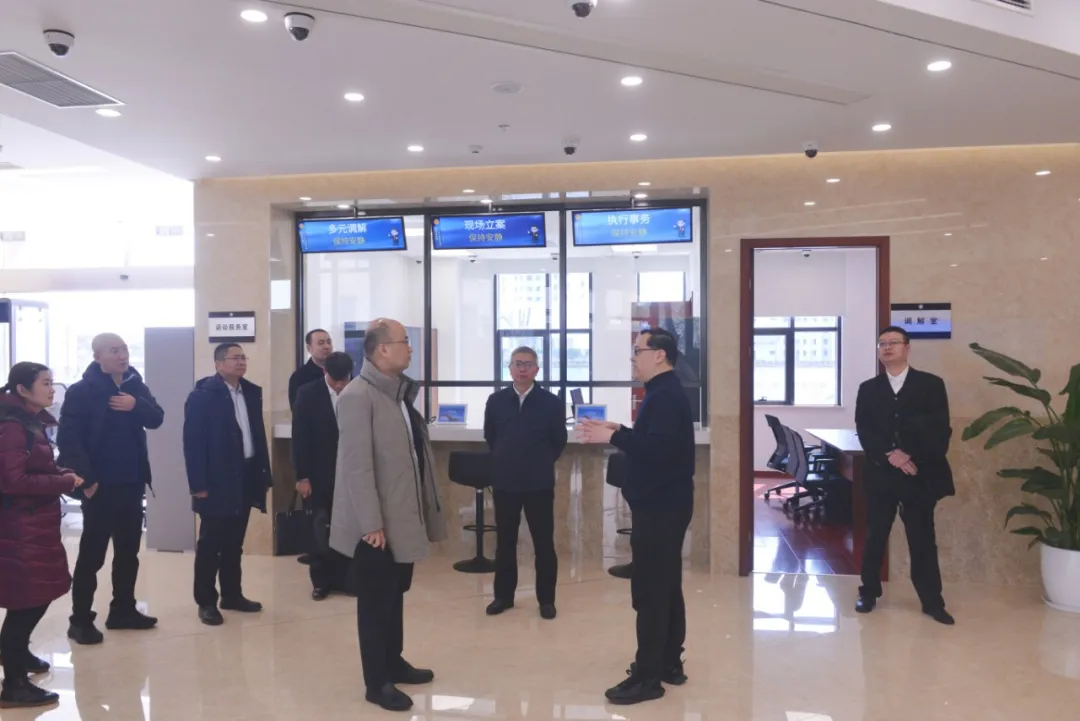
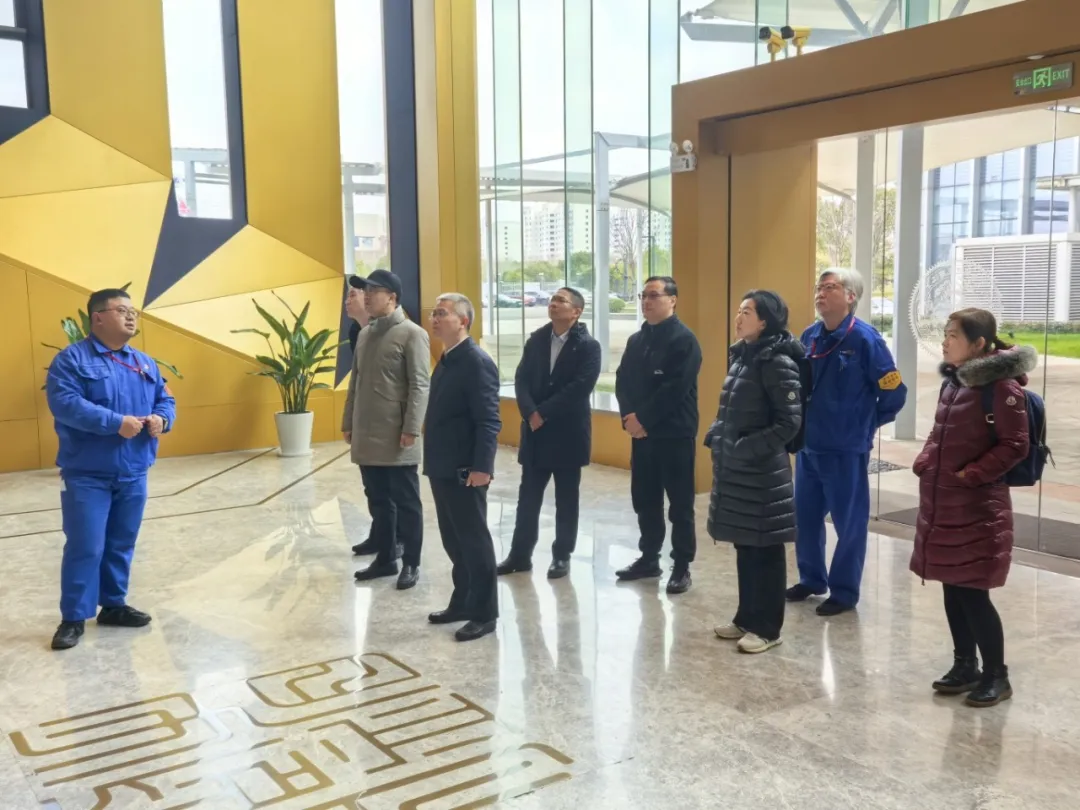
On March 6, the expert group conducted field research at the Changxing Island Sub-Court, the Changxing Marine Equipment Industrial Park, and Jiangnan Shipyard (Group) Co., Ltd. During the visit, they observed the maritime trial court’s progress in building its “Smart Court” and toured the complete shipbuilding process. The experts also engaged in profound discussions with technical professionals on emerging legal issues, such as the legal status of intelligent vessels and liability determination in unmanned ship accidents. These exchanges laid a solid foundation for collaborative innovation among industry, academia, and the research sector.
Since the inauguration of the “Professor Liang Yingxiu Workstation,” the BNU Law School and the Shanghai Maritime Court have fostered multi-level, in-depth cooperation across various fields. Their efforts have focused on the intersection of legal theory and judicial practice, particularly regarding cutting-edge issues in foreign-related legal affairs and the development of the maritime trial’s “Three-in-One” mechanism. Moving forward, the two parties will continue to deepen their collaboration in key research areas, the application of scientific findings, the cultivation of foreign-related legal talent, and student internships and career placement. By fostering a dynamic ecosystem of “theoretical collaboration, joint talent cultivation, and shared achievements,” this partnership will provide sustained support for legal education and the development of a premier hub for maritime legal professionals.
Established in 1984, the Shanghai Maritime Court adjudicates a wide range of cases. Its jurisdiction spans maritime tort and contract disputes; issues concerning the development, utilization, and environmental protection of ocean and navigable waters; other general maritime and commercial disputes; as well as maritime administrative and special procedure cases. In recognition of its excellence, the Court has been awarded prestigious national honors in recent years, including “National Demonstration Court for Judicial Transparency,” “Advanced Collective of National Courts,” and “Advanced Collective in National Maritime Trial Work.”