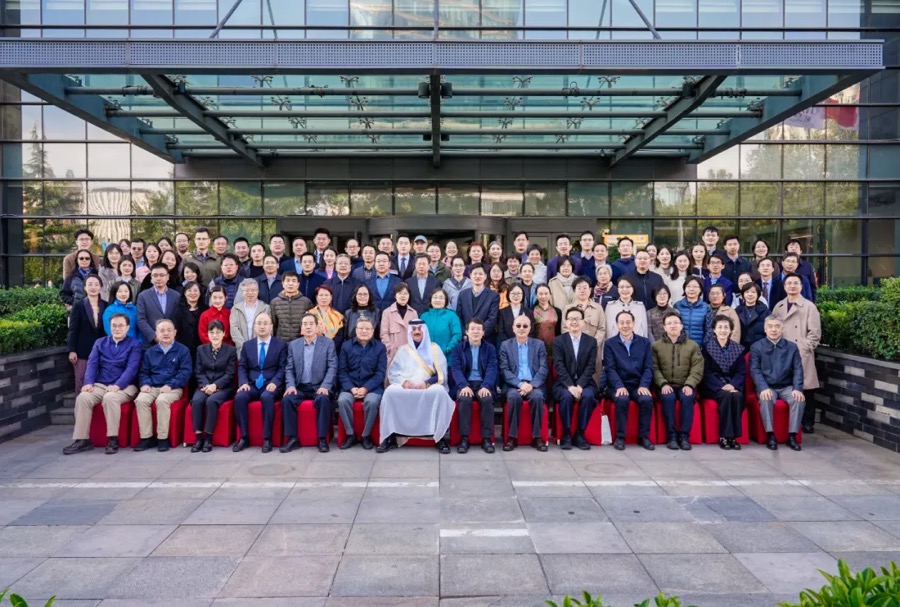
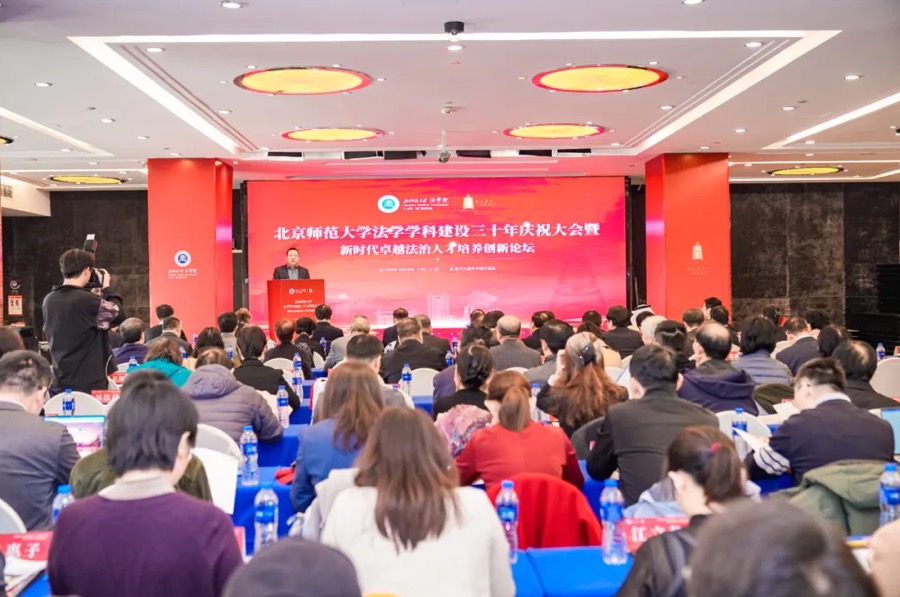
On October 18, 2025, the 30th Anniversary Celebration of the Construction of the Law Discipline at Beijing Normal University and the Innovative Forum for Cultivating Outstanding Legal Talents in the New Era was convened in Beijing. Renowned experts and scholars from the national legal community and the judicial practice sector, leaders from sister institutions, and a large number of alumni and representatives of teachers and students gathered together to review the arduous journey of the law discipline at Beijing Normal University over the past thirty years and to look forward to the mission and future in the new era.
The conference was presided over by Professor Zheng Yanpu, Secretary of the Party Committee of the Law School at Beijing Normal University. On behalf of the faculty and students, he extended a warm welcome to the attending leaders, guests, and alumni, and conveyed his profound respect to the predecessors and mentors who have long supported the development of law at the university. Professor Zheng emphasized that the past thirty years of dedicated effort and fruitful achievements represent the culmination of generations of legal scholars' endeavors, as well as the strong backing from all sectors of society. He noted that today's gathering serves not only as a tribute to history but also as a new point of departure.
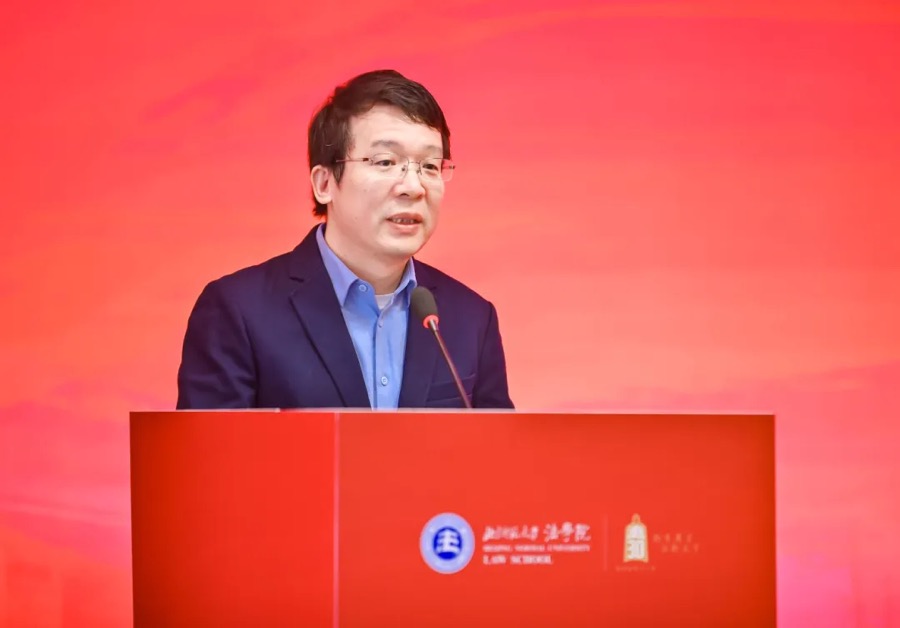
During the speech segment, Professor Chen Xing, Vice President of Beijing Normal University, delivered the opening address. He traced the evolution of the law program since its inception in 1995, highlighting its growth from a modest political and legal research office into a comprehensive academic powerhouse featuring doctoral programs and postdoctoral research stations. He noted that the program has established a complete talent cultivation system and achieved a Class A ranking in the Ministry of Education's discipline assessment, solidifying its status as a key discipline for the university's development. Professor Chen emphasized the university's commitment to vigorously supporting the construction of the law discipline to cultivate more outstanding talents who possess both moral integrity and legal expertise.
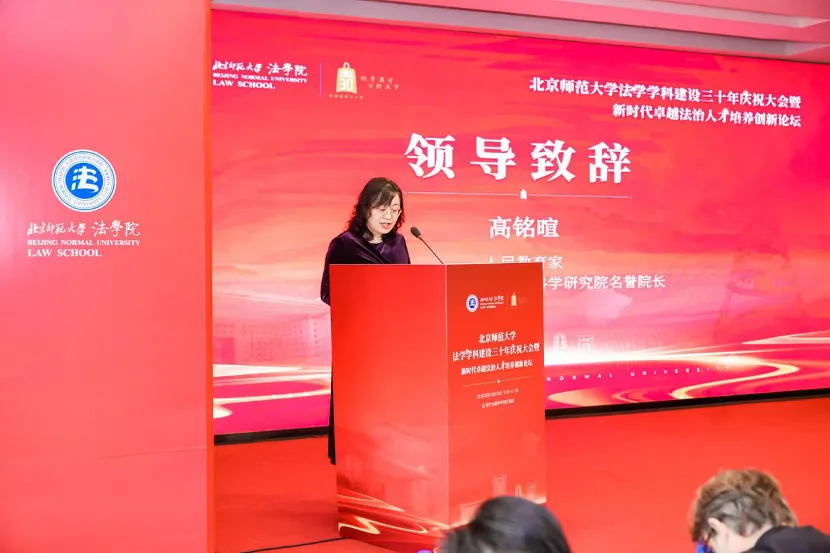
Professor He Dan, Vice Dean of the Law School at Beijing Normal University, delivered a written address on behalf of Professor Gao Mingxuan, the Honorary Dean of the College for Criminal Law Science. In his message, Professor Gao reflected on the entrepreneurial journey of the Law School over the past three decades, observing that its growth from humble beginnings to a position of strength is deeply rooted in the convictions and devotion of its faculty and students. He exhorted the Law School to "live up to historical expectations and the hopes of the times," urging them to forge new brilliance in the modernization of the rule of law with Chinese characteristics.
Professor Zhang Wenxian, President of the Law Education Research Association of the China Law Society and Convener of the Law Department of the Philosophy and Social Sciences Committee of the Ministry of Education, reviewed the enduring collaboration with the Law School at Beijing Normal University. He observed that the university has achieved remarkable results by adhering to institutional innovation and distinctive development while closely aligning with national strategies. Professor Zhang emphasized that outstanding legal talents in the new era must cultivate both virtue and knowledge, integrating ethical integrity with legal expertise, deep academic training, and a commitment to serving the broader public interest.
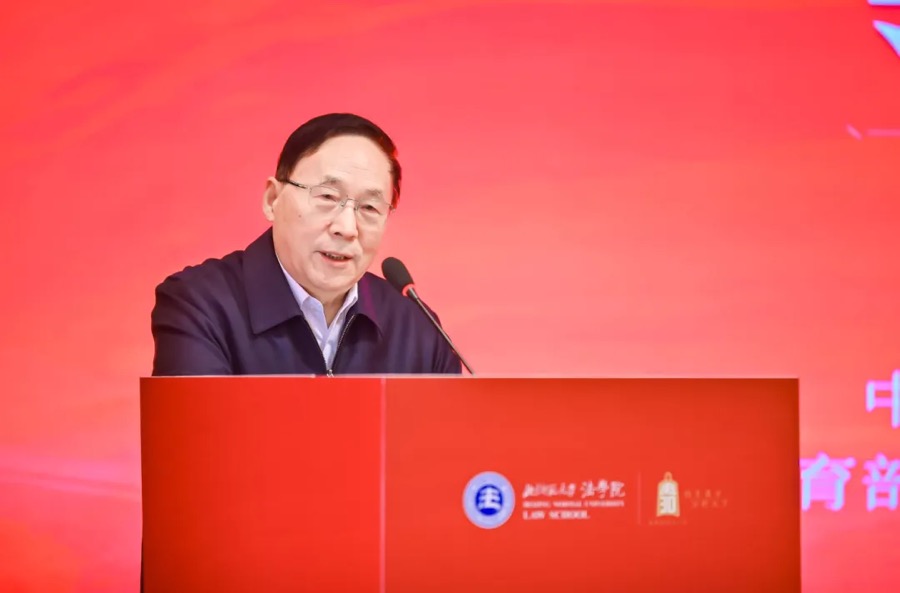
Jiang Bixin, Deputy Director of the Advisory Committee of the Supreme People's Court, proposed that in the context of the rapid development of artificial intelligence technology, outstanding legal talents should possess both legal thinking and technological awareness, mastering the ability to apply and create rules while always adhering to the value orientation of fairness and justice. He stressed that future legal education should focus on cultivating interdisciplinary talents who understand both law and technology, and possess a sense of humanistic care.
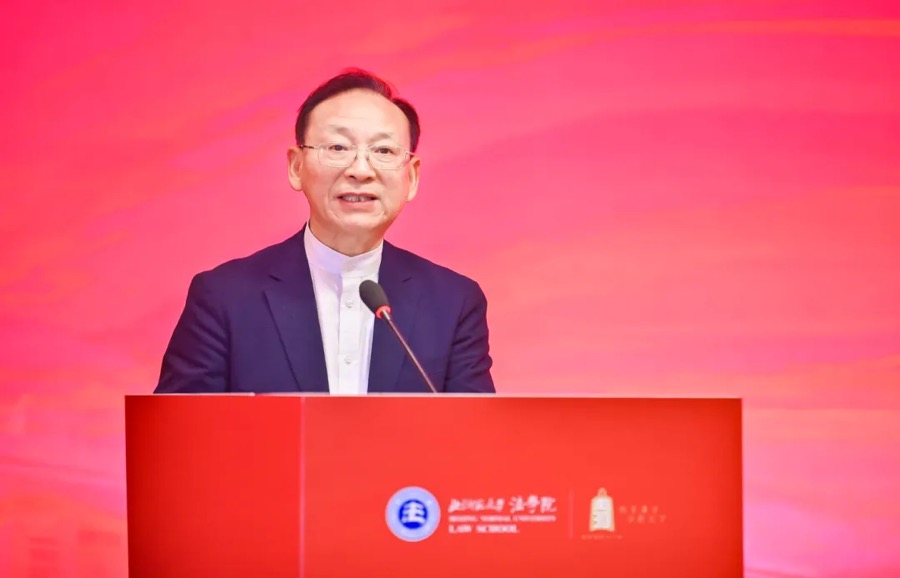
"Legal education must integrate across disciplines to address new issues such as data governance, algorithm transparency, and platform regulation," said Jiang Wei, Deputy Director of the Advisory Committee of the Supreme People's Court and President of the Network and Information Law Research Association of the China Law Society, pointing out from the perspective of digital development that digital technology is driving a transformation in research paradigms, and law should deeply intersect with other disciplines to cultivate outstanding talents with legal skills and technological literacy.
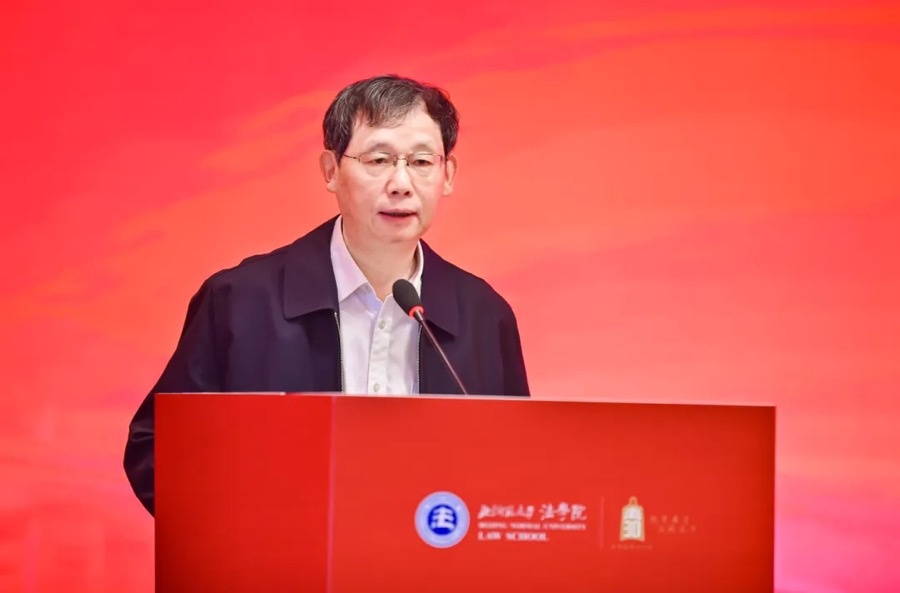
Mr. Federico Antonelli, Cultural Counselor and Director of the Cultural Center at the Italian Embassy in China, highly praised the important role and outstanding contributions of the Law School of Beijing Normal University in Sino-Italian legal cultural exchanges. He expressed a willingness to further expand cooperation with Beijing Normal University and work hand in hand in emerging fields such as digital society and global governance.

Professor Yang Dong, Dean of the Law School of Renmin University of China, represented the brother institution and stated in his speech that the Law School of Beijing Normal University has achieved outstanding results over the past thirty years and has established a deep friendship with the Law School of Renmin University of China. The two institutions will continue to deepen cooperation and work together to contribute to legal education and research in China.
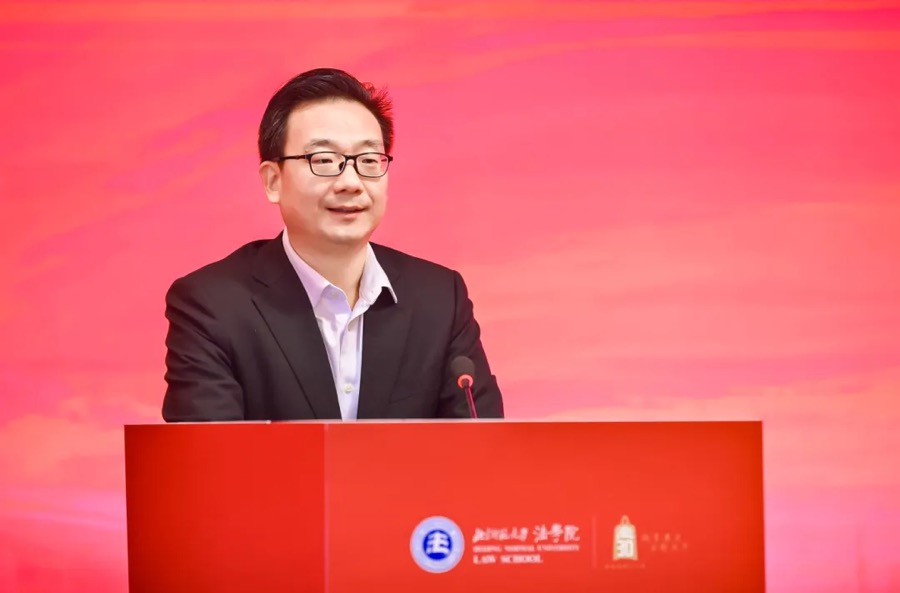
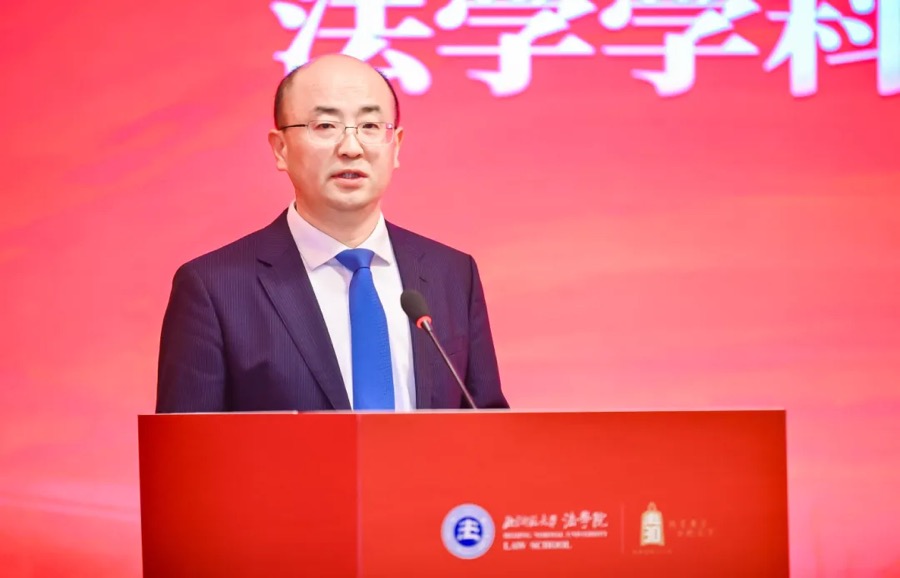
During the discussion session with faculty, students, and alumni, five representatives spoke in turn, reminiscing about their connections with the law discipline at BNU and expressing hopes for the future. Retired faculty representative Professor Liu Rongjun summarized the thirty-year development of the college with the metaphor of 'three leaps,' emphasizing that the inheritance of spirit and values is the driving force for the discipline's continuous progress. Current faculty representative Professor Lu Jianping reviewed the school's development history and encouraged the younger generation to carry on the academic spirit and be brave in innovation. Professor Xing Aifen, as a veteran of the old law department, emotionally recounted decades of dedication to teaching and nurturing students, hoping that young teachers will continue to strive. The outstanding alumni representative, Judge Cai Xiu from the Beijing High People's Court, expressed gratitude to his alma mater and stated that he will continue to uphold the spirit of the school motto "Pursue Moral Education, Promote the Rule of Law." Current student representative Lian Jie shared his growth experiences over the past seven years and vowed to inherit traditions and bravely undertake responsibilities. The sincere words of several generations of legal professionals from Beijing intertwine, showcasing the deep emotions of passing the torch and a shared expectation for the future.
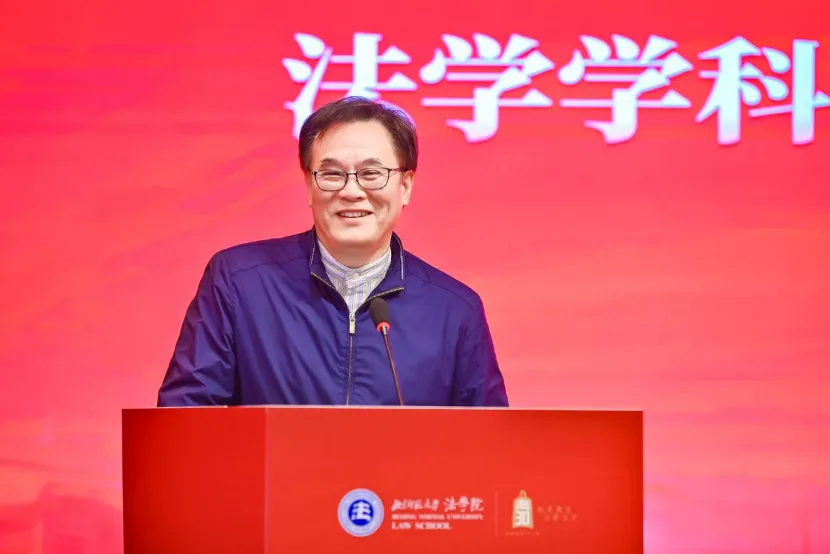
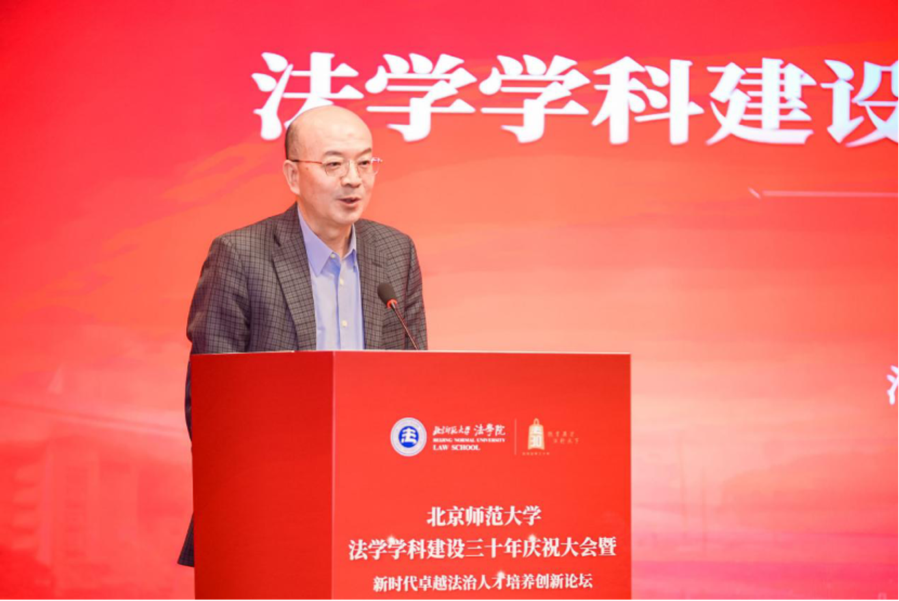
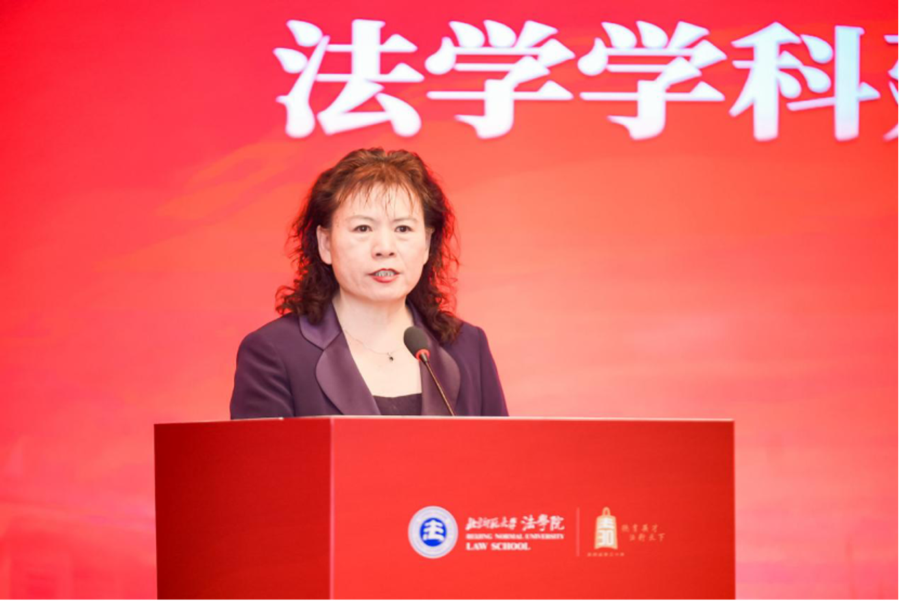
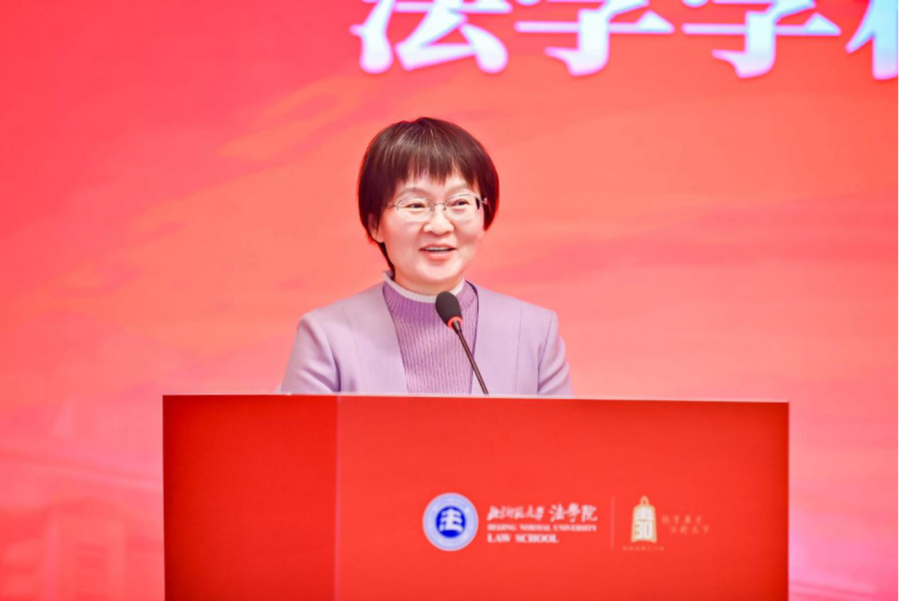
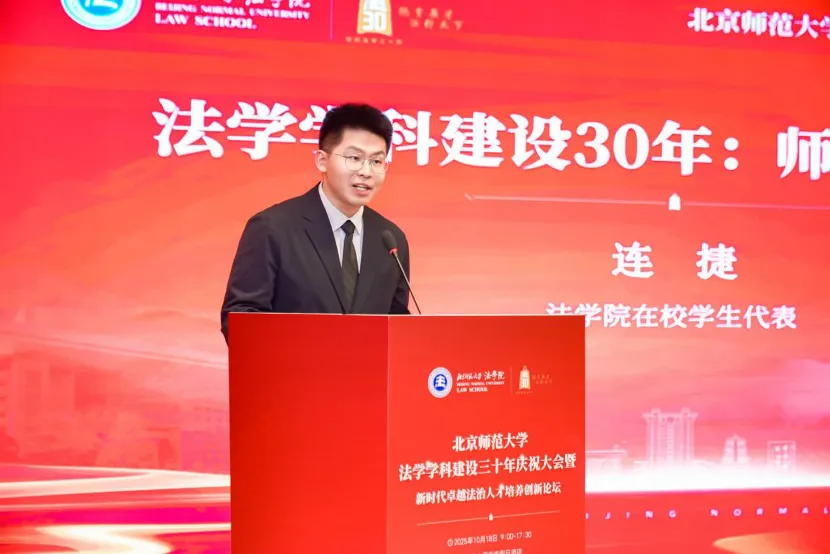
During the conference, a "Special Contribution Award" ceremony was held to honor retiring faculty members. The recipients Wei Tianjing, Huang Feng, Zhang Yuanhuang, Xia Limin, Zhang Guihong, Liu Rongjun, and Huang Zhenzhong were invited to the stage to accept the accolade and receive a standing ovation from the audience.
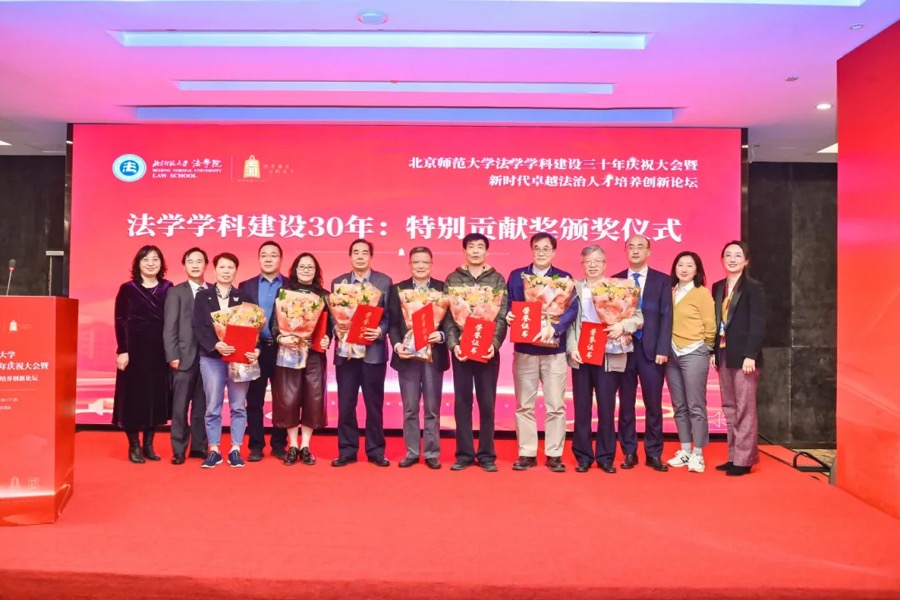
The celebration concluded successfully amidst warm applause.
That afternoon, a distinguished assembly of experts and scholars from leading domestic universities and judicial practice departments convened to engage in in-depth discussions on two pivotal themes: "Innovations in the Training Mechanism for Outstanding Legal Talents in the New Era" and "Innovations in Legal Education in the Context of 'Artificial Intelligence+'."
In the internet age, the legal landscape is undergoing unprecedented transformation, with the digital wave comprehensively reshaping models of legal education and research. From a global perspective, the surging tide of information technology and economic globalization is continuously expanding the scope and connotation of the legal profession. This shift poses new challenges and requirements for talent cultivation, rendering the reform of legal education models imminent.
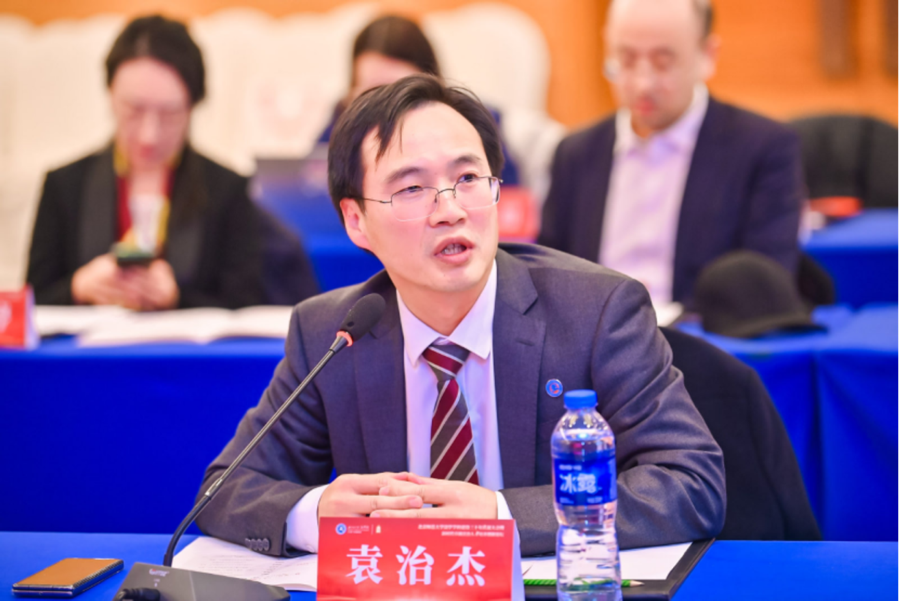
The forum's first session, focused on "Innovations in the Training Mechanism for Outstanding Legal Talents in the New Era," was moderated by Professor Yuan Zhijie, Vice Dean of the Law School at Beijing Normal University.
Professor Chen Hangping, Vice Dean of the Law School at Tsinghua University, introduced the development history of the Law School and conducted an in-depth analysis of its model for cultivating outstanding legal talents. He shared his experience in cultivating talents in foreign-related legal affairs, enhancing students' global competence in their profession, communication skills in foreign affairs, and international adaptability through multidisciplinary joint training programs, a rich array of foreign-related professional courses, and simulating real foreign-related internship work environments.
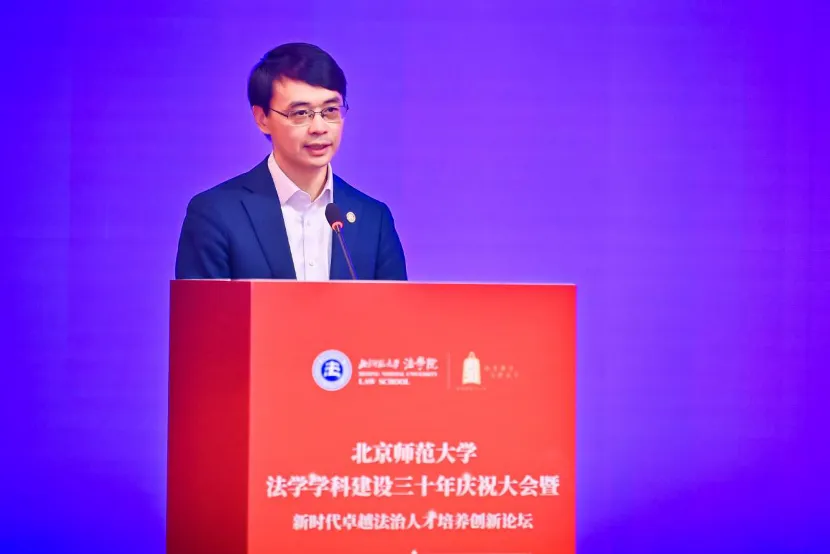
Professor Yuan Gang, Vice Dean of the Law School at China University of Political Science and Law, detailed the development goals of the discipline. He pointed out that China University of Political Science and Law closely follows policy guidance, with a core training goal focused on practical and application-oriented talents. Collaborating with multiple domestic universities to cultivate talents with multidimensional and comprehensive development. Reforming the internal quality training model, strengthening the construction of legal practice courses, and improving the quality of talent cultivation through mechanisms such as elimination systems, small class teaching, and dual mentorship.
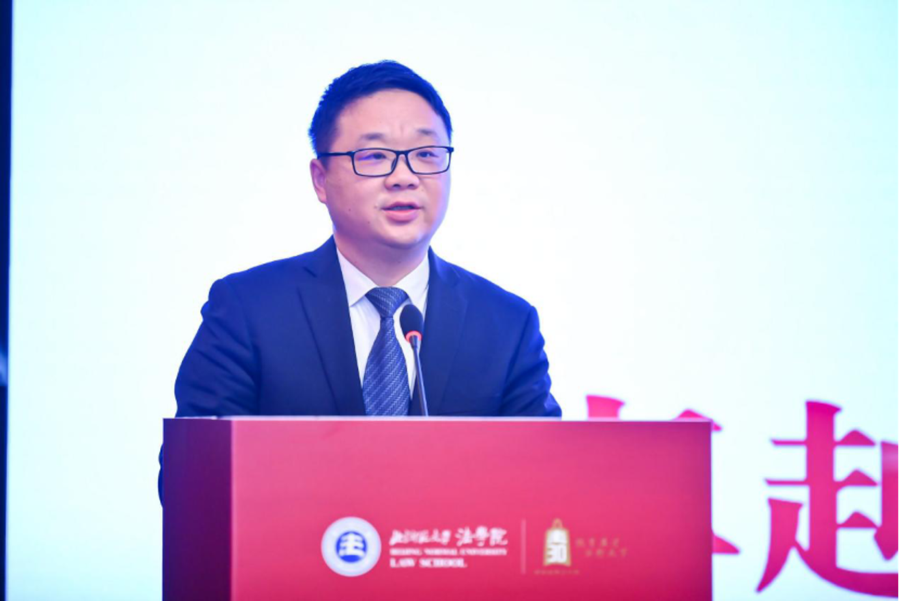
Liu Yiru, Deputy Director of the Political Department and Deputy Secretary of the Party Committee of the Shanghai Maritime Court, elaborated on the talent cultivation model of the maritime court. She pointed out that the Shanghai Maritime Court serves China’s high-quality development and open strategy, keeping pace with the times and seizing trends to cultivate high-quality maritime and shipping talents who are politically aware, specialized, and internationalized.
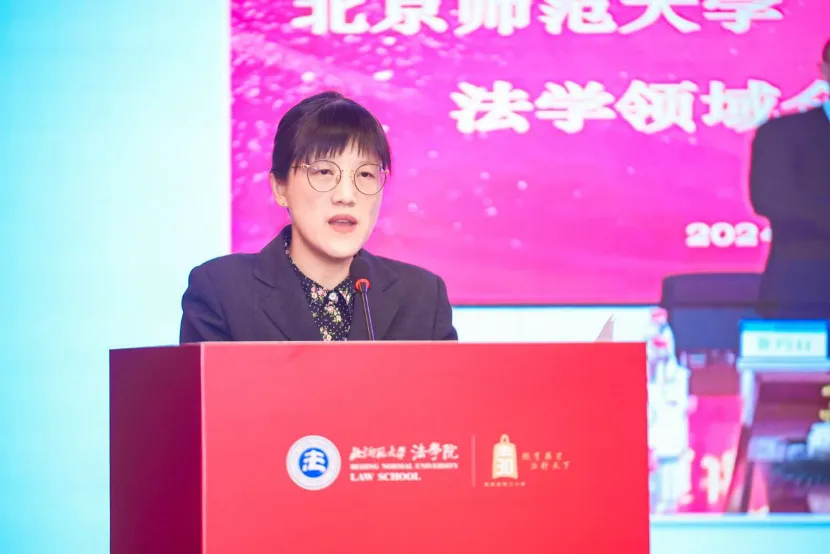
Professor Feng Hui, Dean of the Law School at the University of International Business and Economics, approached the issue from the perspective of potential risks in legal talent cultivation. He emphasized the urgent need to adjust the macro layout of the law major to address pressures related to employment and academic systems. He suggested strengthening regular practical course arrangements within legal practice curricula and effectively managing the relationship between professional and internship courses. Additionally, he stressed the importance of bolstering students' capacity for independent thinking in academic writing.
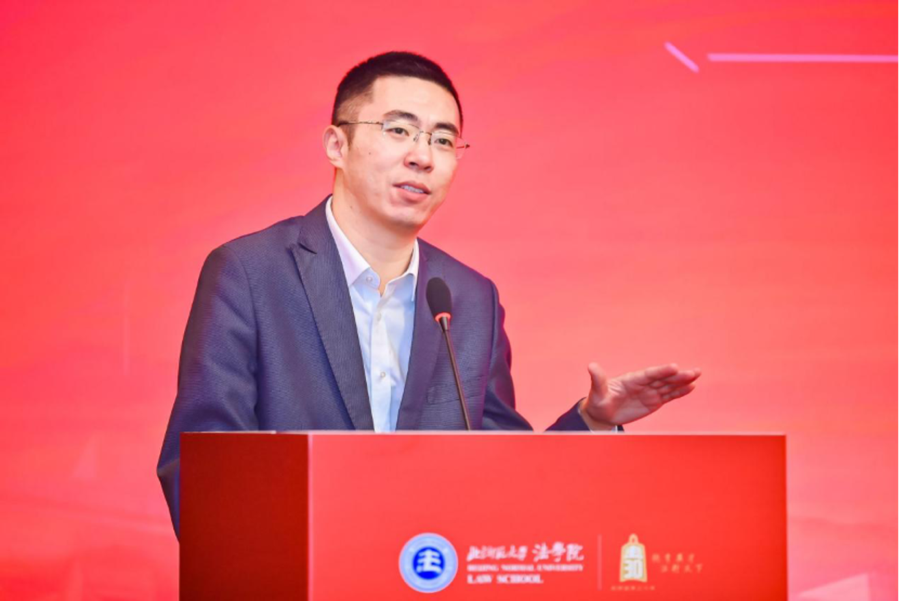
Xin Dongqing, Director of the Political Department of the Haidian District Procuratorate in Beijing, fondly reviewed the fruitful achievements in talent cultivation and cooperation between the Haidian District Procuratorate and the Law School of Beijing Normal University over the years, and expressed a hopeful outlook for deeper collaboration in the future. He emphasized the importance of practical innovation, believing that the cultivation of legal talents should adhere to a practice-oriented approach by building comprehensive practical platforms, developing practical teaching cases, and introducing digital technologies to create a multi-level legal education system that cultivates high-quality talents meeting practical needs.
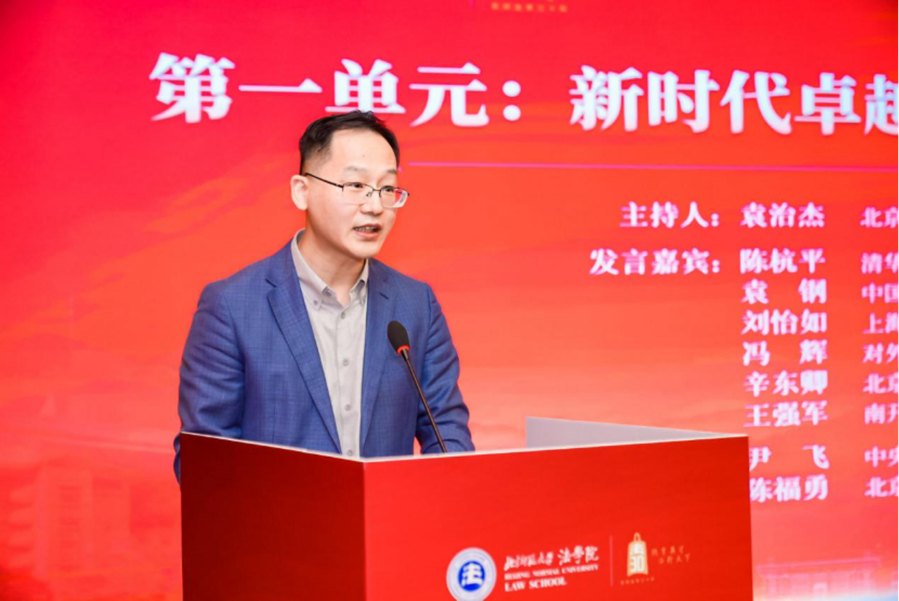
Professor Wang Qiangjun, the associate dean of the Law School of Nankai University, emphasized the important role of specialized legal talents in improving the quality of classroom teaching through vivid case analysis. He stated that the Law School of Nankai University cultivates high-quality legal professionals who meet various demands through the construction of a diverse and distinctive teaching system. He shared the experience of the Law School of Nankai University in effectively improving the quality of students' papers and academic standards by strengthening the institutional construction of academic papers.
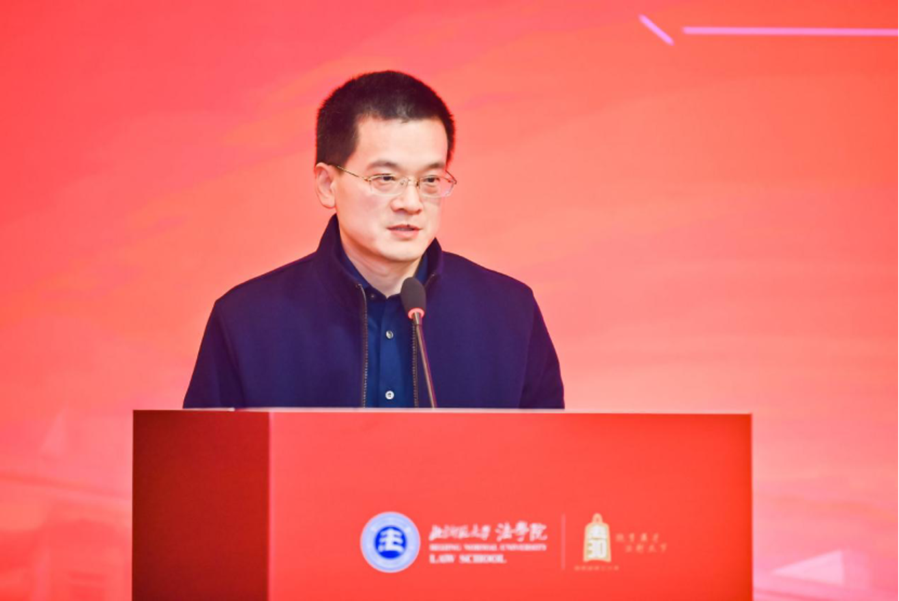
Professor Yin Fei, Dean of the Law School of Central University of Finance and Economics, pointed out that the cultivation of legal talents should adhere to a practice-oriented approach and introduced the three-dimensional support talent cultivation strategy of the Law School. He particularly emphasized the important position of ideological and political education in the cultivation of legal talents, while stating that the college will focus on practice to enhance the quality of talent cultivation.
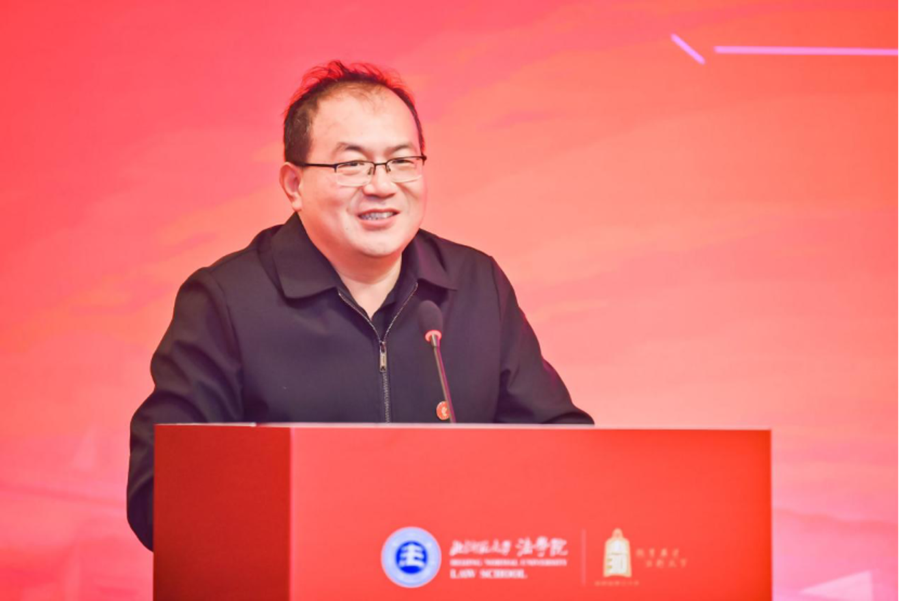
Chen Fuyong, Deputy Secretary-General of the Beijing Arbitration Commission, shared his rich experience in cultivating legal talents in foreign-related law and introduced the in-depth cooperation between the Beijing Arbitration Commission and many double first-class universities on courses such as English contract law, evidence law, and international commercial arbitration. He particularly emphasized the importance of internship system reform, suggesting that internships should simulate real work environments to effectively train students' legal practice abilities.
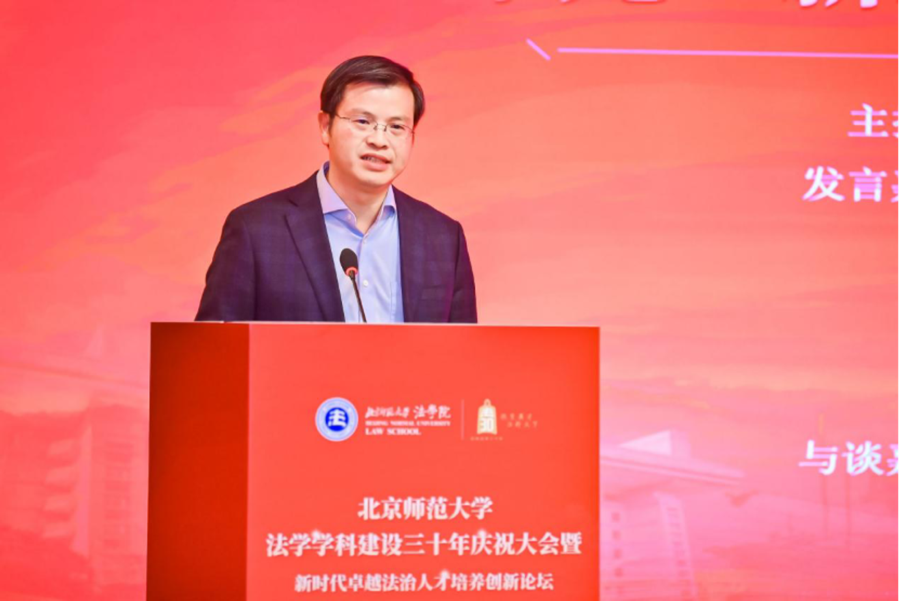
The second unit of the forum, "Innovation in Legal Education under the Background of 'Artificial Intelligence+'", was hosted by Guo Yating, Vice Dean of the Law School at Beijing Normal University.
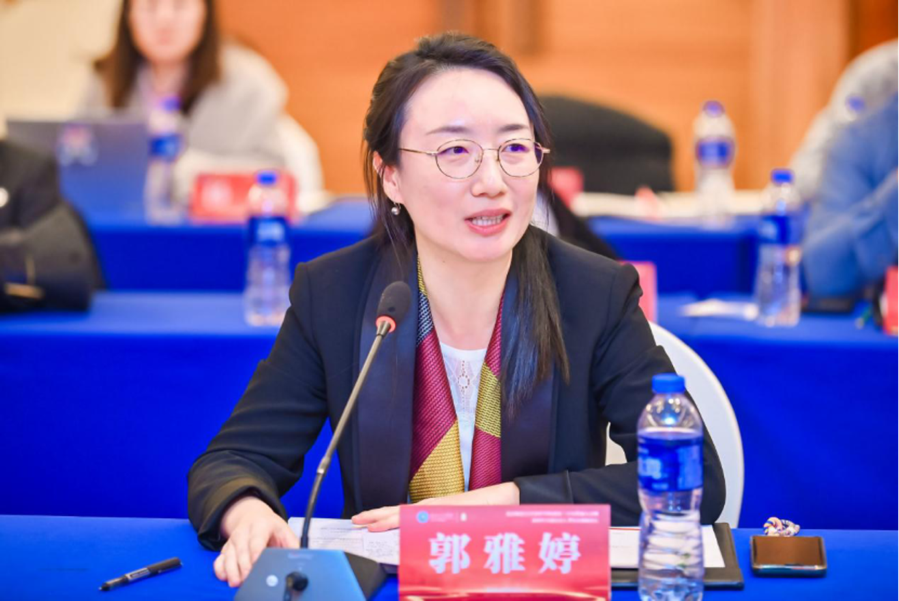
Xiao Baogong, founder of Legal AI and Professor Wang Yanling from the Law School of South China Normal University, conducted an in-depth analysis of the new liberal arts construction path driven by artificial intelligence from four dimensions: solidifying the core competencies of artificial intelligence and law, application scenarios of the Xiao Baogong legal large model in the legal technology industry, the effectiveness of integrated research and development in academia and industry, and the prospects for the development of the rule of law in the era of artificial intelligence.
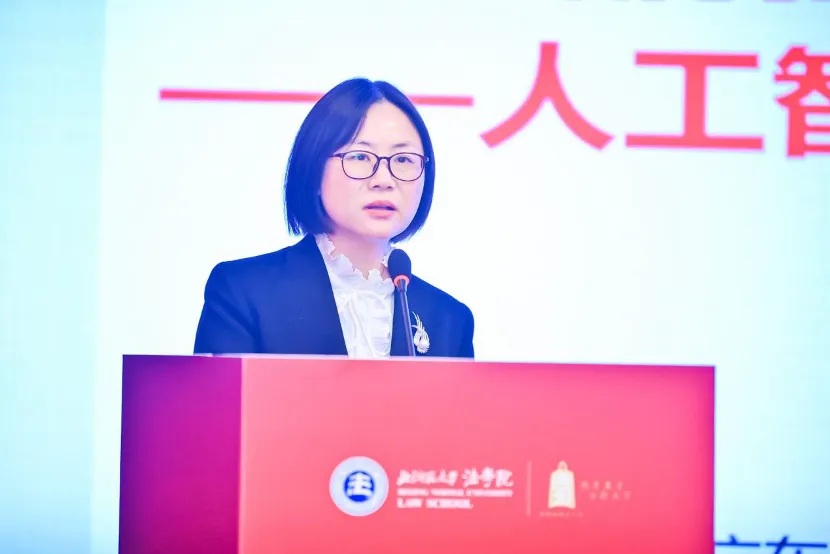
Sun Mingxi, Vice President of the Beijing Internet Court, introduced the achievements of the fully online litigation model. She analyzed the issues faced by legal practices involving the internet and artificial intelligence, using cases involving minors in online litigation as an example, and called for strengthened in-depth cooperation between universities and internet courts.
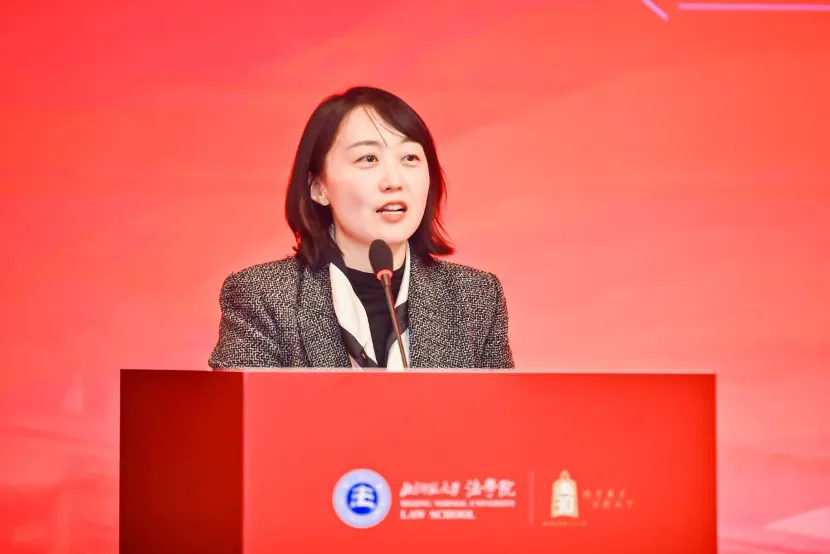
Professor Zheng Yonghe, Dean of the Institute of Science Education at Beijing Normal University, fondly recalled the details of the deep cooperation with the Law School of Beijing Normal University and expressed high hopes for the integration of law and artificial intelligence in both theory and practice.
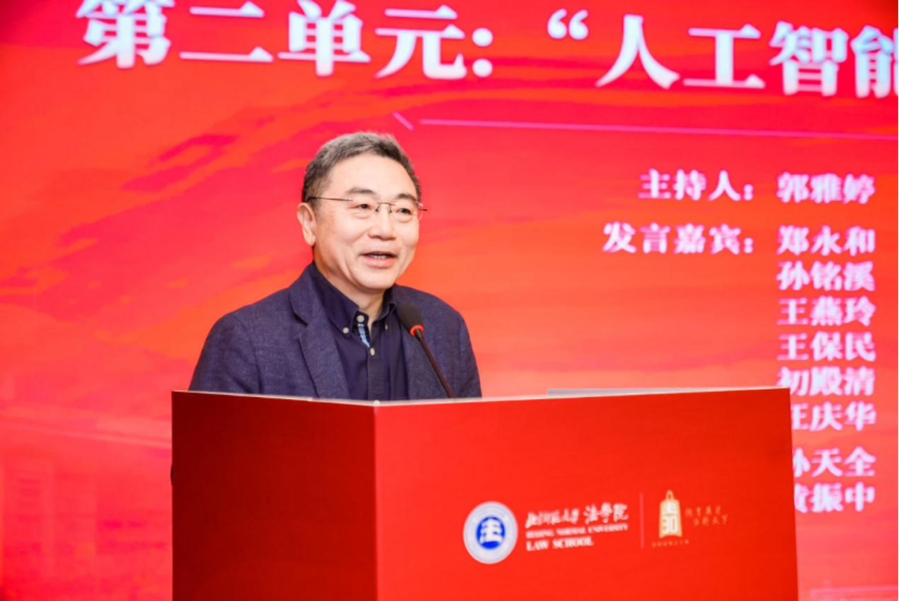
Professor Wang Baomin, Secretary of the Party Committee of the Law School at Xi'an Jiaotong University, shared the attempts and achievements of the college's talent training reform and emphasized the importance of "Artificial Intelligence + Legal Education." He pointed out that the legal discipline faces multiple challenges in the era of artificial intelligence, such as the black box of AI algorithms and the positioning of legal roles, which need to be addressed through regulatory technical indicators and the construction of interactive learning systems.
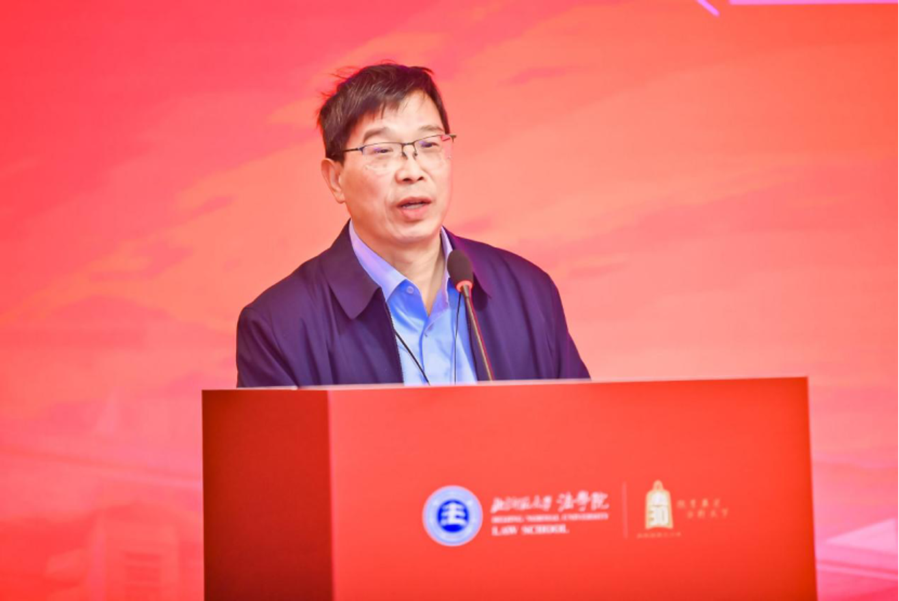
Professor Chu Dianqing, Vice Dean of the Law School at Beihang University, analyzed the talent training model of his institution and pointed out the need to continuously promote the construction of digital teaching technology platforms and adopt multiple measures to cultivate composite talents that meet the needs of the country's new industrialization strategy.
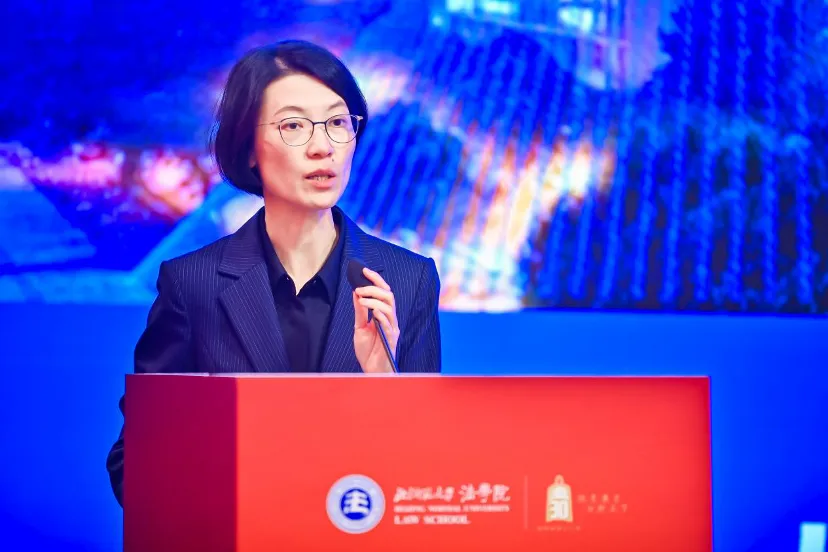
Professor Wang Qinghua from the Law School of Beijing Normal University conducted an in-depth analysis from four aspects: the application of large models in the legal field, the technical difficulties and risks of applying legal large models, the legal foundational large model, and the regulation of legal large model applications. He emphasized the need to uphold an attitude of encouraging innovation and promoting development, strengthen layered governance and full-process supervision, and build a governance system of human-machine collaboration and multi-party co-governance to address challenges posed by legal large models in terms of accuracy and reliability, algorithm security and privacy protection, legal protection and value judgment, ethical and integrity risks, legal accountability and regulatory risks, as well as the challenges posed by large models to legal education and the legal profession.
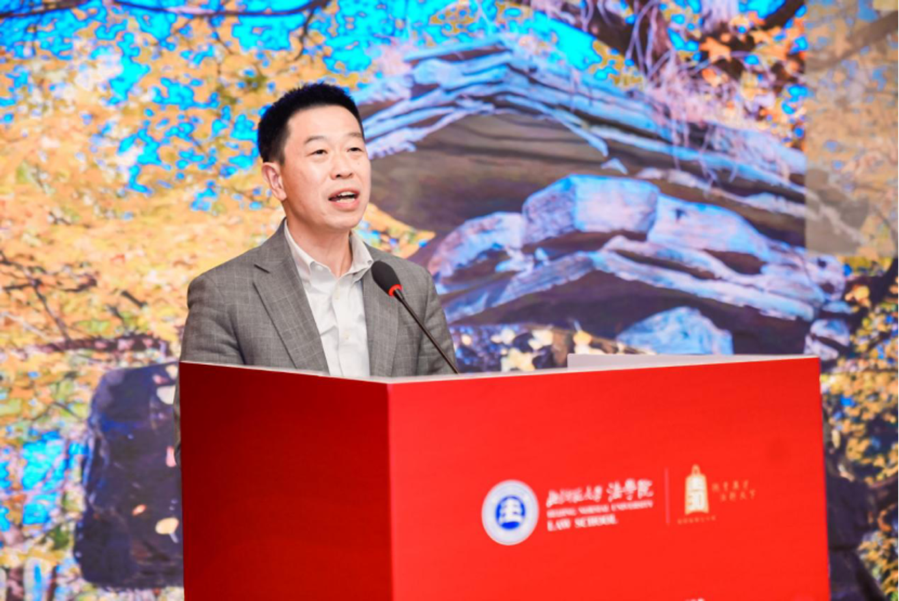
Professor Sun Tianquan, Vice Dean of the Law School of Beijing Institute of Technology, conducted an in-depth analysis of the structural impact of artificial intelligence on education, emphasizing the role of interdisciplinary collaboration. She stated that the Law School of Beijing Institute of Technology focuses on building a smart rule of law laboratory and developing courses related to artificial intelligence, achieving fruitful results in the field of “Artificial Intelligence + Law”.
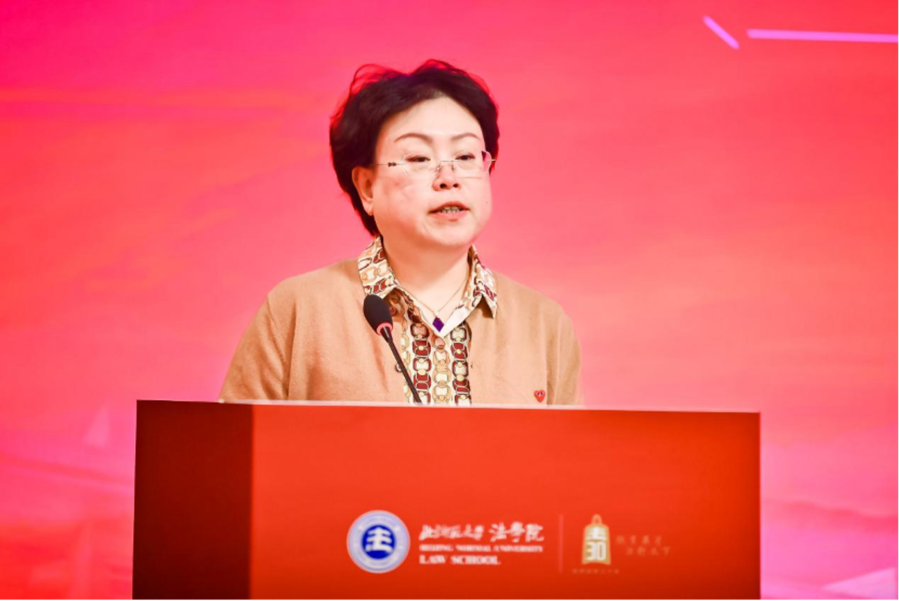
Professor Huang Zhenzhong, Director of the Center for Foreign-related Rule of Law Research at Beijing Normal University Law School and Honorary Director of Beijing Jingshi Law Firm, reviewed the phased achievements of the Law School in the legal research of artificial intelligence. Combining his experiences of running a law firm and establishing a lawyer training school, he proposed the essential qualities needed for legal professionals in the intelligent era.
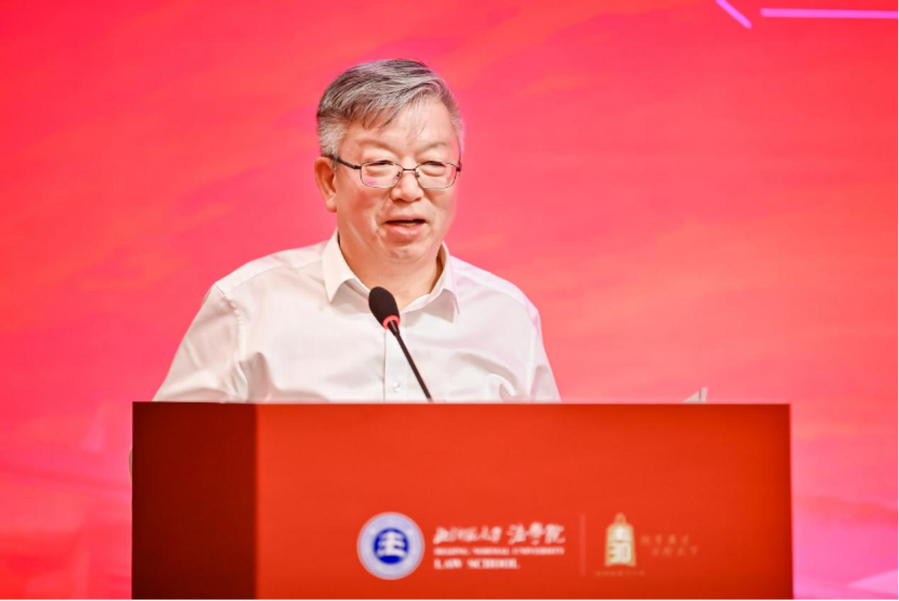
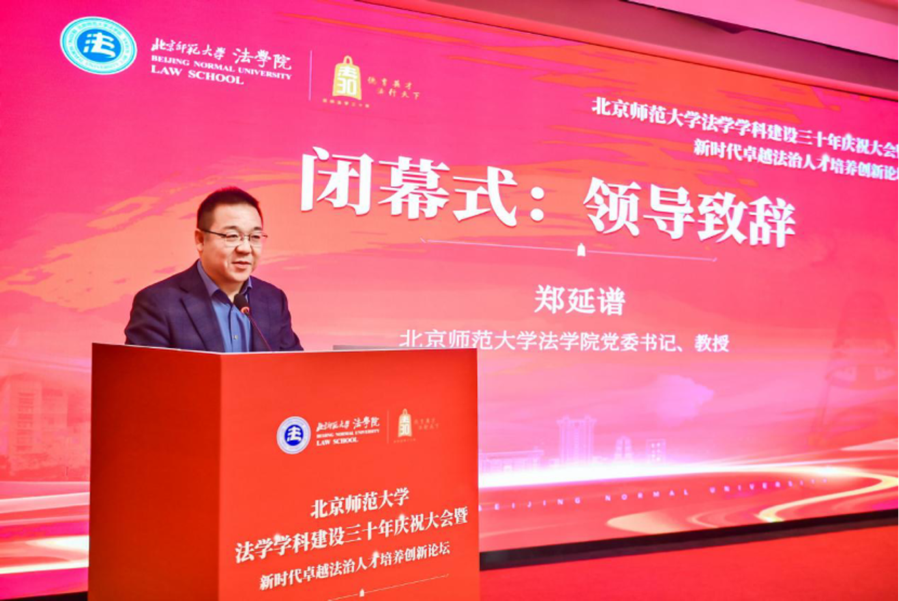
The forum's closing ceremony featured an address by Professor Zheng Yanpu, Party Secretary of the Law School at Beijing Normal University. Professor Zheng reflected on the conference's fruitful outcomes and expressed his sincere gratitude to the distinguished guests for their insightful contributions. He also articulated expectations for future in-depth research on “Artificial Intelligence + Legal Education”. The forum drew to a successful conclusion amidst warm applause.
Over three decades of dedicated effort, the legal scholars of Beijing Normal University have written a history of struggle, rising from humble beginnings to strength through wisdom and sweat. In this new era and on this new journey, the Law School remains committed to bravely shouldering its mission. It will continue to cultivate outstanding legal talents who possess both virtue and ability, contributing renewed and greater strength to the comprehensive rule of law and the great rejuvenation of the Chinese nation.