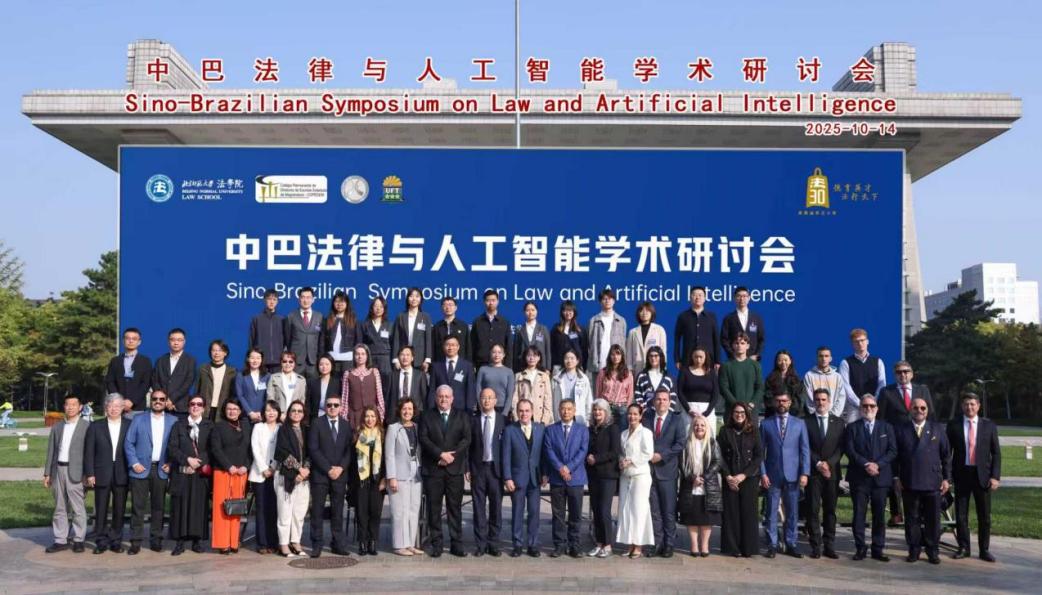
On October 14, 2025, the "Sino-Brazilian Symposium on Law and Artificial Intelligence" was successfully held at the Yingdong Auditorium of Beijing Normal University, hosted by the university's Law School. This conference served as a key academic activity celebrating the 30th anniversary of the establishment of the law discipline at Beijing Normal University and functioned as an innovative forum for cultivating outstanding legal talent in the new era. Conducted entirely in English, the international academic conference brought together over seventy representatives from China and Brazil, spanning academia, judicial authorities, the legal profession, and student bodies. The Brazilian delegation consisted of 22 judges and university professors from various states, including representatives from the Brazilian Judges' Academy and regions such as Tocantins, Maranhão, Roraima, Mato Grosso, Amapá, Minas Gerais, Rio Grande do Sul, and Acre. On the Chinese side, experts and practitioners participated from institutions including the National Judges College, Beijing Internet Court, Chaoyang District People's Procuratorate of Beijing, Tsinghua University, Renmin University of China, the Institute of Law of the Chinese Academy of Social Sciences, and Yingke Law Firm. The attendees engaged in in-depth discussions on topics such as the application of artificial intelligence in the judicial field, algorithm transparency, and institutional innovation. These dialogues reflected the high level of attention and willingness to cooperate between China and Brazil regarding cutting-edge issues in the digital rule of law.
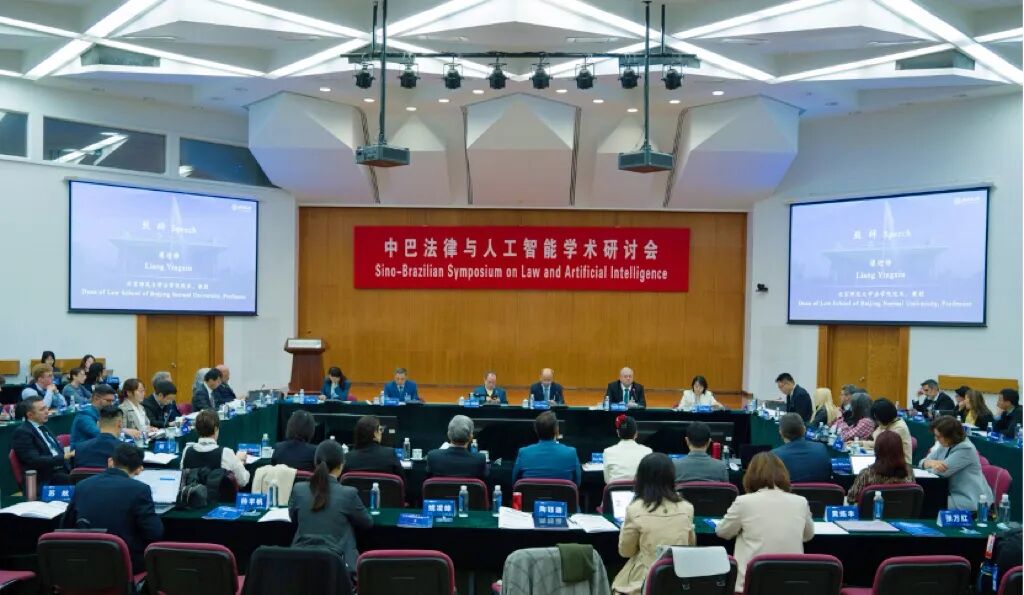
Opening Ceremony
The opening ceremony was presided over by Associate Professor Yang Chao, Director of the International Cooperation and Exchange Office of the Law School at Beijing Normal University. In his opening remarks, Professor Liang Yingxiu, Dean of the Law School, extended a warm welcome to the Brazilian guests and reflected on the decade-long tradition of in-depth cooperation between the Law School and various Brazilian sectors. He highlighted that the Law School places significant emphasis on frontier exploration in digital social governance, AI governance, and digital justice, noting its sustained interaction with Brazilian universities and judicial institutions. Looking ahead, Professor Liang expressed the Law School's commitment to deepening collaboration with Brazilian partners in joint research, talent cultivation, and institutional building, aiming to contribute wisdom and strength to global digital governance.
Dr. Marco Boas, Chairman of the Permanent Committee of the Brazilian State Judges' Academy (COPEDEM) and a judge at the Tocantins State Court, described the seminar in his speech as not merely an academic exchange, but as a bridge connecting the two nations. He commended China's achievements in social development and its artificial intelligence strategy, suggesting these offer valuable insights for Brazil as it formulates its own national strategy. Dr. Boas also expressed his hope to foster long-term cooperation between the two countries in academia, the judiciary, and technology through this platform. Professor Tarsis Oliveira from the Federal University of Tocantins emphasized that while artificial intelligence is accelerating judicial efficiency, it requires support from ethical norms and algorithmic transparency. He praised China's leading position in the field of AI and expressed hope that the seminar would mark a new starting point for deepening academic cooperation between China and Brazil.
The successful convening of this seminar signifies a new stage in Sino-Brazilian cooperation in the fields of law and artificial intelligence. Both parties unanimously agreed to leverage this event as an opportunity to further expand cooperative areas, promote the in-depth exchange of knowledge and experience, and jointly explore the path of legal modernization in the context of AI, contributing wisdom to the construction of a fair and human-centric digital society.
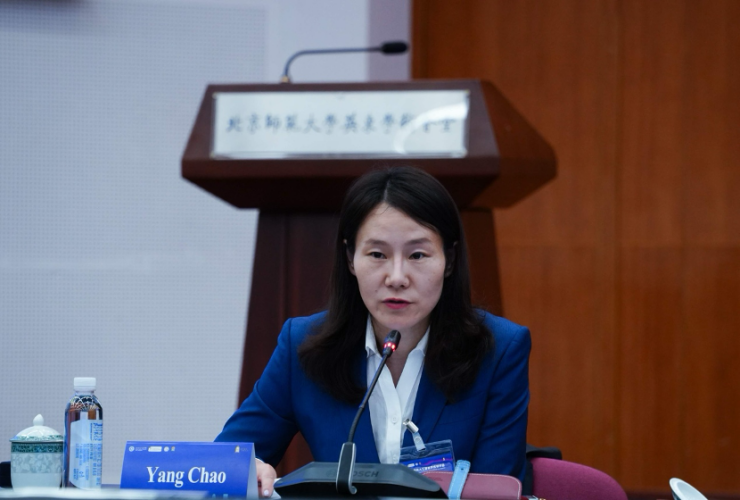
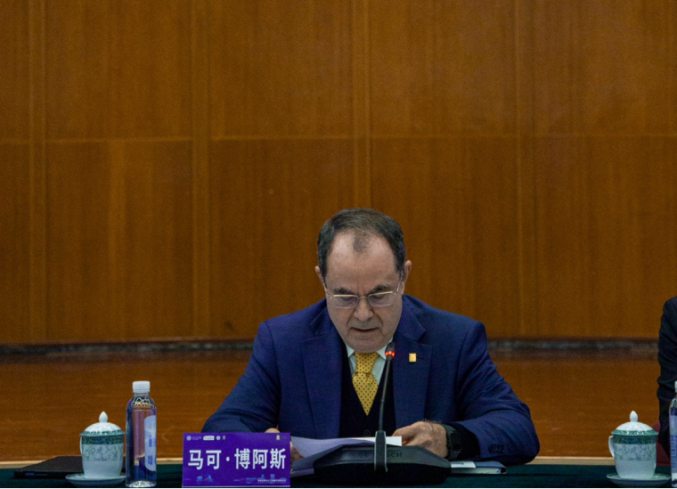
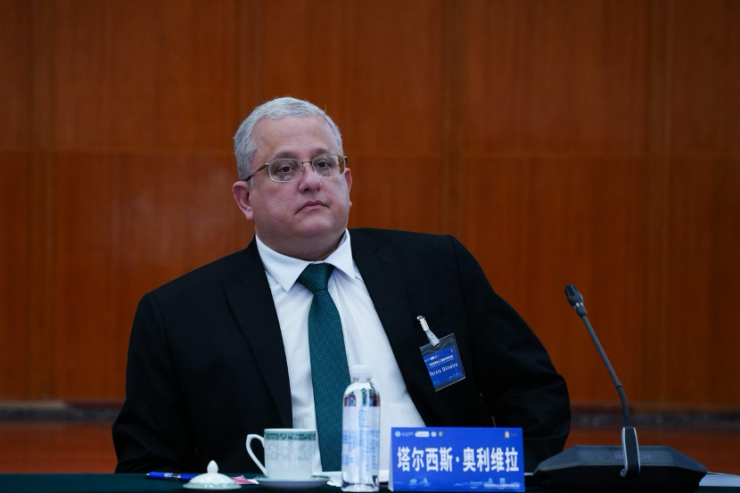
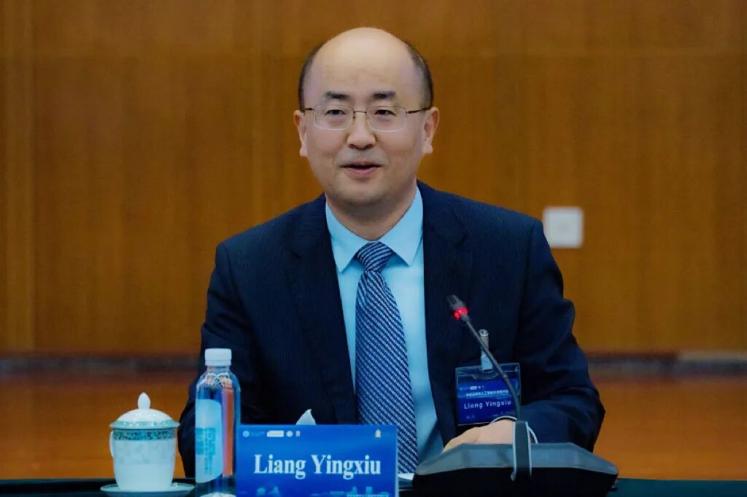
The forum of this seminar conducted in-depth discussions on topics such as the application of AI in judicial activities, regulatory paths and development of AI in judicial practice, and evaluation and implementation plans for trustworthy judicial AI.
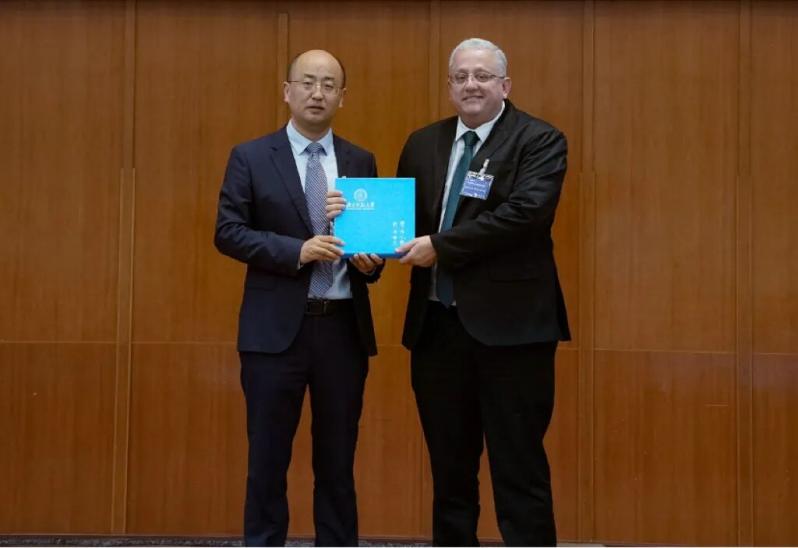
Session One: Application of AI in Judicial Activities - Good Practices and Governance Framework
The first session of the conference was chaired by Professor Yuan Zhijie, Vice Dean of the Law School of Beijing Normal University. He emphasized that artificial intelligence is profoundly changing the operational logic of the judicial system. This session, themed "Application of AI in Judicial Activities - Good Practices and Governance Framework," invited experts from China and Brazil to deeply discuss the application prospects and regulatory paths of judicial AI based on institutional design and practical experience.
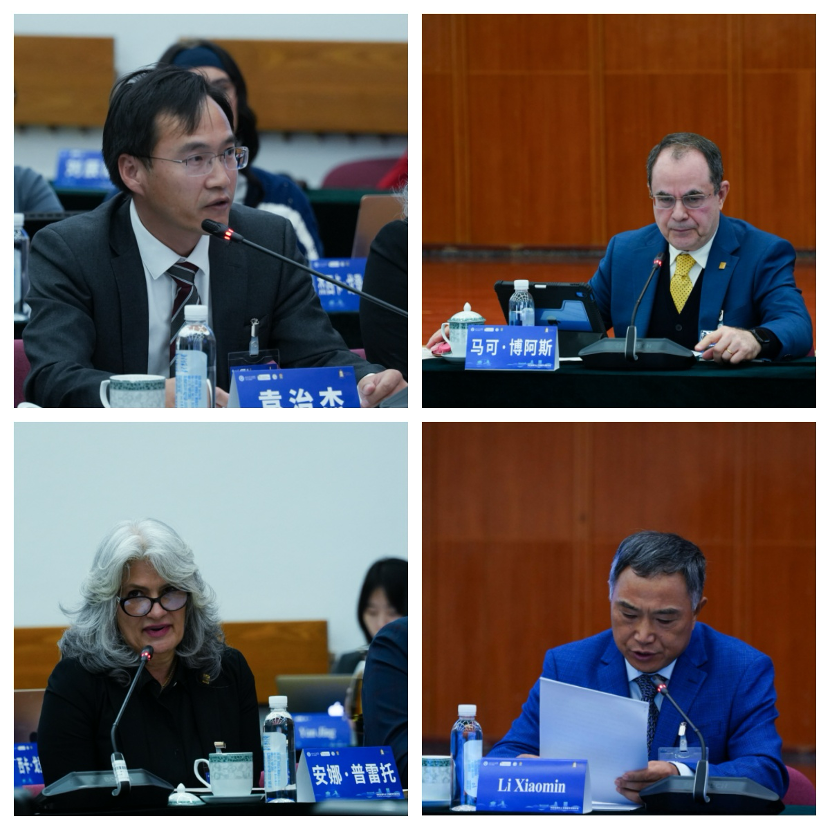
Dr. Marco Boas, Chairman of the Permanent Committee of the Brazilian State Judges' Academy and a judge of the Tocantins State Court, spoke on the topic "From Teaching to Practice: How Artificial Intelligence Reshapes the Efficiency of the Brazilian Judicial System." He introduced the extensive application of artificial intelligence in judicial training and case handling, drawing on his work experience at the Brazilian Judicial Training and Research Institute (COPEDEM) and the Judicial Administration and Technology College (ESMAT).
Ana Pretto, the coordinator of the permanent committee of the Brazilian State Judges' Academy and the executive director of the Tocantins Higher Judicial School, presented on "The AI Laboratory of the Tocantins Higher Judicial School: An Important Tool for the Digital Transformation of the Tocantins Judicial System," detailing the operational mechanisms and practical experiences of the AI Laboratory (LIIARES). She pointed out that the laboratory not only promotes applied research and technology pilots within the judicial system but also facilitates the transformation of results through interdepartmental collaboration, playing a crucial role in training judges' digital skills and building a judicial innovation ecosystem, thus becoming a backbone of the digital transformation of the Tocantins judicial system.
Li Xiaomin, former vice president of the National Judges Academy, systematically elaborated on the application of artificial intelligence in the Chinese judicial system from the dual perspectives of institutional design and judicial practice. He noted that artificial intelligence has played an important role in areas such as the "same case, same judgment" mechanism, automatic document generation, and intelligent litigation services, which not only enhances judicial efficiency but also provides a powerful tool for unifying judgment standards. On this basis, he further emphasized that the application of technology must set reasonable boundaries to prevent erosion of the judiciary and ensure that the auxiliary nature of AI is not distorted through a sound legal system.
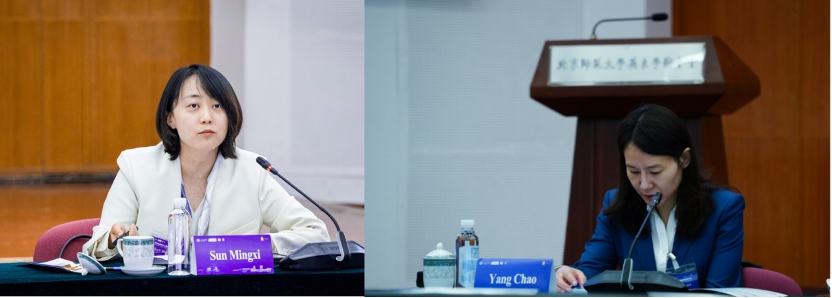
Sun Mingxi, vice president of the Beijing Internet Court, spoke in conjunction with the specific practices of the Internet court. Since its establishment in 2018, the Beijing Internet Court, as one of the world's first judicial institutions specifically handling internet cases, has not only responded to the emerging new types of rights and interests conflicts in the digital society but also accumulated institutional experiences that can be referenced for the judicial systems in China and globally.
During the discussion session, Associate Professor Yang Chao from the Law School of Beijing Normal University commented that the speeches from various countries addressed the core issues of AI judicial applications, reflecting the pursuit of judicial efficiency and fairness while highlighting the importance of institutional construction. She emphasized the need to accelerate the formation of a systematic legal framework covering algorithm review, responsibility allocation, and procedural guarantees. Professor Luciano Araújo from the University of São Paulo, Brazil, pointed out that judicial information systems face ongoing challenges during iterative updates. The legal profession needs systematic digital skills training, and China and Brazil should continue to deepen cooperation in academic research, policy practice, and talent cultivation to promote the standardized and institutional development of AI technology in the judicial field.
Session Two: The Application of AI in Judicial Activities - Application Spectrum and Practical Evidence
This session was chaired by Dr. Marco Boas, the chair of the Permanent Committee of the Judges' Academy of various states in Brazil and a judge of the Tocantins State Court. The theme of this session was "The Application of AI in Judicial Activities - Application Spectrum and Practical Evidence," focusing on the experiences and challenges of both China and Brazil in judicial AI practices, discussing how to achieve a balance between transparency, accountability mechanisms, and the protection of rights, and promoting the establishment of a trustworthy digital judicial system.
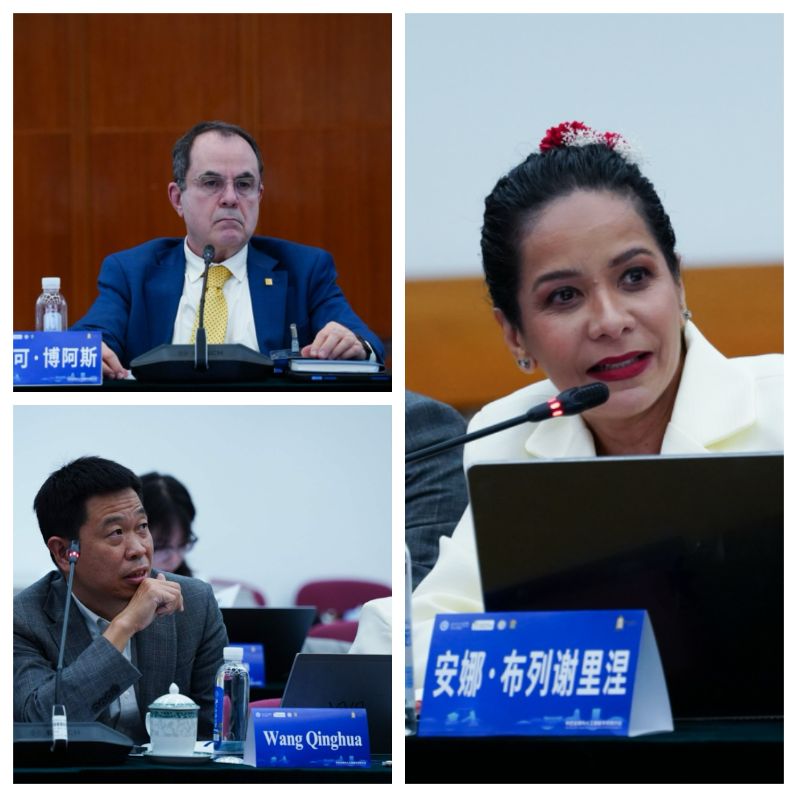
Professor Wang Qinghua, director of the Digital Law Research Center at Beijing Normal University Law School, systematically analyzed the sources and shaping processes of platform power from four dimensions: data, algorithms, architecture, and models. He pointed out that the governance issues triggered by artificial intelligence technology are often closely related to these underlying elements, and thus legal and policy recommendations must specifically respond to these characteristics. On this basis, he proposed a regulatory approach of "matching rights and responsibilities," emphasizing that any technological application should be embedded within a framework of responsibility, protecting users' basic rights while ensuring that platform entities assume corresponding obligations, thereby forming a more resilient and equitable digital governance order.
Professor Ana Bliacheriene from the University of São Paulo's Public Administration Policy and Professor Luciano Araújo from the University of São Paulo's Data Science and Information Systems jointly spoke on the topic "Algorithmic Justice Practices: The Proactive Application of Artificial Intelligence in the Brazilian Judicial System." They reviewed the AI application practices of the Brazilian Federal Court, State Courts, and Superior Courts, demonstrating the multidimensional impact of artificial intelligence on judicial services, case management, and institutional governance. They particularly emphasized that in the digital transformation of the judiciary, transparency, accountability mechanisms, and the protection of basic rights must be placed on an equally important level, and discussed the limitations and potential of advancing judgment automation within the framework of due process.
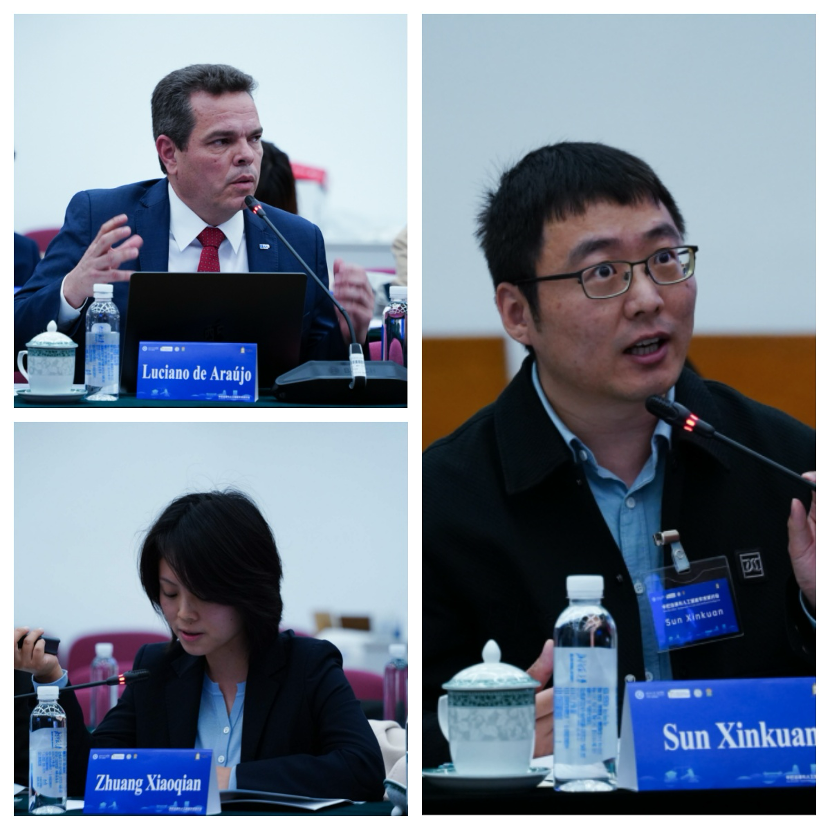
Prosecutor Zhuang Xiaoqian from the Chaoyang District People's Procuratorate of Beijing shared experiences of applying artificial intelligence technology in prosecutorial work, drawing on the practices of Chinese procuratorial agencies. She pointed out that the Supreme People's Procuratorate has recently made it clear that it is necessary to "actively explore the use of big data, blockchain, artificial intelligence, and other technologies to assist in judicial case handling." Under this guidance, the procuratorial authorities in Chaoyang District, Beijing, have conducted multi-level application explorations in criminal case handling, legal supervision, and public procuratorial services through the "Digital Procuratorial" platform.
During the discussion, Associate Professor Sun Xinkuan from Beijing Normal University Law School highlighted that the speeches in this session emphasized the legal response to the wave of artificial intelligence and the ongoing guardianship of justice values. He emphasized that academia and the practical field should work together to promote a balance between "technological rationality" and "value rationality," ensuring that judicial AI does not deviate from the core goals of the rule of law while innovatively applying technology. Professor Humberto Araújo from the Federal University of Tocantins in Brazil analyzed the evolutionary trends of artificial intelligence from the perspective of underlying technological logic, believing that AI has great potential in improving judicial case handling efficiency and assisting decision-making, but its value realization must rely on interdisciplinary cooperation and institutional support.
Session Three: Regulatory Pathways and Development of AI in Judicial Practice
Session Three was chaired by Professor Huang Zhenzhong, Director of the Center for Foreign-related Rule of Law Research at the Law School of Beijing Normal University. In his opening remarks, Professor Huang noted that the rapid advancement of artificial intelligence presents both new opportunities and significant challenges for judicial systems. He emphasized that addressing these developments requires not only responses to urgent practical issues but also in-depth discussions regarding institutional design, international cooperation, and value orientation. Operating under the theme "Regulatory Pathways and Development of AI in Judicial Practice," this session convened scholars and practitioners from China and Brazil. The participants engaged in a dialogue concerning the institutional boundaries and future trends of judicial AI.
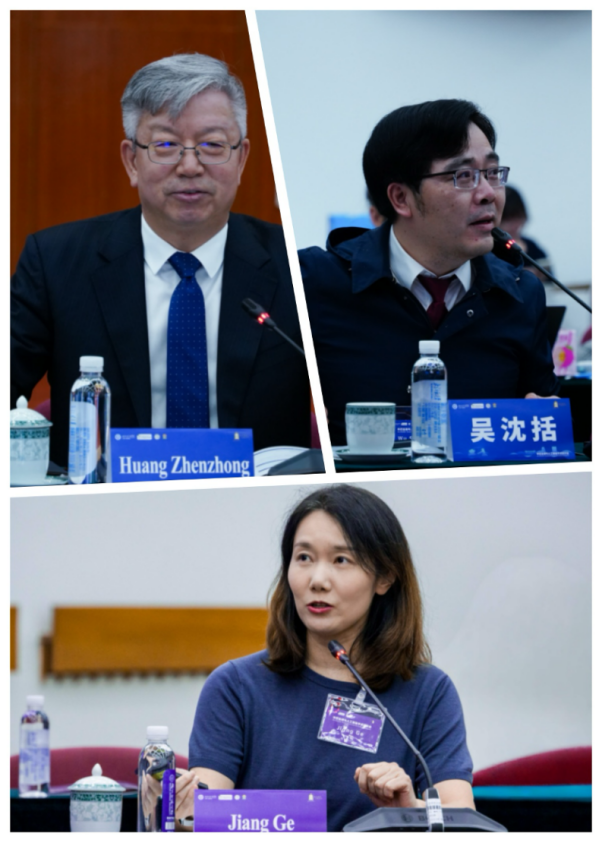
Associate Professor Jiang Ge from Tsinghua University Law School discussed what constitutes "human intellectual achievements" in the era of artificial intelligence. From the perspective of policy functions, she proposed that a system balance should be established between incentivizing innovation and avoiding losses from unfair competition, thereby providing a more reasonable interpretative path for intellectual property protection.
Wu Shenkuo, a doctoral supervisor at the Law School of Beijing Normal University and deputy director of the Research Center of the China Internet Association, focuses on China's position and path in global artificial intelligence governance. He combines the 11 key propositions proposed by the "Global Artificial Intelligence Governance Initiative" to point out that the Chinese approach has practical significance and institutional demonstration value in promoting global governance cooperation.
Liziane Oliveira, a law professor at the University of Brasília and the University of Tiradentes, analyzes the challenges and prospects of AI regulation in Brazil based on domestic practices. She believes that the design of the AI liability system must find a balance between encouraging innovation, enhancing legal certainty, and protecting fundamental rights, and that a more systematic legal framework needs to be established in response to the rapidly evolving technological environment.
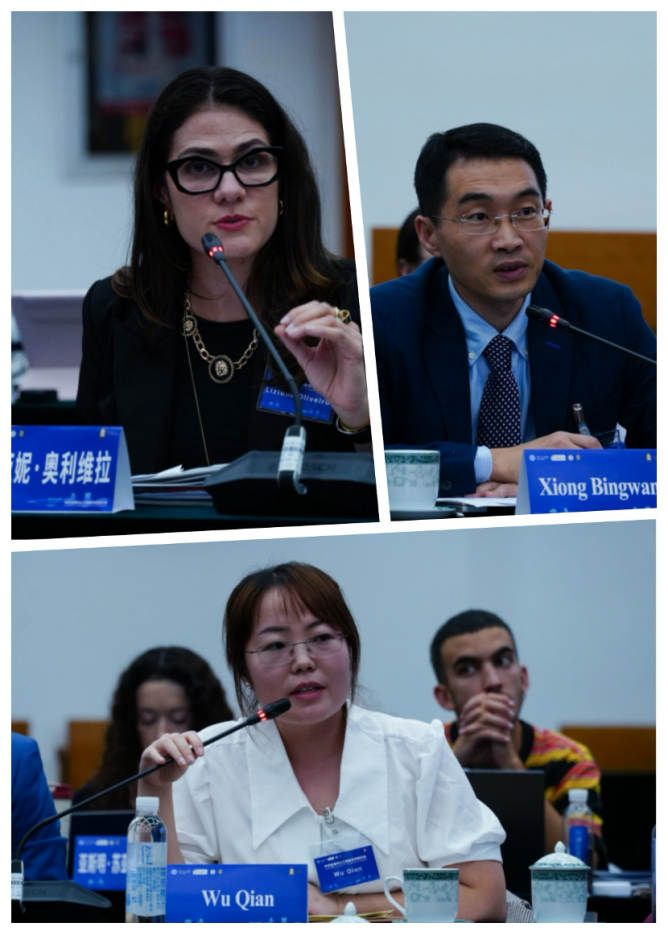
Xiong Bingwan, a professor at the Law School of Renmin University of China, focuses on the issue of data property rights in the era of artificial intelligence. He introduces a new method for defining data property rights based on the concept of "bundle of rights" and analyzes the profound impact of data resources as key elements of production and circulation on market structure and legal systems, emphasizing the need for institutional innovation to promote the healthy development of the data factor market.
During the discussion session, Dr. Wu Qian, a lecturer at the Center on the Rule of Law and Development at Beijing Normal University, talked about the innovation issues of legal theory in the AI era, with both domestic and international scholars coincidentally identifying AI regulation as an important research topic.
Session Four: Trustworthy Judicial AI - Evaluation System and Implementation Plan
Session Four was moderated by Ana Bliacheriene, Professor of Public Management Policy at the University of São Paulo, Brazil. In her opening remarks, she emphasized that the development of trustworthy judicial AI extends beyond technical implementation, as it is intrinsically linked to institutional trust and social acceptance. Themed "Trustworthy Judicial AI - Evaluation System and Implementation Plan," this session aimed to explore the establishment of a verifiable, traceable, and socially legitimate artificial intelligence governance framework within judicial contexts. This objective was pursued through in-depth dialogue between academic and practical experts from China and Brazil.
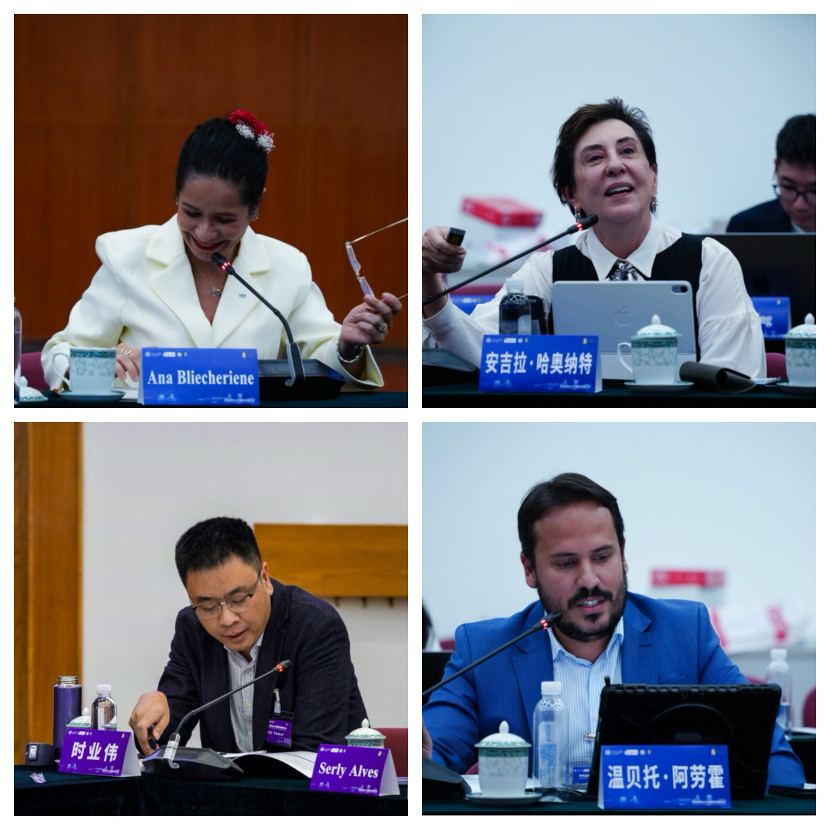
Angela Haonat, Vice Dean of the Higher Judicial School of Tocantins, Brazil, spoke on the topic "Judicial System in the AI Era: Challenges of Accountability, Governance, and Data Privacy Protection." She analyzed the increasingly widespread application of artificial intelligence (AI) in Brazilian judicial institutions, emphasizing both the efficiency gains it brings and the complex challenges it poses, including algorithmic decision errors, bias issues, and threats to legal certainty.
Shi Yewai, Associate Professor at the Law School of Beijing Normal University, discussed the dilemma of whether algorithm disclosure is equivalent to data export. Using the TikTok case as an example, he analyzed the legal conflicts between algorithm transparency obligations and cross-border data transfer, suggesting that potential conflicts should be mitigated through institutional design of classified regulation and neutral coordination mechanisms to promote a balance between cross-border compliance and data sovereignty.
Humberto Araújo, Professor of Electrical Engineering at the Federal University of Tocantins, presented his thoughts on "AI and IoT in the Judicial Ecosystem: Efficiency Improvement, Risk Prevention, and Data-Driven Decision Making." He analyzed the integrated application of artificial intelligence and the Internet of Things (IoT) in the judicial ecosystem from an interdisciplinary perspective, highlighting how such technologies can transform judicial services and promote dispute prevention, while also discussing the related challenges.
Tang Linyao, Associate Researcher at the Institute of Law of the Chinese Academy of Social Sciences, focused on how corporate law can facilitate financial technology regulation. He proposed that corporate law is not a substitute for financial regulation and consumer protection systems, but rather a powerful complementary tool that enhances the transparency and accountability of financial technology governance through targeted adjustments of rules, providing legal support for building a more robust financial technology ecosystem.
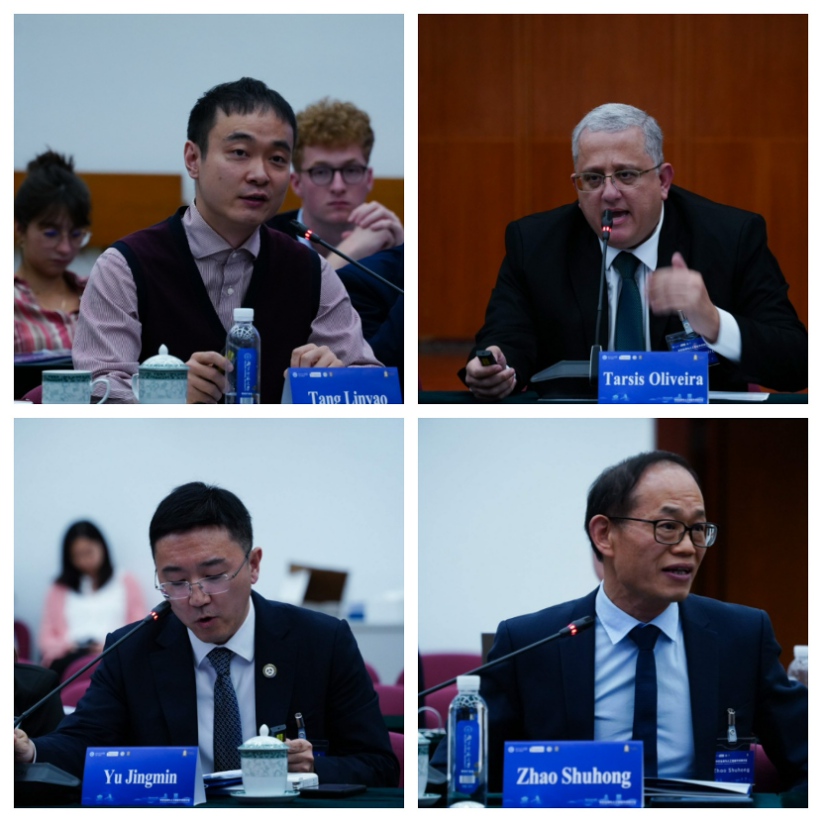
Tarsis Oliveira, Associate Professor at the Federal University of Tocantins, explored the boundary limitations of artificial intelligence applications in the field of criminal law. He suggested that although artificial intelligence has many applications in the field of criminal law, these applications are constrained by legal professionals, and the autonomy of judicial rulings cannot be replaced by algorithms. He believes this does not mean that artificial intelligence cannot become an important legal tool, but rather indicates that its application in criminal justice practice has limitations.
Lawyer Yu Jingmin, Deputy Director of the Global Foreign-related Criminal Legal Service Center of Yingke, delivered a speech titled "A New Journey of Smart Justice: AI Empowering Criminal Defense in China and International Perspectives." From the perspective of a practicing lawyer, he shared the practical applications of artificial intelligence technology in the field of criminal defense in China, introducing how his law firm uses AI tools to handle vast amounts of case materials, quickly retrieve legal provisions, organize evidence chains, and analyze sentencing circumstances, while also demonstrating specific outcomes such as AI-assisted identification of contradictions between indictments and evidence, and intelligent verification of legal provisions.
During the discussion session, Associate Professor Zhao Shuhong from the Law School of Beijing Normal University used the example of asking AI how to commit suicide to confront the serious risks that generative artificial intelligence may pose. He pointed out that such cases highlight the necessity of establishing a stricter regulatory framework, calling for the dual construction of legal and ethical systems to ensure the safe and controllable application of AI in judicial and social fields. Liziane Oliveira, a professor at the Federal University of Tocantins in Brazil, believes that the autonomy of judicial decision-making is a core pillar of the legal system, and this attribute cannot be replaced by algorithms.

Closing Ceremony
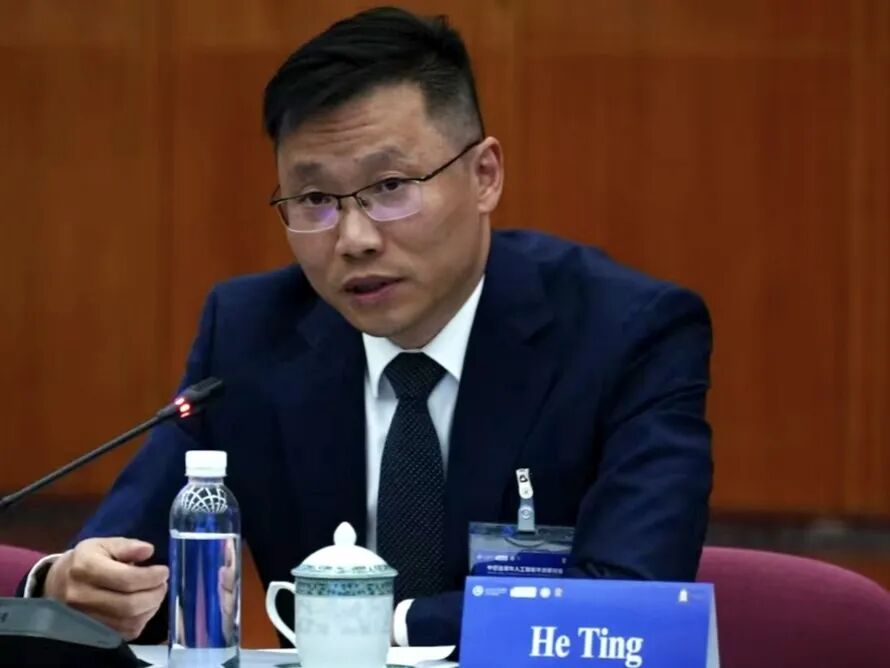
The closing session of the conference was hosted by Associate Professor Sun Ping from the Law School of Beijing Normal University. Dr. Marco Boas, Chairman of the Permanent Committee of the Judges' Academy of Brazil, once again expressed heartfelt thanks for the careful organization by the Law School of Beijing Normal University and highly praised the academic exchange platform and cooperation bridge established by this seminar for both China and Brazil. Subsequently, Professor He Ting, Vice Dean of the Law School of Beijing Normal University, delivered the closing remarks on behalf of the organizers. He pointed out that this seminar focused on cutting-edge topics related to artificial intelligence and its application in the judiciary, bringing together the wisdom and experience from academia and practice in both China and Brazil, with in-depth exchanges and fruitful outcomes. He especially thanked the participating experts and scholars for their active involvement, as well as the conference team and volunteers for their hard work. He expressed the hope that both institutions would take this seminar as an opportunity to continue deepening cooperation and promote research in artificial intelligence governance and judicial practice to yield more shareable and scalable results. Thus, the Sino-Brazilian Academic Symposium on Law and Artificial Intelligence was successfully concluded, with the conference coming to a close amidst warm applause.