On the afternoon of April 18, 2025, the appointment ceremony for the Supreme People’s Court’s Research Base for Duty Crimes and a special academic seminar were held in the Gao Mingxuan Lecture Hall of the Rear Main Building at Beijing Normal University. The event brought together a distinguished gathering of officials from central authorities, including the Standing Committee of the National People’s Congress, the Central Commission for Discipline Inspection and the National Supervisory Commission, the Supreme People’s Court, the Supreme People’s Procuratorate, as well as the Ministries of Foreign Affairs, Public Security, and Justice, alongside leading scholars from various universities and research institutions. Participants engaged in profound discussions on practical issues concerning duty crimes and international cooperation, jointly advancing the high-quality development of duty crime jurisprudence with Chinese characteristics in the new era.


Prior to the meeting, Liu Hui, Deputy Secretary of the Party Committee, Secretary of the Discipline Inspection Commission, and Supervisory Commissioner of BNU, met with Niu Keqian, Deputy Chief Judge of the Second Criminal Division of the Supreme People’s Court and Director of the Research Base for Duty Crimes, along with other attendees. Liu Hui emphasized that the establishment of the Research Base is a crucial step in implementing the Party Central Committee’s strategic deployment for comprehensive law-based governance and deepening the institutional framework of the anti-corruption campaign. BNU will fully leverage its strengths in legal studies to support the base’s development, thereby contributing to the modernization of the national governance system and capacity.
The meeting comprised four segments: an opening ceremony, an appointment ceremony, academic discussions, and a closing summary. The opening ceremony was presided over by Wang Xiumei, a BNU Law School professor and Deputy Director of the Research Base. Delivering keynote speeches were Director Niu Keqian and Chai Rong, Party Secretary and Professor at the BNU Law School.
Director Niu spoke highly of the Research Base as a vital platform for bridging theoretical research with judicial practice, expressing strong expectations for its future. He noted that China’s current governance of duty crimes faces complex challenges, including the intertwining of domestic and overseas corruption and the overlap of traditional and emerging issues, making the close integration of theory and practice more urgent than ever. In this context, he outlined four key priorities for the base:
First, upholding the correct political direction. The base must be guided by Xi Jinping Thought on Socialism with Chinese Characteristics for a New Era, ensuring that all research activities maintain sound ideological foundations and remain highly aligned with the Party Central Committee.
Second, building a high-end think tank. Grounded in judicial practice, the base should produce high-quality research outcomes to actively inform the formulation of judicial interpretations, the guidance of case adjudication, and international cooperation.
Third, maintaining a problem-oriented approach. Research should focus on critical areas such as fugitive repatriation, asset recovery, and cross-border corruption governance, addressing practical needs through theoretical innovation.
Fourth, fostering complementary advantages and collaborative progress. Under the guidance of the Supreme People’s Court’s Second Criminal Division, the base should draw on BNU Law School’s academic resources to deepen multi-party cooperation and institutionalize mechanisms, ensuring a sustained output of substantive results.
In her remarks, Secretary Chai Rong stated that the establishment of the Research Base plays a pivotal role in deepening theoretical and practical research on duty crimes, as well as addressing emerging challenges in the field. The Law School will continue to support the close alignment of duty crime research with the modernization of national governance, thereby contributing to the nation’s anti-corruption efforts.
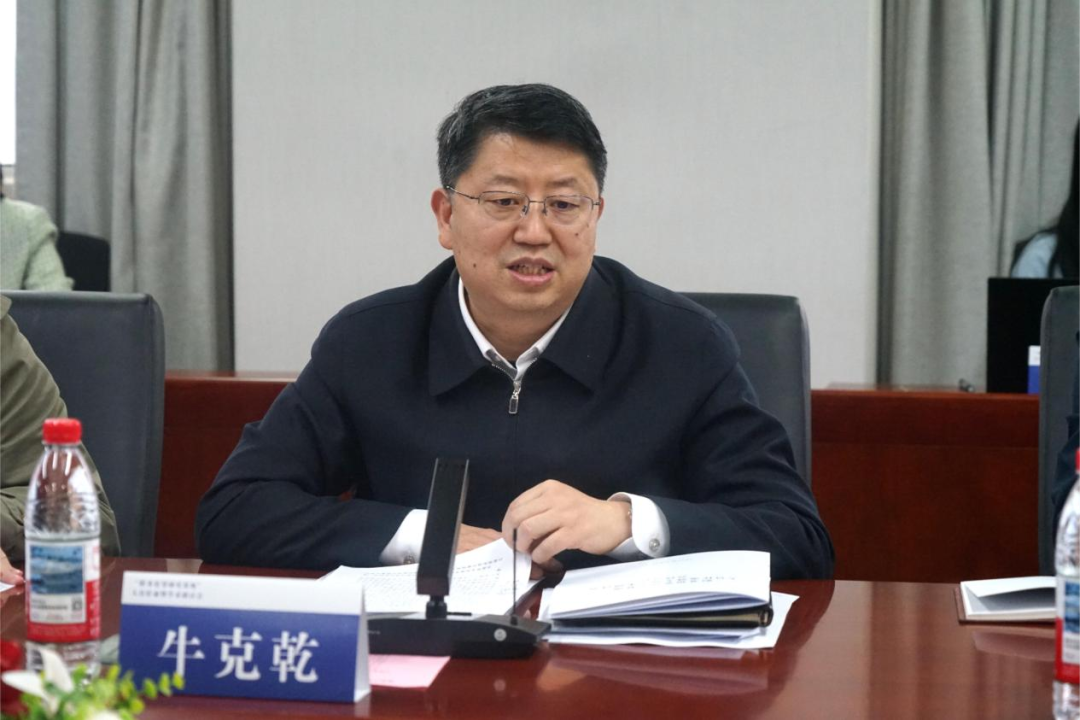

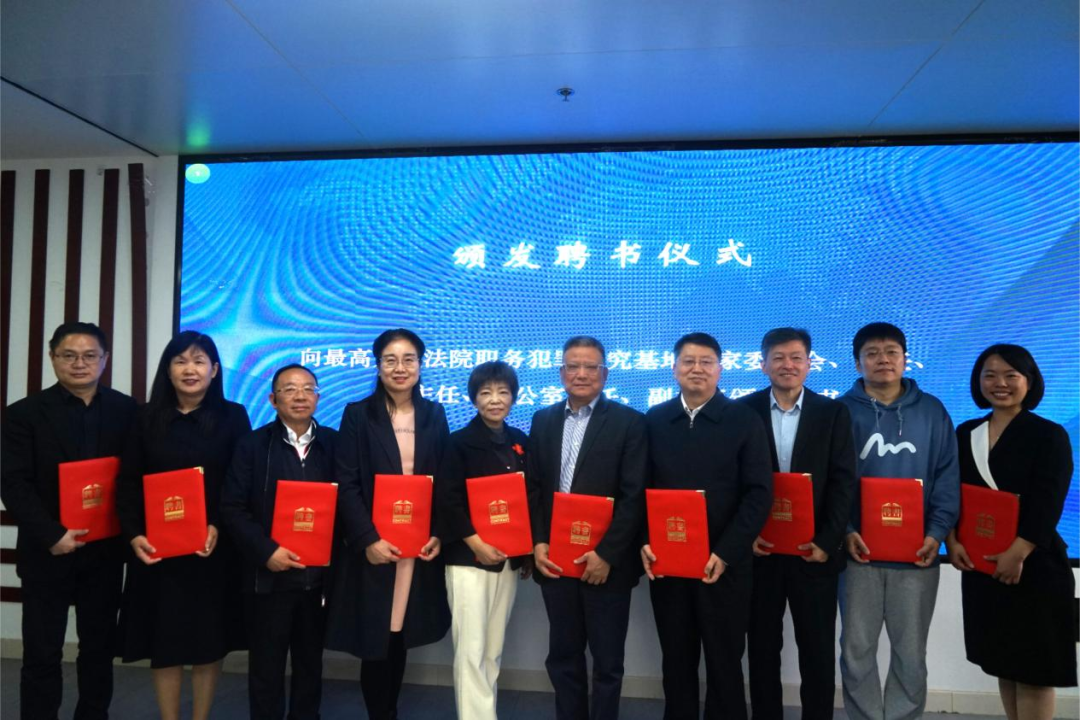
Subsequently, an appointment ceremony was held for the base’s leadership team, including its director, deputy directors, and office heads, as well as members of the expert committee. On behalf of the base, Director Niu Keqian expressed gratitude to the nine newly appointed committee members. He expressed his hope that they would fully leverage their professional expertise and academic influence in legal research and anti-corruption practice. By doing so, they can assist the base in tackling key and difficult issues in the new era, generating high-quality research outcomes, and collectively serving the national anti-corruption campaign.

Following the ceremony, the base hosted its first academic seminar of 2025. Attending experts engaged in profound discussions on topics such as the cross-border pursuit of fugitives and asset recovery, the domestic implementation of international conventions, and international criminal justice cooperation, ultimately offering constructive recommendations.

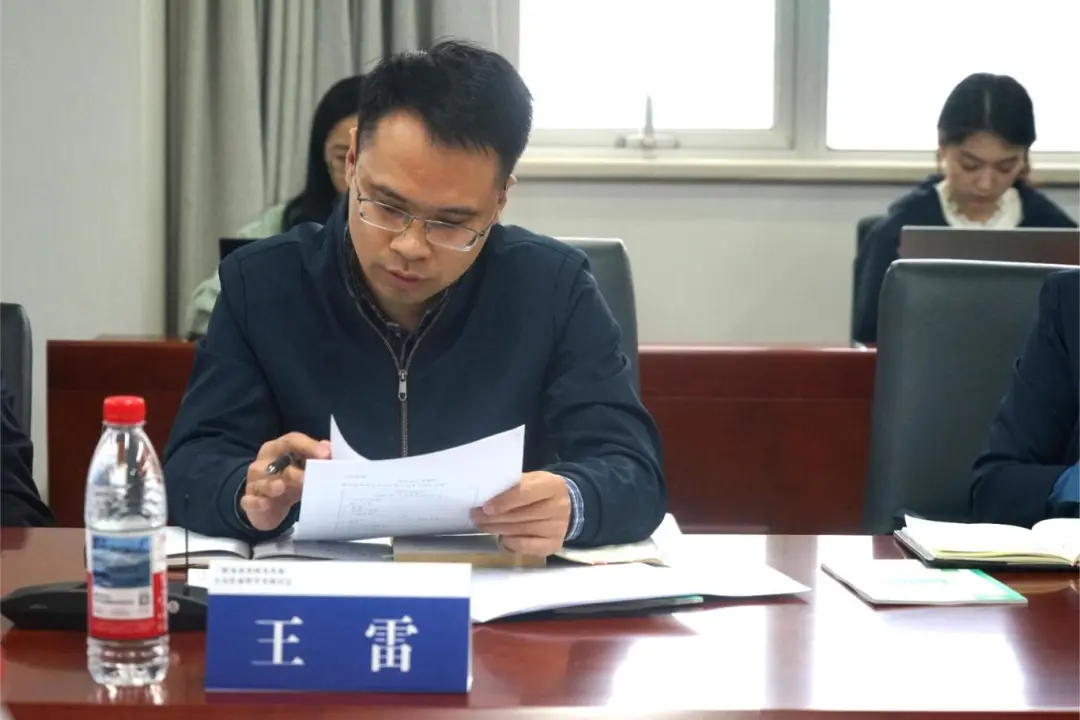

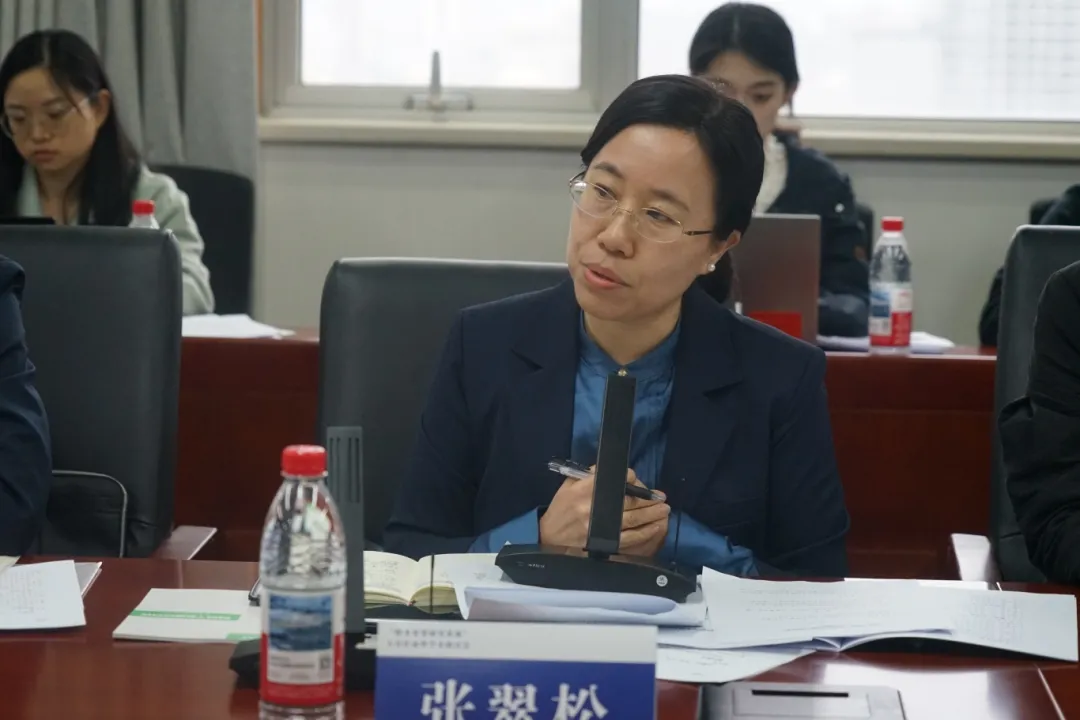
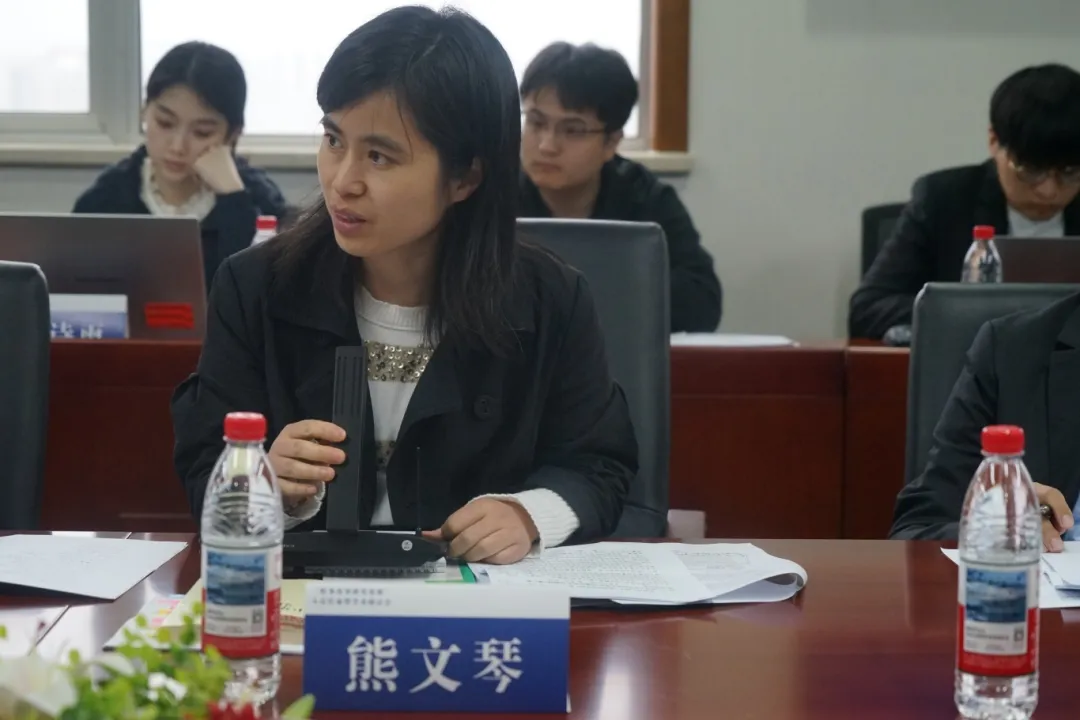
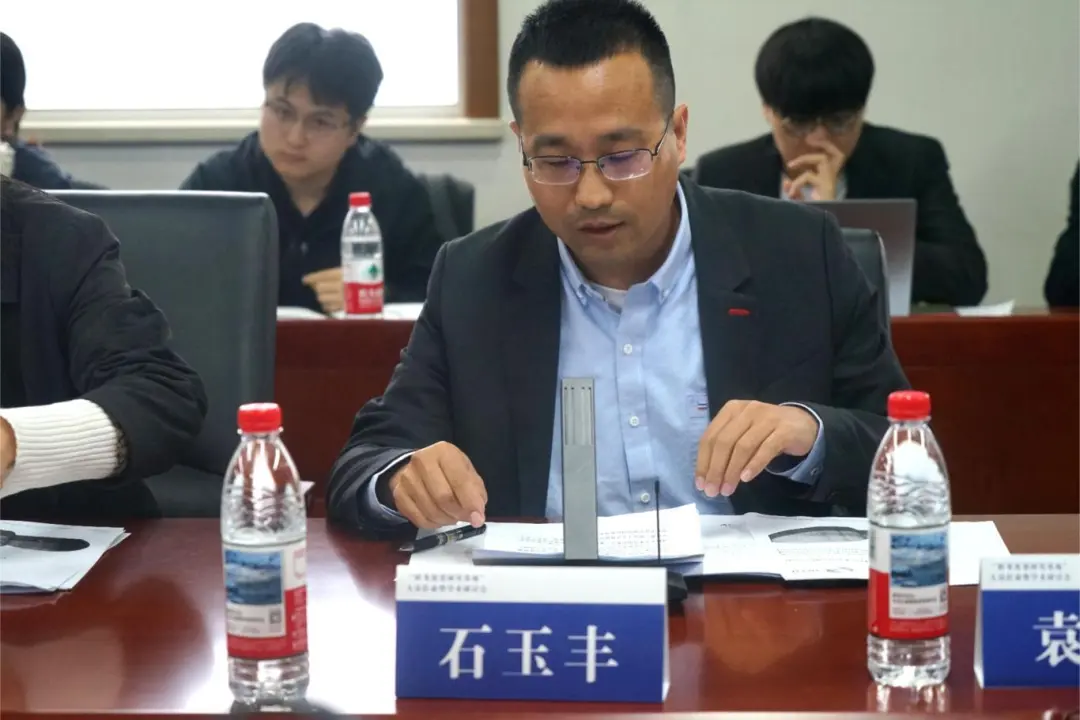
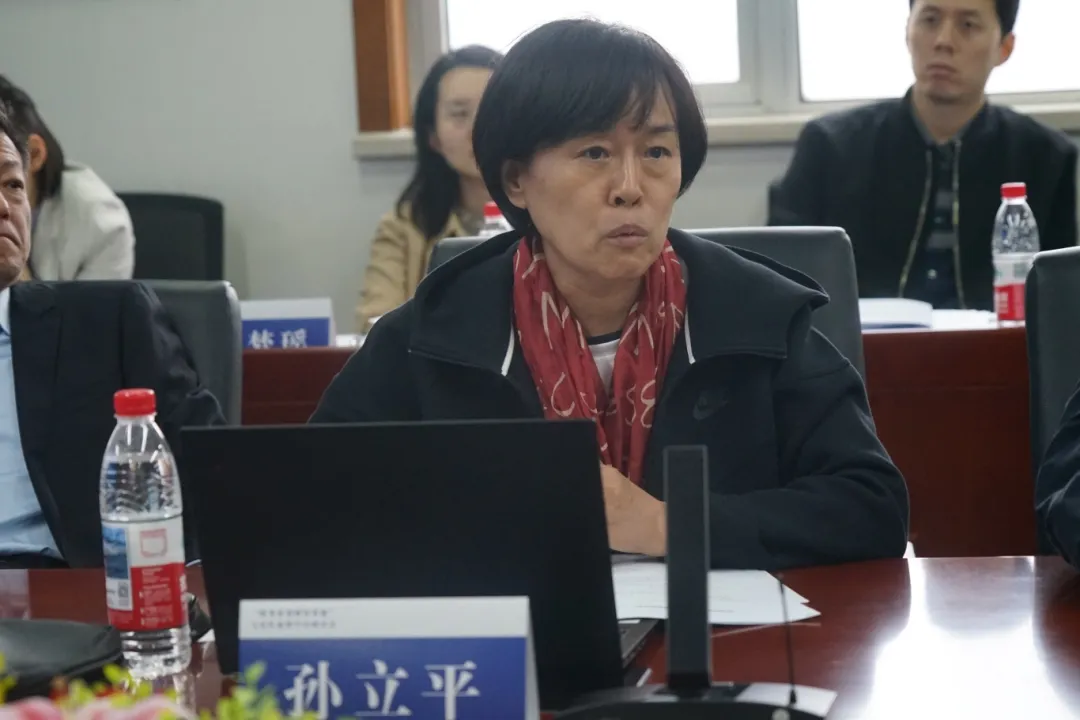
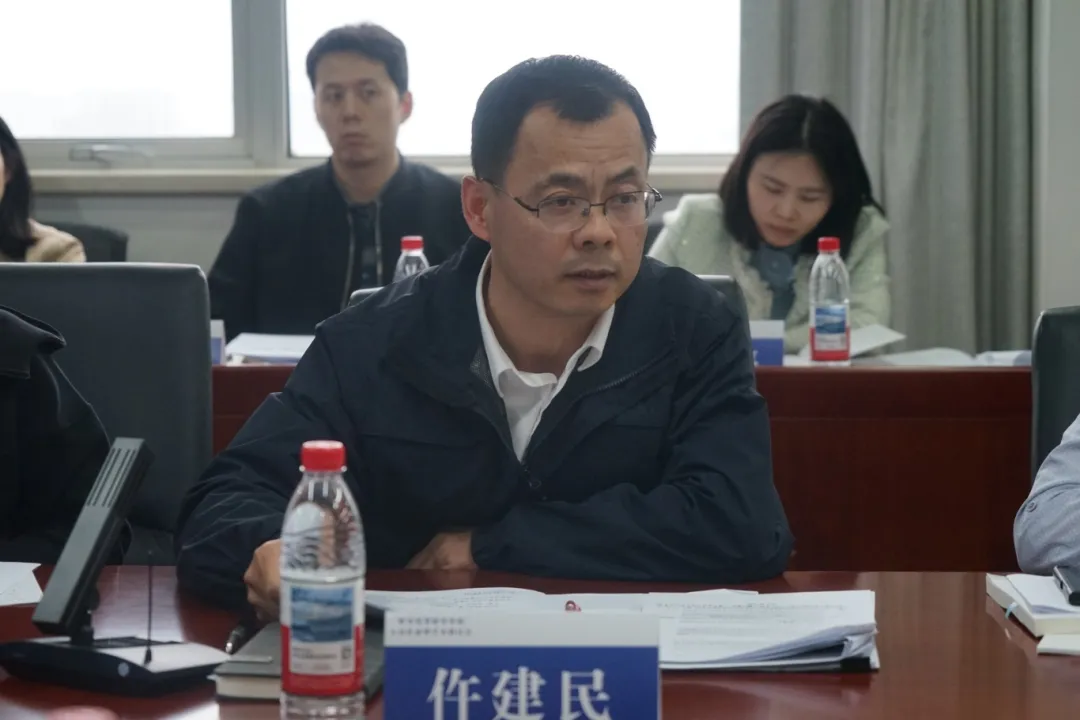

Colleagues from central ministries and commissions spoke.
(Swipe left or right to see more)






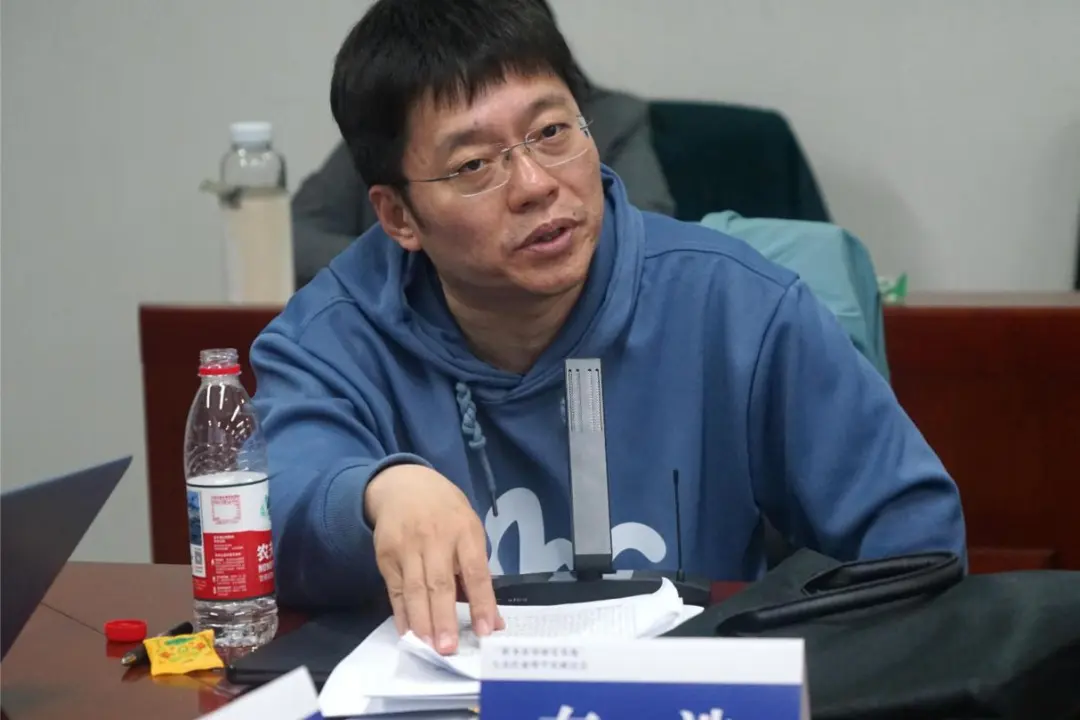

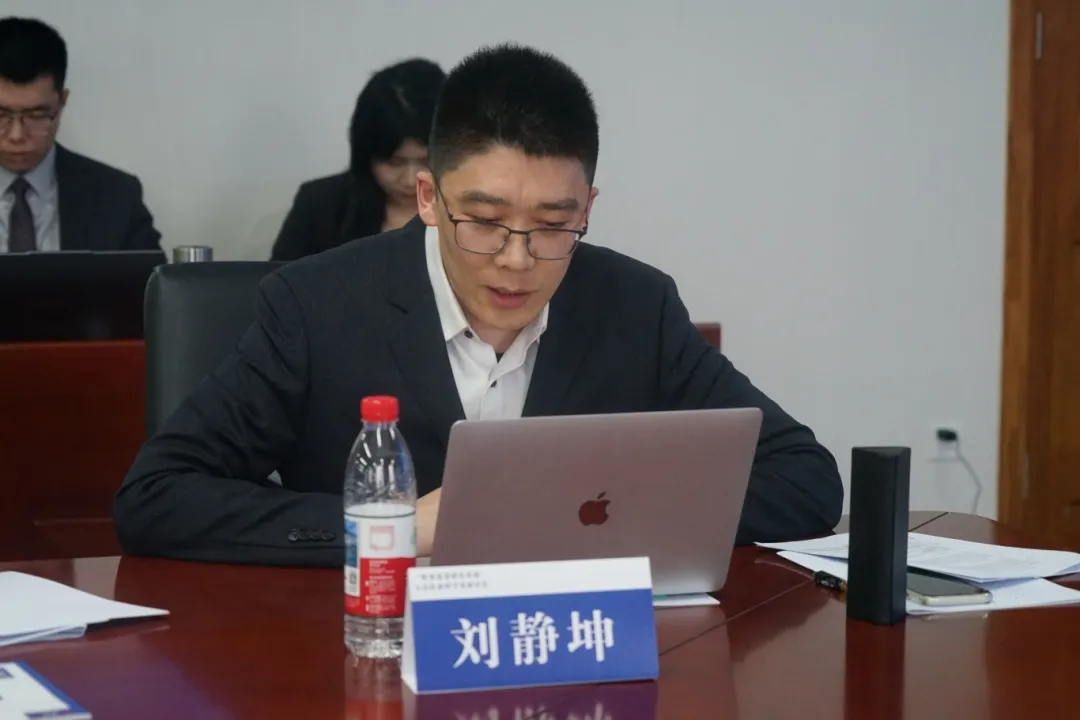
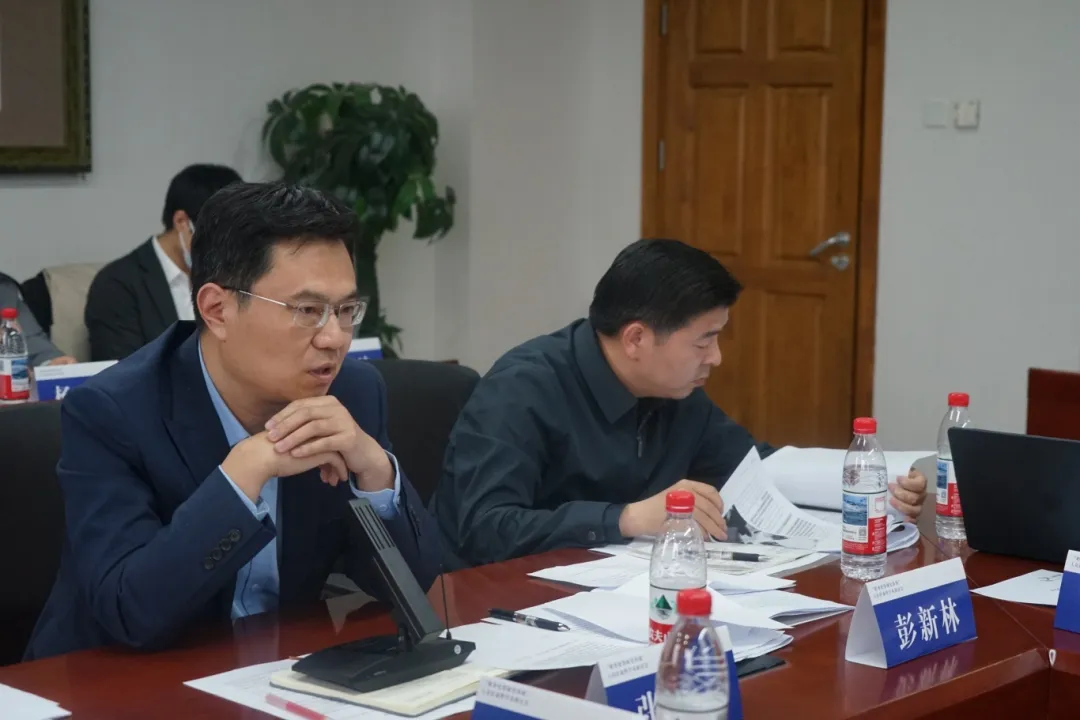
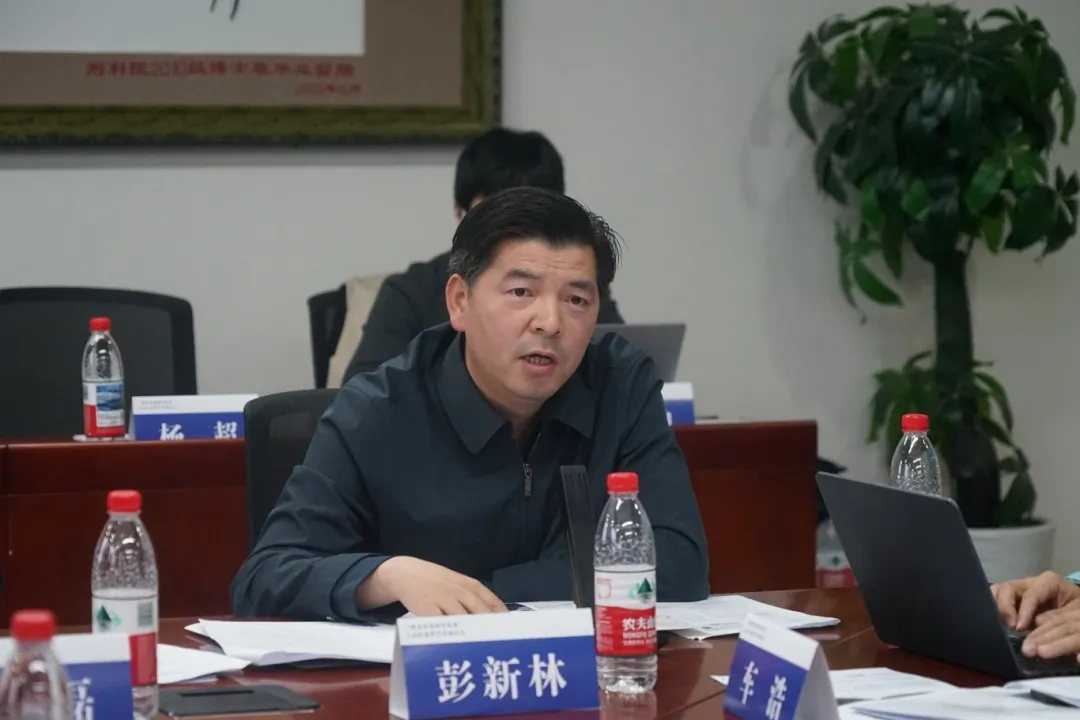
Experts and scholars spoke.
(Swipe left or right to see more)
The meeting concluded with a summary speech by Professor Wang Xiumei, Deputy Director of the Base from the Law School of Beijing Normal University. She stated that this conference focused on the key and difficult issues in the judicial handling of duty crimes, with enthusiastic and in-depth discussions that reflected a problem-oriented approach to research and demonstrated a deep integration of academic research with judicial practice, yielding significant results. Professor Wang Xiumei indicated that the Base will continue to adhere to a problem-oriented, practice-oriented, and theoretical approach, deeply exploring major theoretical and practical issues in the governance of duty crimes, promoting the transformation and application of research outcomes, and striving to build an influential national research hub for duty crime.