

On September 29, 2025, the "Artificial Intelligence Development and Governance" forum, a key component of the 2025 China-Africa Internet Development and Cooperation Forum, was held in Xiamen, Fujian Province. Hosted by Beijing Normal University, the event was attended by Wang Jingtao, Deputy Director of the Cyberspace Administration of China; Mmadji Kapachia, Secretary-General of the Ministry of Posts, Telecommunications, Digital Economy, and Transparency of Comoros; Bidadou, Ambassador of Burkina Faso to China; and Guo Guoyun, Member of the Standing Committee of the Xiamen Municipal Committee and Minister of Propaganda, all of whom delivered speeches. Also in attendance were Gabi Bugaga, Minister of Communication and Media of Burundi, and Zhang Yan, Member of the Standing Committee of the Fujian Provincial Committee and Minister of Propaganda.
The forum brought together representatives from central and state government agencies, African government departments, and relevant Fujian and Xiamen municipal bodies. Participants also included experts from institutions such as the China Academy of Information and Communications Technology, the National Industrial Information Security Development Research Center, the Global System for Mobile Communications Association, Beijing Normal University, and the Beijing Institute of Technology, alongside prominent enterprises and think tanks including Yuan Programming, OPPO, Alibaba, Inspur Information, and Guotou Intelligent. The meeting featured in-depth discussions on the development and opportunities of artificial intelligence, its security and governance, and international cooperation in AI governance.
The opening session was moderated by Xu Feng, Deputy Director of the International Cooperation Bureau of the Cyberspace Administration of China.
In his address, Wang Jingtao, Deputy Director of the Cyberspace Administration of China, stated that artificial intelligence, as a strategic technology leading a new round of technological revolution and industrial transformation, is profoundly reshaping production, lifestyles, and learning methods, ushering in an intelligent era characterized by human-machine collaboration, cross-border integration, and shared co-creation. He emphasized that the Chinese government attaches great importance to the innovative development, security governance, and inclusive application of AI, having made a series of strategic deployments to achieve a comprehensive and systematic leap in its capabilities, with positive results.
Wang expressed China's willingness to work with African nations to jointly promote the innovative, secure, and inclusive development of artificial intelligence, putting forward three proposals: Prioritize collaborative innovation to jointly advance the development of the AI industry; Emphasize safety governance to collectively mitigate risks associated with artificial intelligence; and focus on popularization and inclusiveness to ensure the shared benefits of AI development.
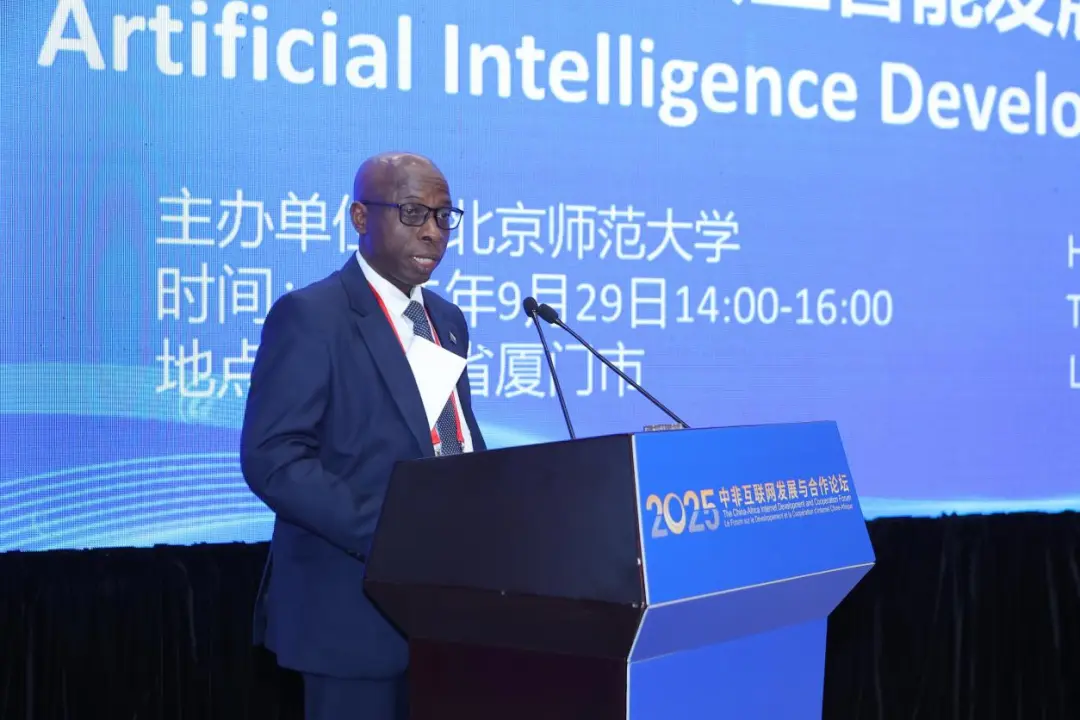
Mmadi Kappachia, Secretary General of the Comoros Ministry of Posts, Telecommunications, Digital Economy and Fairness and Transparency, said that this forum has built a platform for China and Africa to carry out technical cooperation, experience sharing and results sharing in the field of artificial intelligence. China is not only an important strategic partner for Comoros in the digital field but also a significant promoter of artificial intelligence development in African countries. Comoros appreciates China's efforts to promote the shared benefits of intelligence between China and Africa and hopes to use this forum as a starting point to further deepen cooperation in artificial intelligence development and governance.
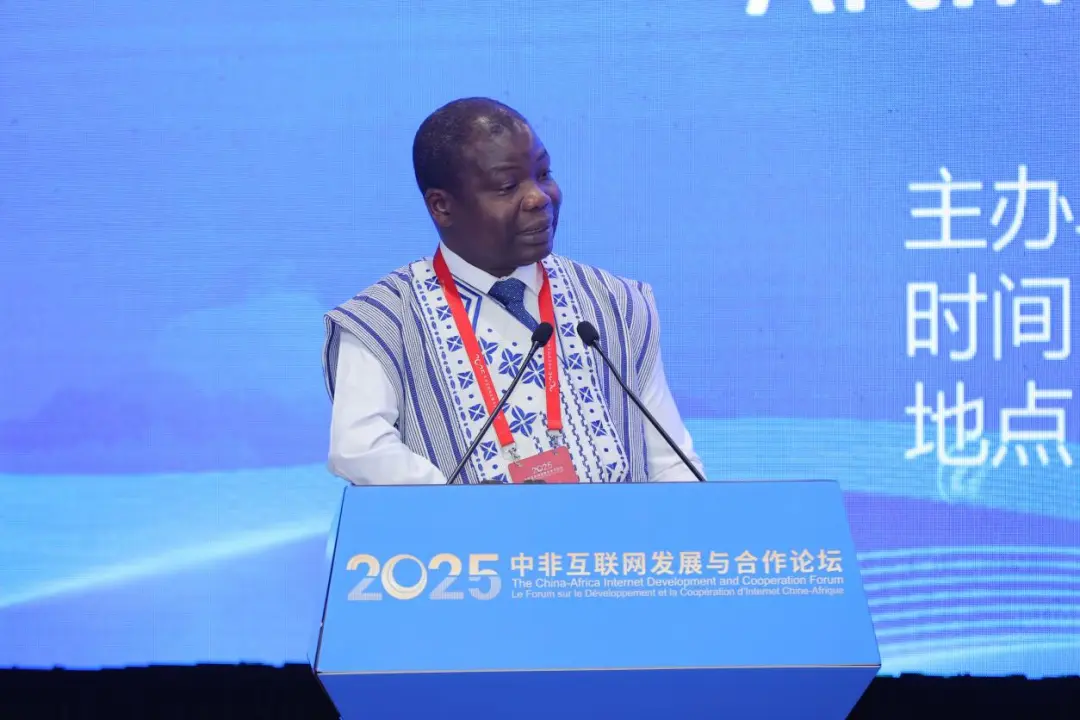
Burkina Faso's Ambassador to China, Bidawut, stated that the rapid development of artificial intelligence is accompanied by security risks such as misinformation, privacy breaches, and algorithmic discrimination. Burkina Faso places great importance on promoting inclusive, ethical, and responsible development of artificial intelligence, emphasizing that AI governance is a global common issue and a priority direction for cooperation between China and Africa in the internet field. We hope to work together with China to ensure that artificial intelligence develops in a way that benefits all humanity.
Guo Guoyun, member of the Standing Committee of the Xiamen Municipal Party Committee and Minister of the Publicity Department, highlighted that as one of China's pioneering cities in deploying "artificial intelligence +", Xiamen has forged a distinctive development path. This strategy focuses on "building the foundation" through industry to solidify the AI ecosystem, driving breakthroughs in application to release dividends for people's livelihoods, and strengthening governance to establish a solid bottom line for AI innovation. He also emphasized the city's role in using technology as a bridge to deepen AI cooperation between China and Africa. Looking ahead, Guo stated that Xiamen will further focus on "scene expansion," "technological breakthroughs," and "ecological optimization" to seize opportunities in AI development and share its achievements, painting a new picture of China-Africa intelligent cooperation.
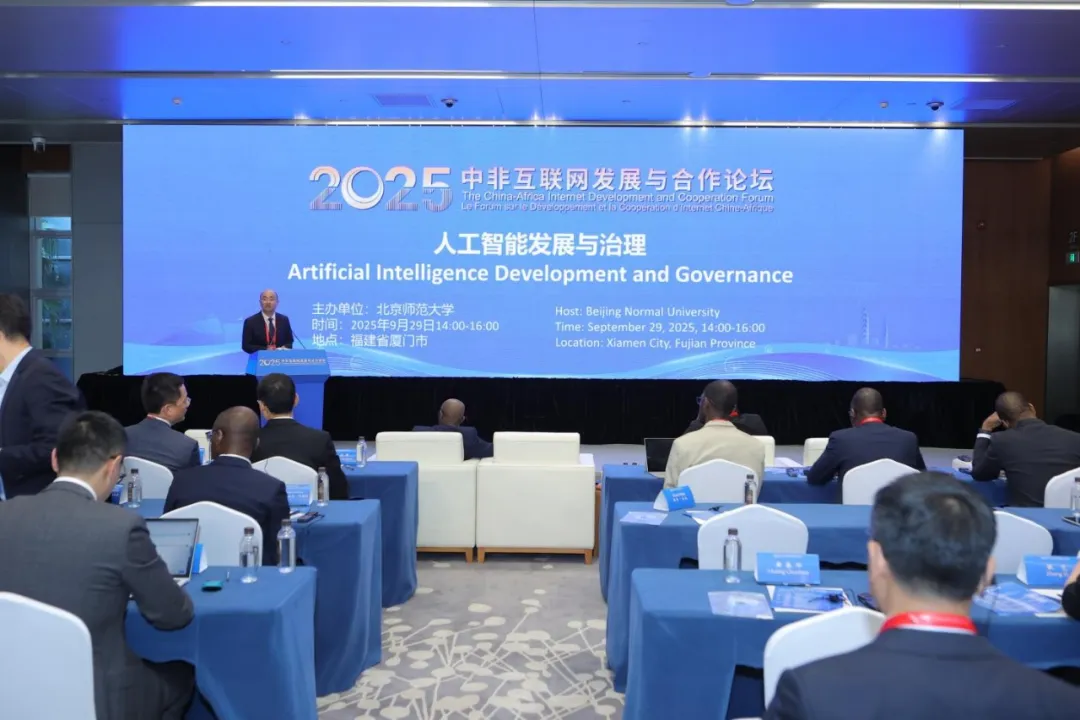
The keynote speech session was hosted by Liang Yingxiu, Dean and Professor of the Law School at Beijing Normal University.
Attending guests engaged in in-depth discussions on two topics: "Prospects for the Development of Artificial Intelligence" and "Paths to Achieve AI Governance."
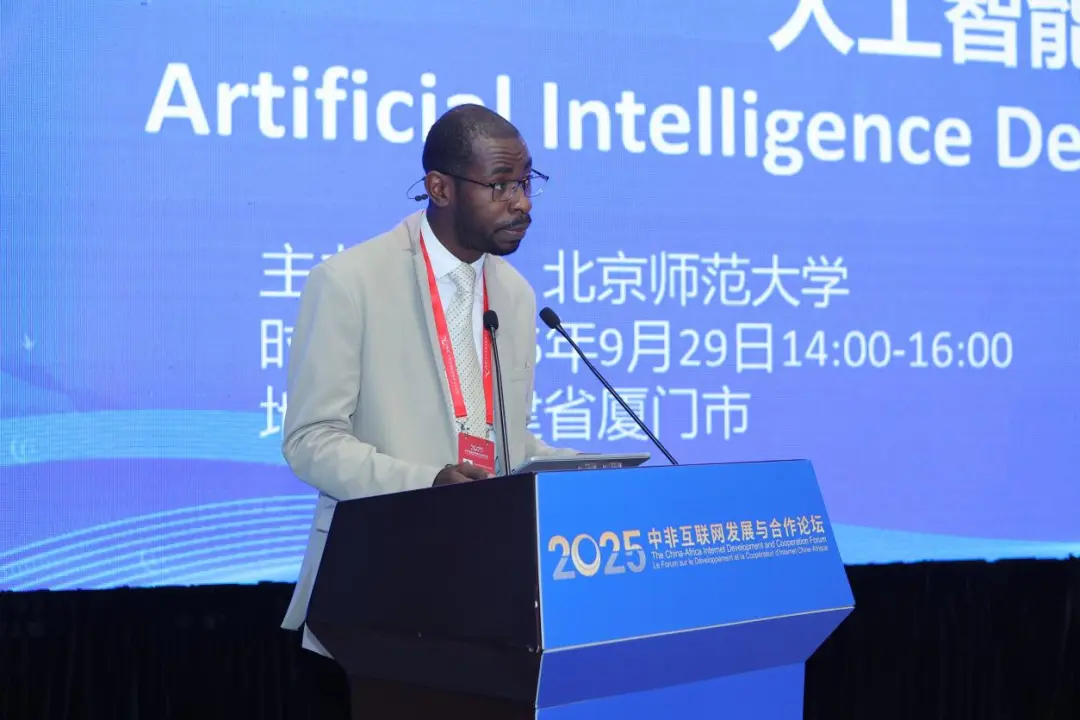
In the topic of prospects for the development of artificial intelligence (the first topic), Reinaldo Borico Okomo, Director of the AI Systems Department of the Ministry of Transport, Telecommunications and AI Systems of Equatorial Guinea, delivered a keynote speech on cybersecurity, data protection, and multinational cooperation. He believes that cybersecurity has become an important pillar of national digital sovereignty, and the African Union is committed to building a secure digital space based on trust and regional cooperation in the fields of cybersecurity and personal data protection, so as to ensure that the use of data respects citizens' privacy rights and benefits mankind. However, no country can act alone when it comes to ensuring security in the digital space. The transnational issues of digital risks require Equatorial Guinea to collaborate with international partners. Strengthen technical capacity building, exchange experiences, and promote the training of experts who can lead our digital transformation. Let digitalization become a tool for people around the world to share trust, inclusiveness, and progress, aiming to build a global digital ecosystem oriented towards security, reliability, and sustainable development.
Zhang Guangyao, Deputy Director of the Network Management Technology Bureau of the Cyberspace Administration of China, delivered a keynote speech drawing on his professional experience to discuss the "four characteristics" and "six insights." He observed that the field of artificial intelligence is undergoing explosive development led by generative AI, accelerating the arrival of the intelligent era. He noted that this era is characterized in China by four distinct features: first, the innovation of large models is accelerating, demonstrating a vigorous development trend; second, application scenarios are continuously enriching, actively empowering traditional industries; third, the user base is steadily increasing, and the open-source ecosystem is thriving; and fourth, governance measures are being effectively implemented, leading to the continuous improvement of the online ecosystem. Consequently, he emphasized that leveraging advantages while mitigating disadvantages in this new landscape is a critical issue that must be collectively addressed. He posited that in the practice of AI development and governance, adherence to "six commitments" is essential: prioritizing people-centric and beneficial intelligence; coordinating high-quality development with high-level security; encouraging innovation while governing according to law in a tiered and categorized manner; practicing inclusive prudence and dynamic agility in governance; promoting systemic linkage and diverse collaboration; and ensuring inclusive development and global cooperation. Facing new trends in AI development, he called for uniting all parties to deepen global cooperation in development and governance, thereby creating a more prosperous future for the world.
Wu Jianjian, Counselor of the Arms Control Department of the Ministry of Foreign Affairs, elaborated on ensuring that artificial intelligence develops in a direction that advances human civilization. He asserted that global AI governance is a shared challenge for all nations and emphasized that China has consistently served as both an advocate and a practitioner in this arena. He highlighted that President Xi Jinping's 2015 proposal to build a "community with a shared future in cyberspace" has become a distinctive banner for China's leadership in global digital governance. Subsequently, at the regulatory level, China has successively proposed the "Global Data Security Initiative" and the "Global Artificial Intelligence Governance Initiative" to contribute to the formulation of international rules and the construction of order. At the practical level, China insists on practicing multilateralism and promoting measures to achieve shared governance and development in global AI.
Wu further noted that Africa must not be absent from the critical issue of artificial intelligence, which concerns human development and the future. He referenced President Xi Jinping's 2024 proposal of "six major propositions" for China and Africa to jointly promote modernization. He stated that China is willing to use these propositions as guidance and rely on the proposed "World Artificial Intelligence Cooperation Organization" to work with African countries in promoting joint governance, inclusive development, and innovative cooperation, thereby advancing global AI governance. He concluded that AI should provide new momentum for building a shared modern dream with Africa, opening a new chapter in China-Africa digital cooperation, and achieving a win-win future.
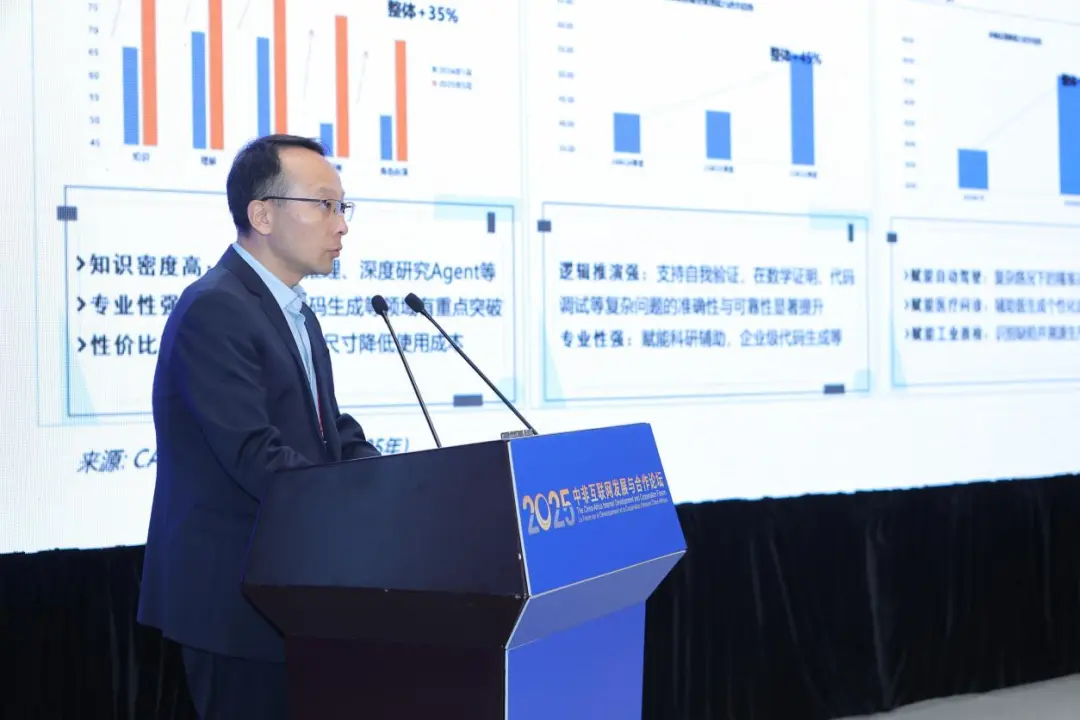
Wei Kai, Director of the Artificial Intelligence Research Institute at the China Academy of Information and Communications Technology, has called for the accelerated implementation of AI governance policies and the establishment of a diversified co-governance system. He pointed out that while AI technology has advanced significantly, security risks are concurrently expanding from the technological sphere to the societal level. At the industrial level, tangible threats—such as content security issues, malicious misuse, information pollution, and agent safety—are becoming increasingly prevalent. Consequently, attack patterns targeting artificial intelligence are becoming more common, presenting the defense system with the asymmetric challenge of being "easy to attack but hard to defend." Wei noted that major economies worldwide are hastening the introduction of AI governance policies to establish a diversified co-governance system under government laws and regulatory guidelines. He emphasized that enterprises serve as the primary responsible entities for implementing these governance requirements. Therefore, it is crucial to motivate enterprises to enhance self-discipline and construct endogenous mechanisms for responsible artificial intelligence. Simultaneously, he stressed that this mechanism must be embedded within an agile governance system to effectively adapt to the new challenges posed by the continuous iteration and evolution of artificial intelligence.
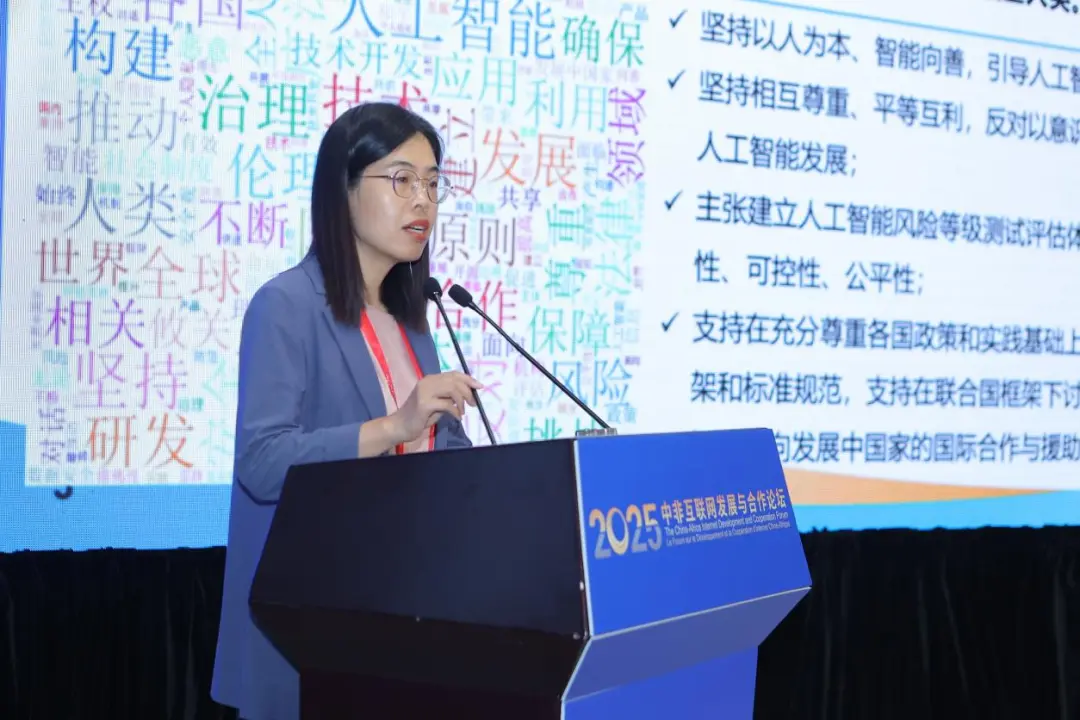
During the discussion on the trajectory of AI governance (the second topic under discussion), Yin Limei, Deputy Director of the Information Policy Research Institute at the National Industrial Information Security Development Research Center, delivered a pivotal keynote address titled "Enhancing International Collaboration in Artificial Intelligence and Unlocking Fresh Avenues for China-Africa Cooperation." She underscored that artificial intelligence has currently emerged as a pivotal catalyst propelling a new wave of technological innovation and industrial metamorphosis. International cooperation in AI serves as a crucial conduit for nations globally to partake in the benefits of AI's evolution and collectively tackle governance hurdles. China places significant emphasis on international cooperation within the AI sphere and has put forward a slew of constructive initiatives across diverse multilateral frameworks, including the United Nations, Shanghai Cooperation Organization, BRICS, and China-ASEAN. The collaboration between China and Africa in AI is mutually advantageous; China can export its technological prowess and solutions while simultaneously aiding African nations in nurturing their inherent digital innovation capabilities through technology transfer and capacity enhancement. The landscape for AI cooperation between China and Africa is expansive, brimming with immense potential in the provision of AI public goods, open-source initiatives, and capacity-building endeavors.
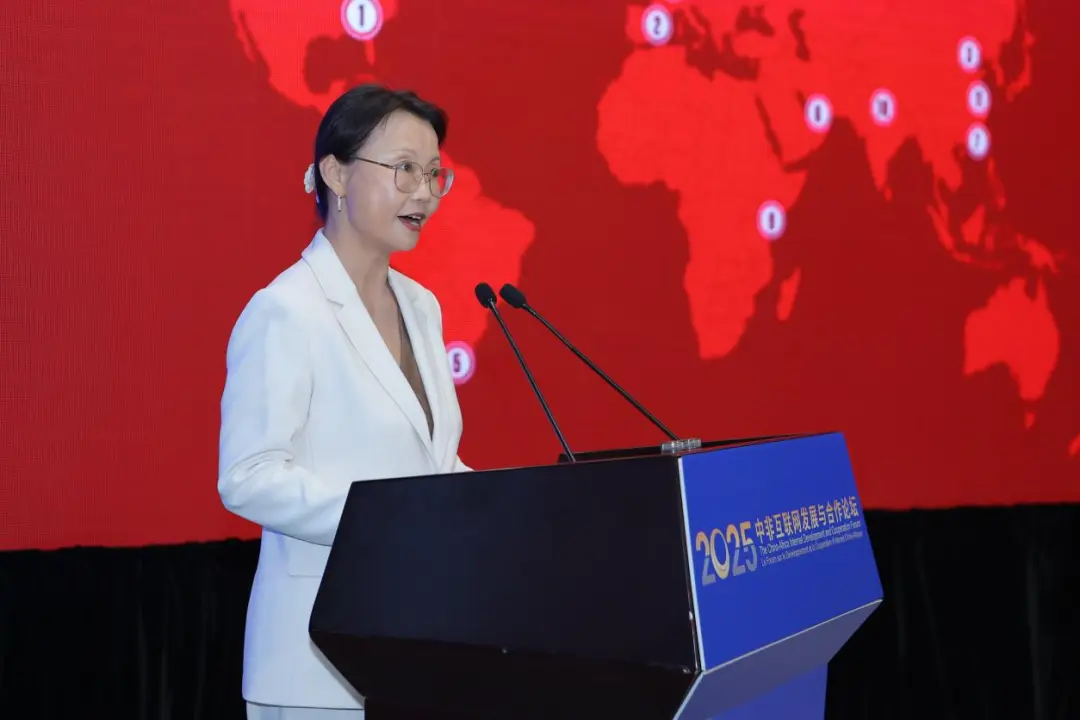
Shan Si, President of the Greater China Region of the Global System for Mobile Communications Association, delivered a keynote speech on jointly shaping innovative, inclusive, and trustworthy artificial intelligence. She stated that the GSMA, as an international organization, is committed to integrating responsible concepts into application development in the field of artificial intelligence, transforming grand visions into practical tools through global projects, and promoting the awareness and application of responsible AI. The GSMA also released the 'Responsible AI Maturity Roadmap' and established the GSMA Mobile AI Community, aiming to assist operators and partners in transitioning from pilot projects to large-scale safe deployments. She believes that establishing common and consistent principles, practicing responsible operations, and creating neutral platforms to negotiate key details will be effective paths for AI governance. For both China and Africa, these paths are not abstract concepts. China and Africa are striving to advance the best governance frameworks in terms of inclusiveness, safety, and sustainable growth, helping to unlock investment potential and accelerate the implementation of innovative cross-border services.
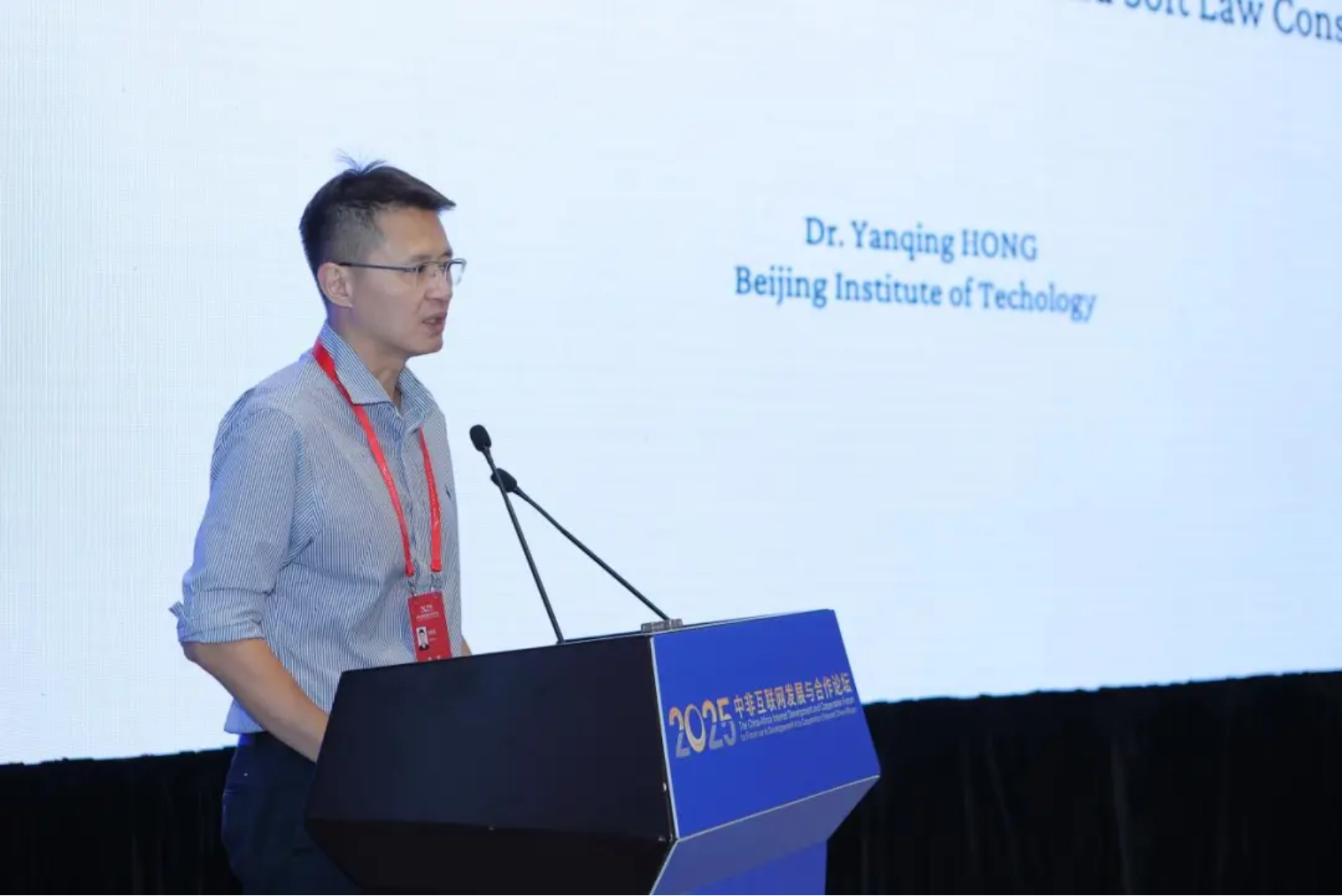
Hong Yanqing, professor at the School of Law of Beijing Institute of Technology and member of the National Cybersecurity Standardization Technical Committee, delivered a keynote speech on the "dual-track path" for artificial intelligence governance that China is forming. He stated that hard laws will be introduced to enforce mandatory supervision of specific technologies, such as generative AI and deep synthesis, as well as aspects like content identification. Concurrently, China is building a cross-industry risk governance framework through soft laws, including the “Global AI Governance Initiative” and the “AI Security Governance Framework”. This complementary model of 'hard law controlling known risks + soft law building governance consensus' not only quickly establishes regulations for clear technological risks but also reserves space for consensus building regarding complex systemic risks. This approach reflects China's strategic transformation from fragmented regulation to systematic governance, providing a model of institutional innovation for global AI governance.
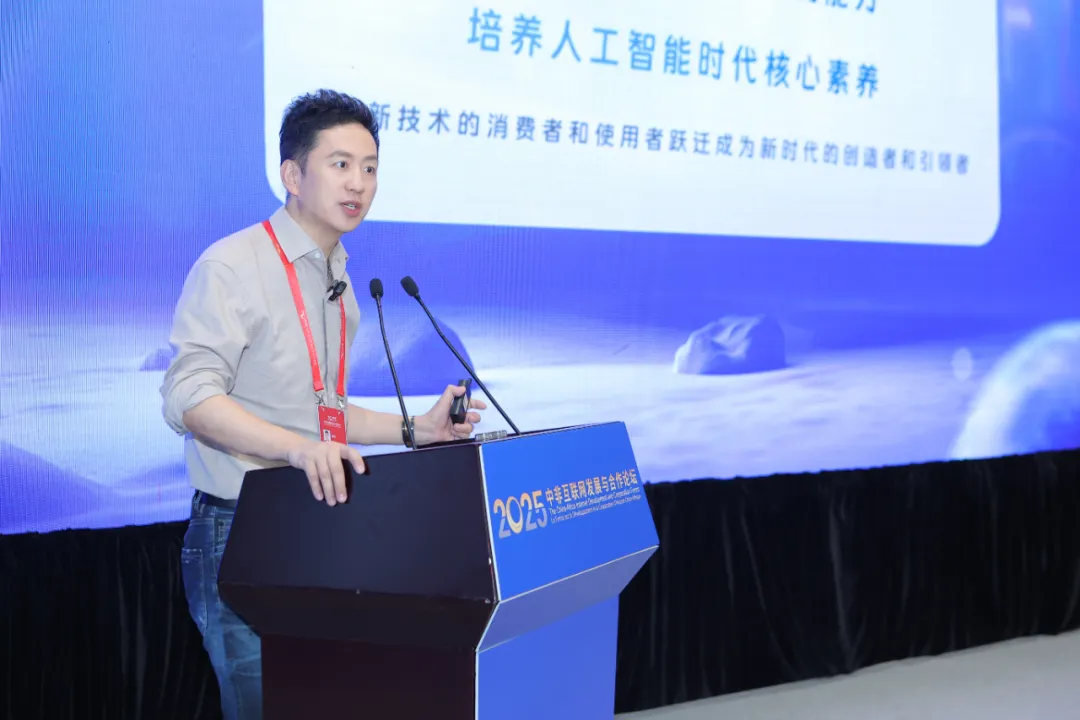
Li Yi, Vice President of Yuanli Technology Group and founder of Yuan Programming, systematically elaborated on the transformation of AI education concepts and development paths based on years of practical experience in youth artificial intelligence education. He clearly pointed out that the core of education in the AI era has shifted from the transmission of single skills to cultivating the ability to collaborate with AI and building core competencies suitable for the AI era. Youth AI education needs to focus on four dimensions: foundational cognition, complex thinking, self-efficacy, and interdisciplinary integration, thereby helping them establish a solid foundation for future capabilities. In the report, Li Yi emphasized that the cultivation of future talents cannot be separated from active dialogue and collaborative efforts on a global scale. Yuan Programming is willing to share its AI education practice results, deeply integrating knowledge systems and educational philosophies from around the world, to jointly explore a more inclusive and adaptive content system and educational solutions, ultimately serving the common good of humanity and illuminating the path for every child.
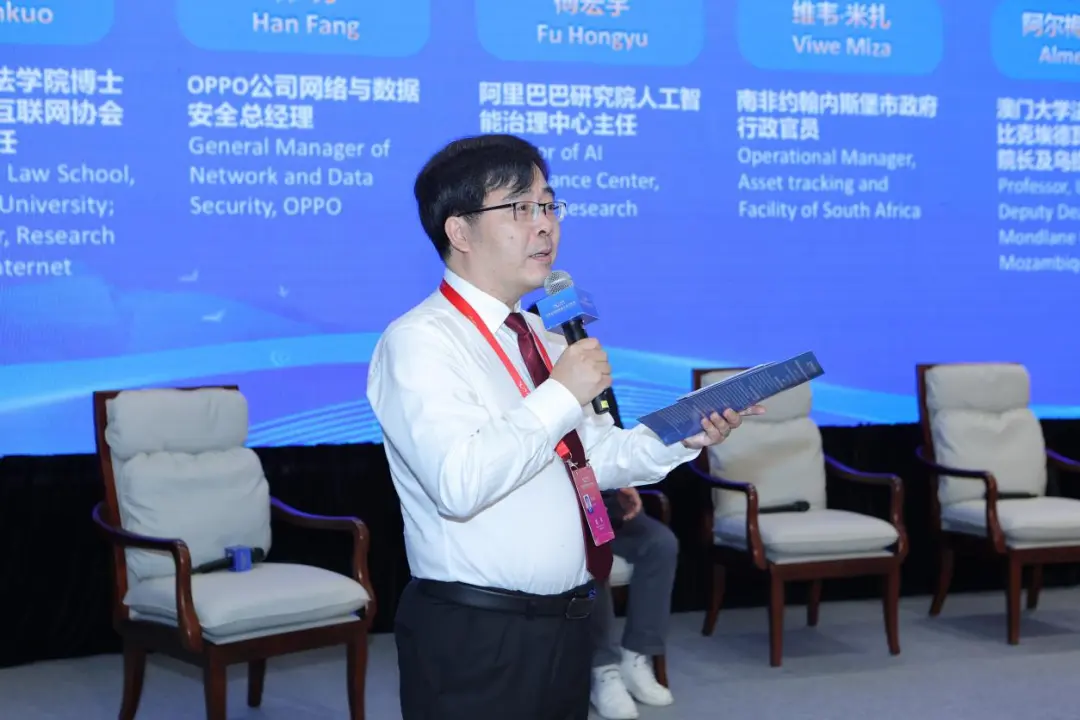
During the roundtable discussion, Wu Shenkuo, a doctoral supervisor at the Law School of Beijing Normal University and Deputy Director of the Research Center of the China Internet Association, hosted the session.
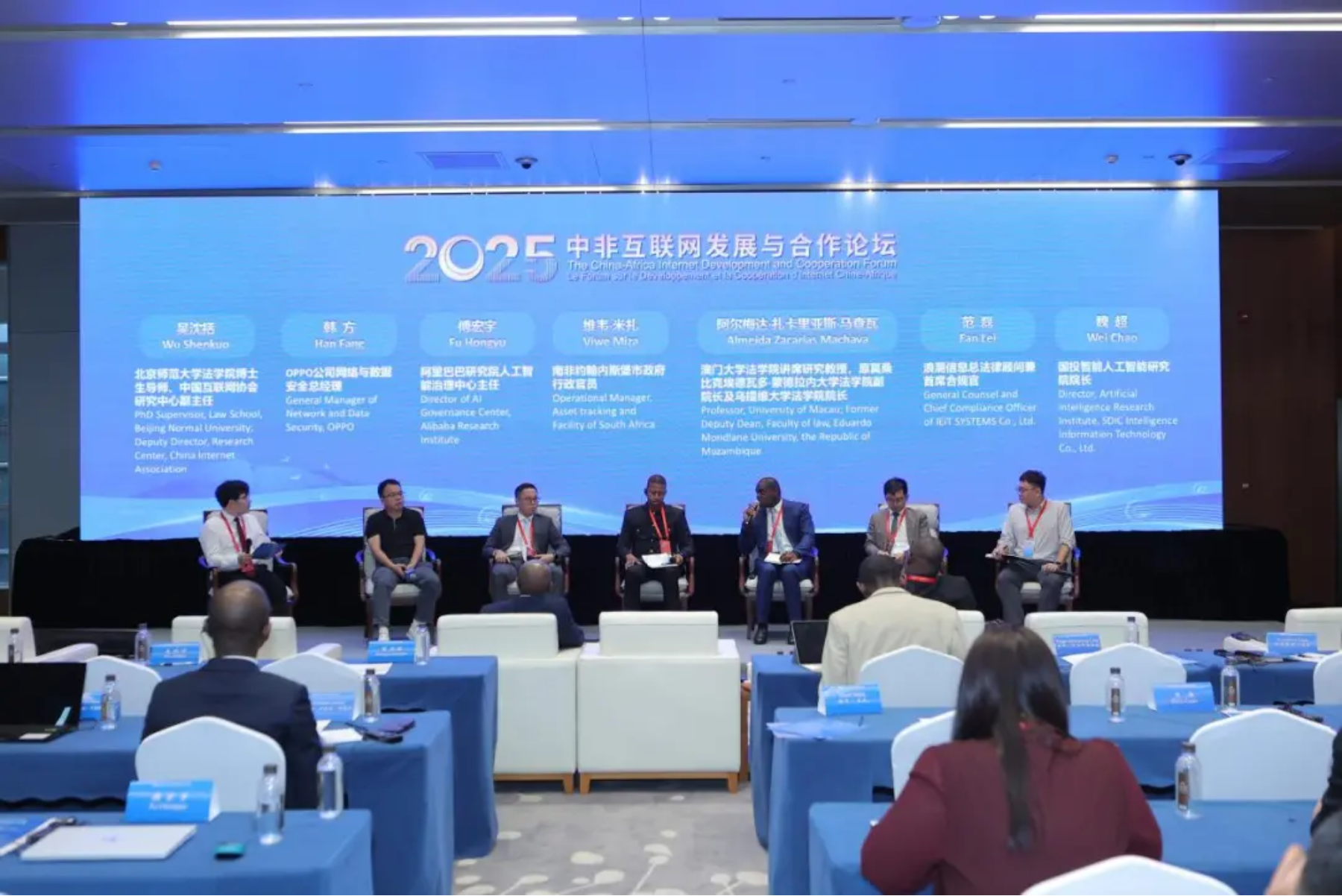
Han Fang, General Manager of Network and Data Security at OPPO, said that AI has developed rapidly in the past year, giving rise to a large number of artificial intelligence scenarios. These include intelligent question answering via AI assistants on mobile phones, intelligent background removal and beautification of photos via AI, and intelligent summary of meetings. A large amount of content is generated through AI large models, with content forms including text, images, and videos. We need to continuously enhance the content generated by AI large models to align with human cognitive values, and it must support various countries, regions, and languages globally, so as to effectively support the development of AI technologies and product scenarios. AI large models are limited by computing power, primarily relying on cloud-based large models, which allows for confidential and trustworthy computing of data, extending from mobile devices to the cloud. We need to continuously improve the trustworthy confidential computing at both the edge and cloud levels, ensuring that data security is maintained during computation in a trustworthy and confidential environment, while supporting the development of AI and ensuring data safety.
Fu Hongyu, director of the AI Governance Center at Alibaba Research Institute, believes that in effectively addressing security issues related to large-scale models from technology development to practical application, the following measures should be taken: First, strengthen the construction of intrinsic security capabilities to ensure that security capabilities match model performance, and guarantee security from the very beginning of model training. Secondly, consider the actual needs on the application side, protect the privacy of user data, and provide a more reliable execution environment. Thirdly, actively respond to new issues in applications, such as security challenges in the development of intelligent agents, and establish an agile and collaborative governance mechanism. In strengthening effective collaboration and jointly addressing risks in the global application of artificial intelligence technology: firstly, in the process of rapid technological change, the judgment of value and risk needs to keep pace with development, establishing a dynamic risk identification and response framework. Secondly, adhere to openness and inclusiveness, treating AI security governance as a global public good, allowing countries at different stages of development to share the benefits of artificial intelligence and jointly address risks and challenges. Thirdly, uphold long-termism, aiming to build security capabilities and seek medium- to long-term consensus.
Vivi Miza, an administrative official with the Johannesburg Municipality in South Africa, said that local governments face various risks when promoting the implementation of AI, including weak cybersecurity, outdated systems and IT infrastructure, and gaps in personnel skills. Among these, IT governance has always been a significant challenge for local governments. Relevant departments of local governments have already established information and communication technology governance frameworks, but there is still a lack of coverage in AI cyberspace. Therefore, South Africa needs to engage in more communication with China to build a community with a shared future for mankind and a community of shared destiny in cyberspace. It is hoped that cooperation between countries can promote the mutually beneficial development of smart cities and cyberspace.
Almeida Zacarias Machava, Chair Research Professor at the Faculty of Law of the University of Macau and former Vice Dean of the Faculty of Law at the University of Eduardo Mondlane in Mozambique, said that the main challenges Africa faces in the development and governance of artificial intelligence are somewhat different from those in other countries. Because Africa has many different countries and cultures, there are significant differences and challenges in cultural and linguistic diversity. Therefore, Africa must adapt to local conditions and help local people understand the different dimensions of artificial intelligence. Support research and development and education to cultivate interdisciplinary talents through science, technology, and education. In this regard, cooperation between China and Africa is particularly important. He believes that China and Africa should strengthen cooperation in the development and regulation of artificial intelligence. While utilizing artificial intelligence to develop a mutually beneficial economy, it is essential to establish more reasonable regulations and formulate corresponding standards to manage the application of artificial intelligence, learn from each other, share experiences, and strengthen economic and trade relations between China and Africa.
Fan Lei, General Counsel and Chief Compliance Officer of Inspur Information, said that the development and governance of artificial intelligence are complementary. As a legal practitioner, balancing the relationship between development and governance from a legal perspective mainly involves four aspects. First, improve the legal system for artificial intelligence. Second, establish a reliable and sound risk assessment system. Third, clarify the responsibilities of technology developers, users, and regulatory enterprises. Fourth, establish a diversified collaborative mechanism for legal formulation at the government level and rule standards among enterprises. Therefore, as an intelligent enterprise, on one hand, it should look globally and conduct more precise research on the relevant laws and regulations of various countries. On the other hand, it should practice self-governance and self-discipline, strengthening the construction of a substantive and implementable AI compliance system within the enterprise.
Wei Chao, director of the SDIC Intelligent Artificial Intelligence Research Institute, emphasized that effective AI governance requires a clear understanding of its boundaries and limits. He argued that defining these boundaries involves clarifying which aspects can be verified, which can be traced, and which function as inherently high-risk black boxes. He stated that real industrial risk does not lie in individual models, but rather in horizontal combinations. Therefore, governance should shift from individual model oversight to system-level governance. Wei described system-level governance as a strategic opportunity; if a country can take the lead in establishing standards for combination safety testing, system sandbox validation, and tiered access mechanisms, it will safeguard not only against specific risks but also secure discourse power in future global AI governance.
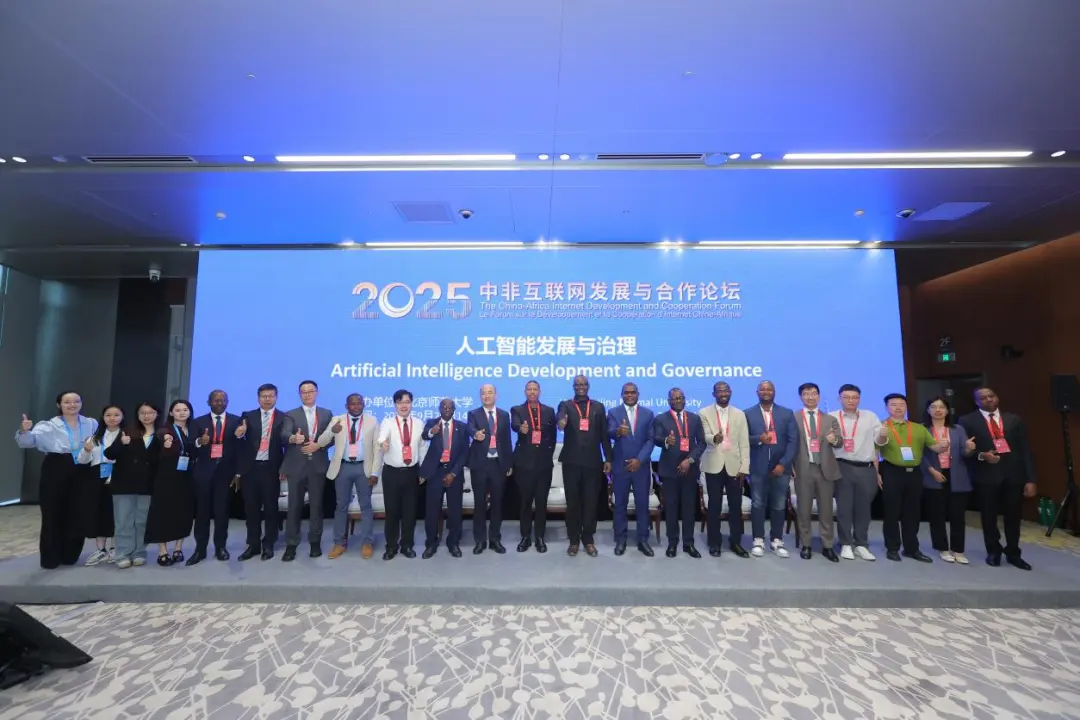
Approximately 70 representatives from government bodies, universities, think tanks, and enterprises attended the forum, including delegates from China and various African nations such as Equatorial Guinea, South Africa, Zimbabwe, Congo (Brazzaville), and Mozambique.