

On October 24, 2025, at 12:00 PM, the Law School of Beijing Normal University hosted the "Beijing Law Faculty Salon" in Conference Room 1822 of the Rear Main Building. Centered on the theme "Empowering Educational Digital Transformation with Intelligent Teaching Systems," the event was moderated by Vice Dean He Dan. The salon featured insights from guests representing Beijing Qingbei Zhiyuan Company, including partner Wu Aimin, solution manager Wang Hui, and sales manager Li Weilin. Faculty members participated in the session through a hybrid format, attending both in person and online.
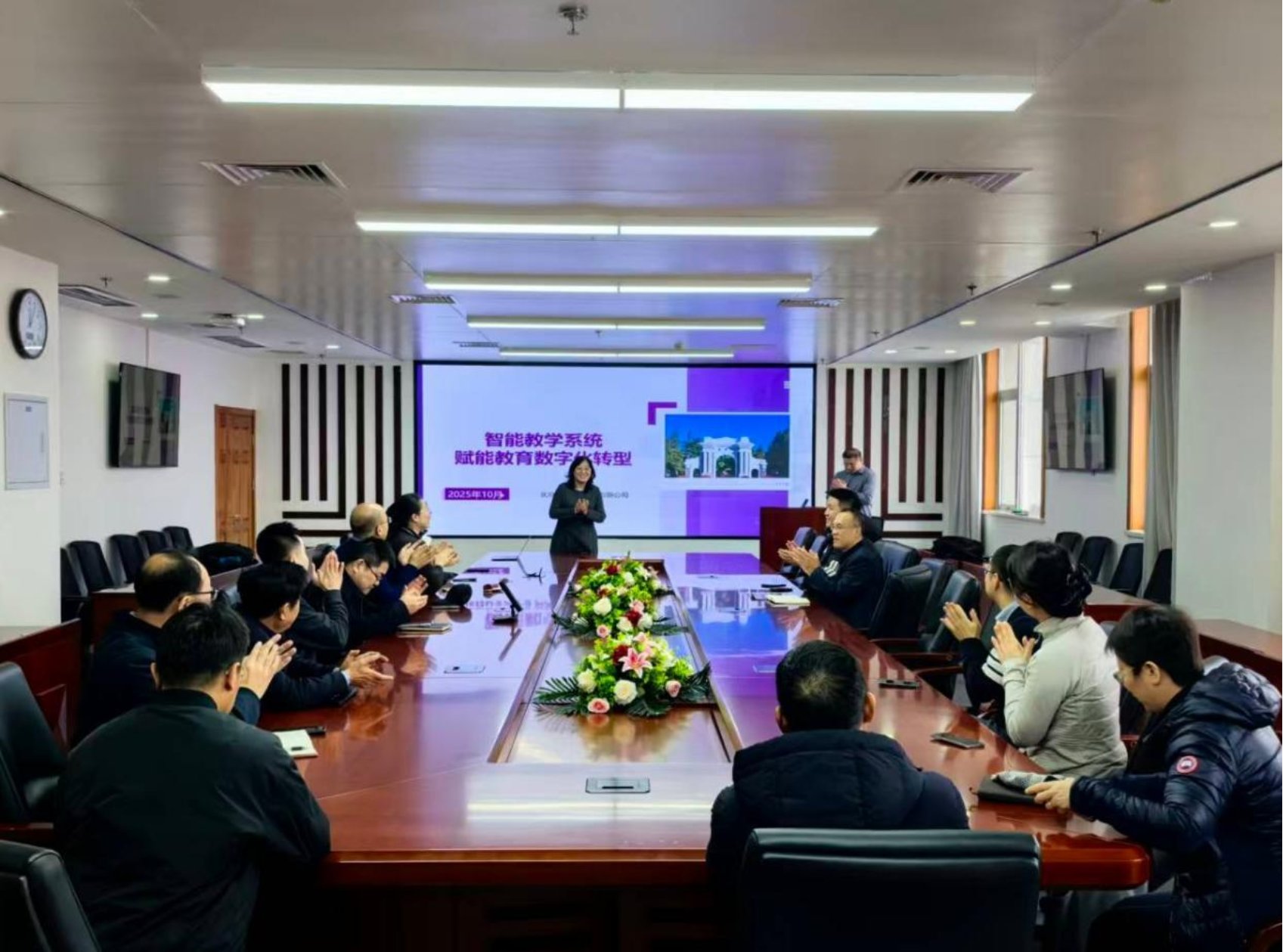
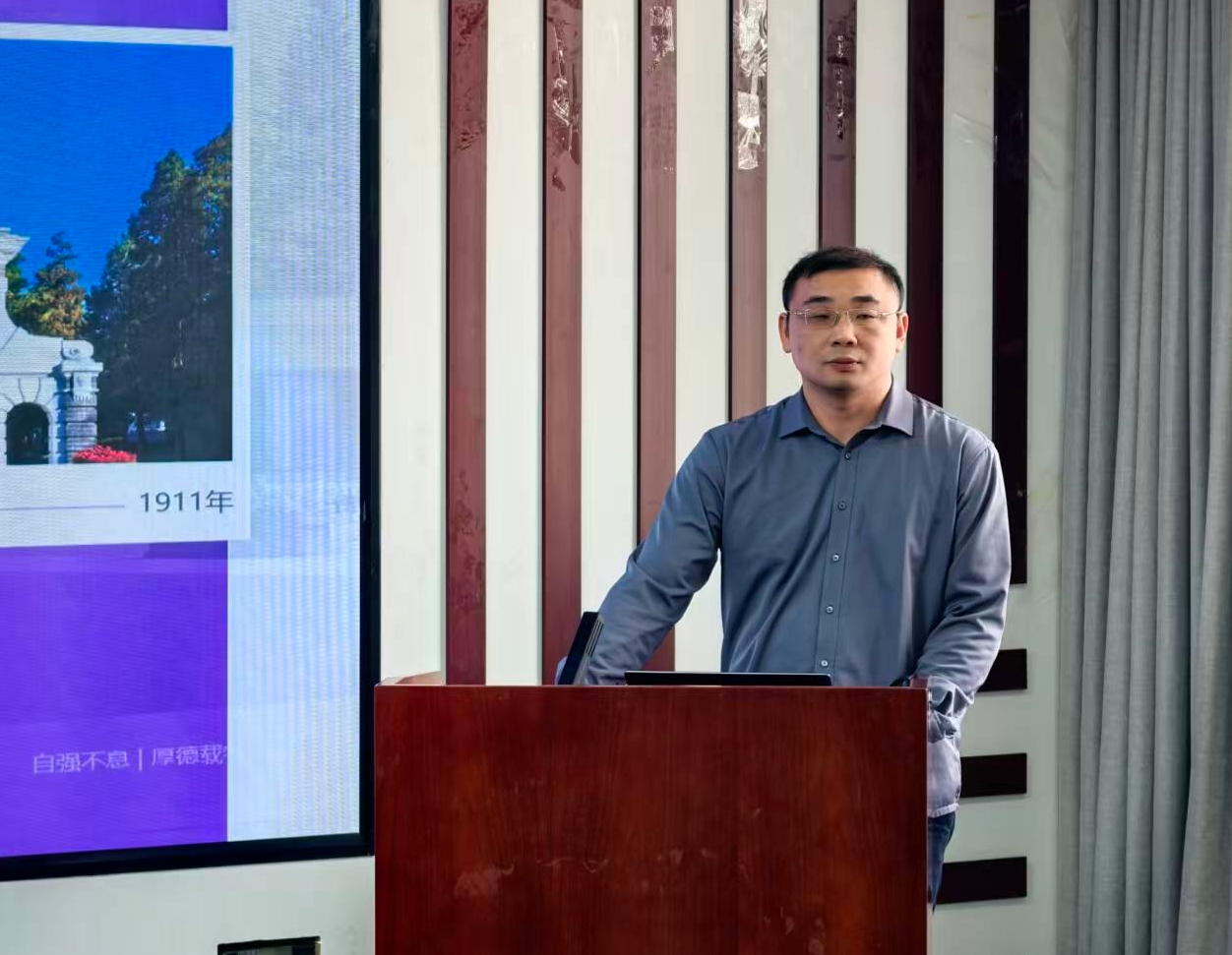
Partner Wu Aimin presented a detailed overview of the company's latest advancements and case studies, focusing on two core areas: the construction of artificial intelligence application platforms and the establishment of intelligent teaching environments. Regarding AI application platforms, Wu highlighted the company's self-developed system, which has fostered deep cooperation with prestigious institutions such as the Tsinghua University School of Foreign Languages and the Peking University Strategic Research Institute. By leveraging personalized learning path planning and deep data analysis, the system effectively shortens learning cycles and significantly enhances research efficiency. This technology provides robust support for optimizing English language instruction and upgrading strategic research capabilities. In the realm of teaching environment construction and operation, Qingbei Zhiyuan has successfully collaborated with a diverse range of institutions, including Tsinghua University, Peking University, the National Accounting Institute, Capital Normal University, and Beijing Information Science and Technology University. These partnerships have facilitated the digital and intelligent transformation of multimedia classrooms, auditoriums, conference rooms, and various learning spaces. Furthermore, by providing ongoing operation and maintenance services, the company ensures the creation of an efficient, convenient, and intelligently adaptive environment for teaching and academic exchange.
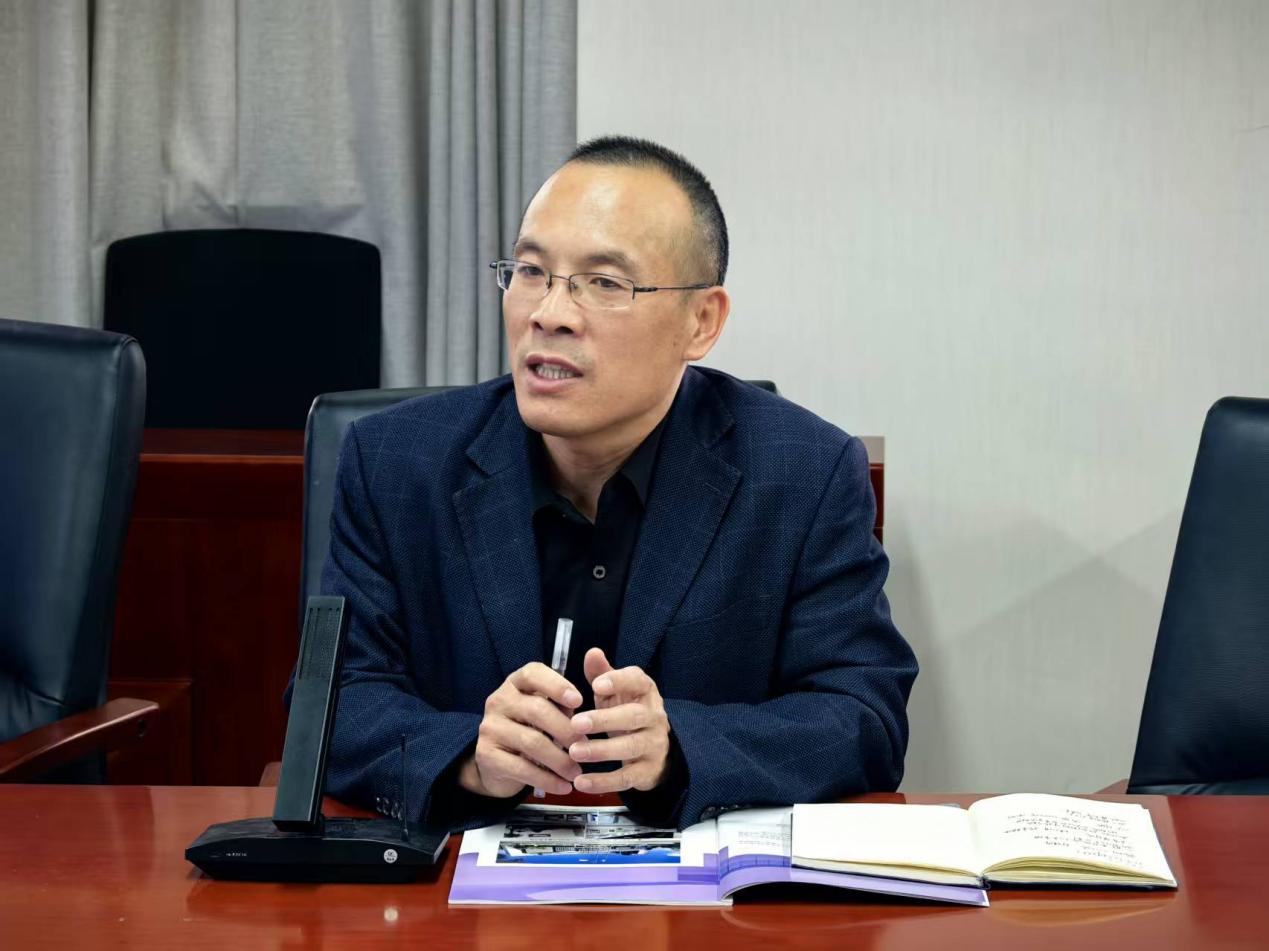
Solution Manager Wang Hui focused on the innovative requirements of legal education, specifically sharing insights on the construction of virtual court laboratories and AI-simulated court training systems. Addressing the specific disciplinary characteristics and talent cultivation goals of the Law School of Beijing Normal University, Wang detailed the core advantages of Qingbei Zhiyuan's customized solutions. The proposed system integrates advanced immersive display technology, high-fidelity audio and video transmission, and modular space design to create highly realistic courtroom training scenarios. Crucially, the solution deeply incorporates artificial intelligence to intelligently generate diverse simulated cases. It utilizes AI virtual characters to assume roles such as judges, jurors, and opposing counsel, enabling them to engage in real-time interactive debates with students. This approach directly addresses common challenges in traditional legal education, such as the scarcity of practical opportunities and the lack of scenario variety. By providing an immersive and interactive platform, the system aims to enhance students' legal practice skills and comprehensive professional qualities, thereby supporting the continuous upgrade of high-quality legal talent cultivation in higher education.
Polished News Text
During the interactive session, faculty members engaged in a discussion regarding the transformation of teacher roles and the exploration of pathways for enhancing digital literacy under the empowerment of intelligent teaching systems. The conversation also addressed the promotion of innovative teaching models and talent cultivation reforms driven by data. In his concluding remarks, Dean Liang Yingxiu thanked the experts for their insightful presentations. He encouraged faculty members to seize the opportunity presented by educational digital transformation to actively embrace intelligent teaching technologies. Dean Liang urged teachers to explore new pathways for role transformation in their teaching practice—evolving from knowledge transmitters to learning guides, course designers, and data analysts. Furthermore, he emphasized the need to continuously deepen digital literacy. By integrating intelligent tools with the specific characteristics of legal education and pedagogical principles, faculty can optimize data-driven teaching design and innovate talent cultivation models, thereby injecting new momentum into the high-quality development of the Law Shool's educational endeavors.