

The launch ceremony and lecture for the "Shanghai Court Practical Experts Group Tour Lecture Series at Beijing Normal University" event was successfully held. From June 3 to 4, this event brought together judges, legal experts, and the faculty and students of Beijing Normal University for a two-day "practical-academic" dialogue.
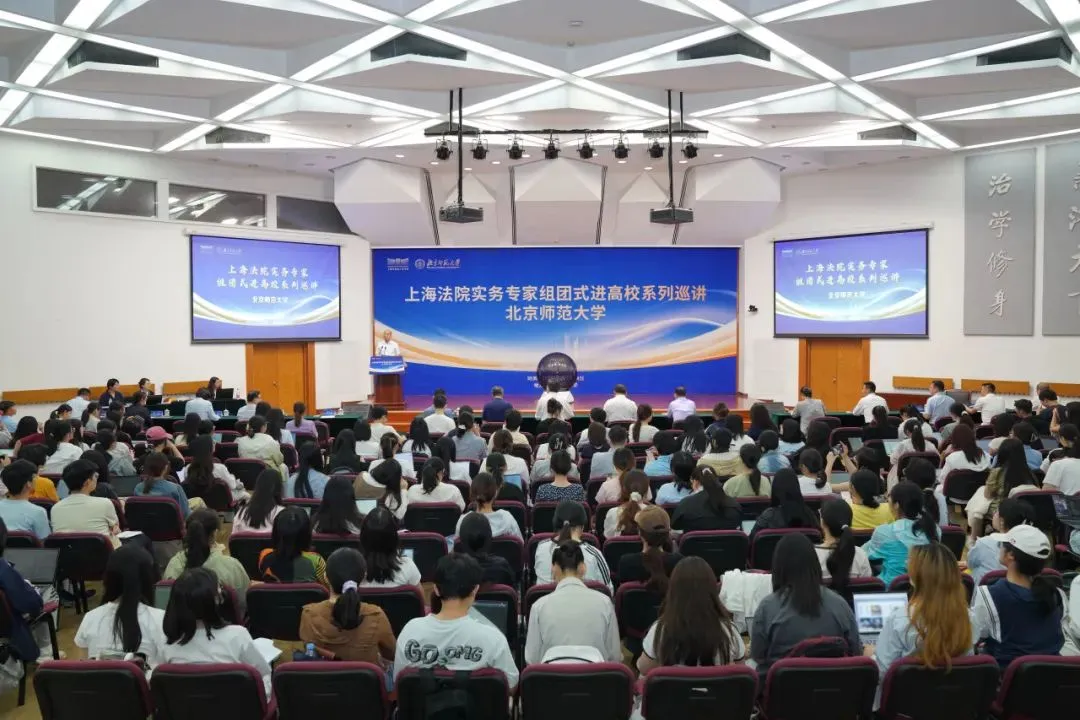
Scene of the "Shanghai Court Practical Experts Group Tour Lecture Series at Beijing Normal University" event
On the afternoon of June 3, the tour officially kicked off at the Haidian Campus of Beijing Normal University. Kang Zhen, Member of the Party Committee and Vice President of Beijing Normal University, attended and delivered a speech. Wang Liqiu, Member of the Party Leadership Group and Director of the Political Department of the Shanghai High People's Court, introduced the "Shanghai Court Practical Experts Group Tour Series" project and the visiting experts. Professor Liang Yingxiu, Dean of the Law School, presided over the launch.
Wang Tong, Secretary of the Party Leadership Group and President of the Shanghai Maritime Court (Senior Judge, Level One); Huang Xiangqing, Deputy Director of the Social and Legal Affairs Committee of the Shanghai Municipal Committee of the Chinese People's Political Consultative Conference, former member of the Party Leadership Group and Vice President of the Shanghai High People's Court (Senior Judge, Level One); Yu Jian, Secretary of the Party Leadership Group and President of the Jinshan District People's Court of Shanghai (Senior Judge, Level Two); and Yu Wei, Member of the Party Leadership Group and Vice President of the Pudong New District People's Court of Shanghai (Senior Judge, Level Two), participated in this tour as practical experts.
In his speech, Kang Zhen warmly welcomed President Wang Tong, Director Wang Liqiu, and all guests from the Shanghai Court, expressing gratitude for the Shanghai Court's long-term support of the legal discipline at Beijing Normal University. He noted that these regular "tour events" will become a vital part of the university's rule of law talent training mechanism and serve as a new opportunity to enhance collaborative education with judicial authorities.
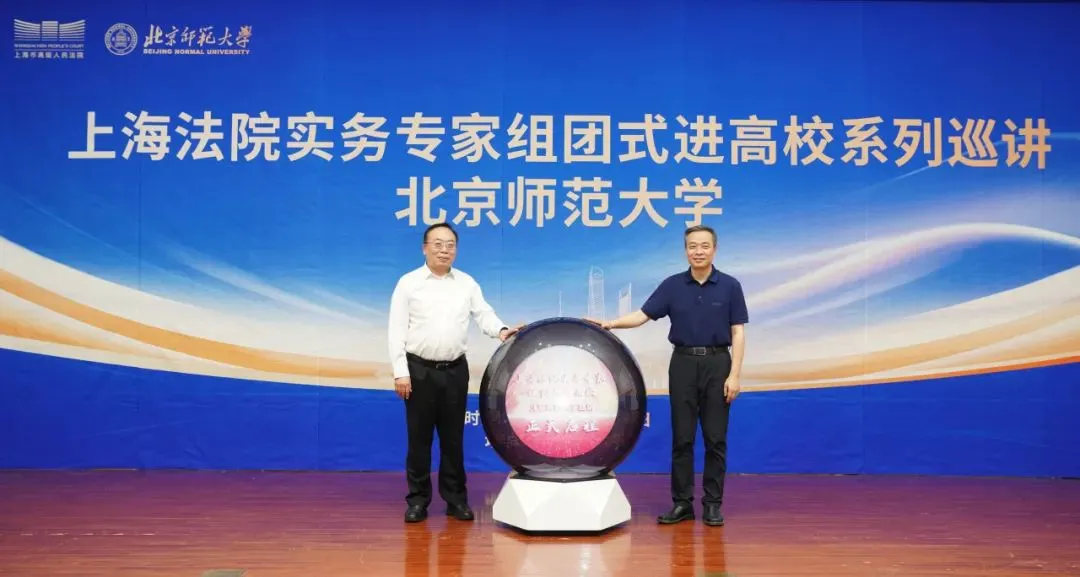
Wang Liqiu and Kang Zhen jointly launched the "Shanghai Court Practical Experts Group Tour Lecture Series at Beijing Normal University" event
At the event, Wang Liqiu and Kang Zhen jointly launched the "Shanghai Court Practical Experts Group Tour Lecture Series at Beijing Normal University" event, further deepening cooperation with universities and cultivating high-quality legal talents with both moral integrity and professional competence.
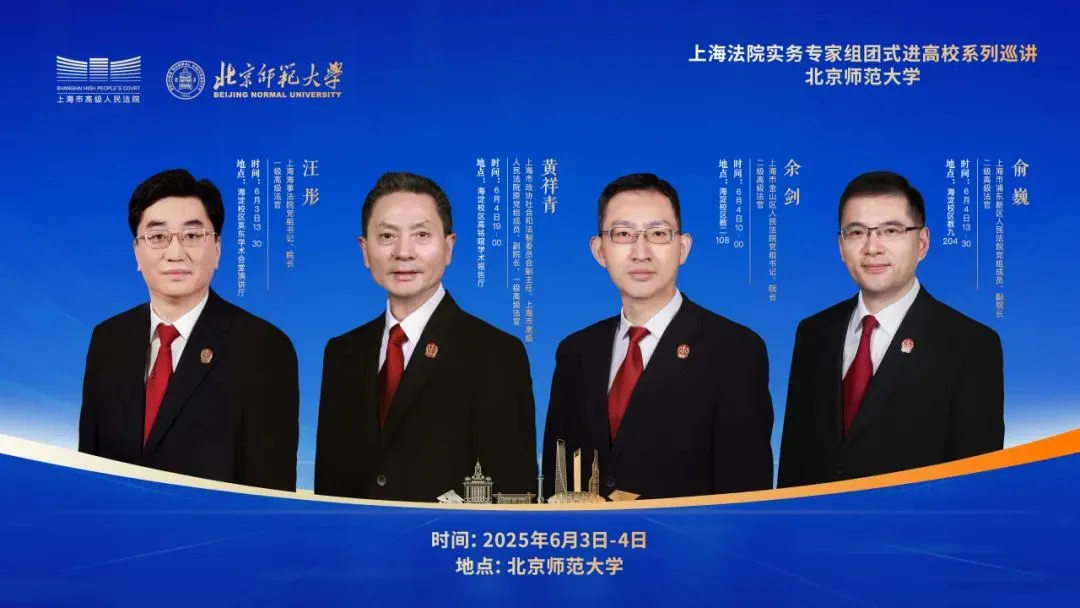
After the launch, four practical experts focused on their respective fields, bringing exciting and content-rich lectures to the faculty and students.
Wang Tong
"The Development, Challenges, and Responses of Foreign-related Trial Practice: A Perspective from Maritime Justice"
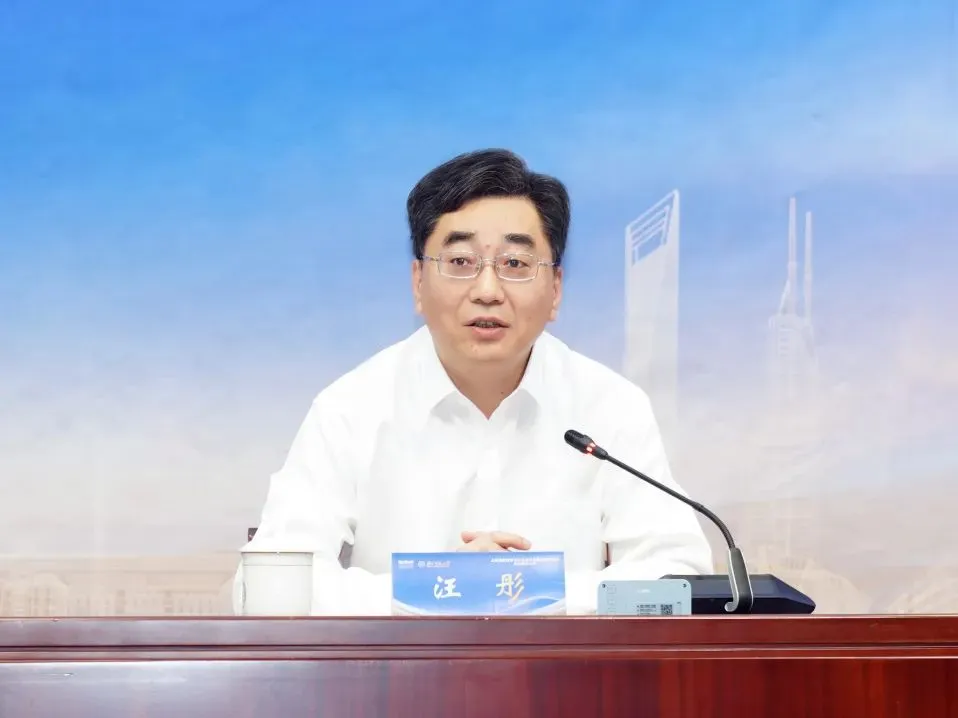
This series of tour lectures at Beijing Normal University is led by Wang Tong, Secretary of the Party Leadership Group and President of the Shanghai Maritime Court, and a Senior Judge. The lecture was hosted by Professor Liang Yingxiu, Dean of the Law School at Beijing Normal University.
During the lecture, Wang Tong introduced the layout of specialized maritime trial institutions and elaborated on the functional positioning of foreign-related trial work. He combined specific cases and examples to introduce the innovative mechanisms and work measures of Shanghai maritime trials in recent years, analyzed the practical issues and solutions in foreign-related maritime trials, and looked ahead to future work directions.
During the discussion session, Professor Yuan Zhijie, Vice Dean of the Law School at Beijing Normal University, and Professor Liao Shiping from the International Law Research Center expressed that President Wang Tong's lecture was comprehensive and insightful, providing great benefits. The Shanghai Maritime Court has enhanced the international influence and credibility of China's maritime justice through innovations in coordinating domestic and foreign legal systems and optimizing the business environment.
Huang Xiangqing
Discussion on the Ideas and Methods of Criminal Case Trials
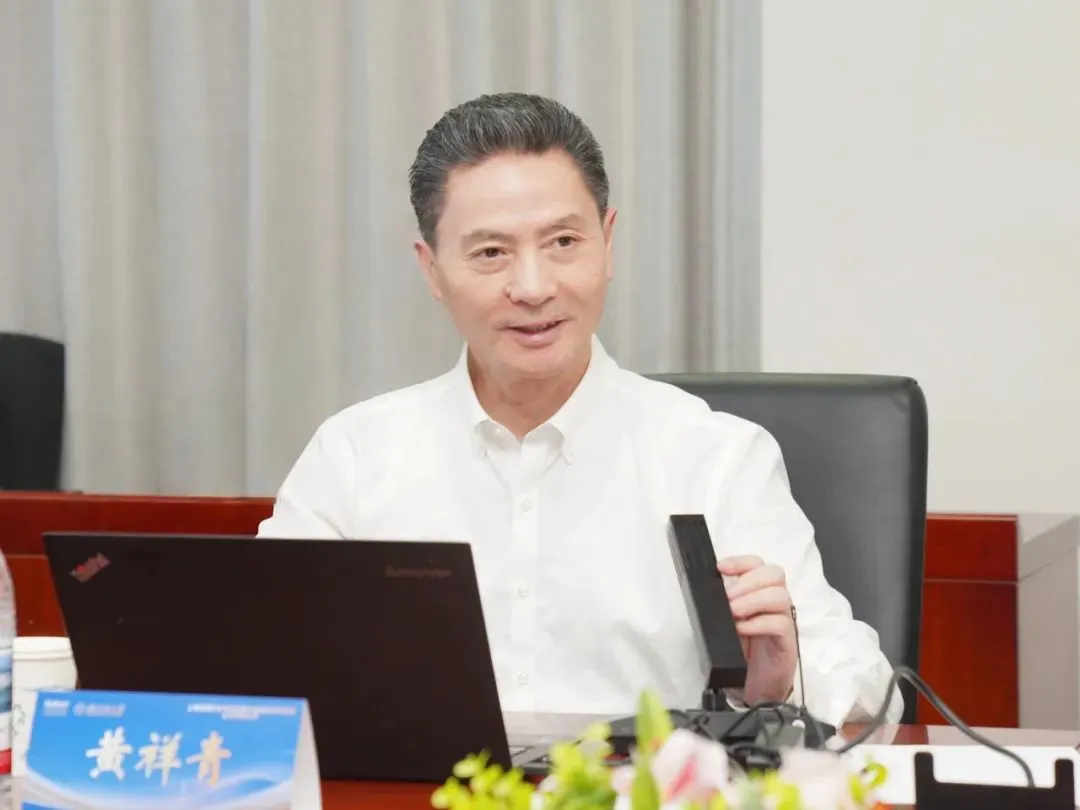
The lecturer for the second lecture is Huang Xiangqing, Vice Chairman of the Social and Legal Affairs Committee of the Shanghai Municipal Political Consultative Conference, former member of the Party Leadership Group and Vice President of the Shanghai High People's Court, and a senior judge. This lecture is hosted by Professor Yin Jianfeng, Vice Dean of the Law School at Beijing Normal University.
Huang Xiangqing elaborated on three dimensions: fact-finding, legal application, and judgment effects. He explained the standards and methods for evidence in establishing criminal facts, emphasizing that constructing a complete and closed evidence chain is crucial. He advocated for the effective use of evidence verification methods and presumptive methods for criminal facts, and provided in-depth explanations of key points in the interpretation and application of criminal law, illustrating the integrated evaluation method for the elements of crime quality and quantity, along with legal interpretation methods using specific cases.
During the discussion segment, Professor Shi Yanan, Director of the Criminal Law Science Research Center at Renmin University of China, Professor Zeng Yuexing, Dean of Mingde College at Beijing Institute of Technology, and Professor Liu Ke from the Criminal Law Research Center at Beijing Normal University expressed that this lecture, combining theory and practice, was refreshing and logically compelling, representing a theoretical refinement and brilliant display of judges' experiences. The content of the lecture provided a thorough analytical framework for the difficult issues in fact-finding and legal application in criminal cases, and proposed directions for deepening research on related issues in criminal law.
Yu Jian
Practical Exploration of the Trial-Centered Litigation System Reform
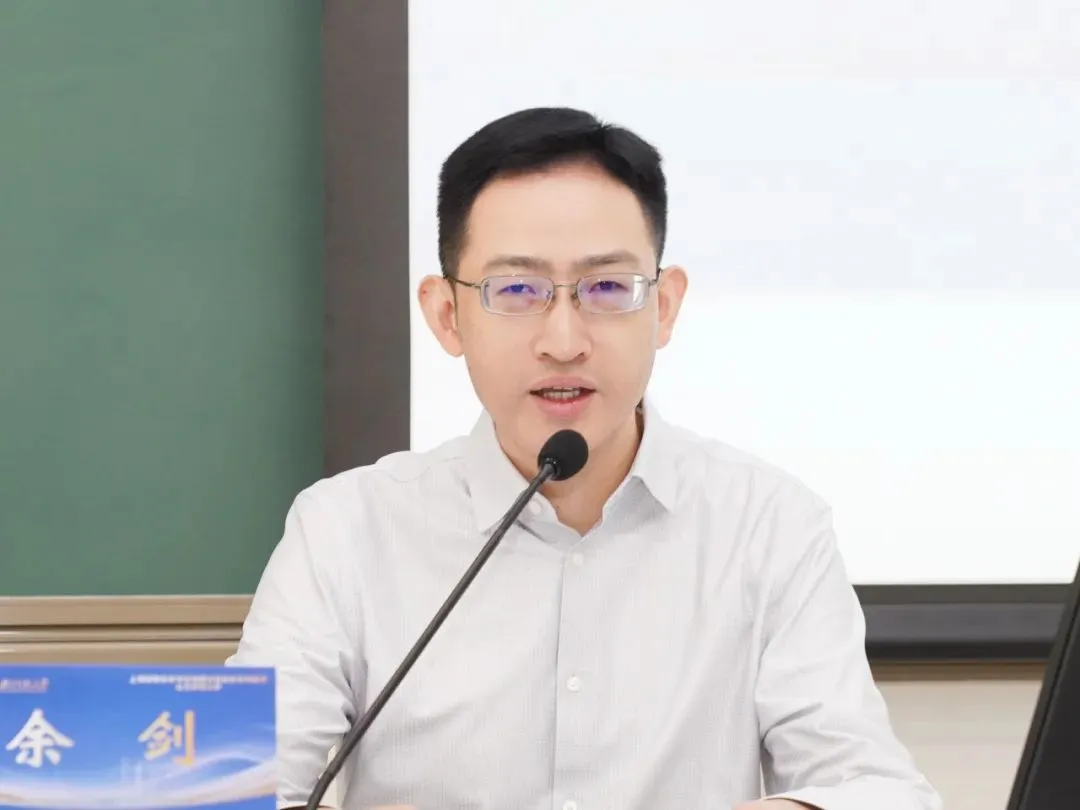
The speaker for the third lecture is Yu Jian, the Secretary of the Party Leadership Group and President of the People's Court of Jinshan District, Shanghai, and a Senior Judge of the Second Level, hosted by Professor Liang Yingxiu, Dean of the Law School of Beijing Normal University.
Yu Jian elaborated on three core propositions: "What is the requirement of centering on trial?" "Why should we promote the reform of the litigation system centered on trial?" "How to promote the reform of the litigation system centered on trial?" He explained practical explorations and thoughts by combining typical cases from judicial practice, and focused on the specific implementation paths of centering on trial from three dimensions: optimizing the allocation of judicial powers, safeguarding litigation rights, and empowering digital reform.
During the discussion, Professor Wang Chao and Associate Professor Guo Xiang from the Litigation Law Research Center of the Law School of Beijing Normal University, and Associate Professor Yan Houfu from the Economic Law and Environmental Resources Law Research Center expressed that President Yu Jian's lecture, which combines abstract theory with judicial cases and general rules with specific practices, systematically and concisely answered the core questions of centering on trial, providing profound enlightenment for students' learning and theoretical research.
Yu Wei
"Bankruptcy Law in the Court - Logic and Exploration of Bankruptcy Trial Practice"
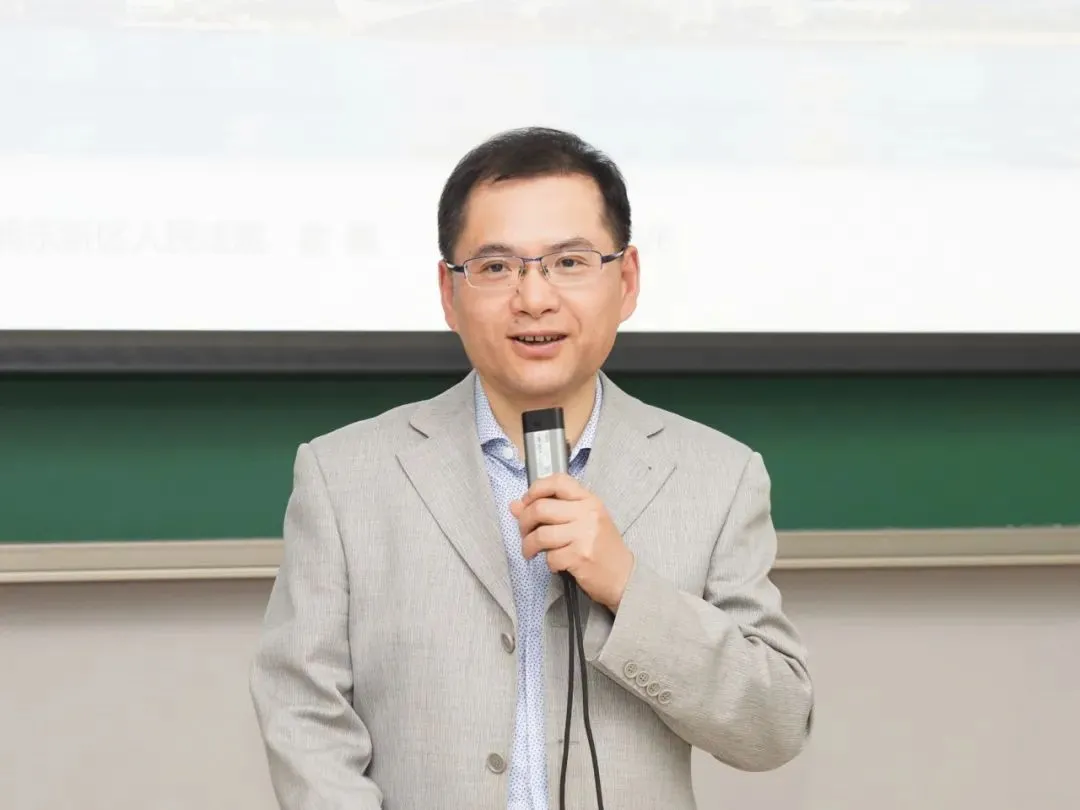
The speaker for the fourth lecture is Yu Wei, a member of the Party Leadership Group and Vice President of the People's Court of Pudong New District, Shanghai, and a Senior Judge of the Second Level. This lecture was hosted by Professor He Dan, Vice Dean of the Law School of Beijing Normal University.
Yu Wei introduced the attributes and orientation of bankruptcy law, interpreted the functions of bankruptcy courts from multiple aspects, and explained the judicial tasks of bankruptcy trials in the macro context from three perspectives: addressing major risks, accelerating the resolution of "zombie enterprises," and optimizing the business environment, using multiple specific cases. Yu Wei believes that the modernization of the bankruptcy trial concept should always focus on "justice and efficiency," guided by marketization, rule of law, and internationalization, establishing the concept of bankruptcy protection and forming an overall collaborative pattern inside and outside the court.
During the discussion, Professor Yuan Zhijie, Vice Dean of the Law School of Beijing Normal University, and Professor Guo Lirong from the Criminal Law Research Center stated that Vice President Yu Wei's lecture combined knowledge and inspiration, not only systematically sorting out the development of the bankruptcy legal system and summarizing the innovative measures taken by the court to strengthen bankruptcy trials and create a rule-of-law business environment, but also presenting the latest frontier issues in judicial practice.
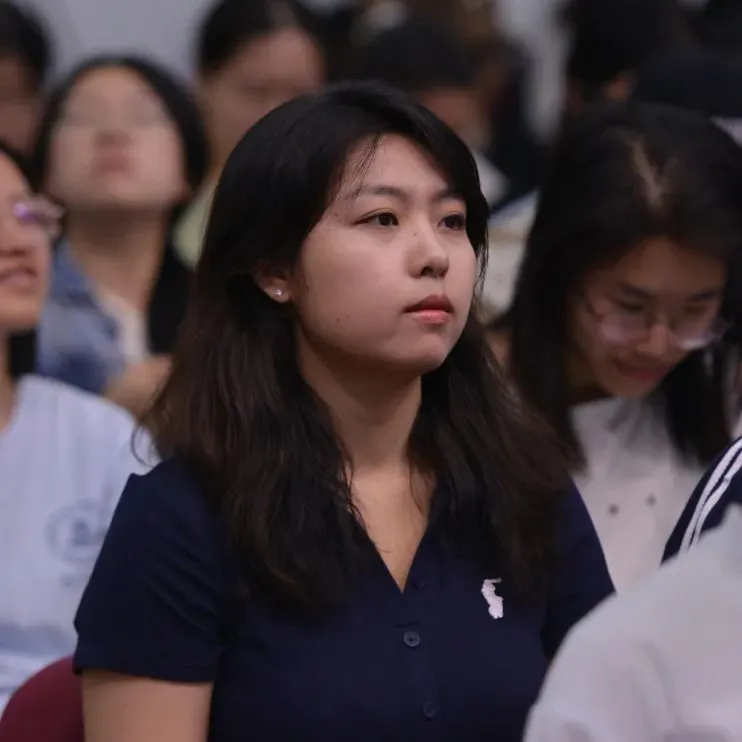
Classroom scene
The theoretical explanations and vivid cases inspired the students. During the interactive session, students eagerly asked questions, and the practical experts provided detailed answers, creating a lively atmosphere.
Wang Jialu, an undergraduate student of the 2022 Elite Experimental Class in Law, Law School, Beijing Normal University.
This lecture opened a window to insights into the forefront dynamics of international maritime judicial affairs.
Dean Wang Tong's lecture opened a window for me to gain insights into the forefront dynamics of international maritime judicial affairs. In the process of the country's high-level opening up, maritime justice bears a unique mission. The lecture clearly showcased the practical paths of maritime justice in responding to challenges, from the proactive exploration of building an optimal dispute resolution venue for maritime issues, to optimizing litigation services, accurately applying international rules and foreign laws, and safeguarding the marine environment while promoting innovations in trial models. These measures not only strengthen the 'local foundation' of maritime trials but also integrate into global governance with an open posture, allowing me to see China's maritime justice in safeguarding national interests and promoting international cooperation. It also made me deeply aware of the critical significance of the development of international maritime justice in maintaining national maritime rights and serving the broader context of openness, inspiring me to pay attention to practical dynamics in my professional studies and explore the integration points between theory and practice.
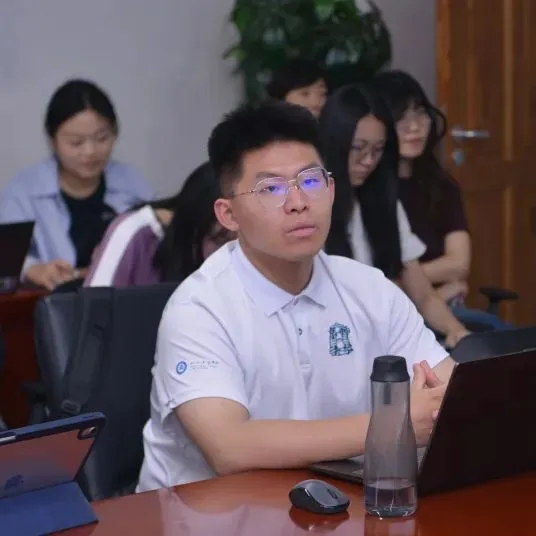
Lian Jie, a student from 2024 LL.M program, Law School, Beijing Normal University.
A deep understanding of the values and logic behind legal rules
Vice Director Huang Xiangqing's lecture has given us a deeper understanding of the ideas and methods in criminal case trials, making me realize that in daily legal studies and research, one should not only master legal provisions and theoretical knowledge but also closely pay attention to issues in judicial practice. Moreover, in criminal trial work, the application of substantive law and procedural law needs to be closely integrated. For some difficult issues, rigorous and detailed judgments are required, inspiring me to strengthen the concept of integrated criminal studies and research in my daily learning, cultivate my critical thinking, and deeply understand the values and logic behind legal rules. In the future, whether I pursue academic research or practical work, I must learn and master this rigorous legal analysis method, strive to enhance my professional competence, and continuously work hard on the path toward achieving judicial justice.
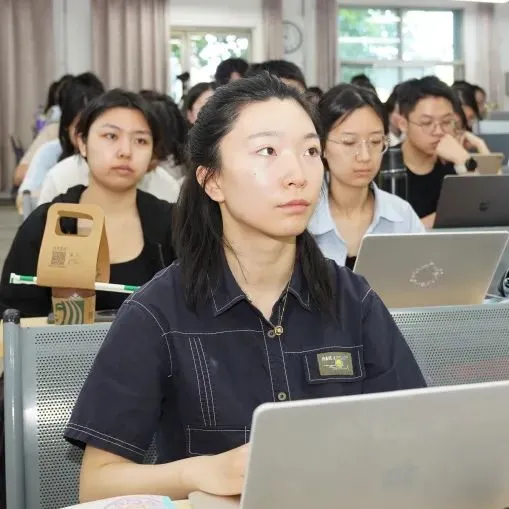
Sun Ziyue, an undergraduate student of the 2022 Elite Experimental Class in Law, Law School, Beijing Normal University
Evidence-centered, debate-based, and judge's ruling as the endpoint
Dean Yu Jian's lecture systematically outlined the reform of the “trial-centered” criminal procedure system, unfolding layer by layer with logical rigor. The numerous cases cited in the lecture warn us that procedural imbalance can easily lead to a lack of justice, and “trial-centered” aims to strengthen the substantive function of court trials, ensuring that conviction and sentencing are centered on evidence, based on debate, and concluded by the judge's ruling. Reform cannot simply copy Western courtroom models; it must be based on the realities of China's judicial system. The application of digital technology provides practical tools for regulating investigation and prosecution activities, as well as improving the quality and efficiency of court trials. The lecture not only deepened my understanding of the operational mechanism of the criminal procedure system but also inspired me to keep pace with the forefront of reform in my academic studies, contemplating how to continuously expand the path to achieving fairness and justice through the integration of system improvement and technology.

Zhang Ye, a student from 2024 JM program, Law School, Beijing Normal University.
Bankruptcy law is the "regulator" of the market ecosystem.
Vice President Yu Wei's lecture on bankruptcy law opened a new window for me to gain insights into market risk governance and the fate of enterprises. From the unique positioning of bankruptcy law, which combines procedural and substantive attributes, to the court-led and multi-party collaborative procedural operation framework, every aspect is imbued with legal wisdom, making me realize that bankruptcy law is not just a cold collection of rules, but a "regulator" of the market ecosystem—clearing out "zombie enterprises" to optimize resources while safeguarding the rights of creditors and maintaining order. It allowed me to see how law can strengthen the bottom line amidst waves of risk, and it also motivated me to pay more attention to the interaction between law and economics in my professional studies, exploring paths to resolve real-world dilemmas through rules, and understanding the responsibilities and values of legal professionals in safeguarding the healthy operation of the market.