

From August 31 to September 7, 2025, the Centre for Geopolitics at the University of Cambridge successfully convened the 42nd Cambridge International Forum on Economic Crime at Jesus College. Co-hosted by the Beijing Normal University Law School, the forum aimed to deepen the understanding of practical challenges in combating economically motivated crimes, foster international cooperation, and develop effective countermeasures. The event brought together over a thousand legal scholars and professionals from leading international organizations and academic institutions. Distinguished attendees included Professor Barry Rider, the forum's founder and executive chairman, and Sir Ivan Lawrence, its co-chair. Participants from the International Centre for Organized Crime and Economic Crime (CIDOEC), the Centre for Geopolitics at the University of Cambridge, and the UK National Economic Crime Centre (NECC) joined the dialogue, marking a significant gathering of global expertise on economic crime.
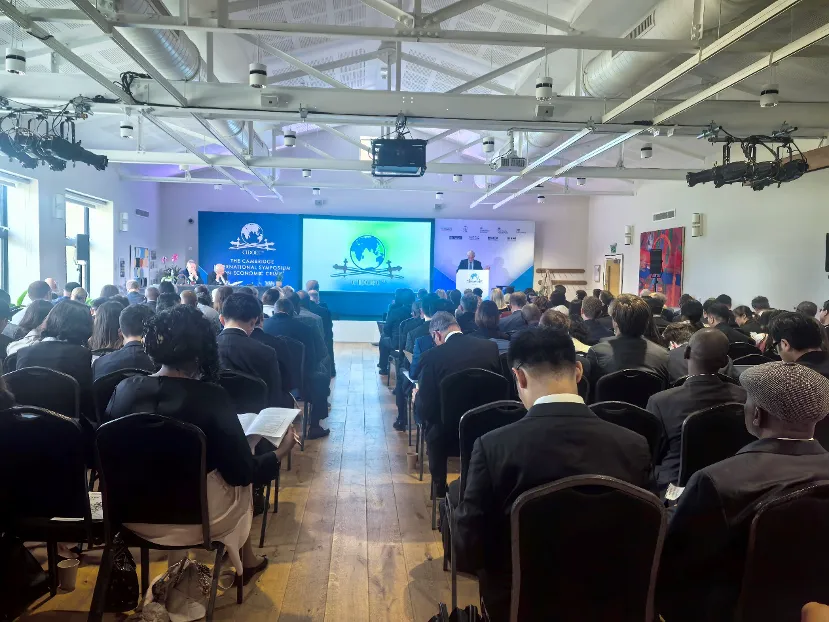
The forum featured a rich and cutting-edge agenda, comprising 41 plenary thematic seminars. By integrating multidisciplinary perspectives on the prevention and control of economically motivated crimes, the sessions deepened the understanding of regulatory challenges—particularly the impact of intervention measures on third parties managing assets in daily operations. These discussions played a pivotal role in fostering effective collaboration and contributed significantly to the formulation and application of both international and domestic laws.
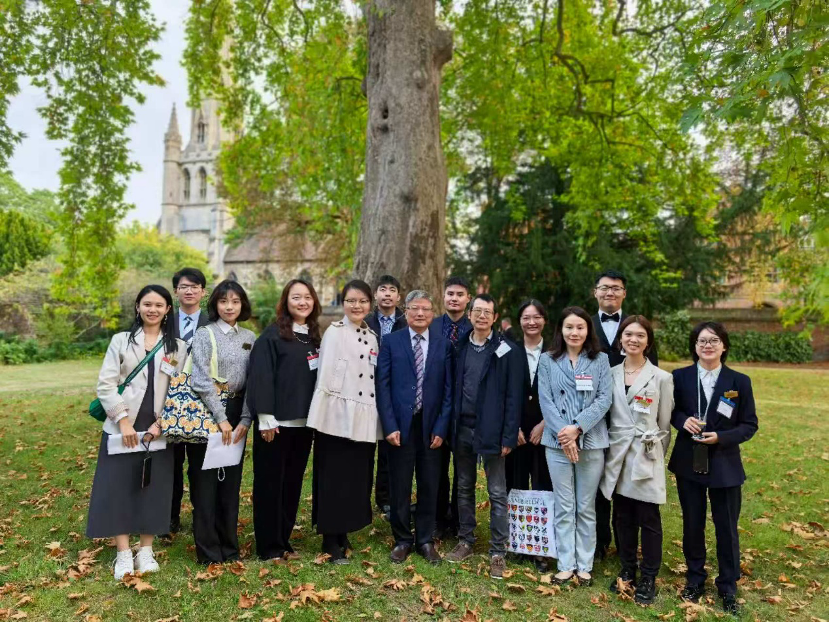
As a co-hosting institution, Beijing Normal University (BNU) Law School sent a delegation led by Professor Huang Feng, including Professor Yuan Dasong, Associate Professor Zhao Chenguang, Associate Professor Lao Jiaqi, and Associate Professor Yang Chao. The delegation successfully organized a side event titled "Research on International Cooperation in the Recovery of Suspicious Assets in Corruption Cases from a Chinese Perspective." Additionally, for the first time, BNU Law School deployed six student volunteers. Under the coordination of the conference secretariat, these students overcame challenges and delivered exceptional service, earning high praise from the organizing committee for their dedication.
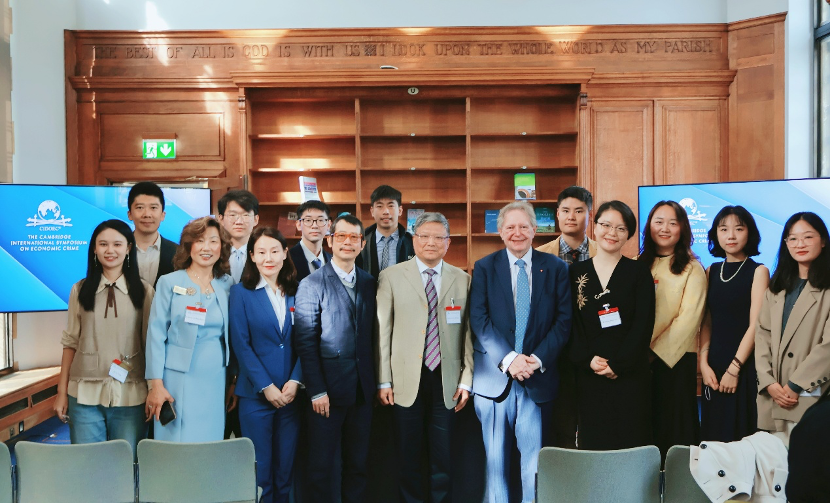
On the morning of September 6, the Webb Library at Jesus College, University of Cambridge, hosted the side event "International Cooperation in the Recovery of Suspicious Assets in Corruption Cases from a Chinese Perspective." Organized by the Beijing Normal University Law School and chaired by Associate Professor Lao Jiaqi, the seminar convened over 60 experts and scholars from around the world, fostering a dynamic and engaging exchange of ideas.
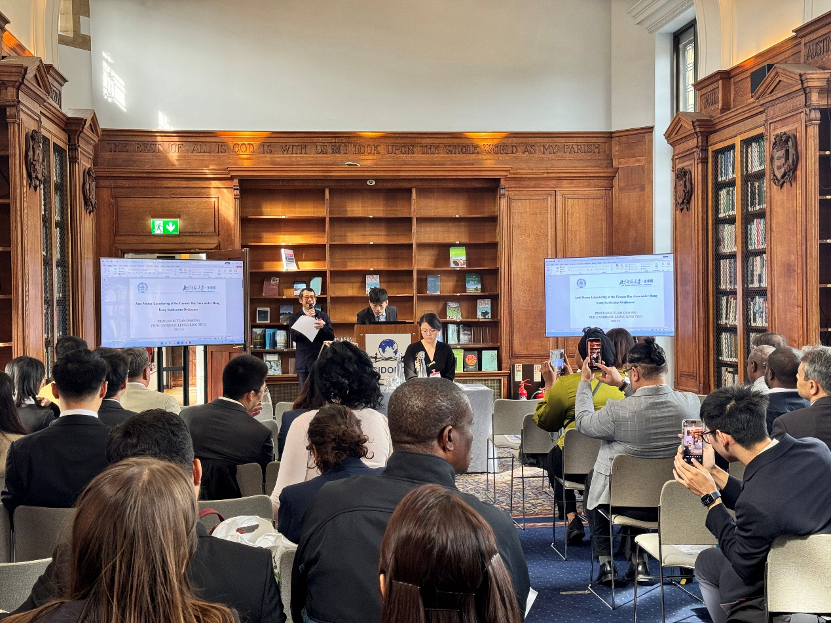
At the beginning of the seminar, Professor Yuan Dasong from Beijing Normal University Law School and doctoral student Liang Jingteng spoke on the topic of "Anti-Money Laundering Measures in the Greater Bay Area under the Hong Kong Stablecoin Regulation," focusing on the regulation of stablecoins in Hong Kong and anti-money laundering regulations in the Guangdong-Hong Kong-Macao Greater Bay Area, highlighting that while stablecoins facilitate transactions with fiat currencies, they summarized the differentiated situations in mainland China, Hong Kong, and Macau. They argue that the current focus should be on promoting the cross-border circulation of stablecoins and the development of offshore RMB stablecoins, rather than introducing new criminal regulations. They propose the establishment of a differentiated, coordinated, and inclusive regulatory framework to leverage the advantages of "one country, two systems," balancing regional, national, and international interests, and promoting the internationalization of the RMB and the vigorous development of digital economy governance.
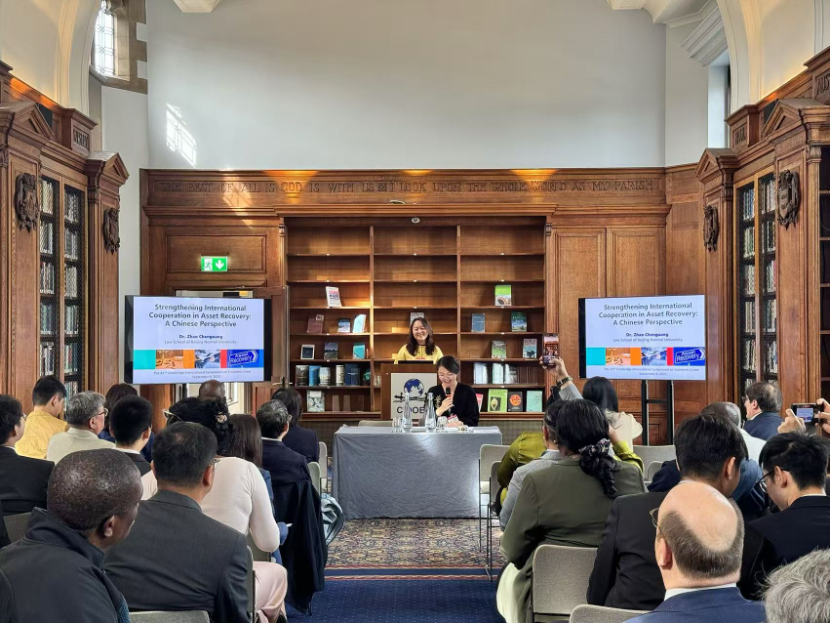
Subsequently, Associate Professor Zhao Chengguang from the Law School of Beijing Normal University delivered a speech titled "Strengthening International Asset Recovery Cooperation: A Chinese Perspective," discussing the topic of enhancing international cooperation in asset recovery from a Chinese viewpoint. She systematically introduced China's legal foundation, rich practices, current challenges, and future directions for institutional innovation in this field. Legally, China has established a domestic legal system centered on the Criminal Law, Criminal Procedure Law, Supervision Law, International Criminal Judicial Assistance Law, and Anti-Money Laundering Law, and actively participates in international cooperation, having signed 178 agreements on extradition, judicial assistance, and asset recovery with 83 countries. It is also a party to important international conventions such as the United Nations Convention against Corruption. In practice, China has successfully recovered outflowing assets through various flexible approaches, including simultaneously submitting asset recovery requests during extradition cooperation (e.g., the Chen Manxiong case), cleverly utilizing the domestic laws of the requested country for asset recovery (e.g., the Li Jixiang case), directly initiating civil lawsuits abroad (e.g., the Yu Zhendong case), and applying the innovative procedure of Non-Conviction Based Forfeiture in specific cases (e.g., the Li Huabo, Huang Yanlan, Bai Jing, and Feng Weihua cases), and even achieving voluntary return of assets by involved parties through persuasion (e.g., the Xiao Jianming case).
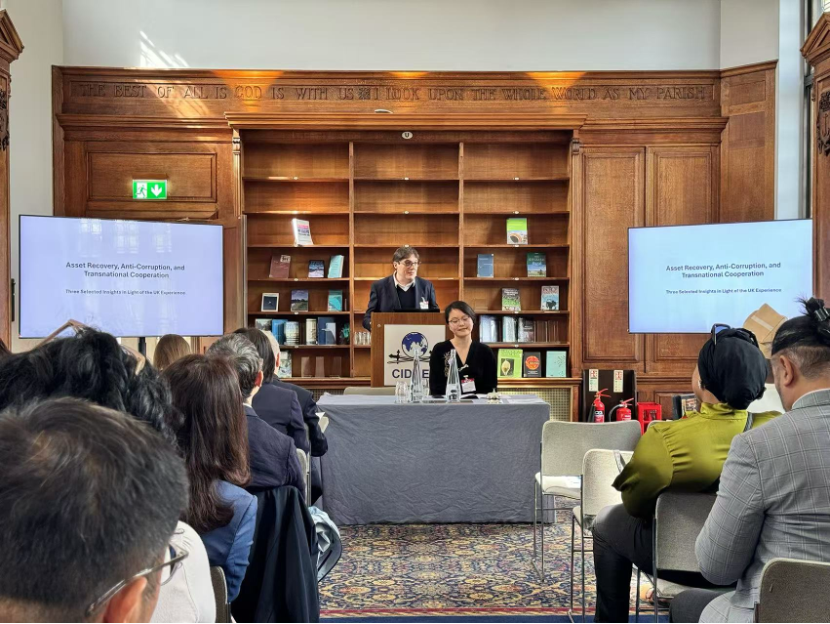
Dr. Donato Vozza, a lecturer at Aston University in the UK, delivered a speech titled "The Importance of International Cooperation and Asset Recovery in Combating Transnational Corruption and Economic Crimes." In his speech, he pointed out that transnational corruption often thrives due to a lack of cooperation between countries, with corrupt individuals exploiting legal gaps and loopholes to evade punishment and enjoy illicit gains. Asset recovery is considered a key measure in combating corruption, effectively addressing the illicit proceeds generated by corruption, especially when funds are hidden abroad through complex transactions. He emphasized the necessity of international cooperation and proposed strengthening global anti-corruption cooperation through a transparent and accountable asset return framework.
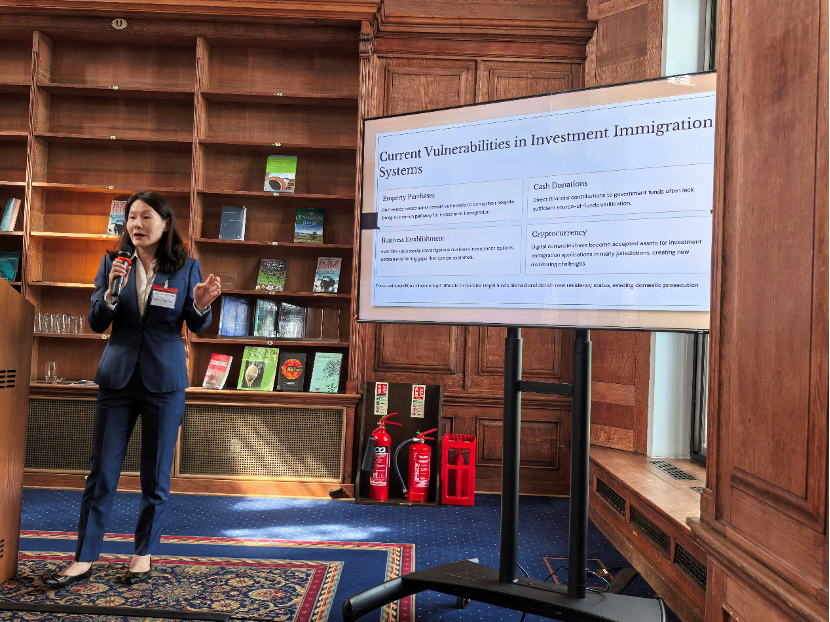
Associate Professor Yang Chao from the Law School of Beijing Normal University delivered a speech titled "Building and Improving the Financial Regulatory System for Anti-Corruption in Investment Immigration." Addressing the intersection of investment immigration laws and anti-corruption efforts, she highlighted significant loopholes in current programs—particularly regarding real estate purchases, cash donations, and cryptocurrency investments. She noted that these channels are frequently exploited by corrupt officials to transfer illicit funds, acquire new identities, and evade legal accountability.
To tackle this global challenge, Professor Yang referenced the United Nations Convention against Corruption and international frameworks such as the Egmont Group. She emphasized the primacy of prevention over punishment, the necessity of strengthening international cooperation, and the importance of enhanced scrutiny regarding Politically Exposed Persons (PEPs). Concluding her remarks, she outlined China's existing anti-money laundering legal framework and called for coordinated cooperation among nations, particularly destination countries for investment immigration. She advocated for a comprehensive approach integrating financial monitoring, tax information exchange (CRS), and international law enforcement collaboration to thoroughly eliminate "safe havens" for corrupt individuals.
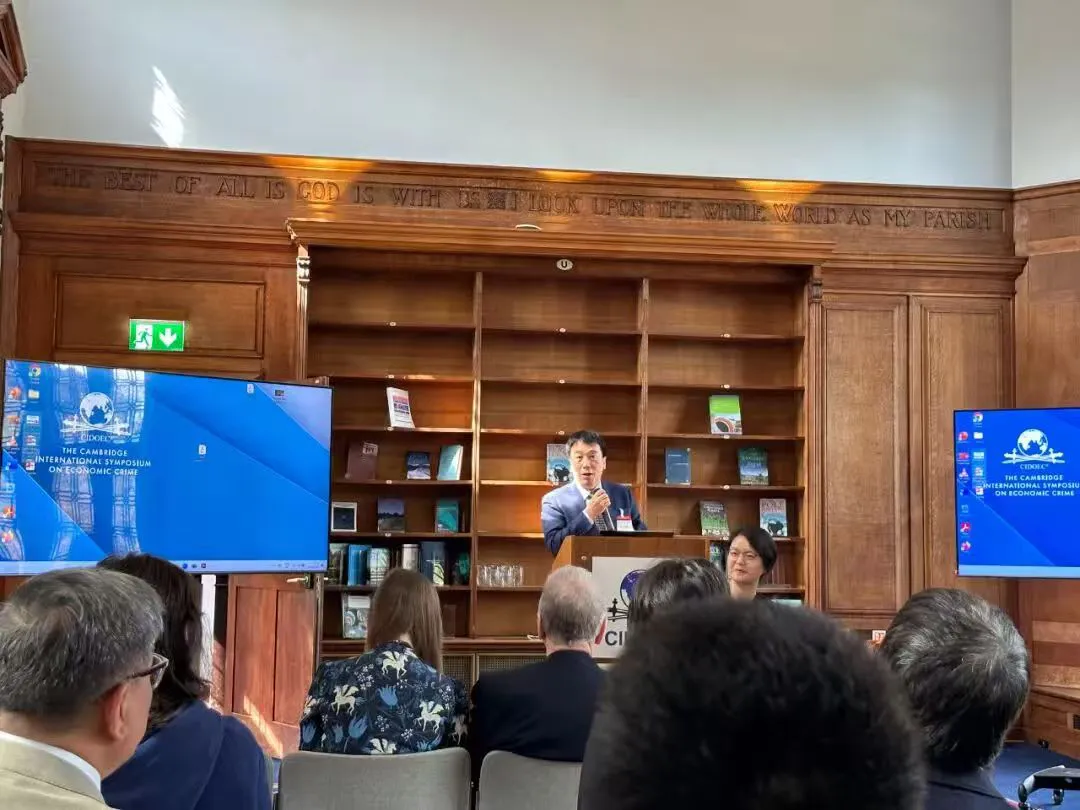
Zheng Fei, a partner at Jingshi Law Firm's headquarters and deputy director of the firm's National Criminal Committee, delivered a speech titled "The Impact of Economic Order Restoration on Judicial Conviction in China." He noted that while economic crimes and property crimes share similar objectives, their targets differ significantly. He described the economic order—the target of economic crimes—as having two defining characteristics: domesticity and artificiality. Consequently, he argued that the economic order serves not only as a vital guarantee for economic development but also as a core legislative goal. In his remarks, Zheng Fei emphasized that restoring the economic order can conserve judicial resources while encouraging offenders to voluntarily compensate, refund, and apologize, thereby mitigating their subjective malice. He further asserted that the role of the court extends beyond imposing penalties; it also functions as a venue for restoring social order, using judicial practice to promote broader social balance and justice.
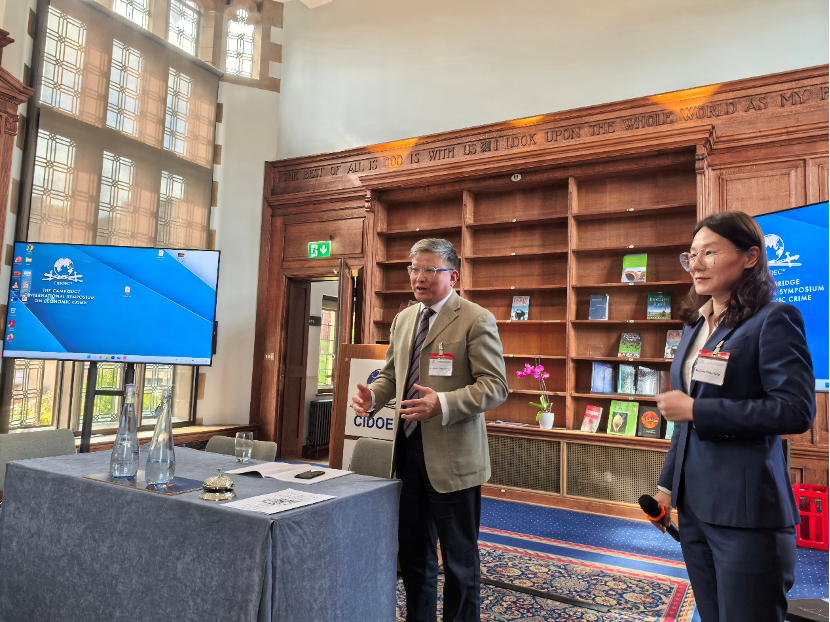
Professor Huang Feng of Beijing Normal University Law School delivered the concluding remarks for the side event. He observed that the seminar effectively demonstrated the high standards and international perspective of China's legal system, highlighting its alignment with international treaties and the integration of advanced legislative and judicial practices from around the world. Professor Huang also extended his sincere gratitude to the organizers for their continued support of the Law School. The side event concluded successfully amidst warm applause.
Typesetting: Xu Yiyang
Editor: Shi Tianyu