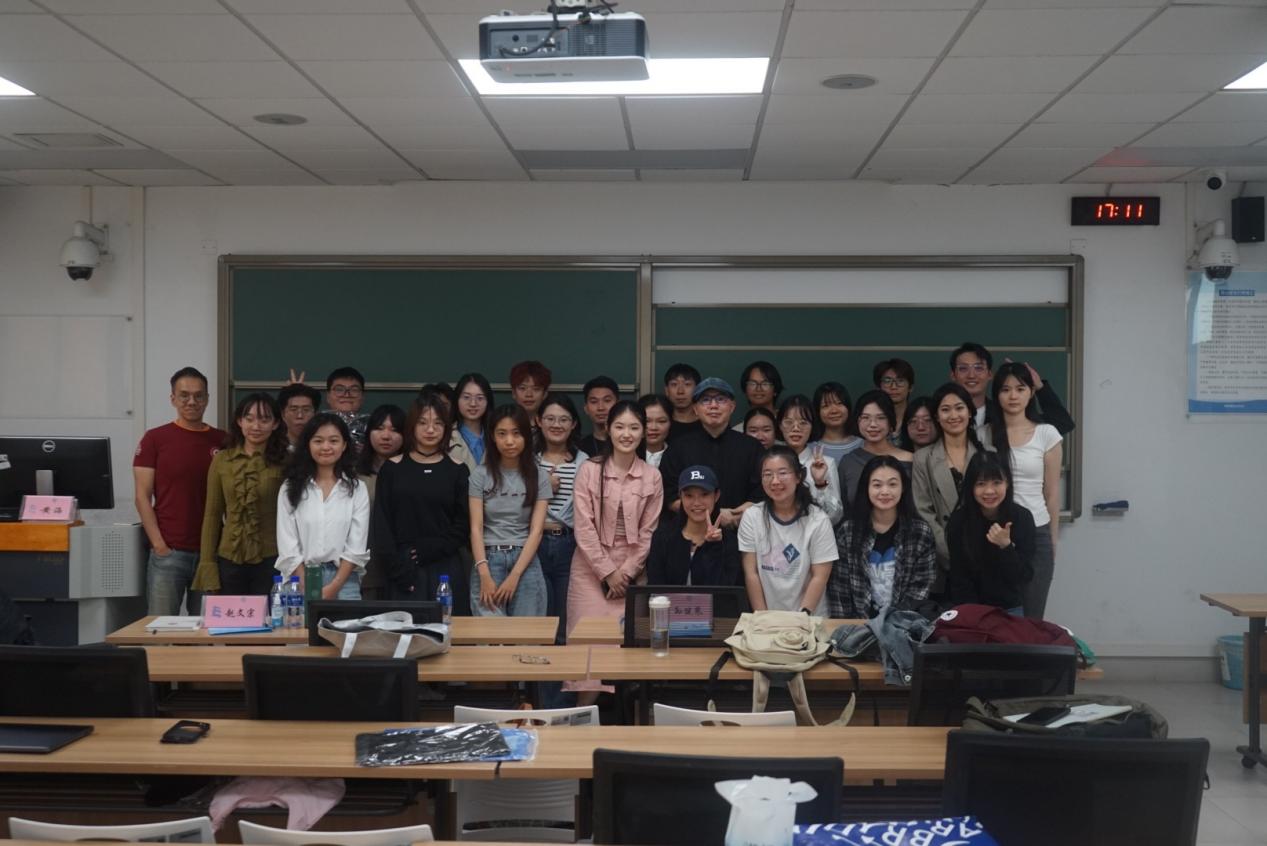
On October 24, the 70th lecture in the BNU Zhuhai Legal Lecture Series, titled “The Legal Discourse Constructed by Hong Kong Films,” was successfully held in Classroom C405 of the Lijiao Building at Beijing Normal University’s Zhuhai campus. The lecture was delivered by Mr. Huang Hai, a senior film producer, executive committee member of the Hong Kong Film Workers Association, president of the Hong Kong Film Editing Association, and director of the Hong Kong Film Awards Association. Professor Zhao Wenzong from the BNU Law School served as the panelist, and Sun Jiancheng, a master’s student in the 2024 Juris Master program, hosted the event. The lecture drew a large audience of students from various disciplines across the Zhuhai campus.
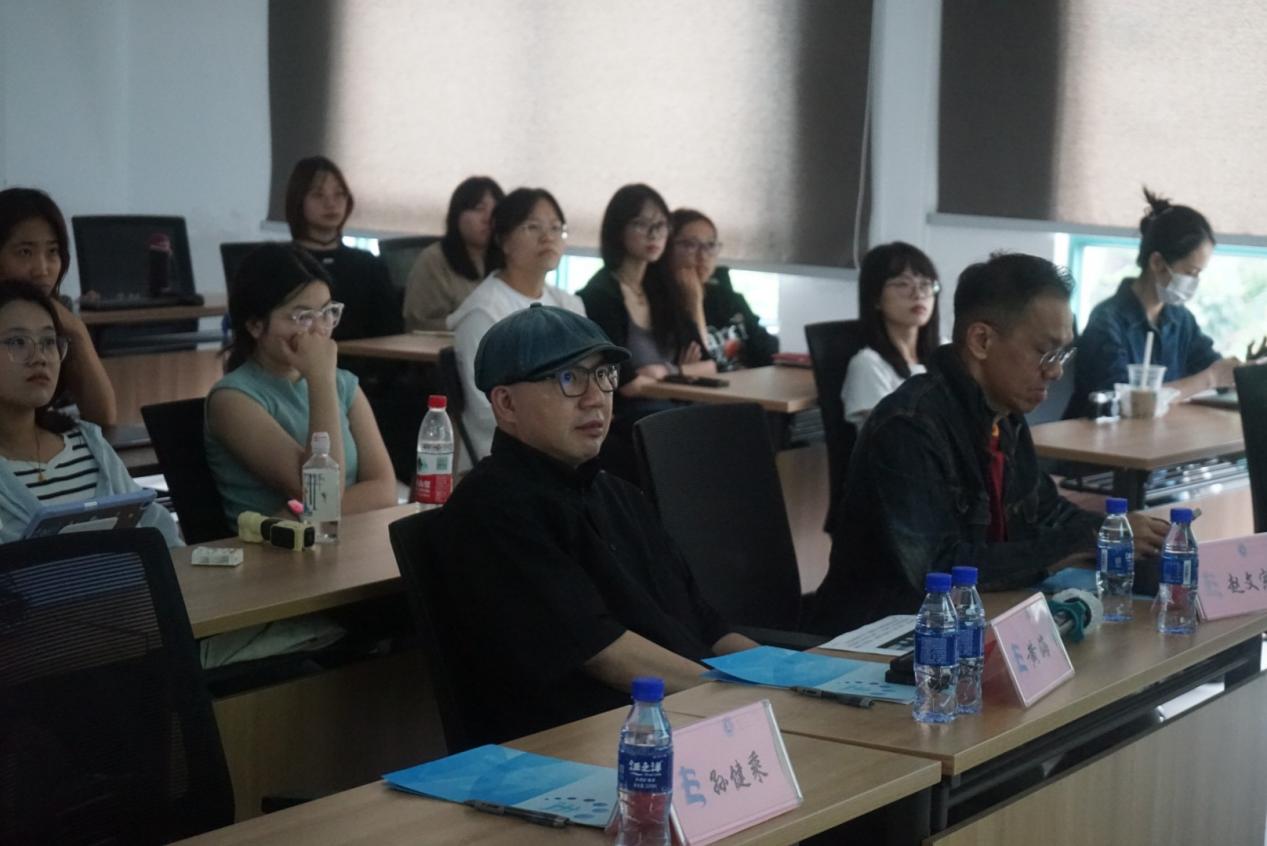
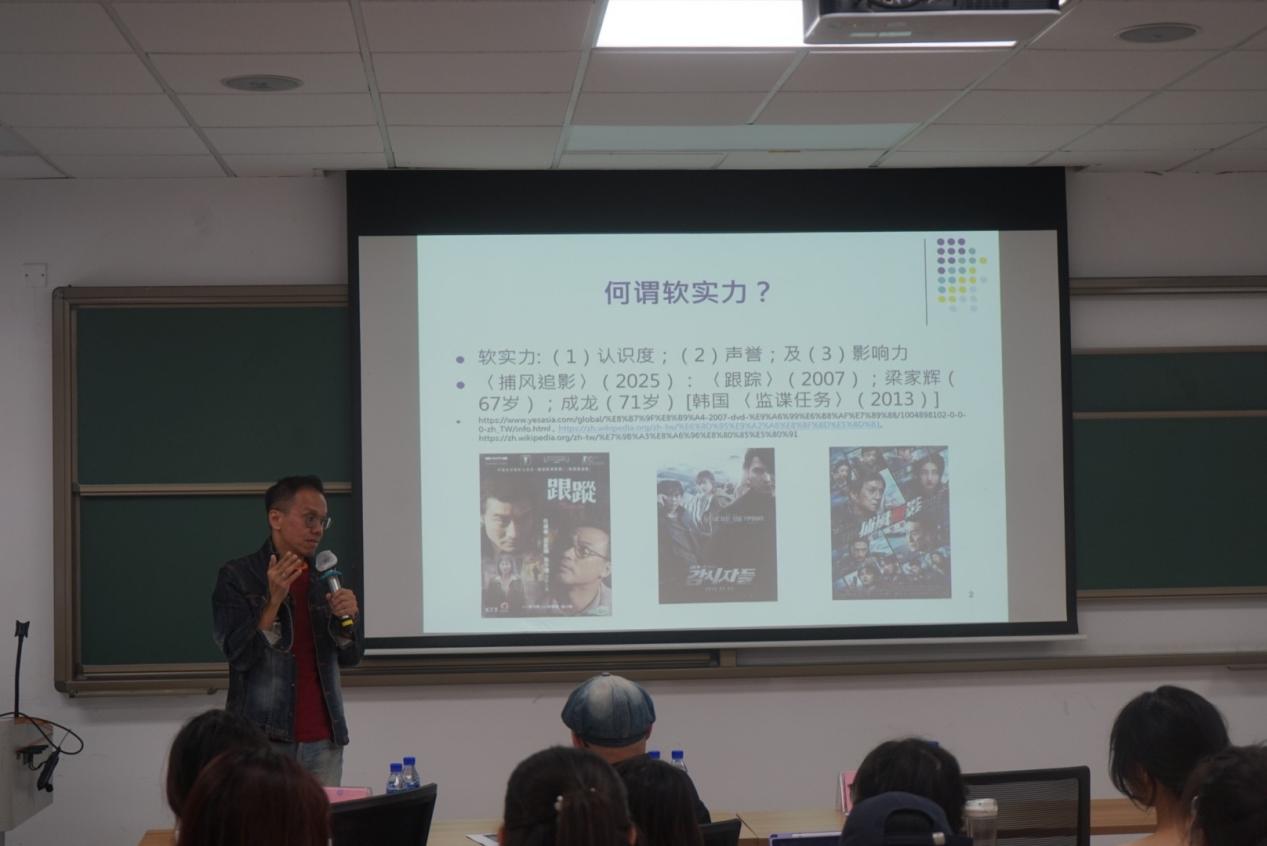
To open the session, Professor Zhao Wenzong used iconic Hong Kong legal films as a springboard to introduce students to the concept and evolution of legal cultural soft power. He provided an in-depth analysis of the unique legal environment in Hong Kong, comparing and contrasting the rule-of-law cultures and philosophies of the mainland and Hong Kong.
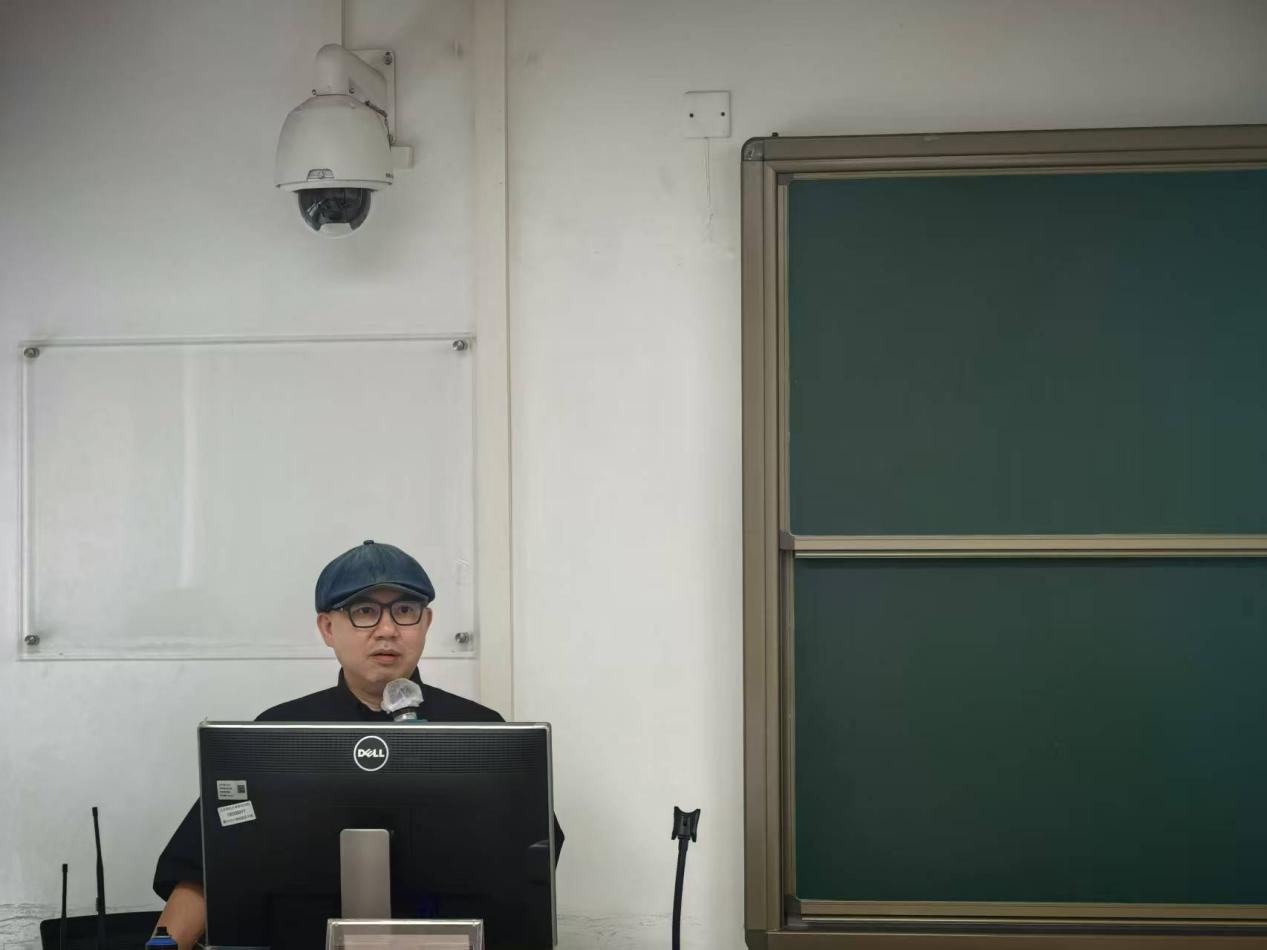
Mr. Huang Hai then shared his valuable professional insights in a lively and engaging manner, drawing upon his extensive editing experience and classic works such as “Cold War” and “Initial D”. He posited that law, like film, is an art form that thrives on imagination and creativity. Emphasizing the importance of perseverance and dedication, he noted that while professional skills can be acquired through various means, it is only through heartfelt commitment and continuous reflection that one can create truly original work. To illustrate this point, he shared an anecdote about a single, brief shot from one of his films that required days of contemplation and repeated discussion, demonstrating that every creative choice is deeply embedded with the creator’s value judgments and emotional investment.
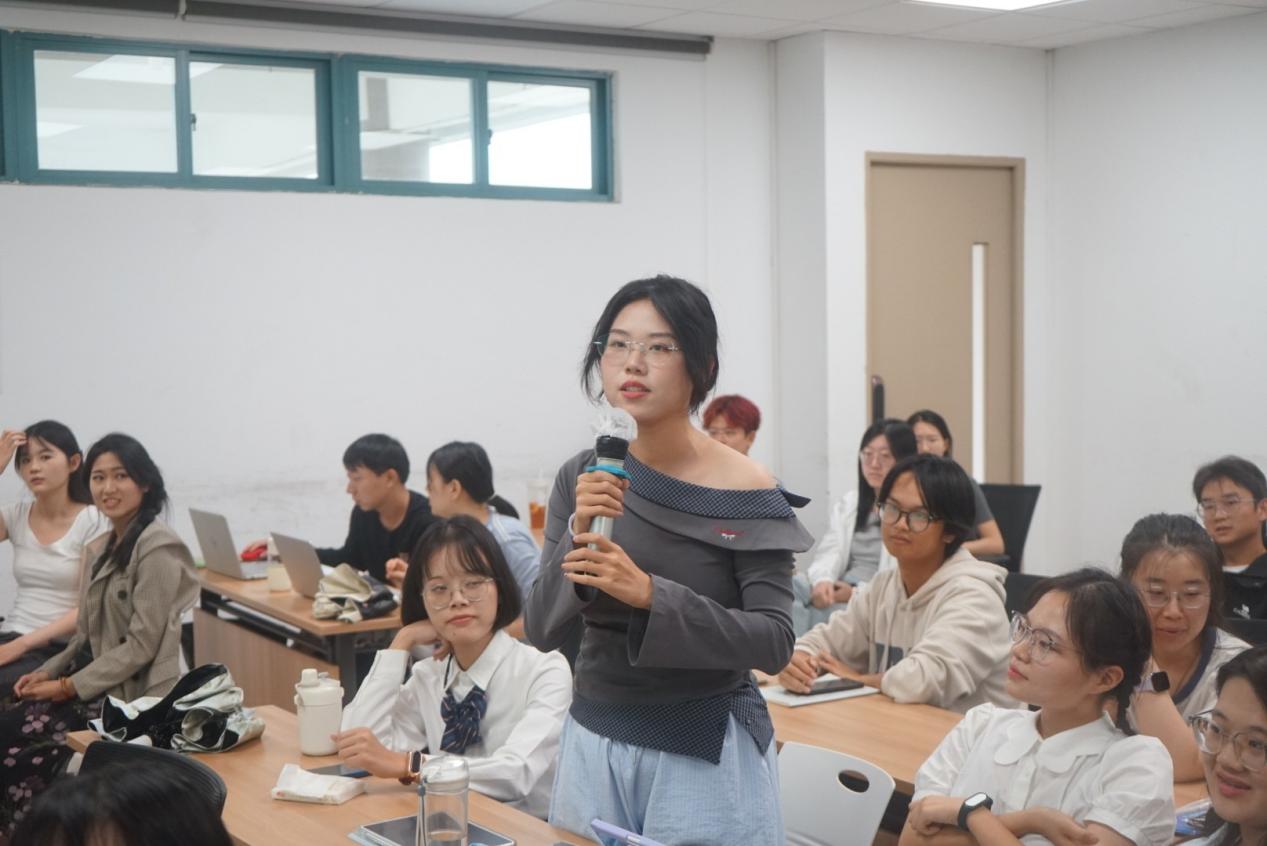
During the interactive session, students were highly engaged, posing questions to Mr. Huang on topics such as how to balance personal artistic vision with audience preferences and how aspiring editors can hone their craft. Mr. Huang advised that during the learning process, it is crucial to be receptive to feedback from both mentors and viewers, to continually refine one’s technical skills, and to discover a mode of expression that is authentic to oneself.
Thus, this lecture concluded successfully amidst the applause of the attending teachers and students.