

On the afternoon of April 27, the 120th session of the BNU Distinguished Jurist Lecture Series, themed "The Theory and Practice of the Constitution in China's New Era," was grandly held at the Law School of Beijing Normal University. This session featured an esteemed keynote speaker, Professor Zhang Wenxian, a senior professor of philosophy and social sciences at Jilin University, President of the Legal Education Research Association of the China Law Society, and President of the Legal Journal Research Association of the China Law Society. Professor Liang Yingxiu, Dean of the Law School of Beijing Normal University, acted as the host, while Professor Chai Rong, Professor Xia Yang, and Associate Professor Guo Ye served as panelists, collectively delving into the rich connotations of constitutional theory and practice.
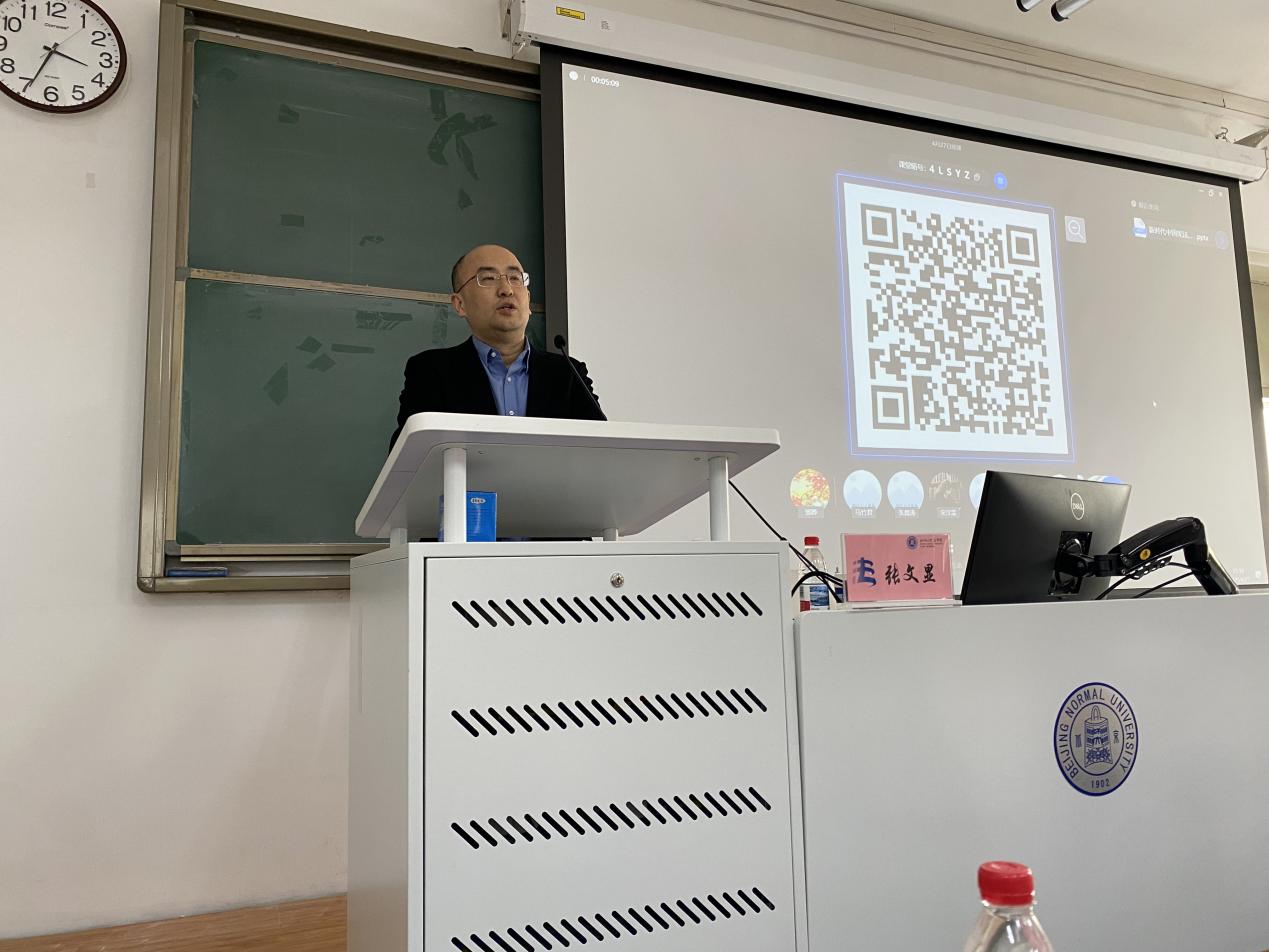
At the commencement of the lecture, Dean Liang Yingxiu extended a warm welcome to Professor Zhang Wenxian and provided a thorough and detailed introduction to his impressive academic background and research areas. Dean Liang underscored that Professor Zhang Wenxian's significant contributions to constitutional studies in China serve as an inspiration for students attending the lecture, encouraging them to deeply understand the essence of constitutional theory and practice in China's new era and thereby foster a correct understanding of the rule of law.
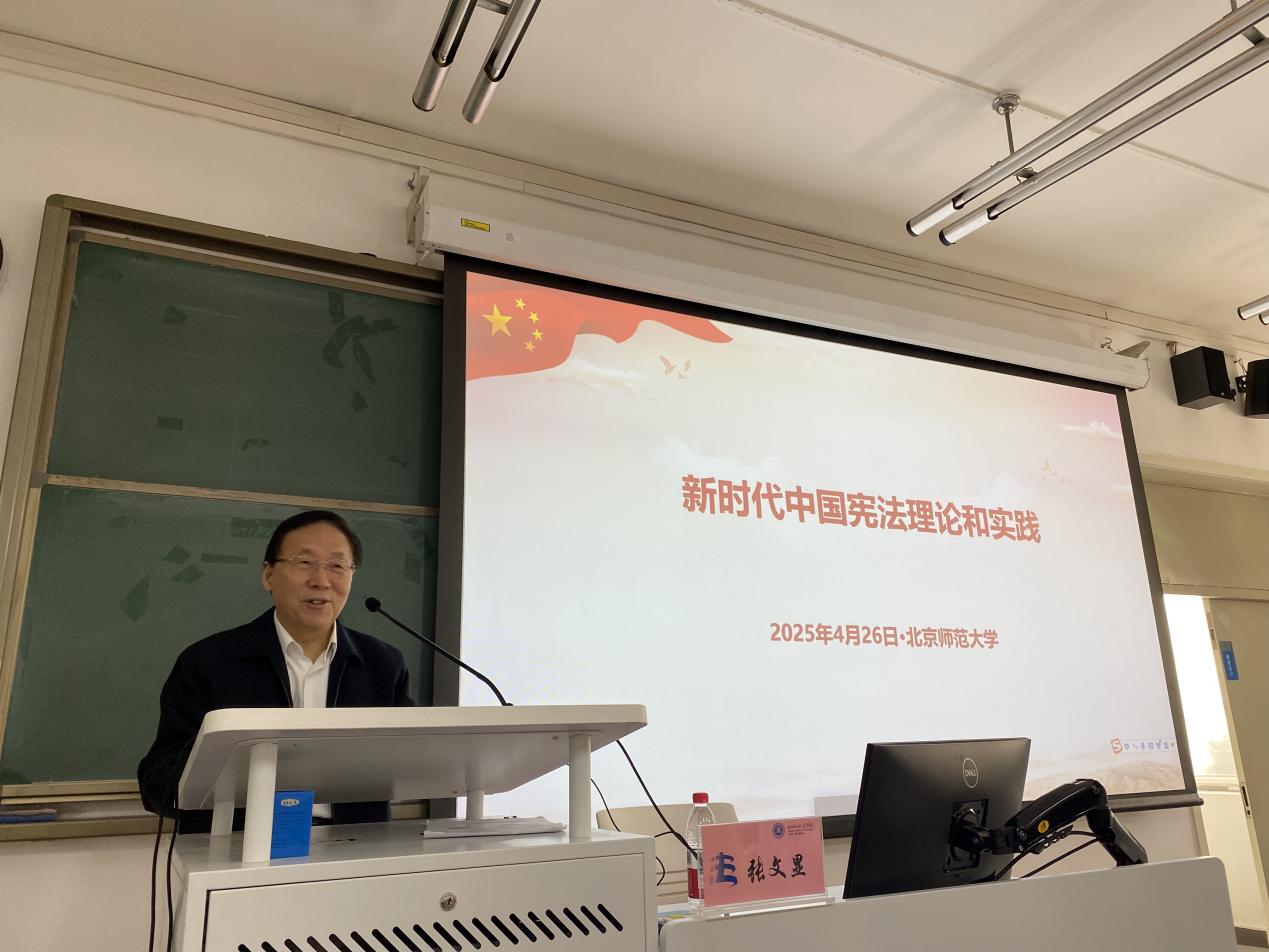
In the lecture, Professor Zhang Wenxian first elaborated on the core essence and main theoretical components of the theory of the Constitution in the new era of China, with the core essence concentrated in 15 important discussions, while the main theoretical components include constitutional civilization theory, constitutional ontology, constitutional value theory, constitutional system theory, constitutional practice theory, and the epistemology and methodology of constitutional studies. Subsequently, Professor Zhang Wenxian clearly pointed out that the theory of the Constitution in the new era of China profoundly reveals the historical logic of constitutional development in China since modern times, and elaborates on the rationale and connotation of governing the country and exercising power according to the Constitution. He narrated the stories of constitution-making, constitutional amendments, and constitutional implementation in New China, explained the legal logic and scientific connotation of the "two priorities," and analyzed the essential differences between governing the country and exercising power according to the Constitution and the Western concept of "constitutionalism," with profound and vivid content. Finally, Professor Zhang Wenxian combined the practices and achievements of constitutional construction and implementation in the new era of China, along with typical cases of constitutional review, to provide a profound interpretation of the practical power of the theory of the Constitution in the new era of China. The lecture was rich in content, easy to understand, and engaging, winning enthusiastic applause from the attending teachers and students.
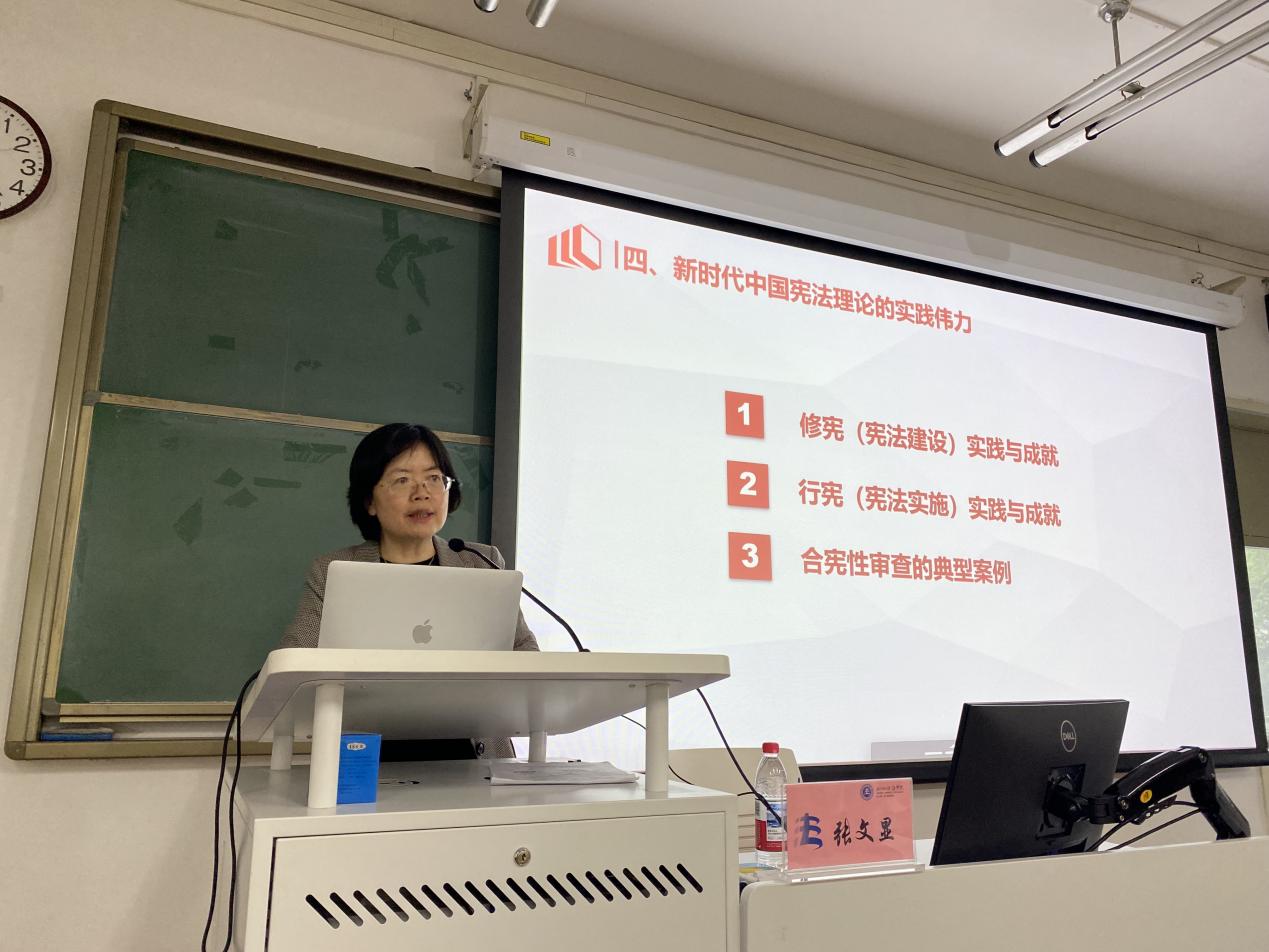
During the discussion segment, Professor Chai Rong, the Party Secretary of the Law School, emphasized and summarized the importance of constitutional law, suggesting that students read classics to strengthen their correct understanding of constitutional theory.
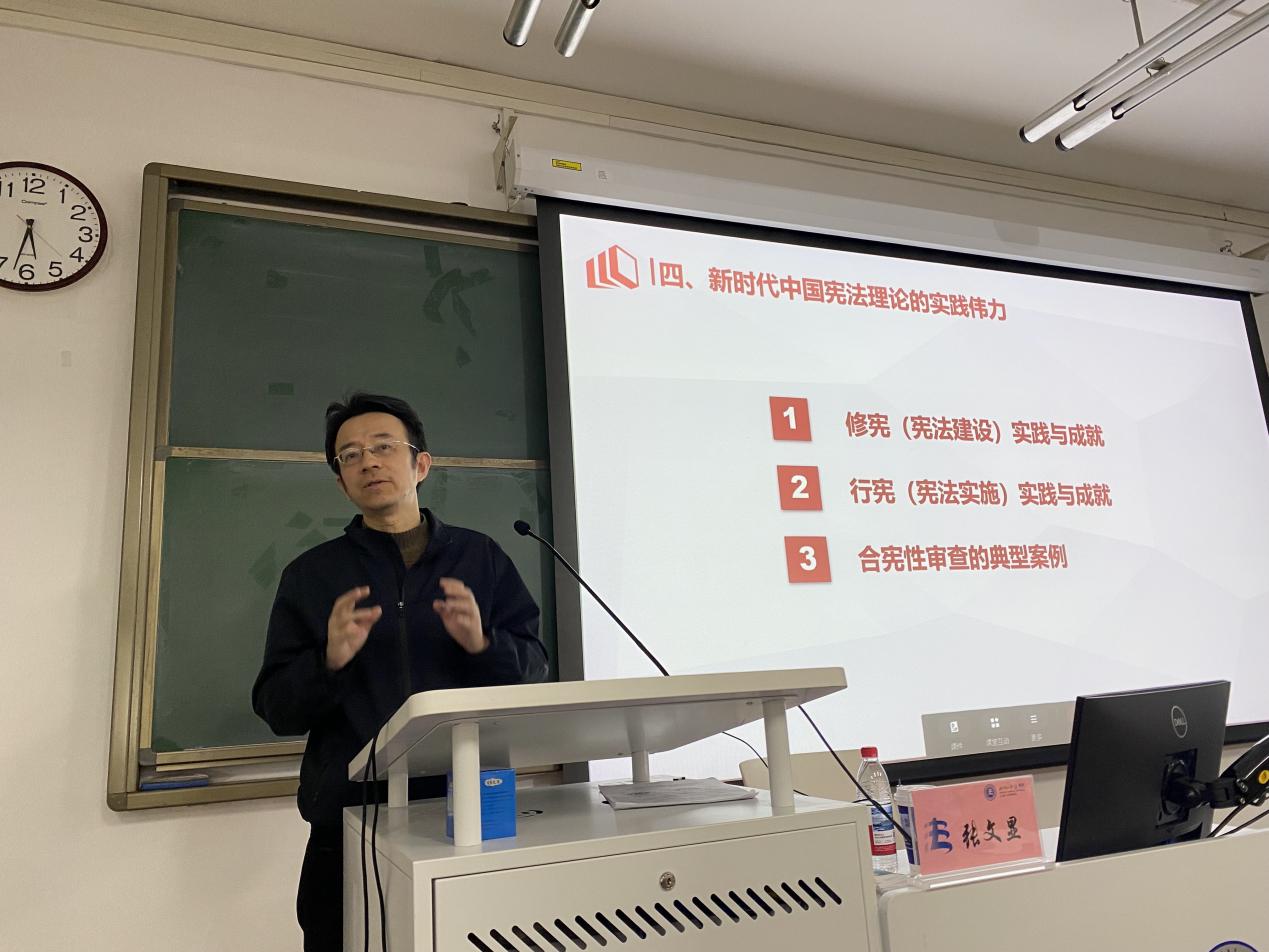
Professor Xia Yang emphasized the importance of institutional confidence and encouraged young students to uphold the fundamentals of Chinese legal studies, solidify their foundation, and build a strong defense, so that they can grow into the pillars of the legal profession in the new era of China.
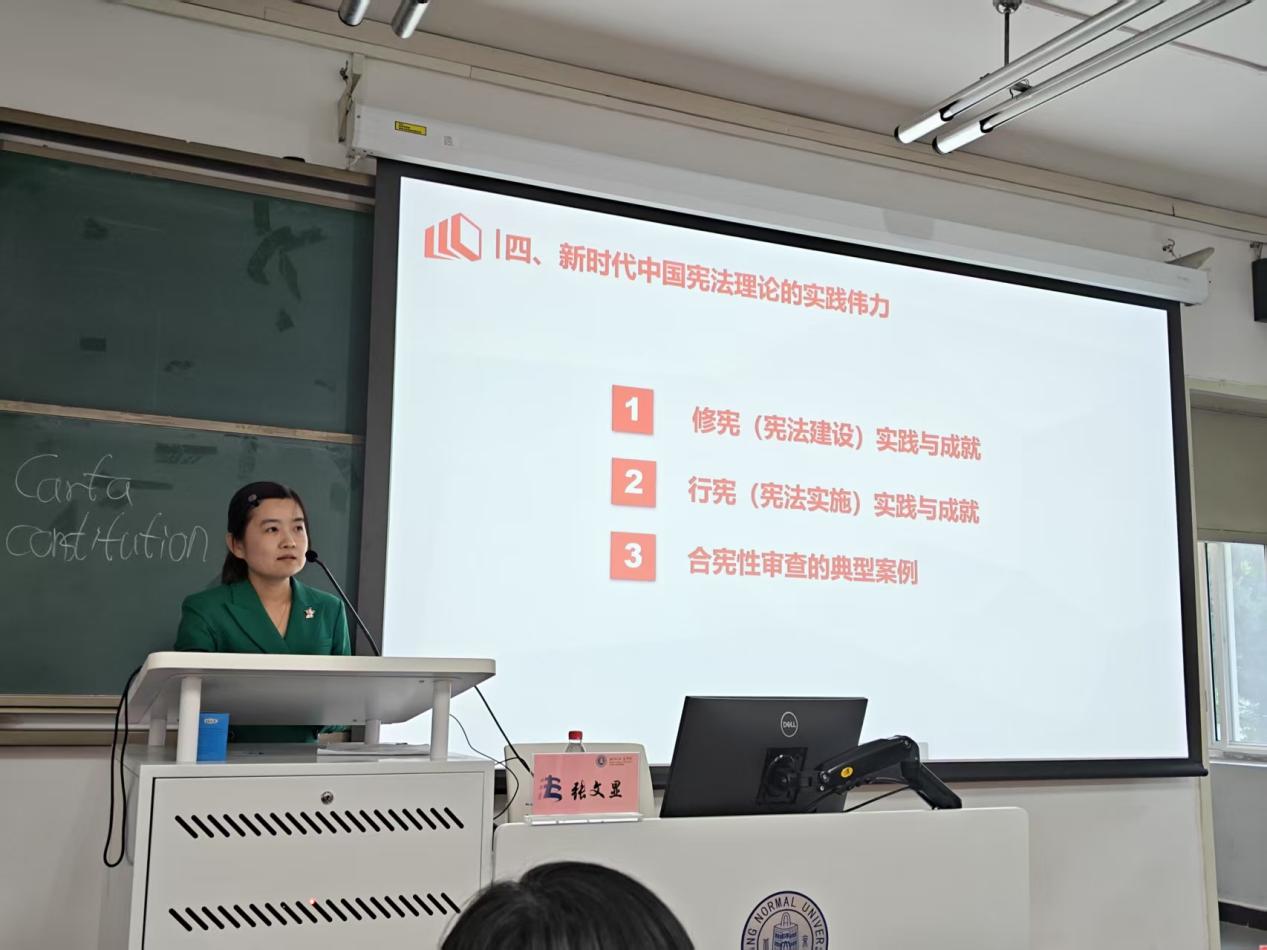
Associate Professor Guo Ye vividly shared her insights from the lecture based on its four sections and encouraged the students present to deeply comprehend the profound significance contained in the lecture.
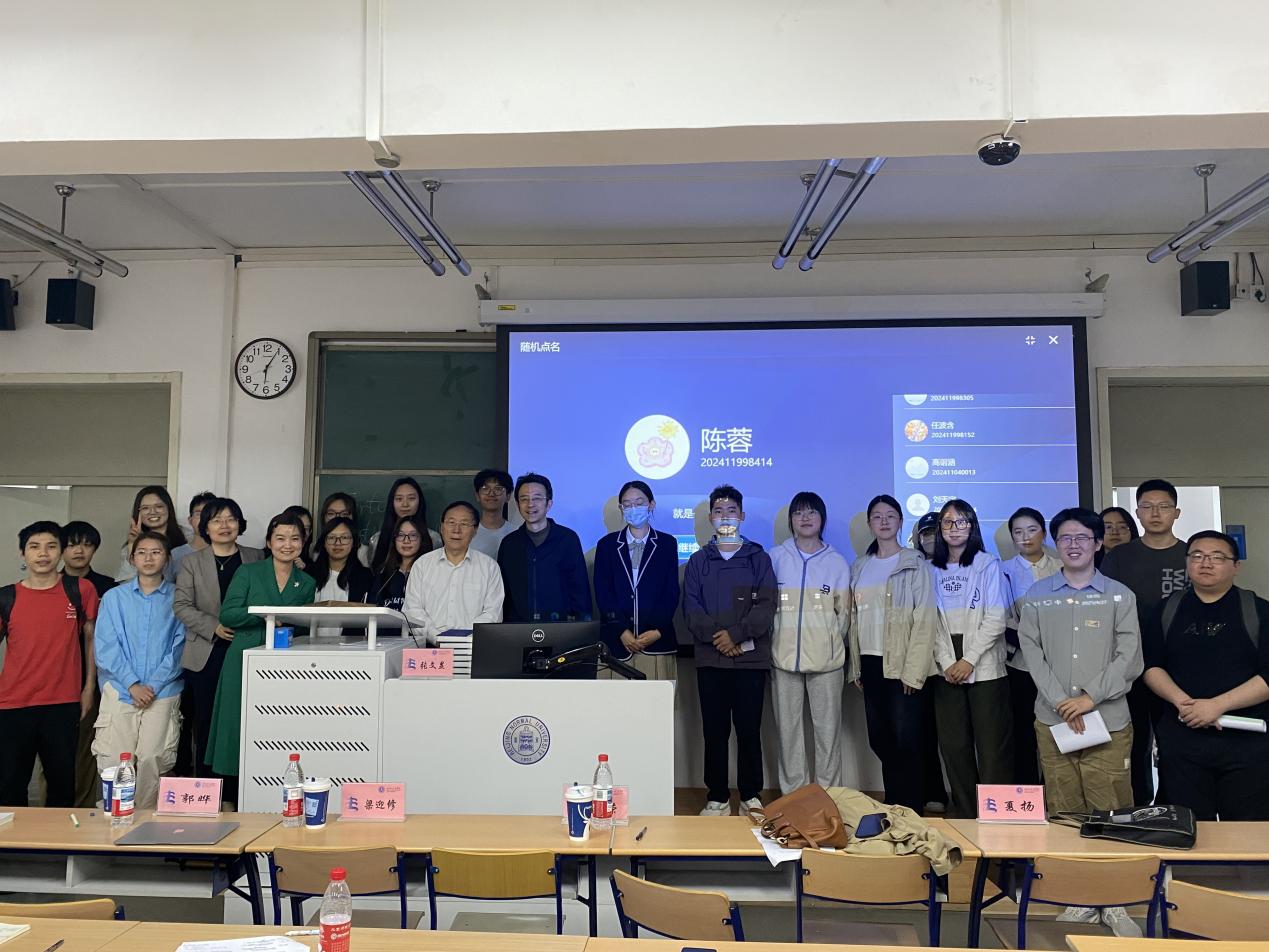
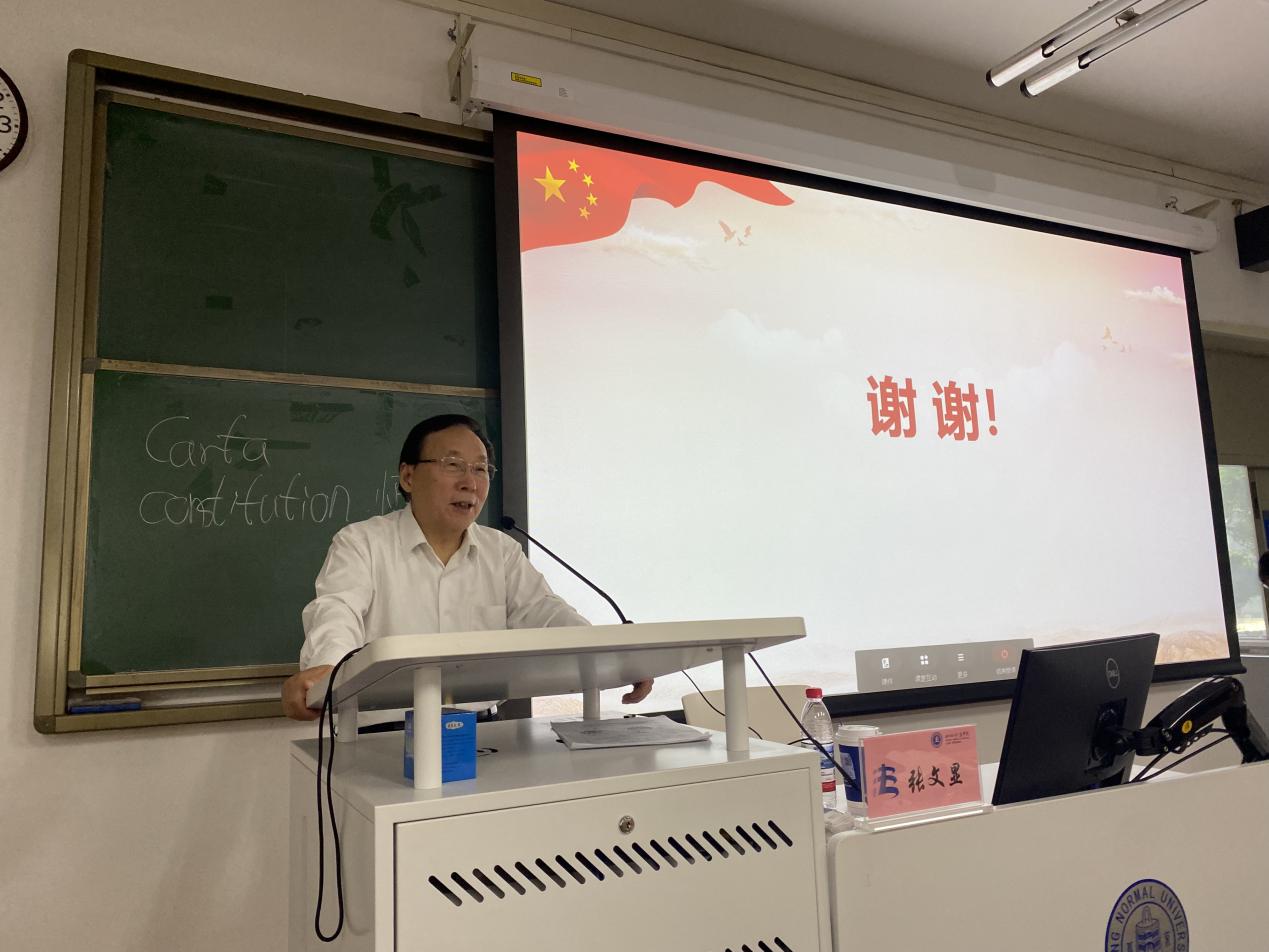
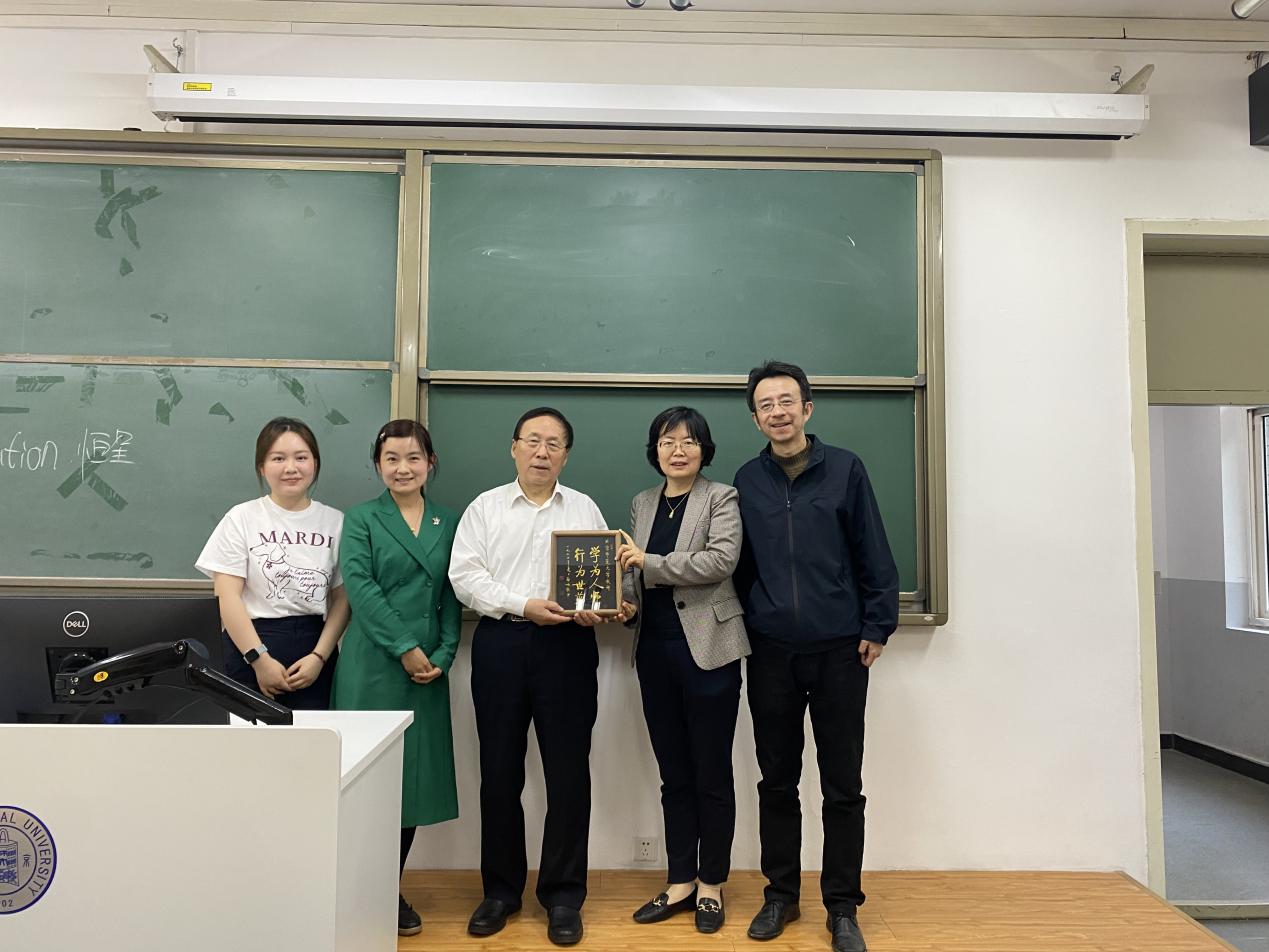
In the interactive segment, Professor Zhang Wenxian engaged in in-depth exchanges and discussions with the university students on related issues, generously signing books for them, fully demonstrating his profound academic accomplishments and earnest expectations for young scholars. The entire lecture was filled with a strong atmosphere of learning, concluding successfully amidst the enthusiastic applause of faculty and students.
(Author: Guo Meiling)