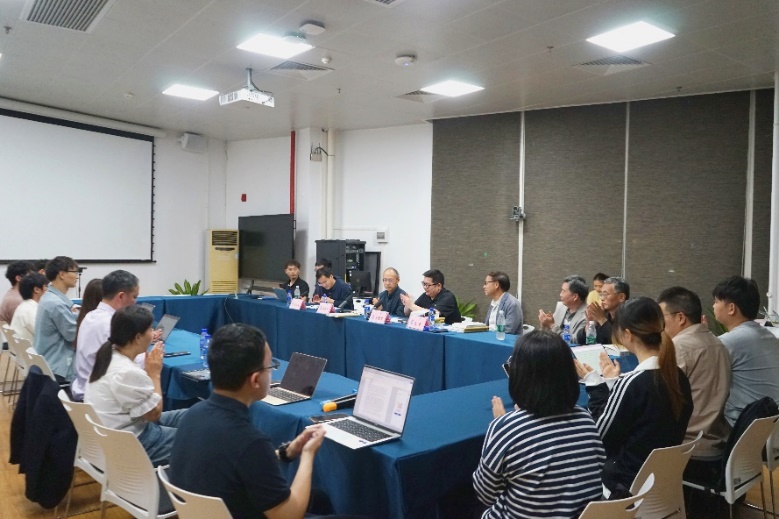
On April 12, the 60th session of the BNU Zhuhai Legal Lecture Series, titled "The Knowledge Archaeology of Legal Anthropology," was successfully held in Room A103 of the Lijiao Building at BNU Zhuhai. The lecture was delivered by Researcher Zhang Guanzi, Secretary of the Party Committee and Director of the Institute of Information and Intelligence Research at the Chinese Academy of Social Sciences. Professors Gao Bingzhong from the Center for Intangible Cultural Heritage at the Institute of Humanities and Social Sciences, and Se Yin from the School of Sociology at Beijing Normal University served as panelists. The event was hosted by Professor Yuan Zhijie, Vice Dean of the Law School and Director of the Center on the Rule of Law and Development at BNU Zhuhai. Distinguished guests in attendance included Professor Mi Jian, a distinguished professor at Beijing Normal University, and Professor Xue Xiaoyuan, Director of the Center for Globalization and Cultural Development Strategy, along with numerous students from the Zhuhai campus.
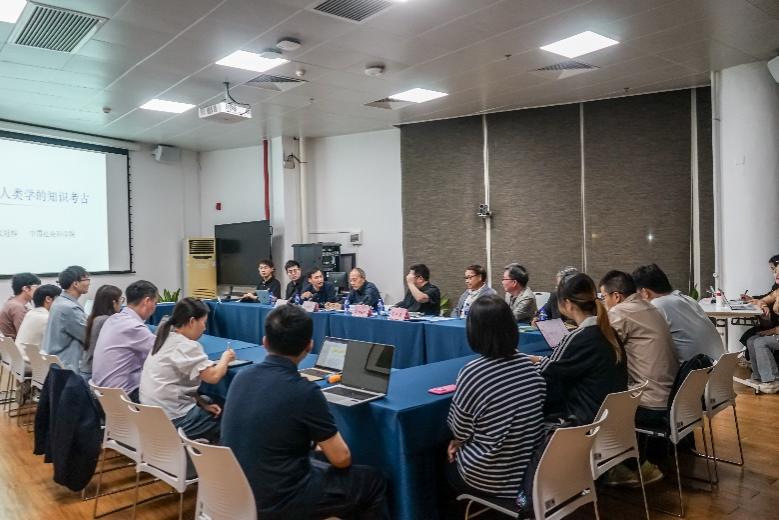
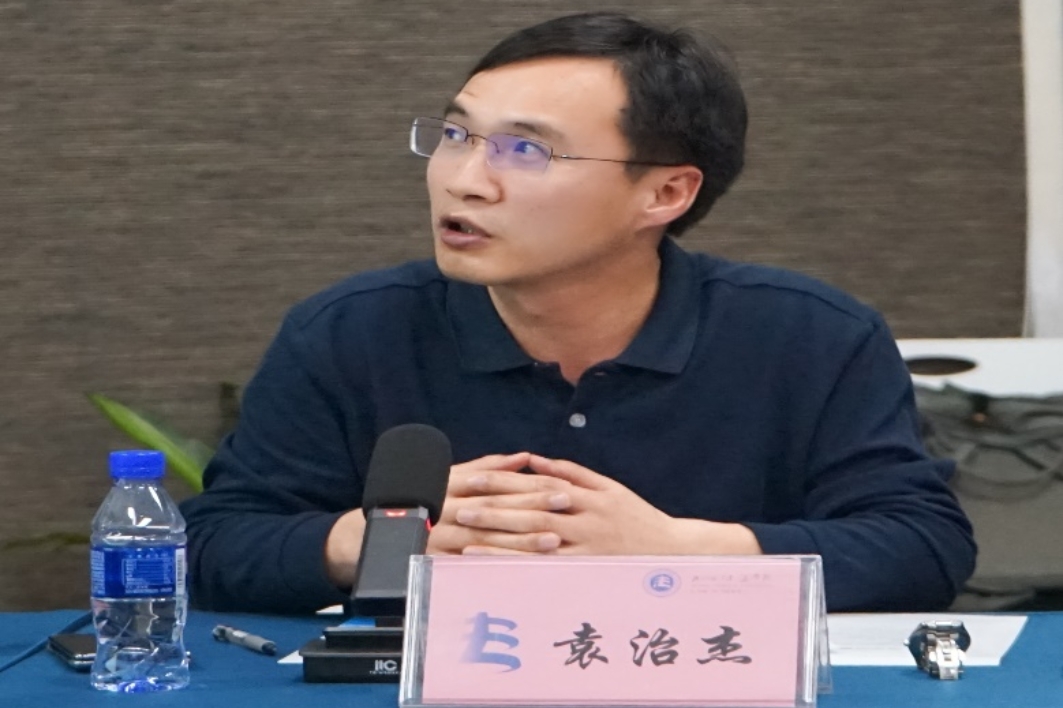
At the beginning of the lecture, Professor Yuan Zhijie introduced the speaker, highlighting Researcher Zhang Guanzi's significant contributions to legal anthropology, and extended a warm welcome. Researcher Zhang Guanzi then explored the academic and knowledge origins of legal anthropology through the lens of "knowledge archaeology," focusing on its historical evolution, disciplinary characteristics, and inherent openness.
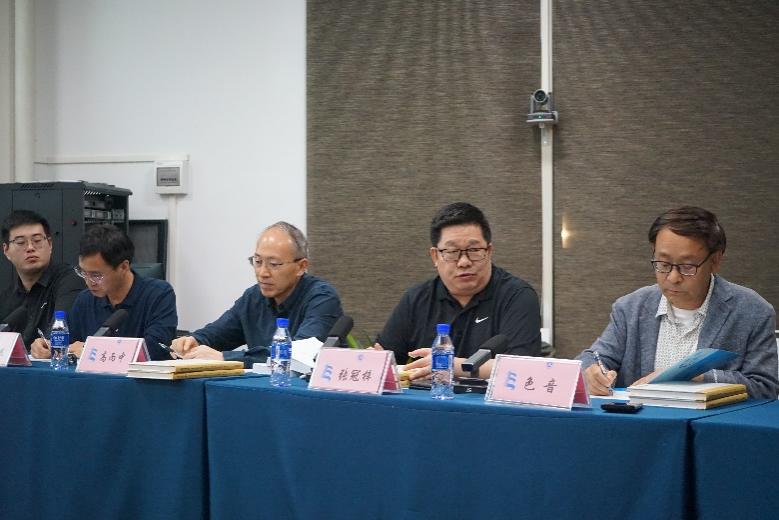
In the first part, Researcher Zhang Guanzi elaborated on the origins and evolution of legal anthropology, emphasizing its close connection with the history of modern human development and its distinct timeliness. After outlining the driving forces of the three major ideological liberation movements—the Renaissance, the Reformation, and the Enlightenment—on the emergence of legal anthropology, Researcher Zhang Guanzi further analyzed the profound impact of evolutionism and legal ethnography on legal anthropology, as well as the expansion of rule-centeredism. Regarding disciplinary characteristics, Researcher Zhang Guanzi introduced the features of legal anthropology compared to traditional jurisprudence, the four attributes of law, legal pluralism, and the definition of law, pointing out that legal anthropology is currently more deeply involved in the study of social reality issues under the influence of postmodernism.

In the second part of his talk, Researcher Zhang analyzed the constructive and deconstructive characteristics exhibited during the development of legal anthropology. He pointed out that the field continuously absorbs achievements from historical jurisprudence, natural law, evolutionism, and anthropological methods, while also utilizing insights from other disciplines to critique and reconstruct traditional legal knowledge. This openness allows legal anthropology to transcend disciplinary barriers, studying law within a dynamic social context rather than being confined to static rules. In summarizing the discipline's value, he emphasized its unique contribution to the construction of the rule of law in China, noting that it provides a distinct perspective for understanding traditional Chinese legal culture and aids in building an independent legal discourse system.

During the discussion session, Professor Gao Bingzhong emphasized that textual interpretation of the law is limited; scholars should instead investigate the dynamically operating order within social practices. He also suggested that legal anthropology should transcend the limitations of the nation-state to focus on the formation and operation of rules in the international community, urging scholars to participate in constructing international rules rather than passively accepting existing texts.
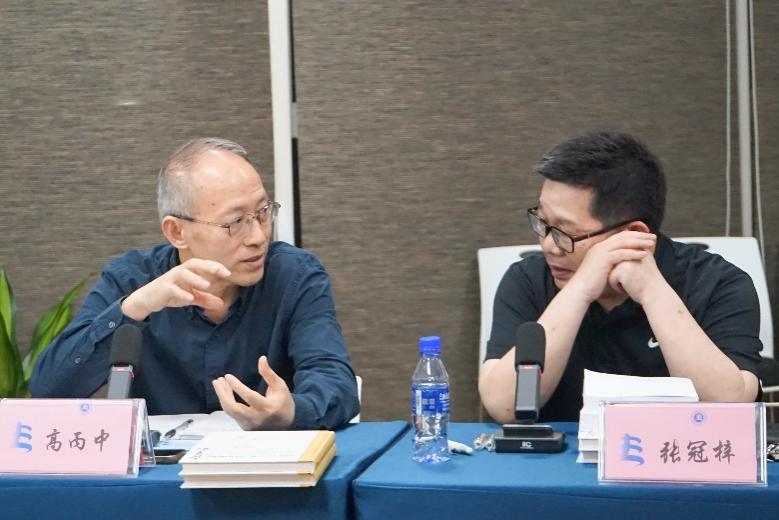
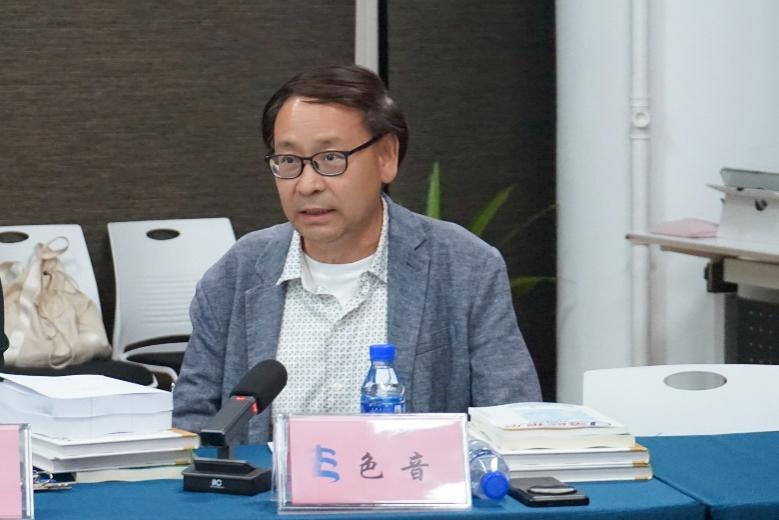
Professor Se Yin, from a holistic perspective of legal anthropology, pointed out that disciplinary classification is relative and emphasized the importance of interdisciplinary research. Professor Se Yin called for breaking down disciplinary barriers and promoting the construction of new liberal arts to address complex social issues through multidisciplinary integration, and highly praised Researcher Zhang Guanzi for his systematic sorting of the context of legal anthropology.
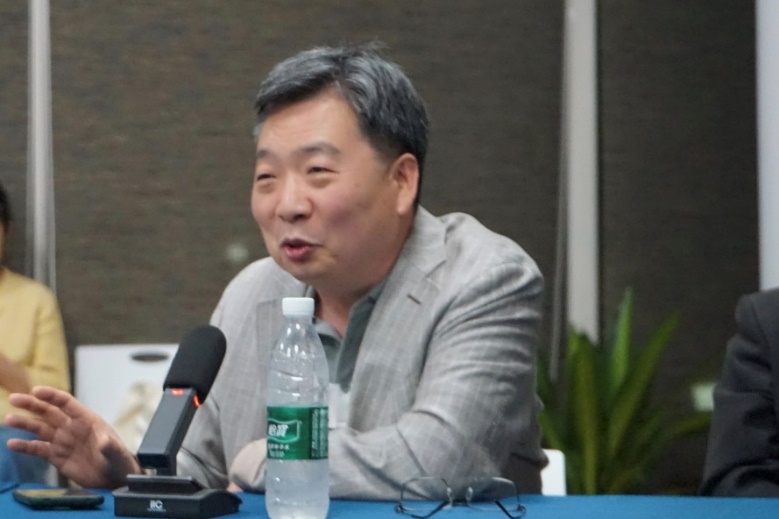
Professor Xue Xiaoyuan, from a globalization perspective, argued that research on globalization urgently needs the support of legal studies and interdisciplinary perspectives, pointing out that under the current trend of de-globalization, attention must be paid to the construction of the rules of globalization. Professor Mi Jian expressed sincere gratitude for Researcher Zhang Guanzi's visit to the Zhuhai campus and pointed out that legal anthropology itself has transcended local knowledge, evolving into global knowledge, which helps to build a community with a shared future for mankind.
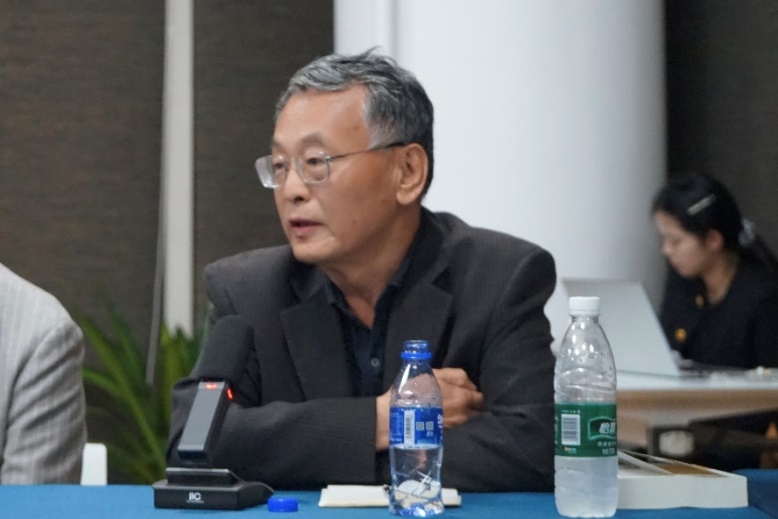
During the Q&A session, students actively raised questions. Researcher Zhang Guanzi patiently responded, analyzing the challenges and opportunities in the current globalization process from a historical perspective. He noted that human civilization advances in a spiral amidst conflict and integration, encouraging students to acquire knowledge, cultivate interdisciplinary abilities, and prepare to face challenges in the wave of globalization with confidence.
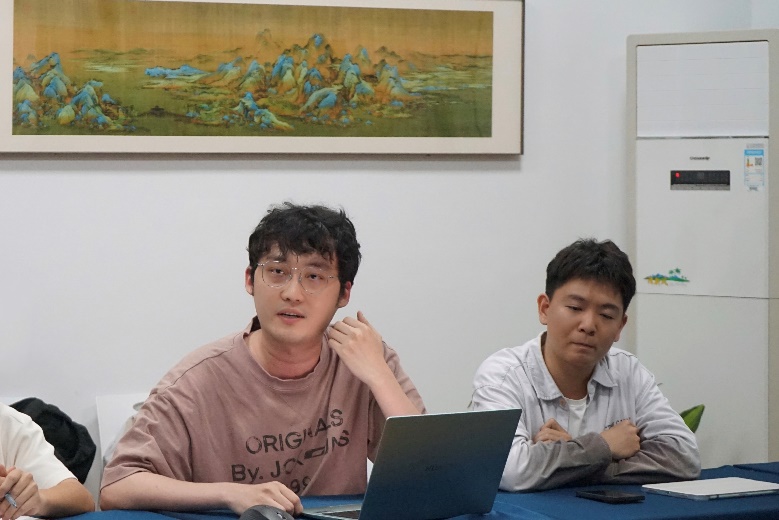
Researcher Zhang Guanzi's insightful lecture not only provided attendees with a clear context for understanding legal anthropology but also offered valuable inspiration for the study of law with Chinese characteristics. The event concluded successfully amidst warm applause.