

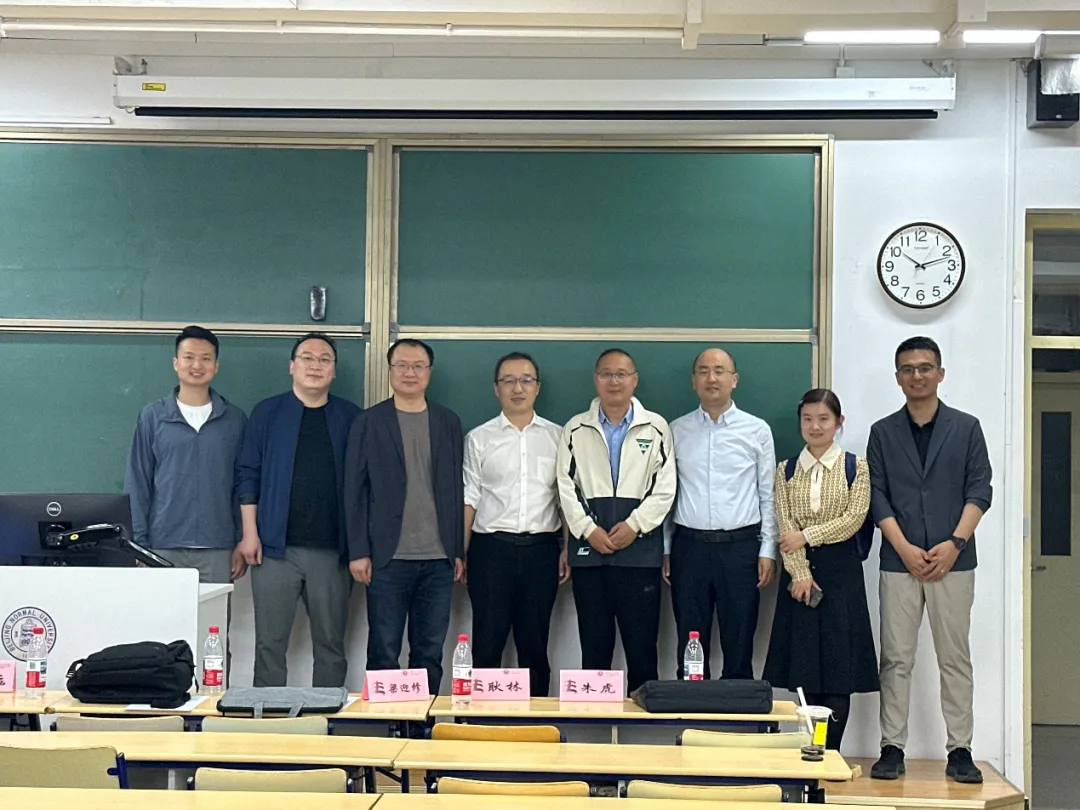
On May 14, the 46th session of the BNU Law Lecture Series, titled "The Significance of Savigny as the Beginning of Legal Methodology," was conducted in Classroom 312 of the Second Teaching Building at Beijing Normal University. This lecture was delivered by Professor Huang Jiazhen from the School of Civil and Commercial Law at Southwest University of Political Science and Law, with Professor Geng Lin from Tsinghua University Law School and part-time distinguished professor at Ocean University of China, Professor Lei Lei from China University of Political Science and Law, Professor Zhu Hu from Renmin University of China Law School, Associate Professor Yue Wanbing from Beijing Institute of Technology Law School, Professor Liang Yingxiu from Beijing Normal University Law School, and Associate Professor Guo Ye from Beijing Normal University Law School serving as panelists. The lecture was hosted by Lecturer Yang Xu from Beijing Normal University Law School, with over a hundred students and legal practitioners in attendance.
To open the session, Professor Liang Yingxiu, Dean of the Law School of Beijing Normal University, delivered opening remarks. He extended a warm welcome and sincere gratitude to the distinguished guests, emphasizing that legal methodology is a pivotal research area transcending various branches of law. He noted that the presence of such heavyweight scholars provided an invaluable learning opportunity for the students.
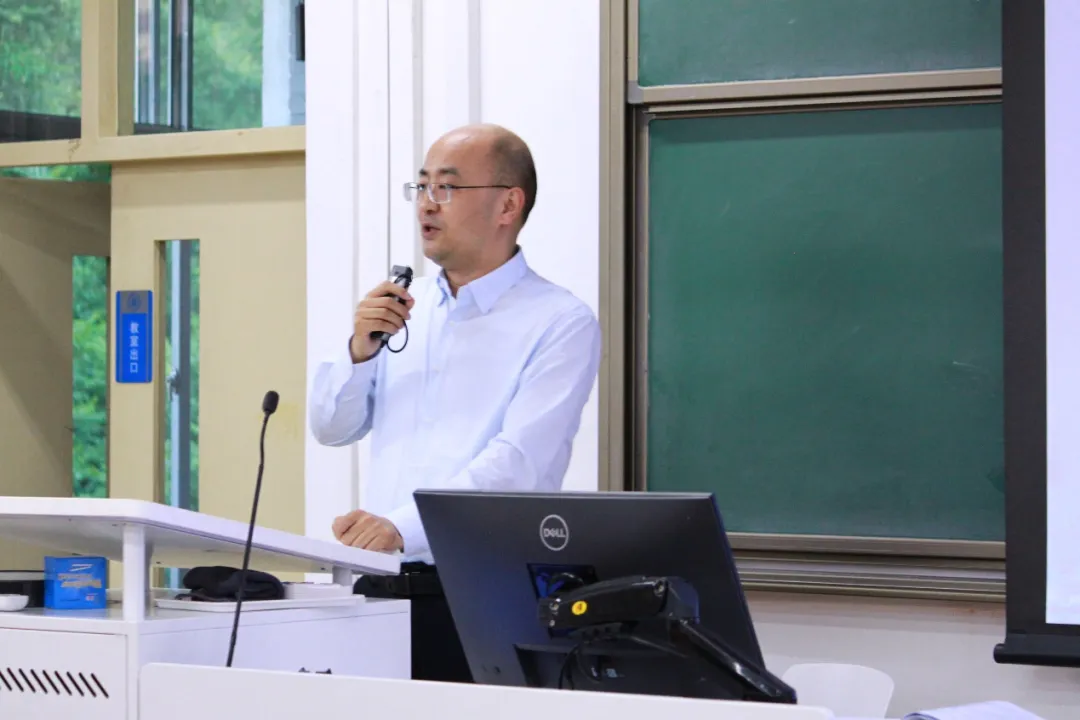
During the lecture, Professor Huang Jiazhen commenced with a comprehensive review of the historical origins of Savigny's methodological theories. By elucidating the historical context and the primary theoretical disputes with his contemporaries, he demonstrated the specific sense in which Savigny constitutes the genesis of modern legal methodology. Professor Huang then provided an in-depth analysis of the three pillars of Savigny's methodology: "Law is a historical science," "Law is a philosophical science," and "Law is a science that unifies history and philosophy." In his concluding remarks, Professor Huang emphasized that addressing complex legal issues invariably requires a retrospective examination of the history of thought and the history of concepts, underscoring the enduring value of interpreting classical legal works. Furthermore, he posited that amidst the evolving scientific landscape, the progress of legal scholarship hinges on scholarly self-awareness and narrative reconstruction. He called for a restoration of confidence in the jurisprudential belief of law as a genuine philosophy, thereby advancing the mission of legal development and reform within its proper historical context.
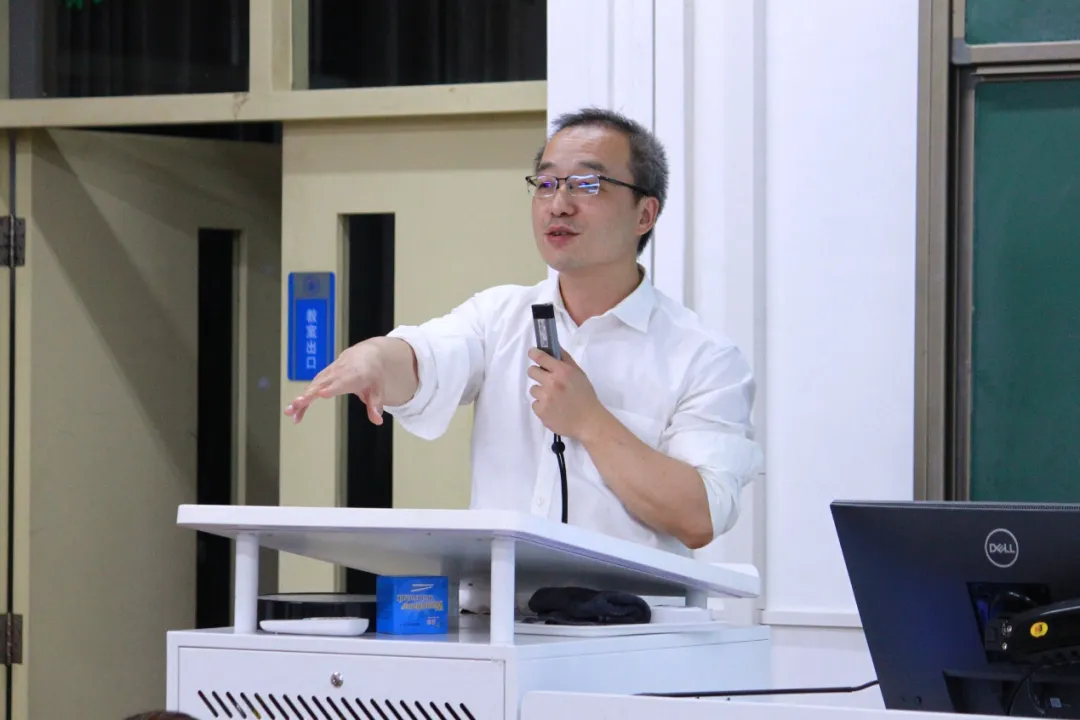
During the discussion session, Professor Geng Lin commended the pedagogical model of the BNU Law School, specifically its emphasis on legal theory and methodology, characterizing it as a valuable academic pursuit. He shared his insights on interpretative methods and legal dogmatics, further arguing that history must be comprehended within a dynamic context. He posited that the evolution of Chinese legal studies and open dogmatics should be anchored in contemporary legal application scenarios, while simultaneously integrating a diverse range of economic, political, and cultural factors.
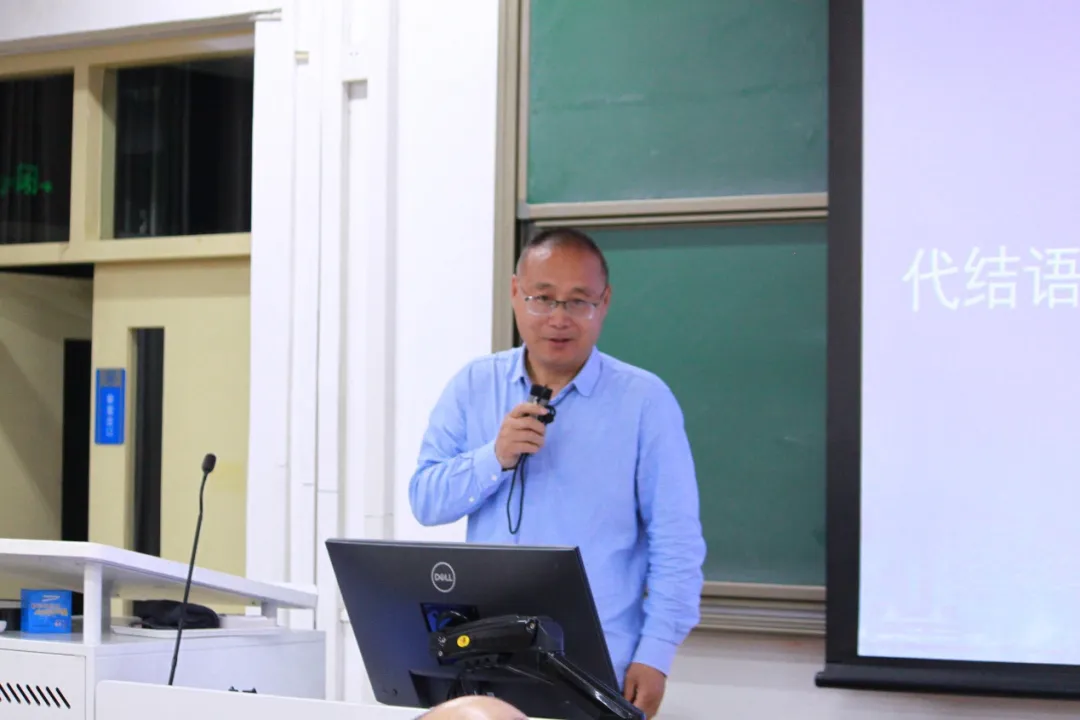
Professor Lei Lei observed that Professor Huang Jiazhen significantly enriched the understanding of Savigny’s doctrine by employing a methodology that is textual, logical, systematic, and historical. Building on this foundation, he facilitated an enlightening discourse centered on three pivotal questions: “In what sense does Savigny constitute the beginning of modern methodology?”, “What is the disciplinary positioning of legal methodology?”, and “What is the relationship between universality and particularity in Savigny’s theory?”, thereby offering profound insights into the subject.
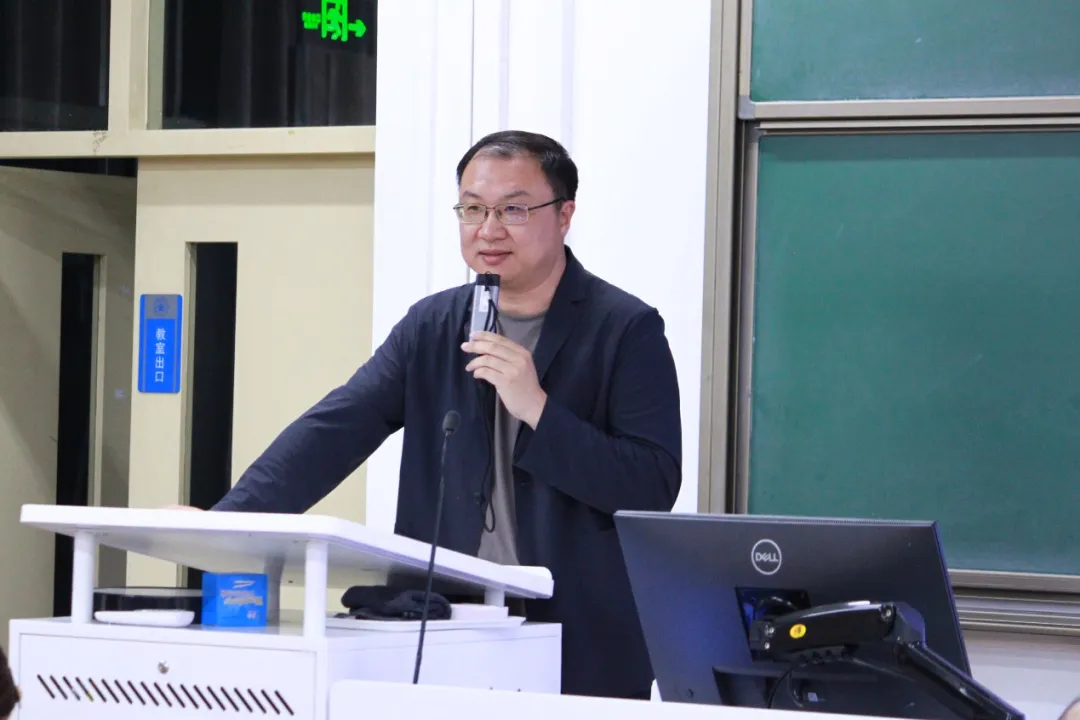
Professor Zhu Hu elaborated on the significance of Savigny as the beginning of legal methodology and, based on this, revealed the relationship between legal studies, legal science, and legal dogmatics. He also pointed out that it is the ambiguity and contradictions in Savigny's discourse that forged his greatness, emphasizing the importance of this tension in understanding. Finally, he called for the establishment of a "broad view of practice" in legal studies as a comprehensive framework for the discipline.
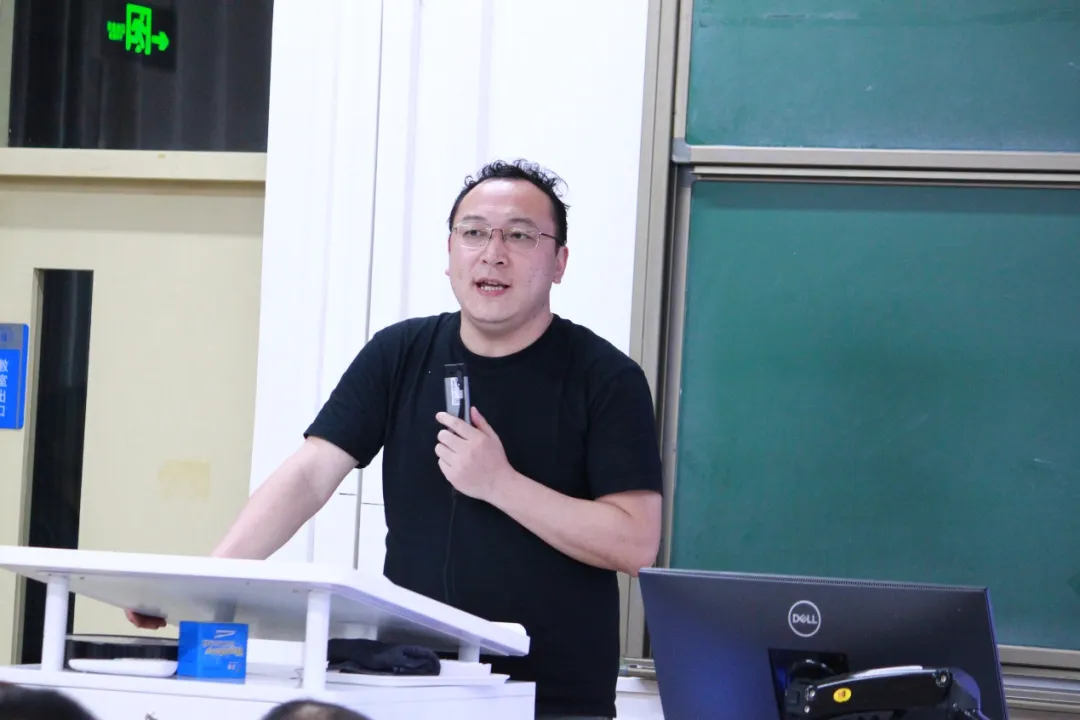
Professor Liang Yingxiu began by expressing his enduring interest in legal methodology. He candidly noted that his linguistic limitations in German have historically constrained his research to a narrow selection of translated texts. Consequently, he conveyed his deep appreciation to scholars like Professor Huang Jiazhen, whose proficiency in German and dedication to translating seminal literature are indispensable for elevating the standard of academic research. Furthermore, Professor Liang emphasized the critical importance of studying the history of academic thought, expressing his hope that more scholars would dedicate themselves to exploring the intellectual legacies of renowned figures in the field of legal methodology.
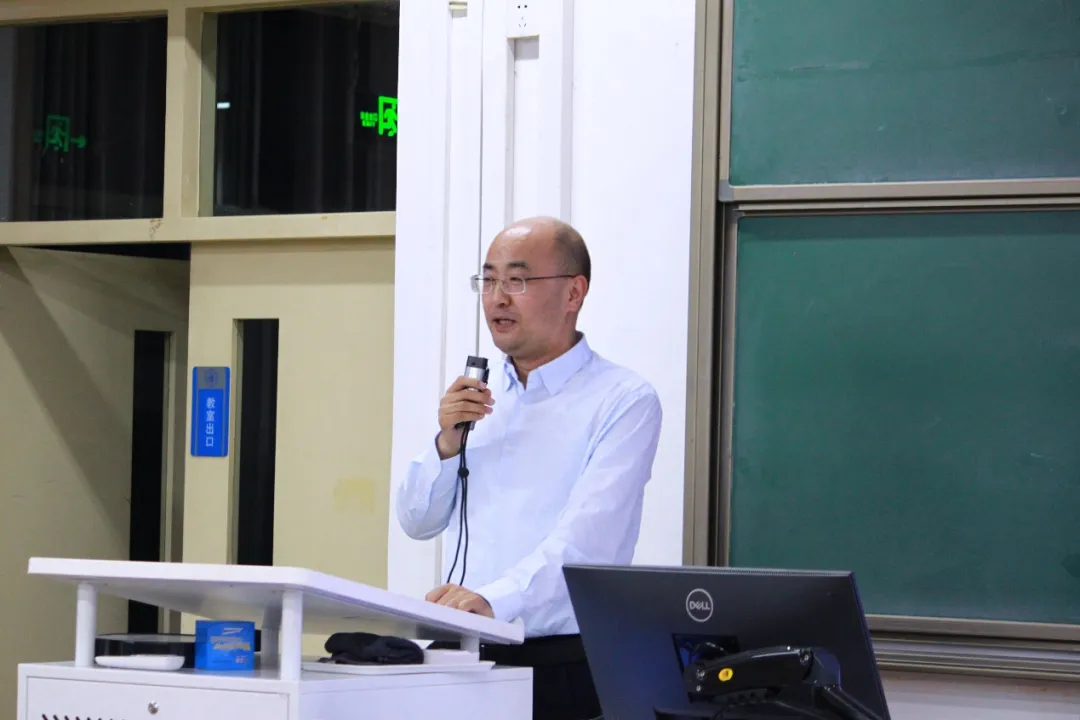
Associate Professor Guo Ye offered a profound reflection on a question that has long occupied her thoughts: “Why is Savigny important?” She posits that Savigny epitomizes an era that precipitated a systematic reconstruction of legal and jurisprudential perspectives, effectively marking the genesis of law as a distinct science. In her view, Savigny’s reclamation of the mantle of science from philosophers represents a development of paramount significance.
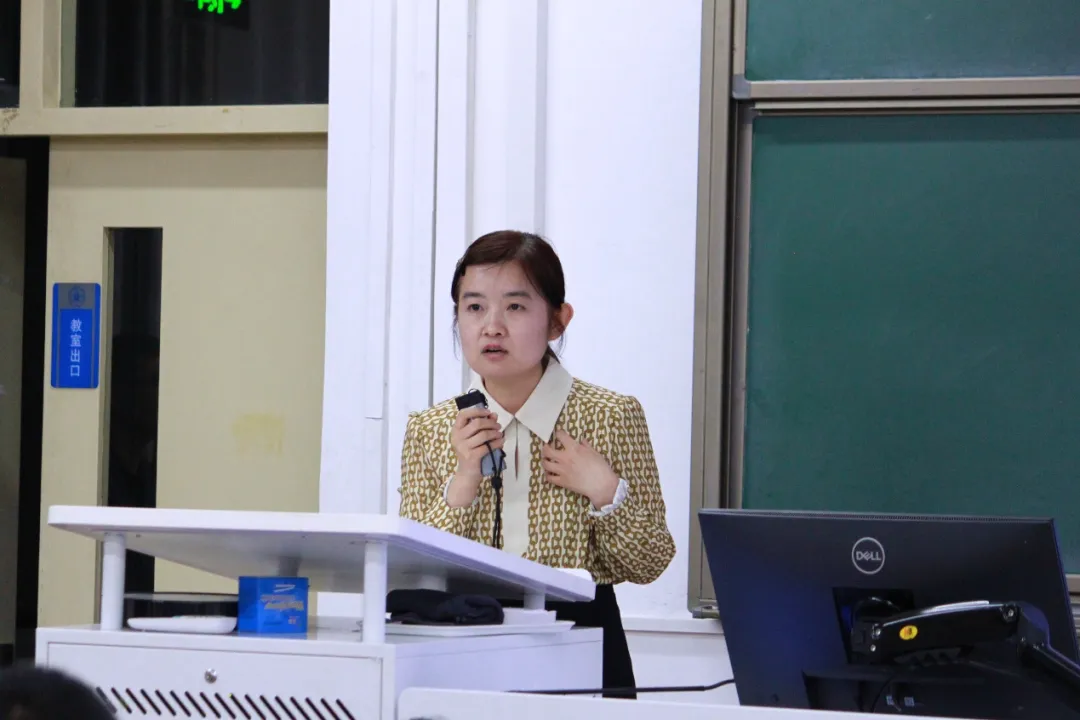
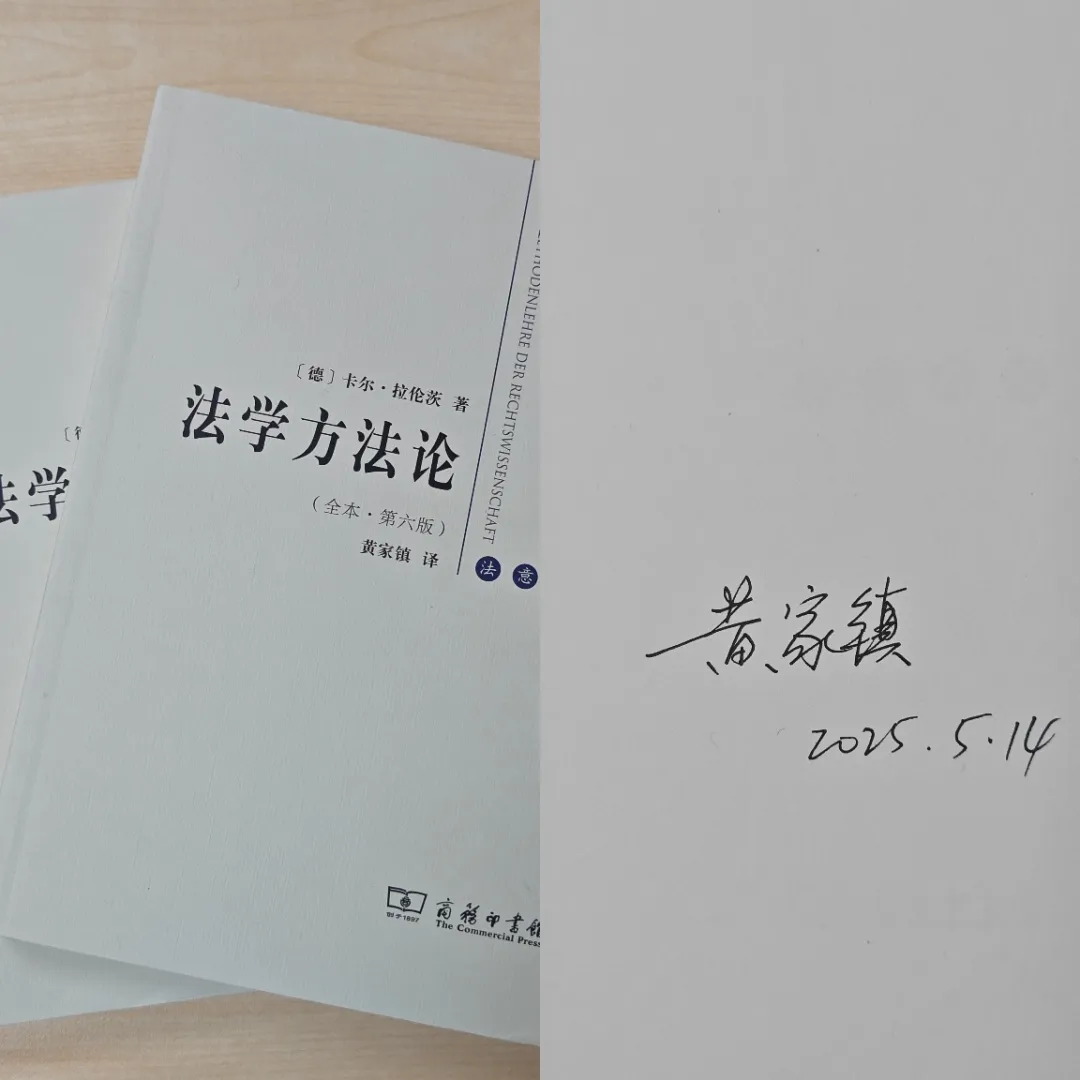
During the interactive session, Professor Huang Jiazhen engaged in an in-depth discussion with the students present about how systems serve as a prerequisite for the internal unity of jurisprudence, and how the intuitive and abstract aspects of law are reflected in legal practice. He also presented a personally signed copy of "Methodology of Jurisprudence" to a student who actively asked questions, creating a lively atmosphere at the lecture.
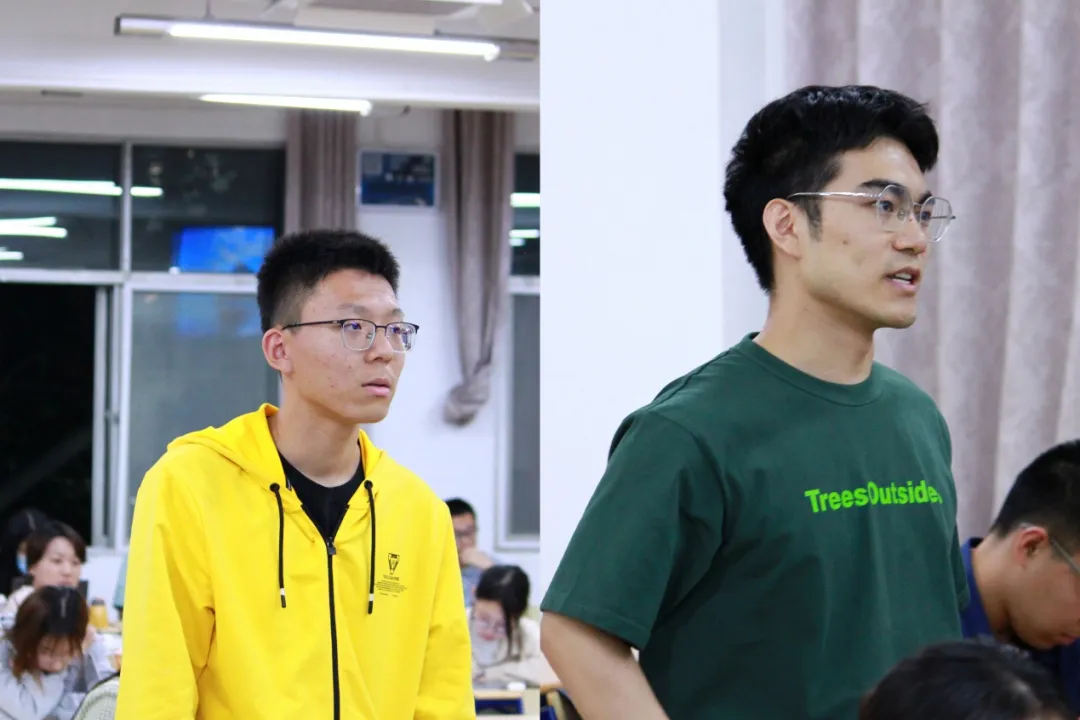
To conclude the event, Mr. Yang Xu extended his sincere gratitude to Professor Huang Jiazhen for his insightful lecture, to the panelists for their valuable commentary, and to the students for their active engagement. The session drew to a close amidst warm applause from the faculty and students in attendance.
Typesetting: Xu Yiyang
Editor: Shi Tianyu