

On the evening of February 27, the 116th session of the BNU Distinguished Jurist Lecture Series was successfully convened at Beijing Normal University's Haidian campus. Held in Conference Room 1822 of the Rear Main Building, the event featured a lecture titled "Human Measurement Standards: How Rating Systems Regulate Our Lives." The distinguished speaker was Professor Liav Orgad, a jointly appointed scholar at Peking University's School of International Law. The forum featured a panel of discussants from the BNU Law School, including Professor Xia Yang, Professor Wang Qinghua, Associate Professor Wu Shenkuo, Associate Professor Wang Jing, and Teacher Shi Yewai. The session was hosted by Professor Liang Yingxiu, Dean of the BNU Law School.
To open the event, Dean Liang extended a warm welcome to Professor Orgad and provided a comprehensive introduction to his academic background and key research areas.

In his speech, Professor Liav Orgad used the reshaping of social evaluation systems by user personal data in the digital age as a starting point. He proposed the core concept of a social indicator system composed of user personal data and explored the trend of indicator governance gradually replacing traditional legal governance models. Professor Orgad argued that the ethical risks and the lack of legal frameworks behind this trend require in-depth discussion. Through a comparative analysis of China's social credit system and Western social rating mechanisms, he revealed the potential erosion of the rule of law principles by indicator governance and attempted to propose possible paths to seek a balance between technological development and legal regulation.

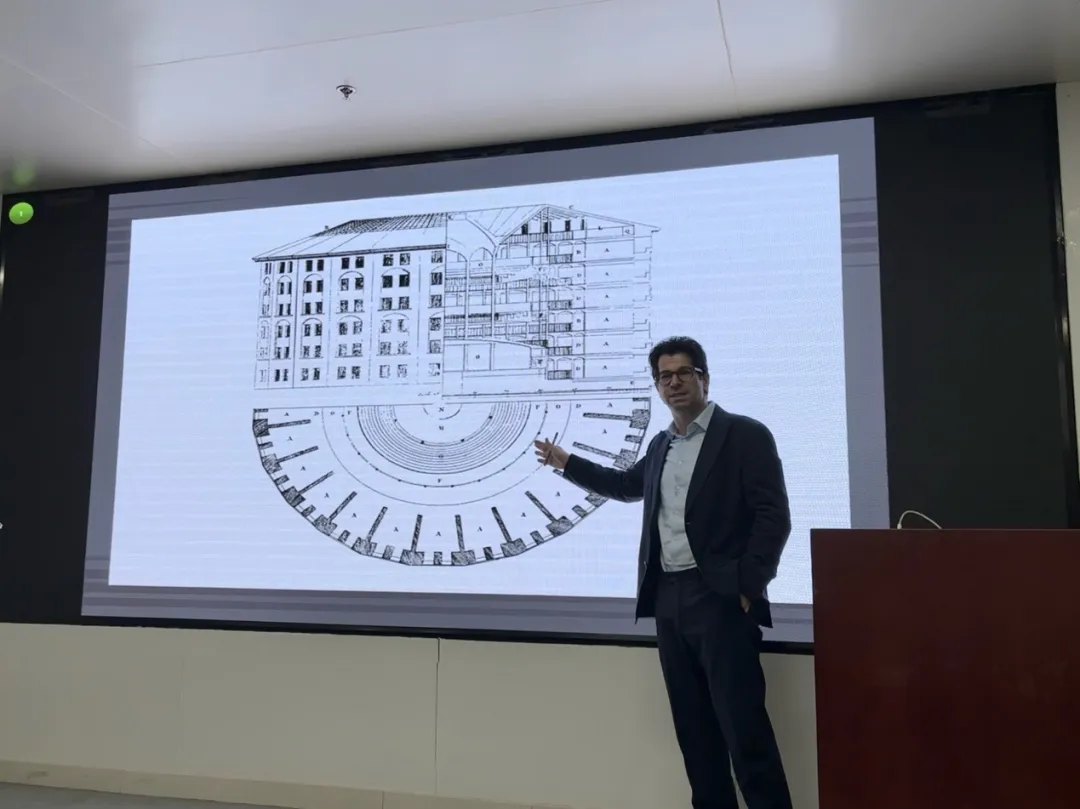
During the discussion session, Professor Wang Qinghua, Professor Xia Yang, Associate Professor Wu Shenkuo, Associate Professor Wang Jing, and Teacher Shi Yewai engaged in an in-depth exchange regarding the human indicator system proposed by Professor Orgad, focusing on its potential impacts and future governance directions.
Following this, Professor Orgad interacted with the students, sparking a dialogue on the evolving relationship between data governance, the state, and citizenship. They also explored methods to address challenges posed by predictive social scoring systems. The event was characterized by a lively atmosphere and a strong academic ambiance.
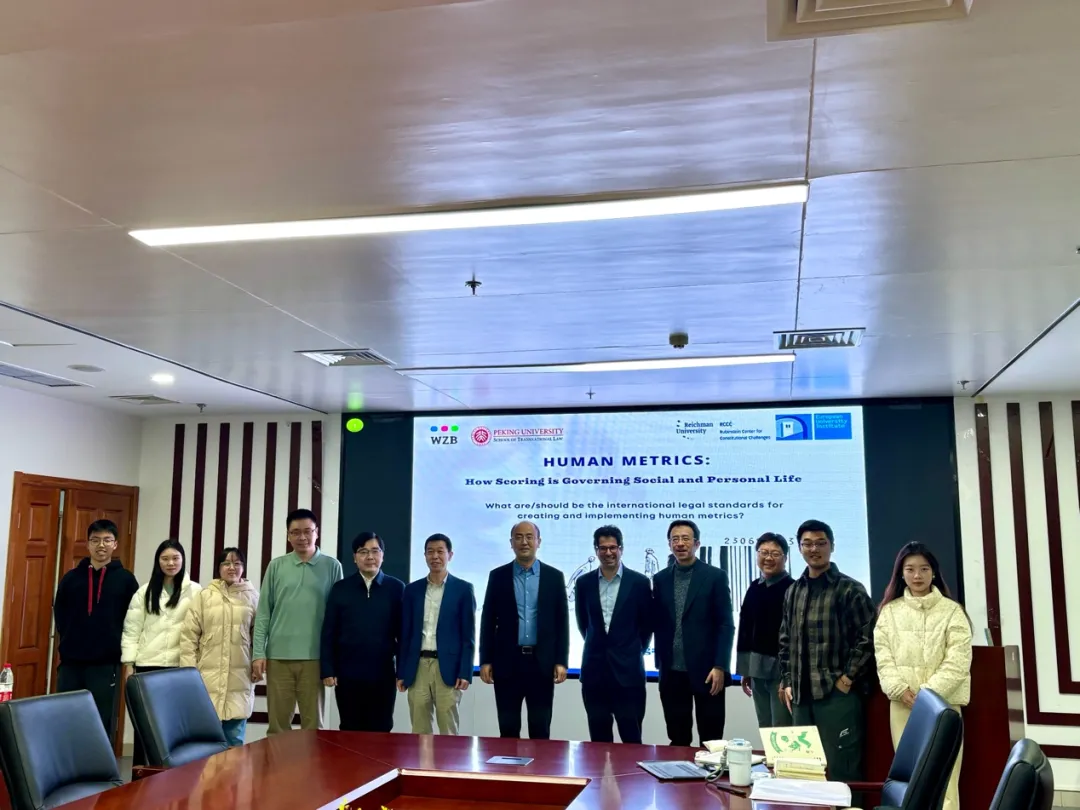
This lecture provided a forward-looking exploration of the impact that scoring systems, based on users' personal usage data, have on national governance and the social rule of law. It offered significant theoretical insights and practical references for future research in the field of data governance.
Typesetting: Wu Hua
Editor: Shi Tianyu