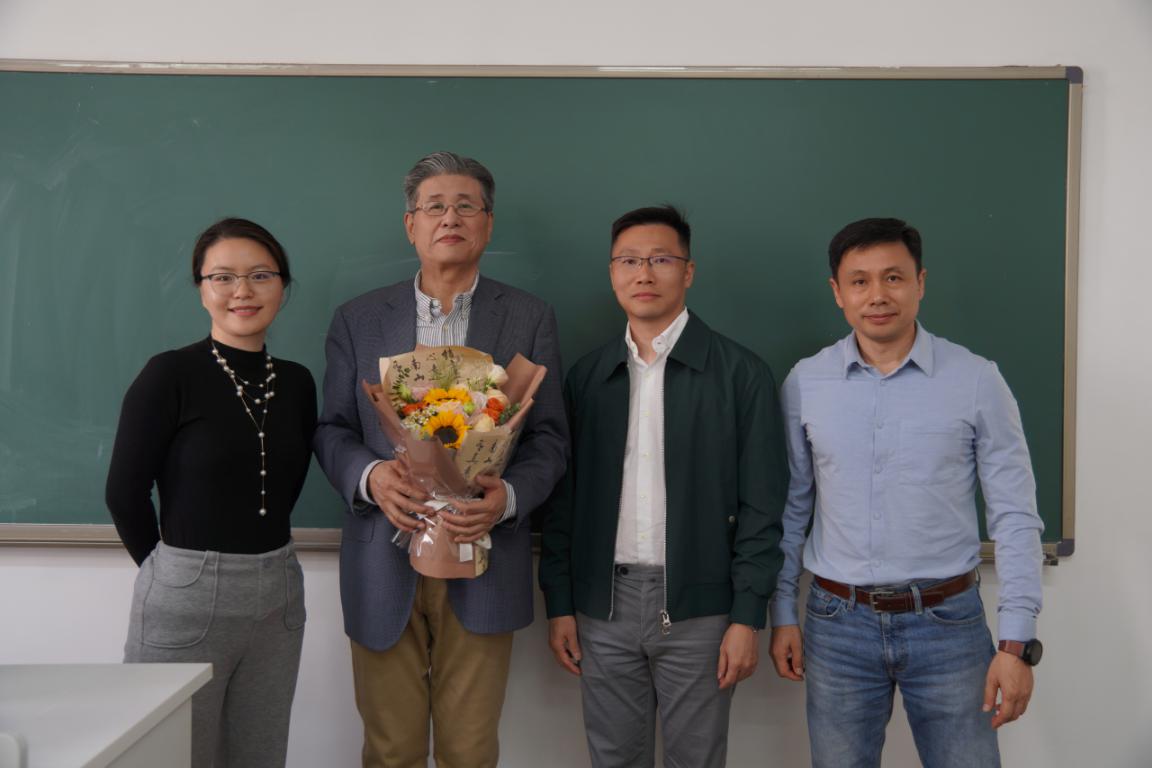
On the morning of April 16, the Law School of Beijing Normal University successfully hosted the 119th Session of the BNU Distinguished Jurist Lecture Series. The event featured Professor Bai Jianjun, a distinguished professor and doctoral supervisor at Peking University Law School, who delivered a lecture titled "Interdisciplinary Choices for Law Students." The session was attended by Professor Liang Yingxiu, Dean of the Law School, who also gave a speech, and hosted by Vice Dean Professor He Ting. Professors Zhao Jun and Associate Professor Lao Jiaqi served as panelists.
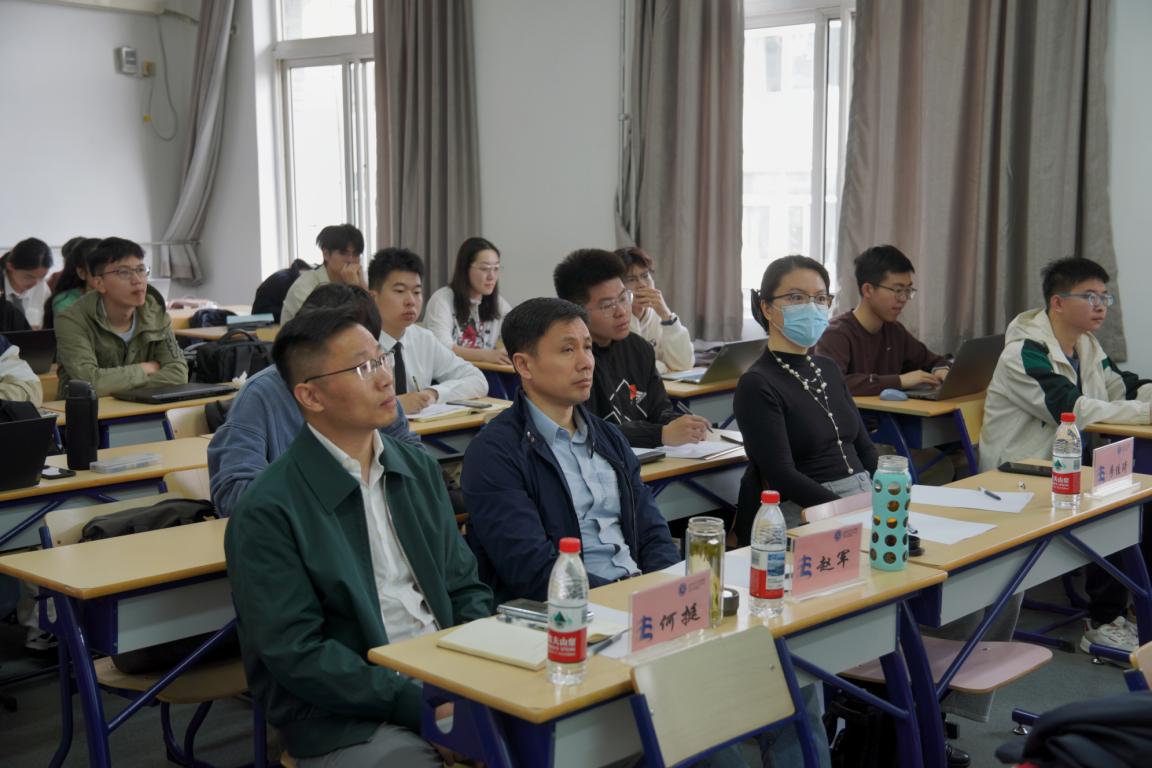
At the outset, Professor He Ting extended a warm welcome to Professor Bai, providing a comprehensive introduction to his academic background and research expertise.
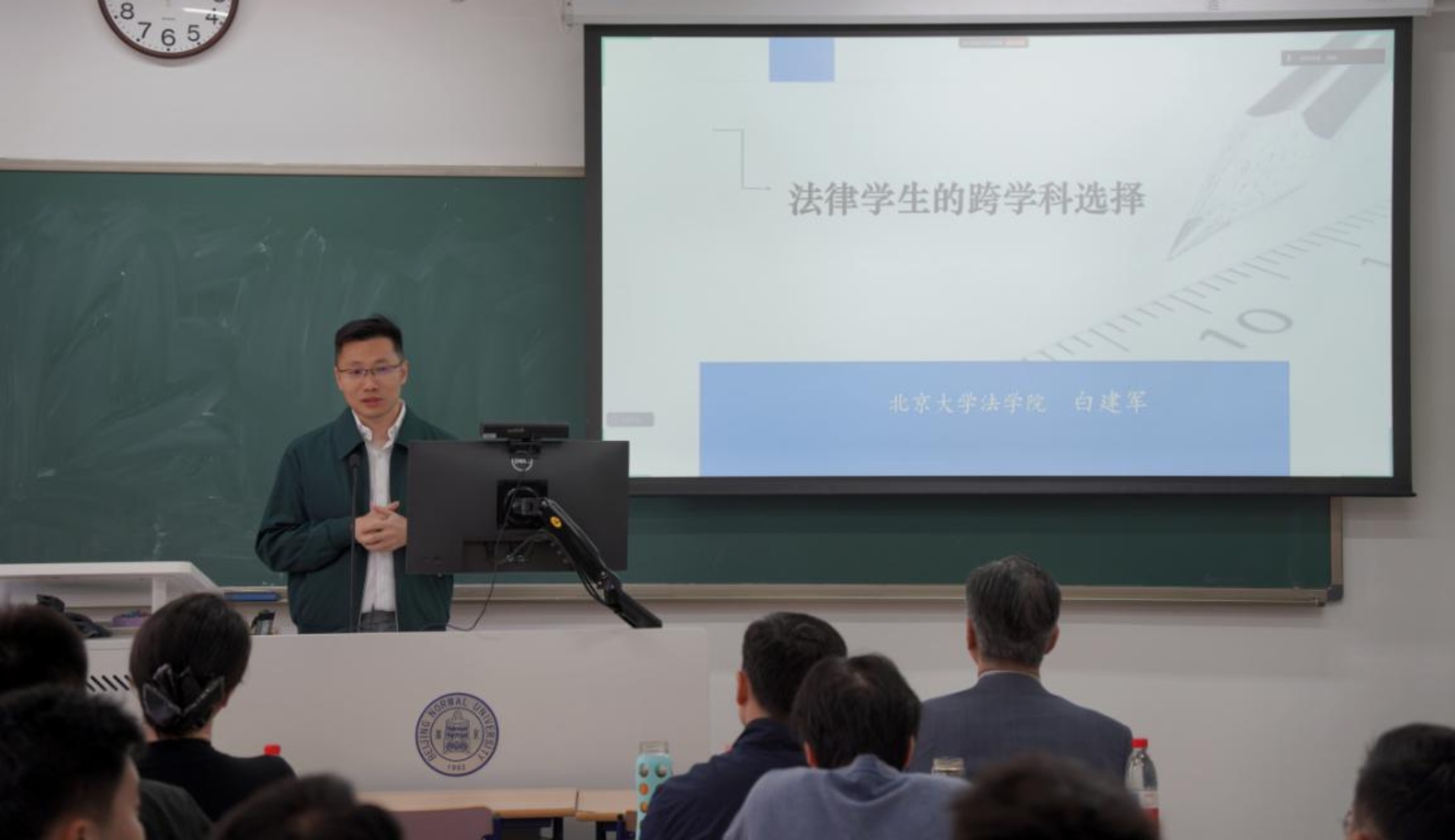
In his opening remarks, Dean Liang Yingxiu highlighted Professor Bai’s significant contributions to empirical legal research in China. He encouraged the students in attendance to recognize the vital importance of interdisciplinary studies and to plan their academic endeavors wisely.
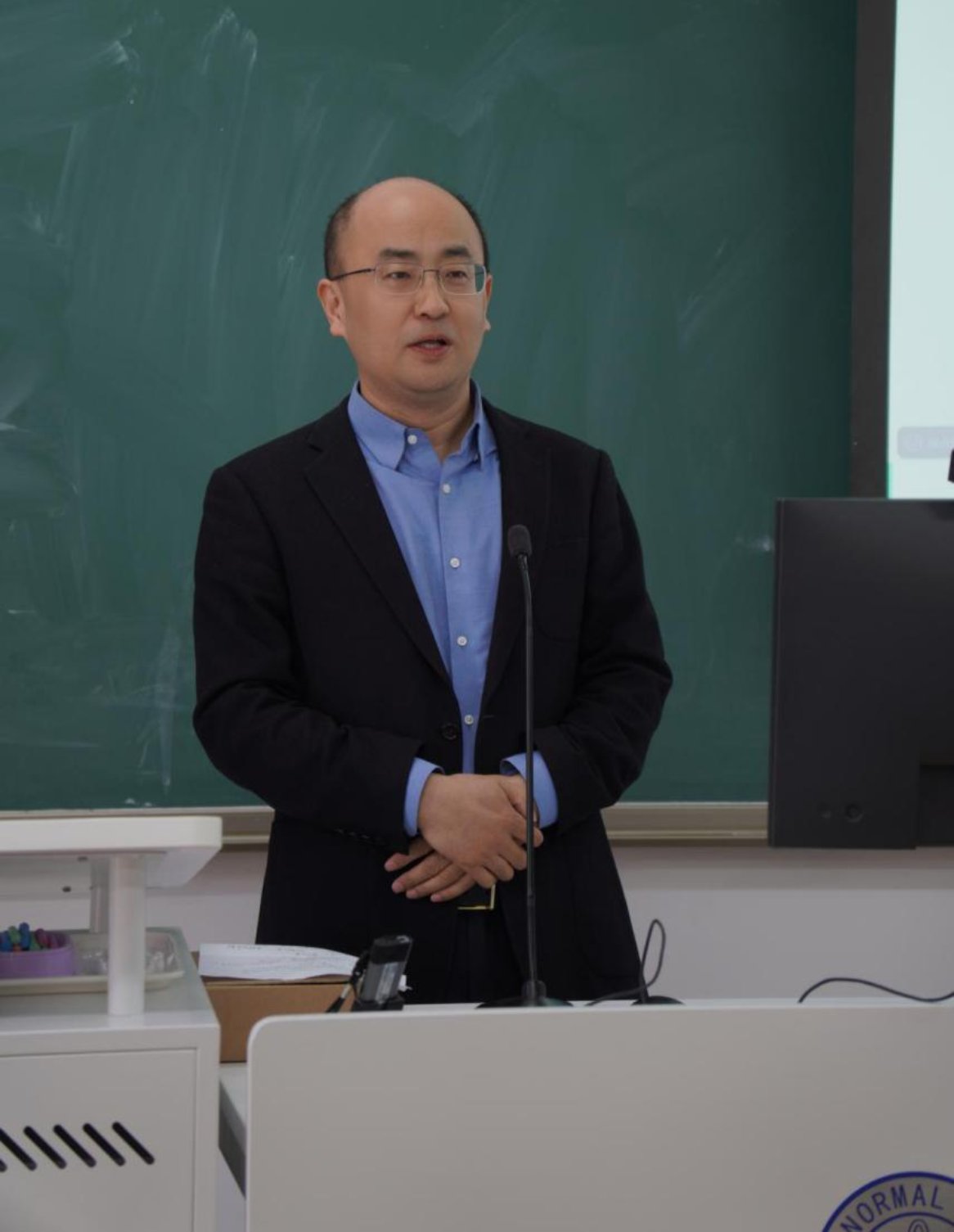
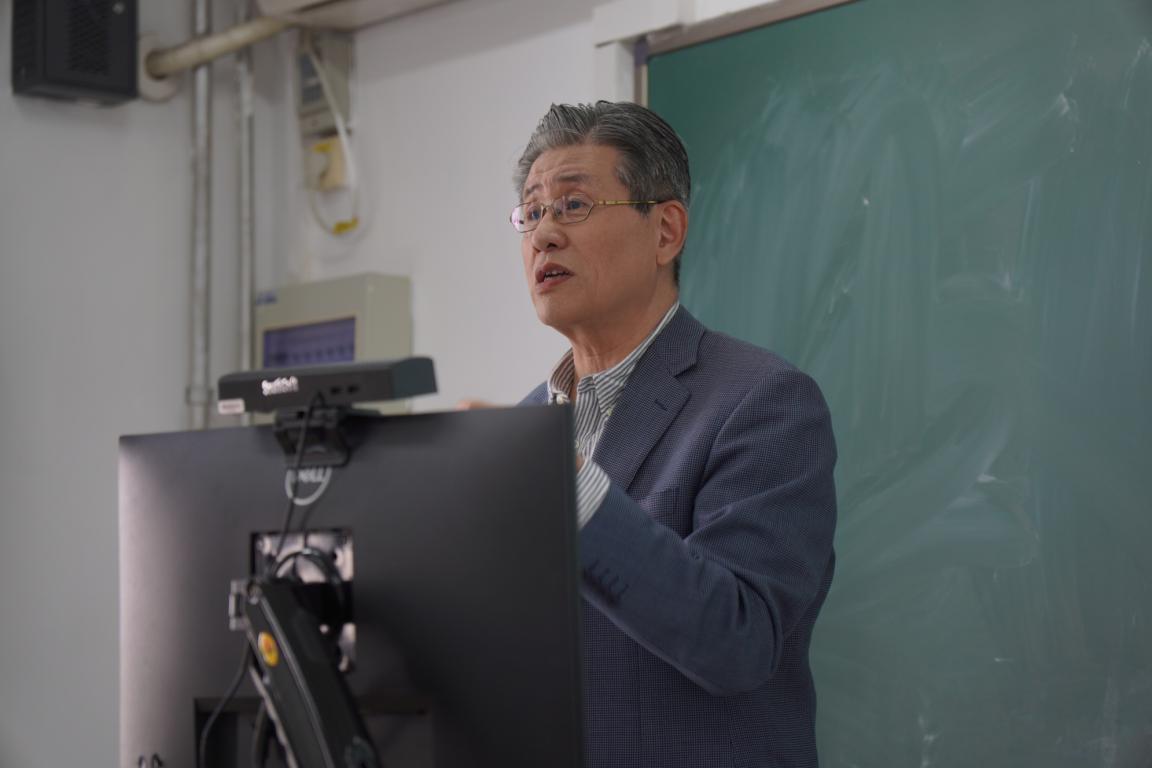
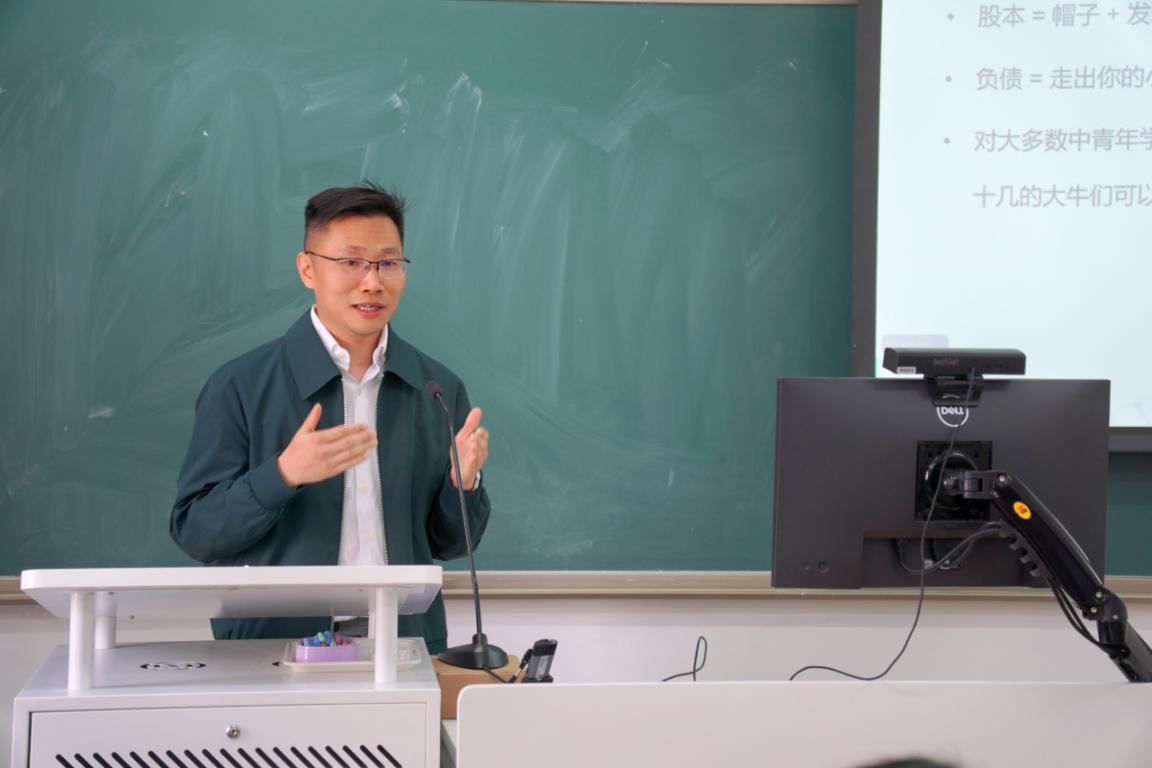
Professor Bai commenced his lecture by addressing the challenges currently facing legal education, emphasizing the critical role of interdisciplinary thinking and research. Drawing upon his own research experiences, he illustrated how the field of law should engage in interdisciplinary approaches through two main avenues: the integration of various sub-disciplines within law itself, and the fusion of law with external disciplines. Notably, he employed the accounting equation "Assets = Liabilities + Equity" as a metaphor to explain the calculation of "academic assets," urging students to enhance their interdisciplinary capabilities. The lecture was both accessible and engaging, earning enthusiastic applause from the faculty and students present.
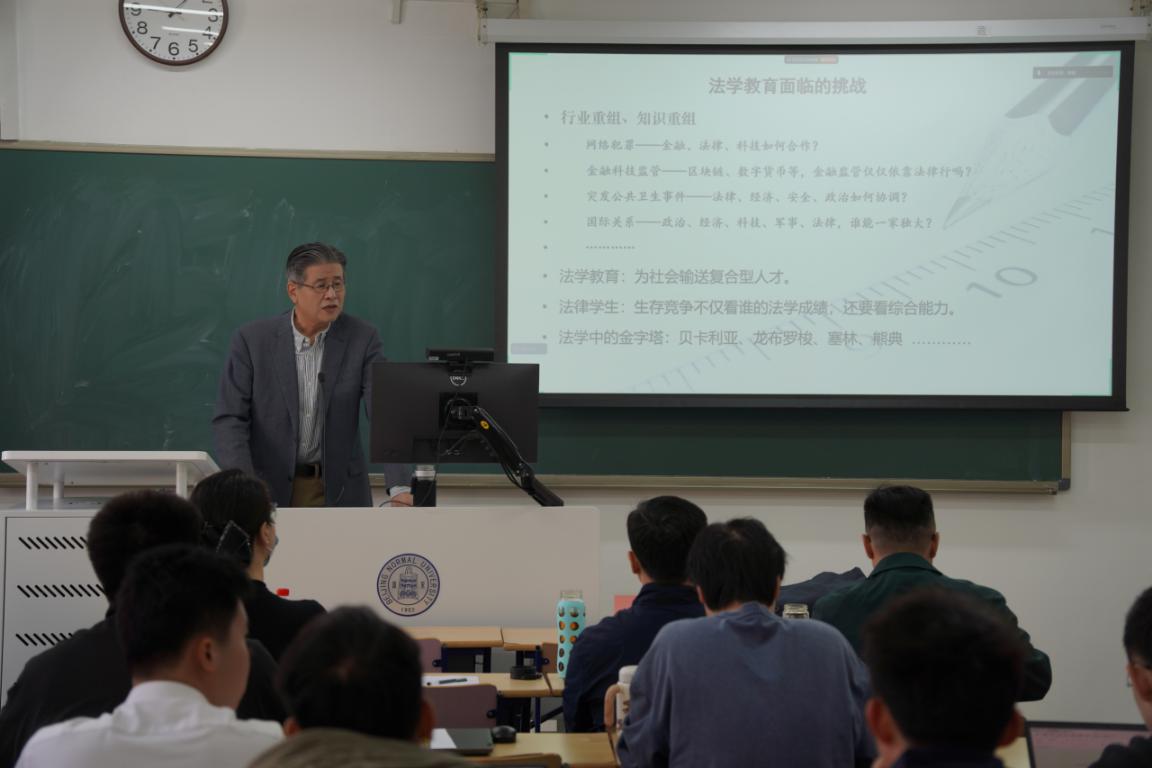
During the commentary session, Professor Zhao Jun emphasized the need to break free from the constraints of traditional academic research and to expand interdisciplinary exploration in multiple directions. Simultaneously, he encouraged students to remain steadfast in their foundational understanding of law, using it as a solid base to grow into versatile, composite talents.
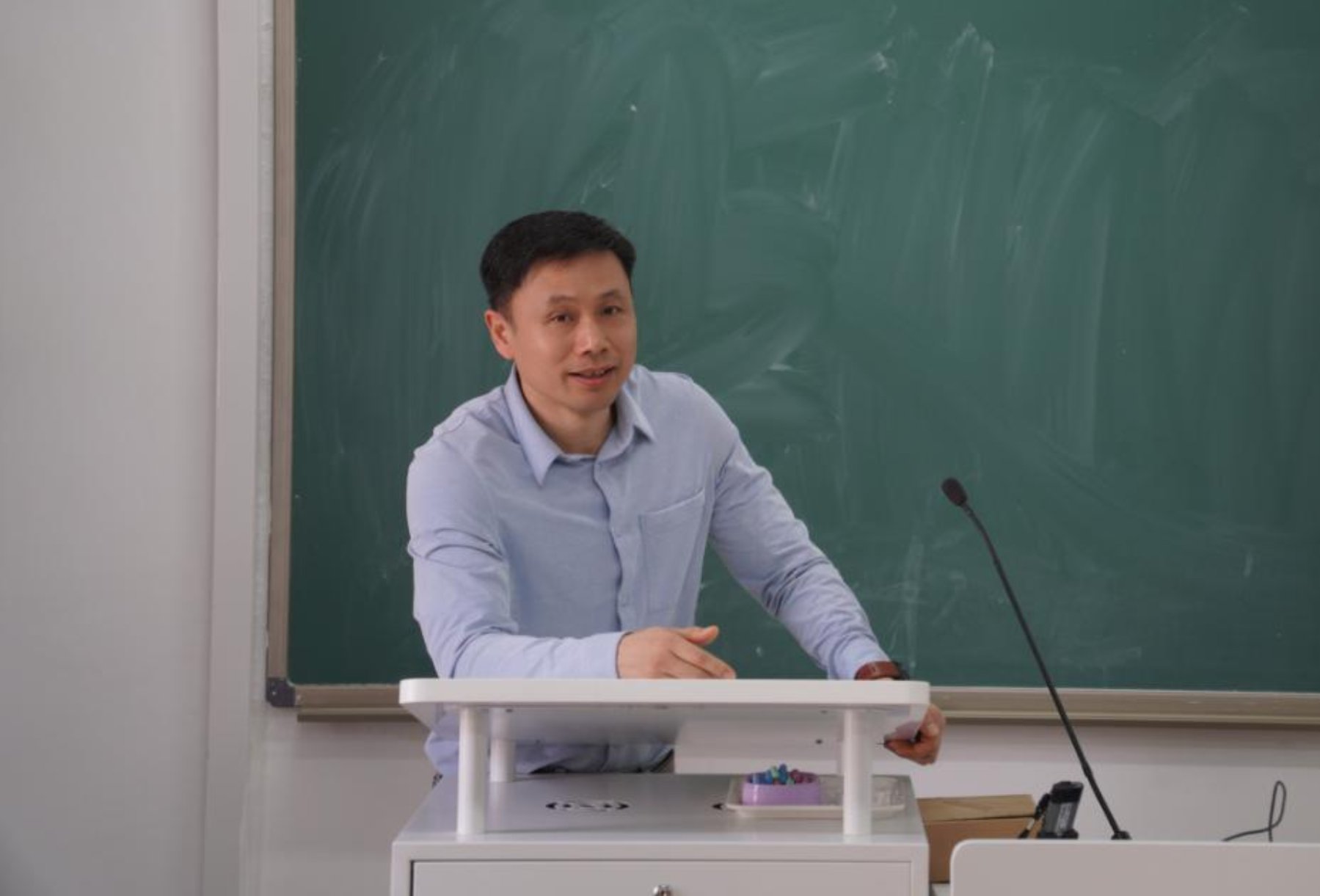
Associate Professor Lao Jiaqi shared her reflections on three key themes: "teaching and learning," "breadth and height," and "fast and slow." She emphasized that teaching should be a mutually beneficial process, that academic breadth determines one's height, and that the pace of development is dictated by personal values. She encouraged the students to fully grasp the deeper implications of the lecture.
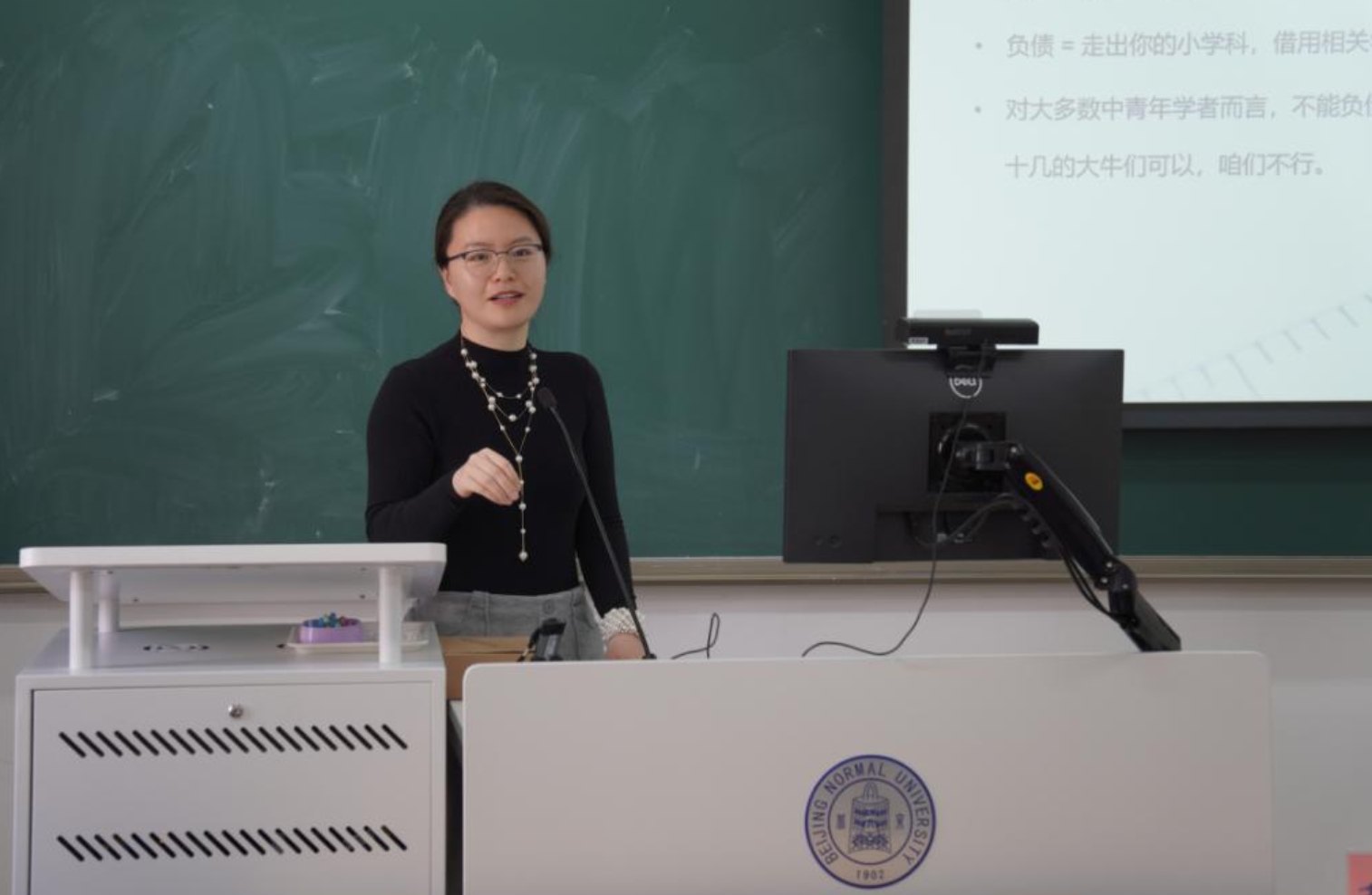
Host Professor He Ting further summarized the importance of interdisciplinary studies, suggesting a strategic approach where students first focus on interdisciplinary research within the field of law before expanding their horizons to other disciplines.
The interactive session proved to be particularly dynamic, with Professor Bai engaging in in-depth discussions with students. Topics ranged from the relationship between interdisciplinary research methods and research questions to the technical application of empirical research. They also explored how to determine if a disciplinary direction holds long-term value and discussed potential risks associated with the promotion of sentencing models.

The event concluded with Professor He Ting expressing his gratitude for Professor Bai’s insightful speech and the unique perspectives offered by the panelists, bringing the lecture to a successful close amidst warm applause.