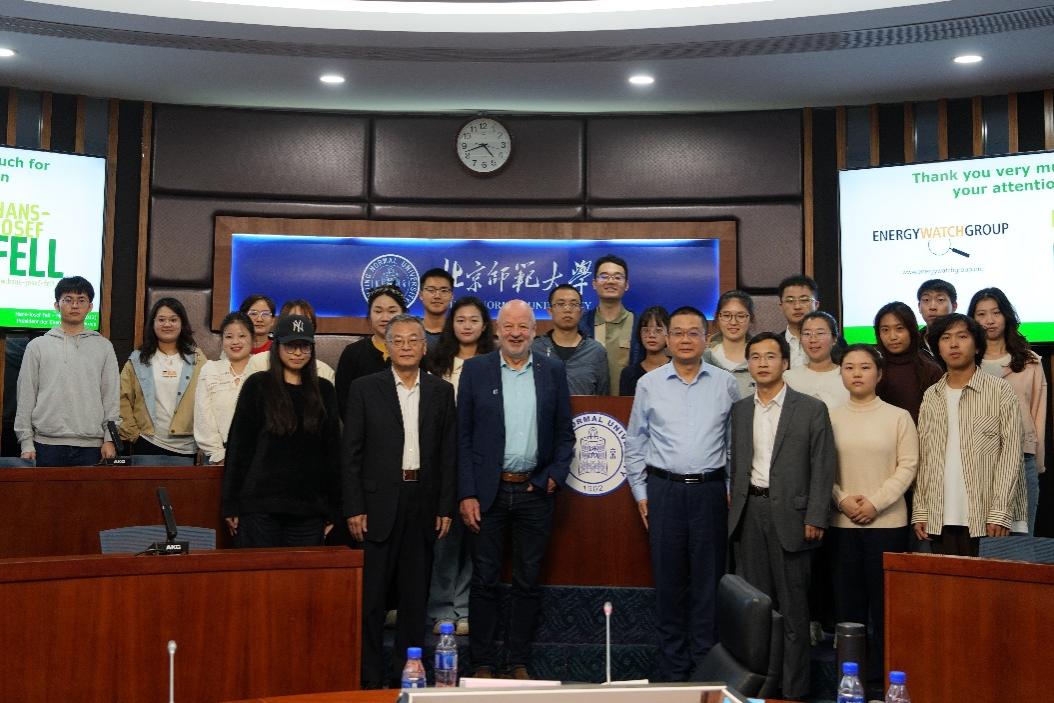
On November 30, 2025, the 73rd lecture of the BNU Zhuhai Legal Lecture Series was successfully held in Room A203 of the Lijiao Building at the Zhuhai Campus of Beijing Normal University. The lecture was delivered by Mr. Hans-Josef Fell, a former member of the German Bundestag. The session featured panelists: Professor Mi Jian, a Distinguished Professor at Beijing Normal University, and Professor Sheng Li, a Distinguished Professor at Shandong University and Executive Director of the Shanghai Cooperation Organization Research Institute. The event was hosted by Professor Yuan Zhijie, Professor and Vice Dean of the BNU Law School, who also serves as the Director of the Center on the Rule of Law and Development at the Zhuhai Campus. Students from various disciplines across the Zhuhai Campus attended the lecture.
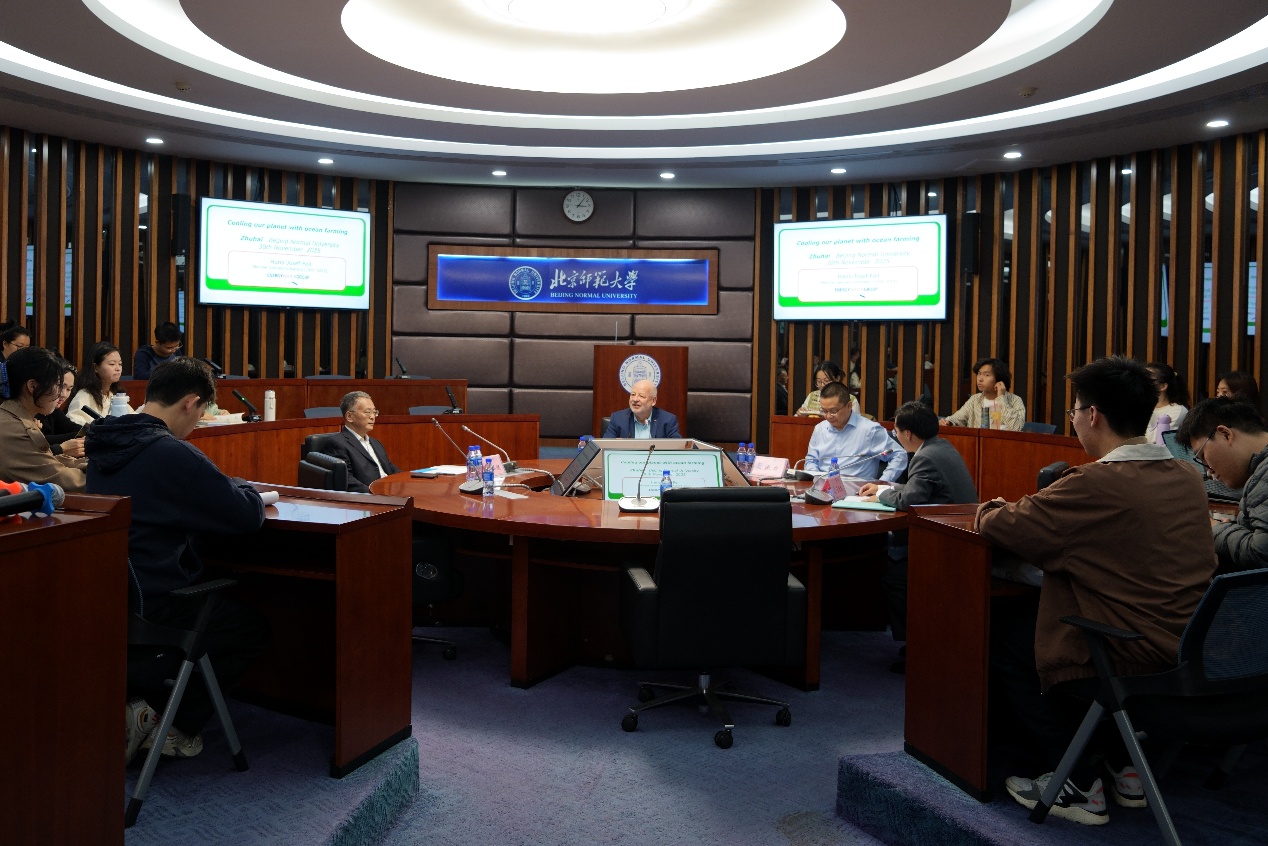
To open the lecture, Professor Yuan Zhijie welcomed Mr. Hans-Josef Fell and introduced his extensive experience and broad influence in the fields of renewable energy and climate protection to the faculty and students in attendance.
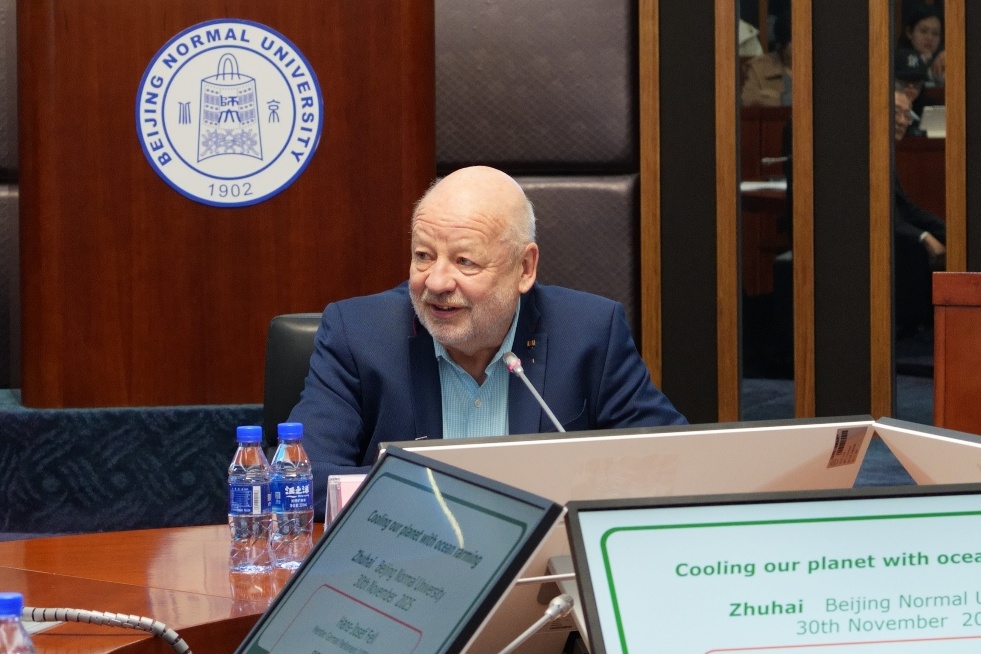
Mr. Hans-Josef Fell introduced his personal experiences starting from the early explorations in the 1970s, participating in the legislative construction of a clean energy development system, and the current practices of new energy. He stated that energy security, a healthy environment, and the climate crisis are the core driving forces for transformation, noting that the current global temperature has exceeded the threshold set by the Paris Agreement, making global climate issues severe. The three pillars of climate protection are to completely stop greenhouse gas emissions, remove the carbon dioxide already emitted from the atmosphere, and build a 100% renewable energy system along with a circular economy model. Finally, he introduced his practical pathways and key measures to promote climate protection across policy, research, education, and industry.
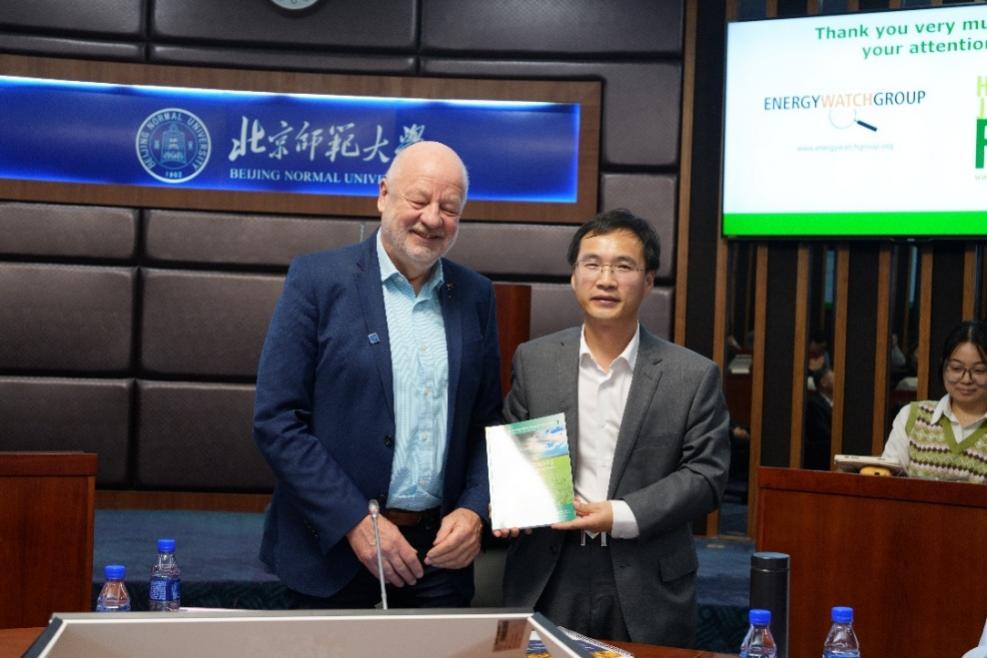
After the lecture, Mr. Hans-Josef Fell presented a new version of his book "Global Cooling: Strategies for Climate Protection."
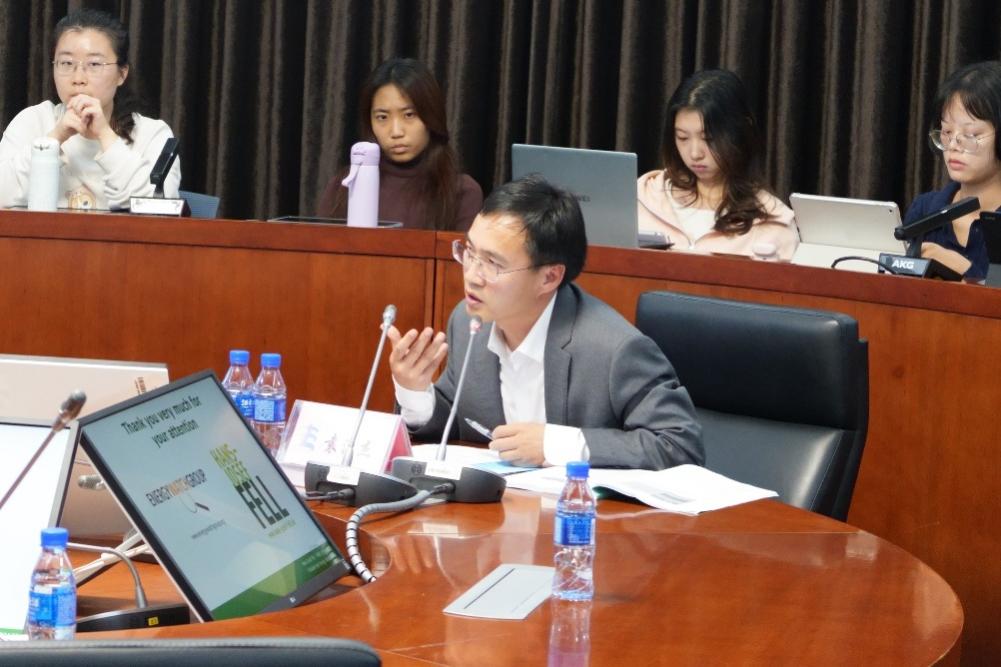
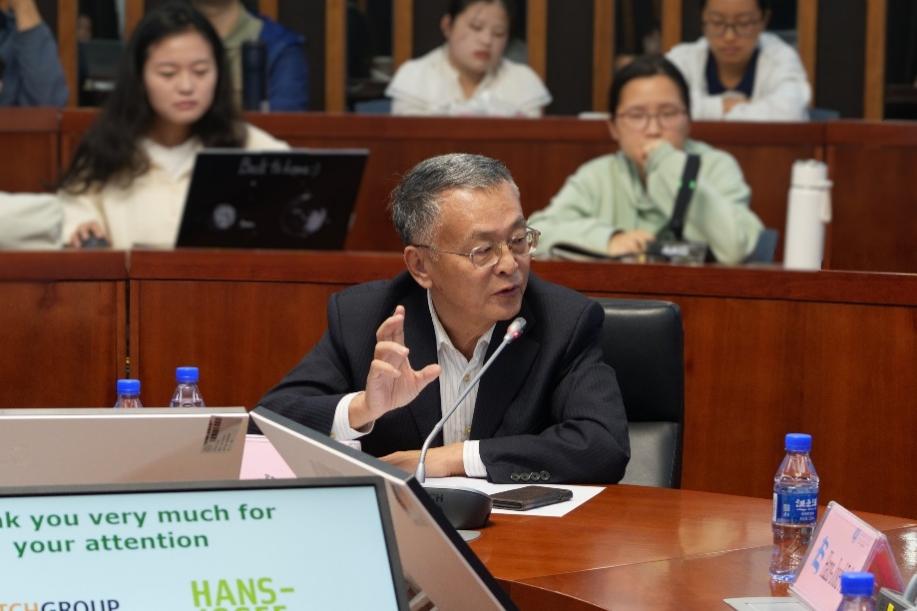
During the discussion session, Mr. Sheng Li communicated with Mr. Hans-Josef Fell regarding issues such as the impact of promoting new energy and cooperation with NGOs. Although there are objective resistances from the traditional energy industry, the cost of clean energy has already fallen below that of traditional energy, providing a realistic basis for promotion. The NGO Energy Watch Group, although small in scale, can fulfill the mission of exploring transformation solutions and can engage with people from various sectors across the country. Although the organization is limited by its size and cannot carry out large-scale physical operation projects, it can collaborate with universities and research institutions in the Greater Bay Area for research exchanges and sharing of results, jointly promoting the research and application of clean energy-related technologies.
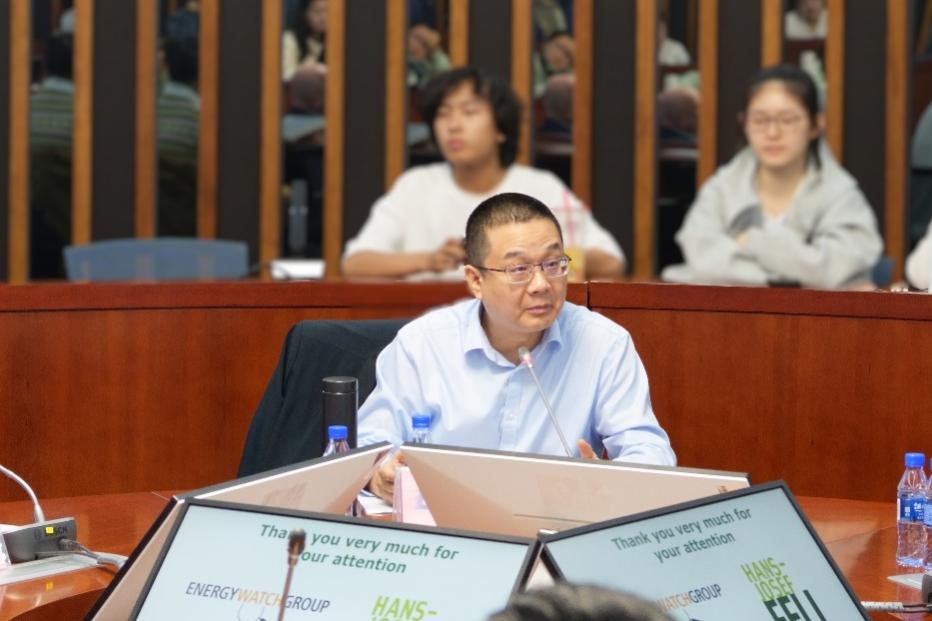
Professor Mi Jian discussed the feasibility, regional adaptability, and environmental impact of new energy with Mr. Hans-Josef Fell. Although the replacement of traditional energy with clean energy faces challenges, historical technological revolutions have proven that new technologies can be rapidly promoted under suitable conditions. Current practices in countries like China and Germany have verified the feasibility of comprehensive transformation, and historical technological changes have shown that new technologies can be quickly disseminated. Although there are differences among different regions, local adjustments can be made by combining local resource endowments. Potential environmental issues related to new energy can also be resolved through technological innovation; in contrast, the environmental damage caused by traditional energy is more irreversible.
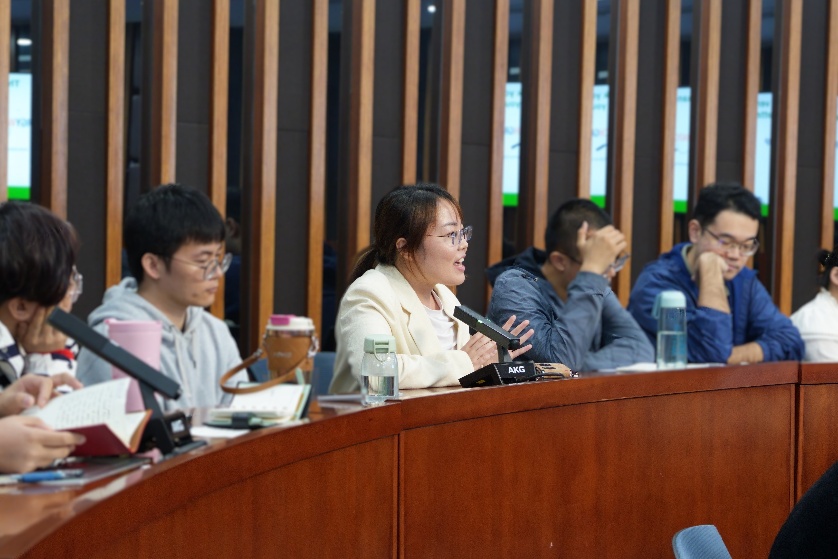
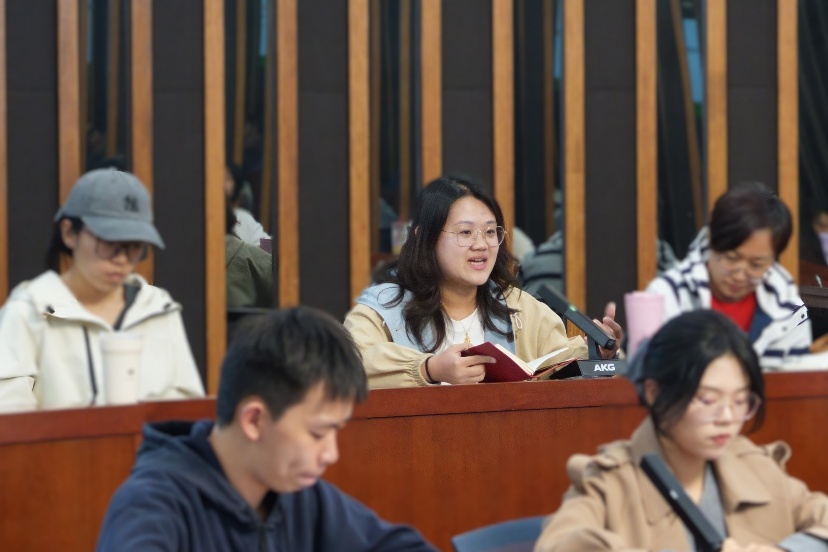
During the interactive session, the students present actively participated by asking questions from perspectives such as market competition, the enforcement of international environmental law, legal adaptation for marine carbon sequestration, and pathways for contemporary student involvement. Mr. Hans-Josef Fell believes that long-term ecological value can be incorporated into development priorities, allowing market competition to focus on price and environmental quality. The achievements of pioneers, including China, are the core driving force for the implementation of international environmental law. Marine carbon sequestration should first achieve technological advancements before perfecting the legal framework. Students are encouraged to contribute to the transformation through knowledge learning, campus actions, and professional participation, achieving a unity of personal and social values.
To conclude, Professor Yuan Zhijie summarized the event, expressing gratitude to Mr. Hans-Josef Fell for sharing his decades of environmental protection experience and cutting-edge insights on new energy, and thanking the faculty and students for their active participation. The lecture ended successfully amidst warm applause.