

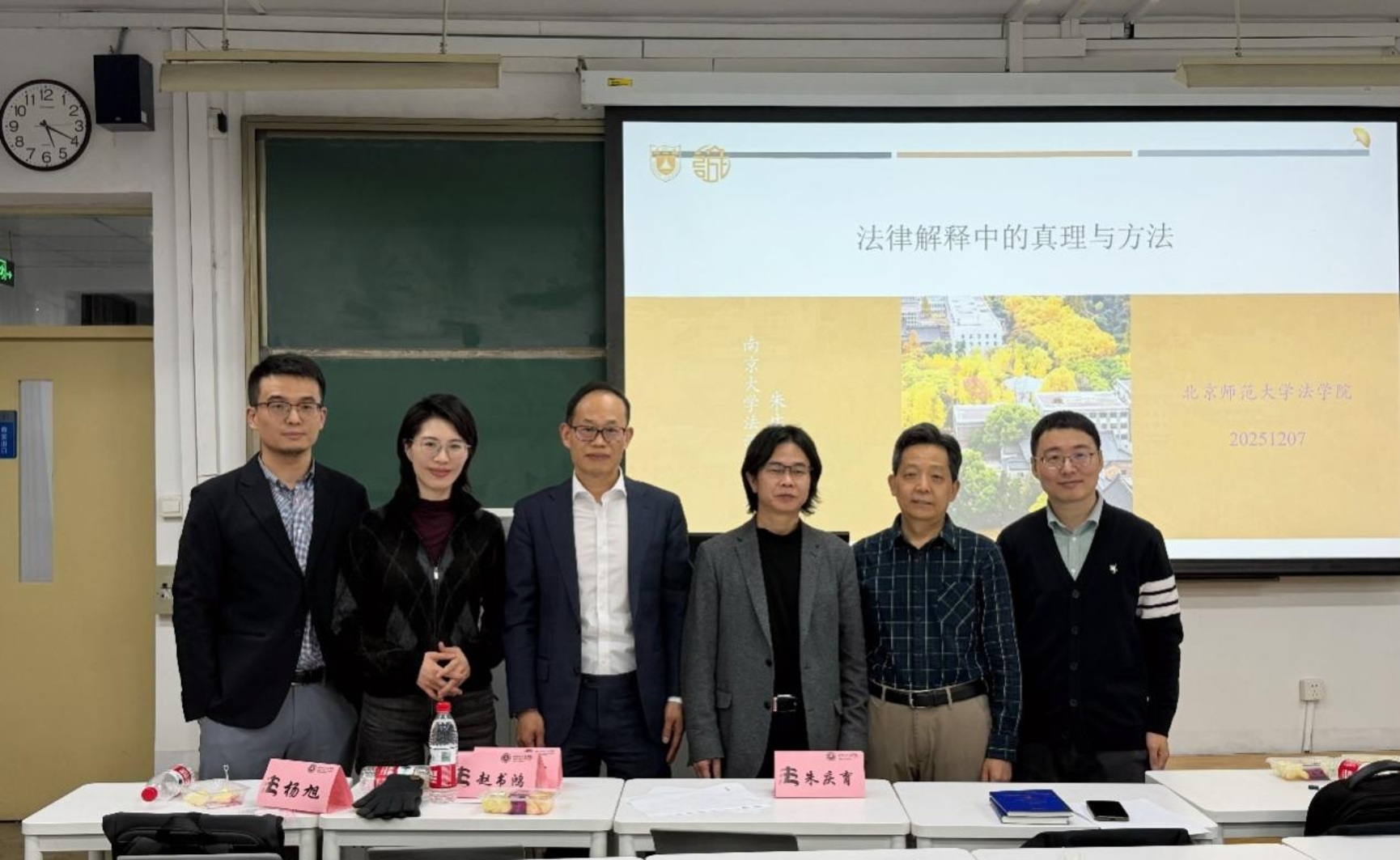
On December 7th, the 56th session of the BNU Law Lecture Series, themed “Truth and Method in Legal Interpretation,” was successfully held in Room 208 of the Second Teaching Building at the Haidian Campus of Beijing Normal University. The lecture was delivered by Professor Zhu Qingyu from the Law School of Nanjing University, preceded by a welcoming address from Professor Zheng Yanpu, Secretary of the Party Committee of the BNU Law School. The panelists for the session included Professor Dai Mengyong from the China University of Political Science and Law, Associate Professor Zhao Shuhong and Associate Professor Sun Xinkuan from the BNU Law School, and Lecturer Zhang Lanlan from the China University of Political Science and Law. The event was hosted by Lecturer Yang Xu of the BNU Law School and witnessed the active participation of nearly two hundred students from both on and off campus, creating a vibrant and lively atmosphere.
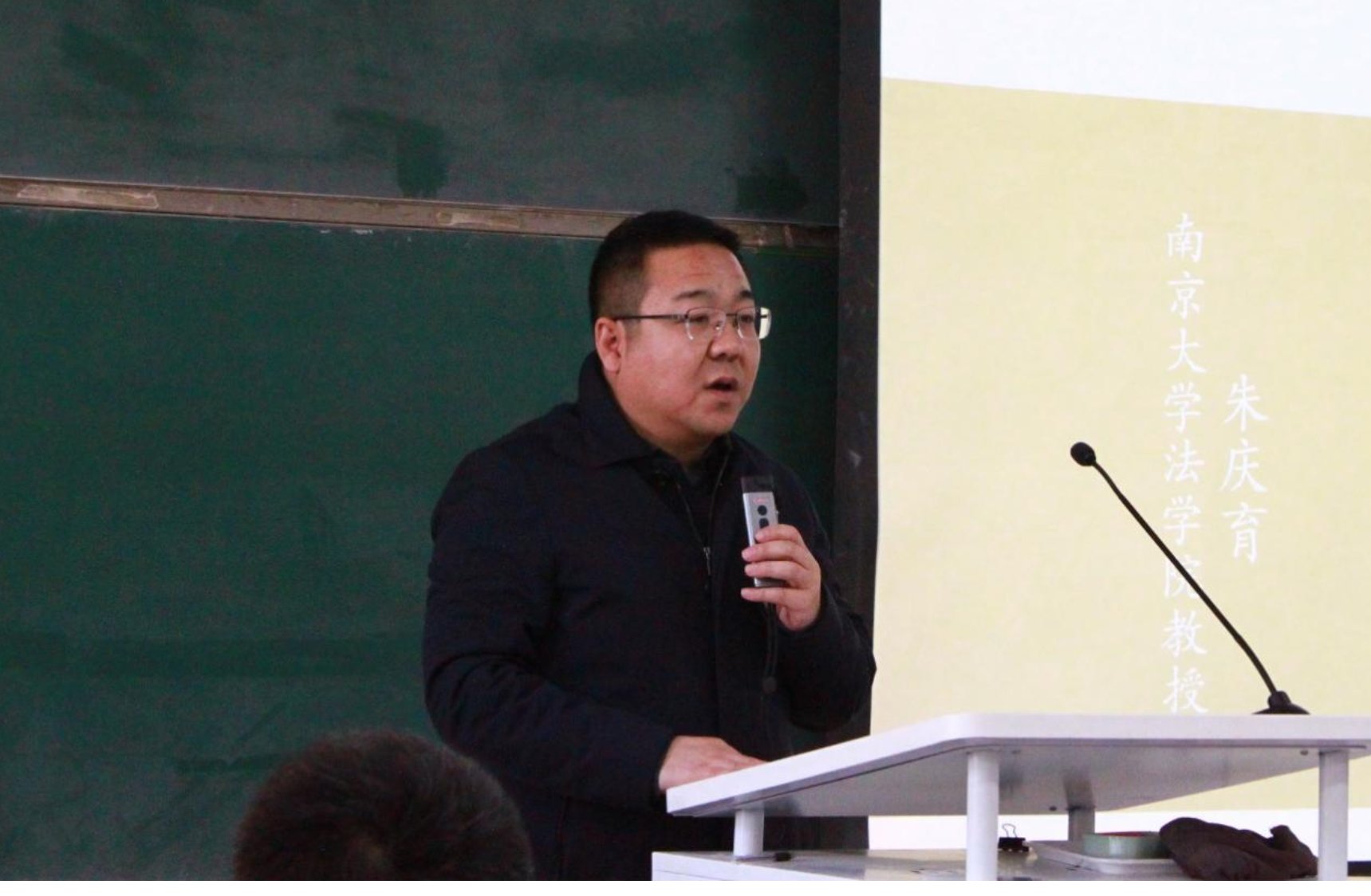
In his opening remarks, Professor Zheng Yanpu, Secretary of the Party Committee of the BNU Law School, expressed his delight at the enthusiastic atmosphere, noting that it reflected the vibrant intellectual spirit expected of a premier law school. He commended Professor Zhu Qingyu’s outstanding achievements in scholarship and teaching, describing the lecture as a valuable learning opportunity for the students.
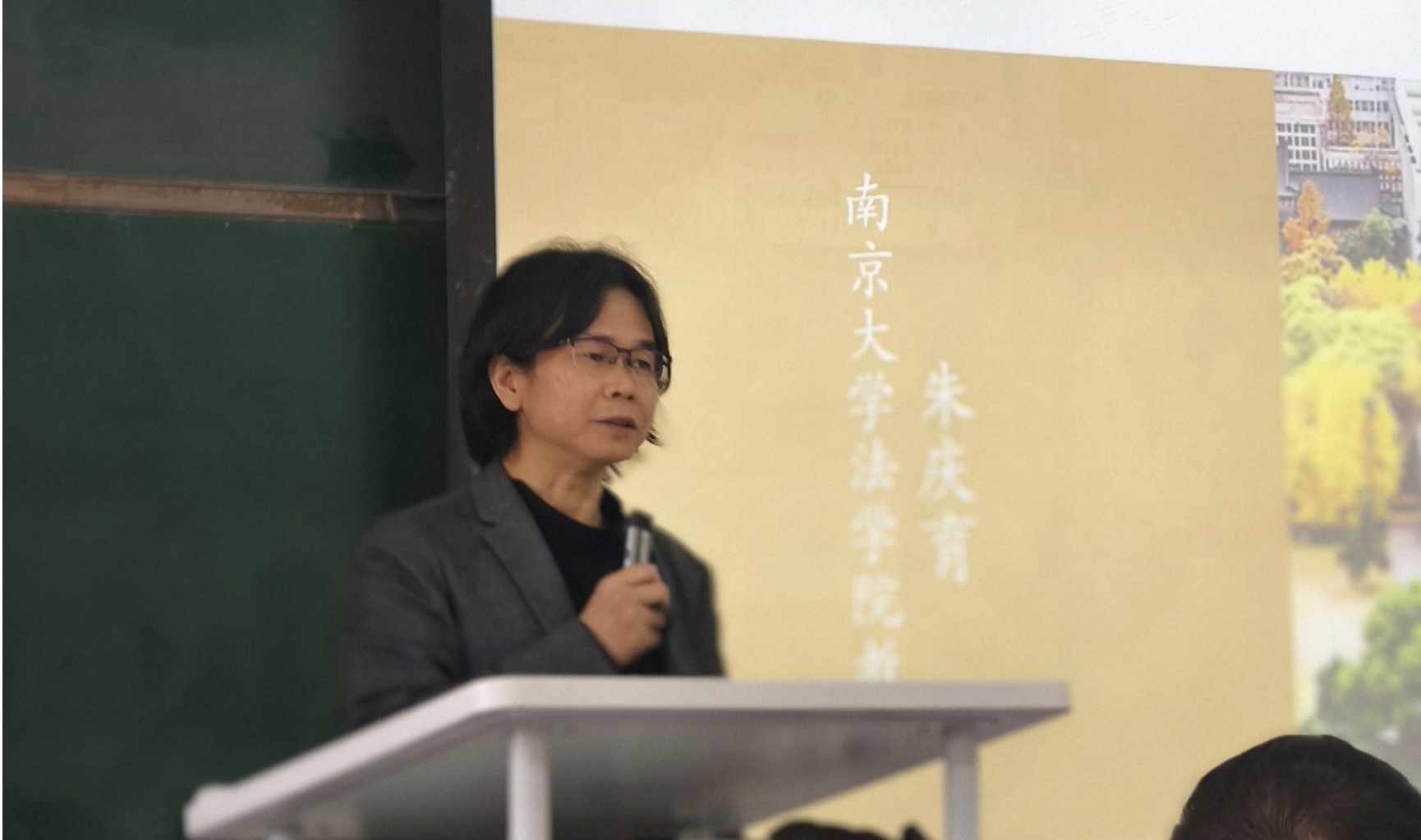
During the lecture, Professor Zhu Qingyu skillfully introduced the topic using two photographs to illustrate the pursuit of scientificity within the law. Based on this, he raised two core issues in legal interpretation theory: the ontological question of where truth resides and the methodological question of how to reach it. He argued that as a "spiritual science" (Geisteswissenschaft), law differs fundamentally from natural sciences; normative meaning possesses historical significance, and answers regarding the location of truth diverge between objective and subjective interpretations. Correspondingly, the methodology for revealing truth from each standpoint constitutes a primary issue, where the subjectivity and openness of interpretative conclusions—brought about by pre-understanding—cannot be overlooked. Ultimately, while there may not be a single answer in law, and interpretation itself may be a process of creating meaning involving a purpose-driven hermeneutic circle, this does not negate the scientific nature of law itself.
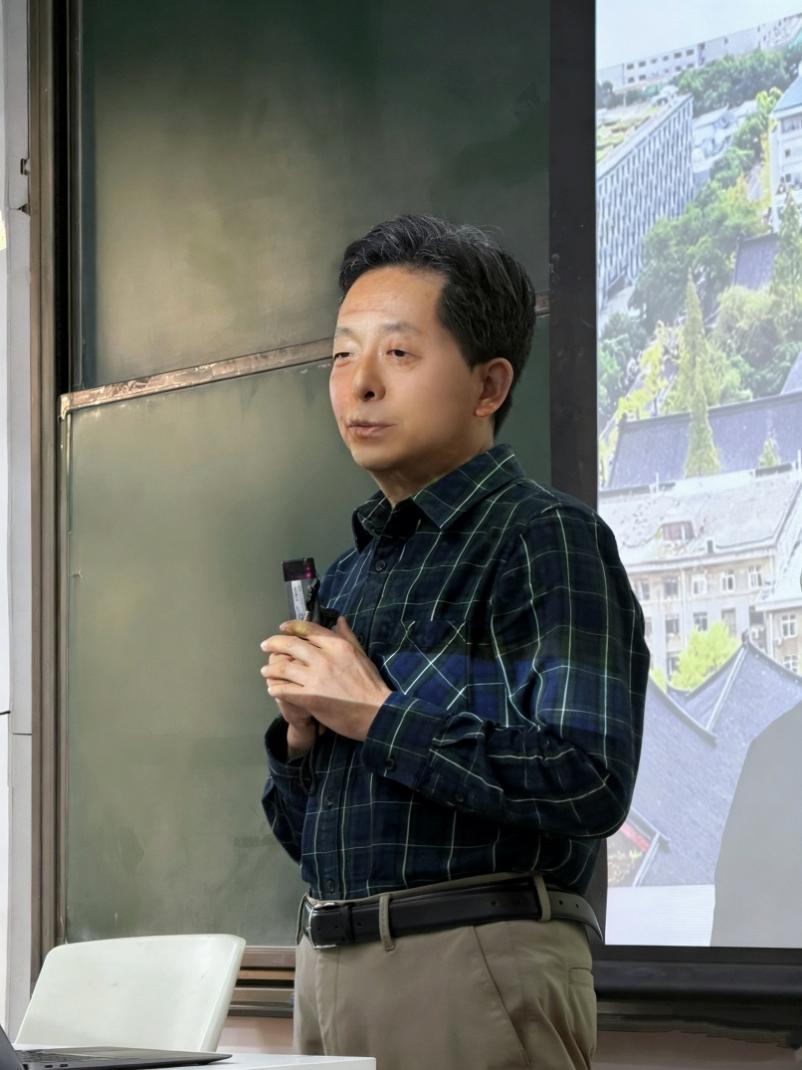
In the discussion segment, Professor Dai Mengyong observed that truth in legal interpretation may exist only formally within legal norms, necessitating consideration of the relativity of legal concepts and language. He noted that while various theories exist regarding methods of seeking truth, the preconceptions formed by interpreters based on their educational backgrounds and personal factors can have a significant impact. He concluded that how interpreters, using various methods to explore the meaning of the same legal norm, can form a theoretical and practical consensus or majority opinion to promote the unity and authority of legal application remains an area requiring further exploration.
Associate Professor Zhao Shuhong praised Professor Zhu Qingyu’s exceptional teaching standards. He noted that Professor Zhu systematically presented the theory of legal interpretation alongside an excellent contextual introduction. Furthermore, he highlighted that the lecture pointed toward understanding, evaluating, and promoting legal research through a doctrinal approach, a perspective that particularly addresses current issues in the development of legal dogmatics, suggesting researchers should strive to find unity within the diachronic nature of legal interpretation.
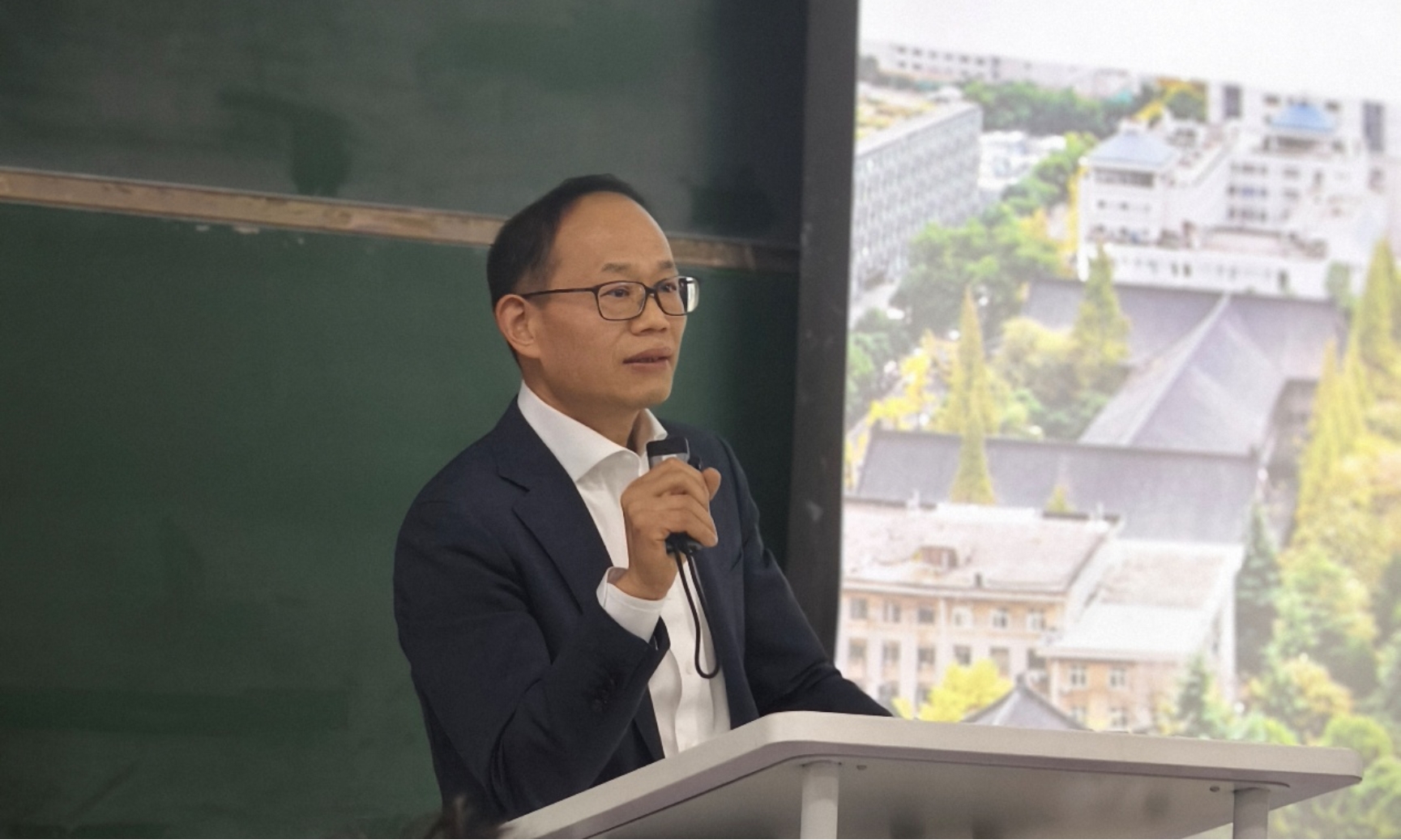
Ms. Zhang Lanlan expressed her gratitude for Professor Zhu Qingyu’s insightful sharing. Mentioning that she had previously studied Professor Zhu’s family law course in depth, she remarked that his doctrinal construction in family law is unique and unparalleled. She observed that family law still faces numerous challenges, whether legislative gaps or the fluctuating frequency of legislation, leaving many difficult problems that urgently require legal interpretation. She expressed her hope to continue learning from Professor Zhu and looked forward to a more refined construction of family law doctrine.

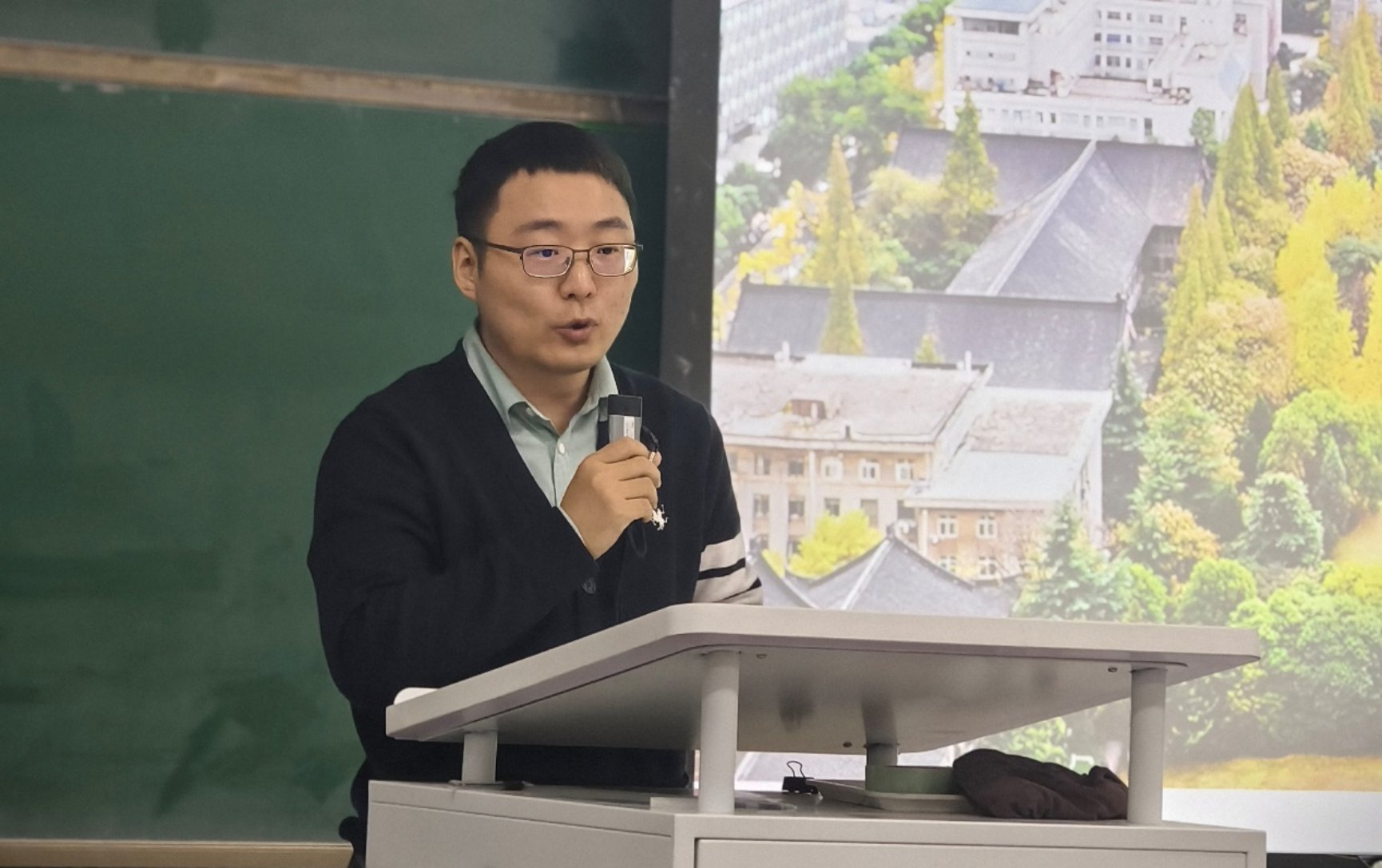
Associate Professor Sun Xinkuan first expressed his respect and gratitude to Professor Zhu Qingyu, remarking that the lecture was as concise, profound, beautiful, and coherent as Professor Zhu’s writing style. Professor Sun reflected that the lecture served as a reminder that the interpreter plays a vital, active role in legal interpretation, and that the interpreter's goals, knowledge background, and personal sense of morality and justice directly influence interpretative conclusions.
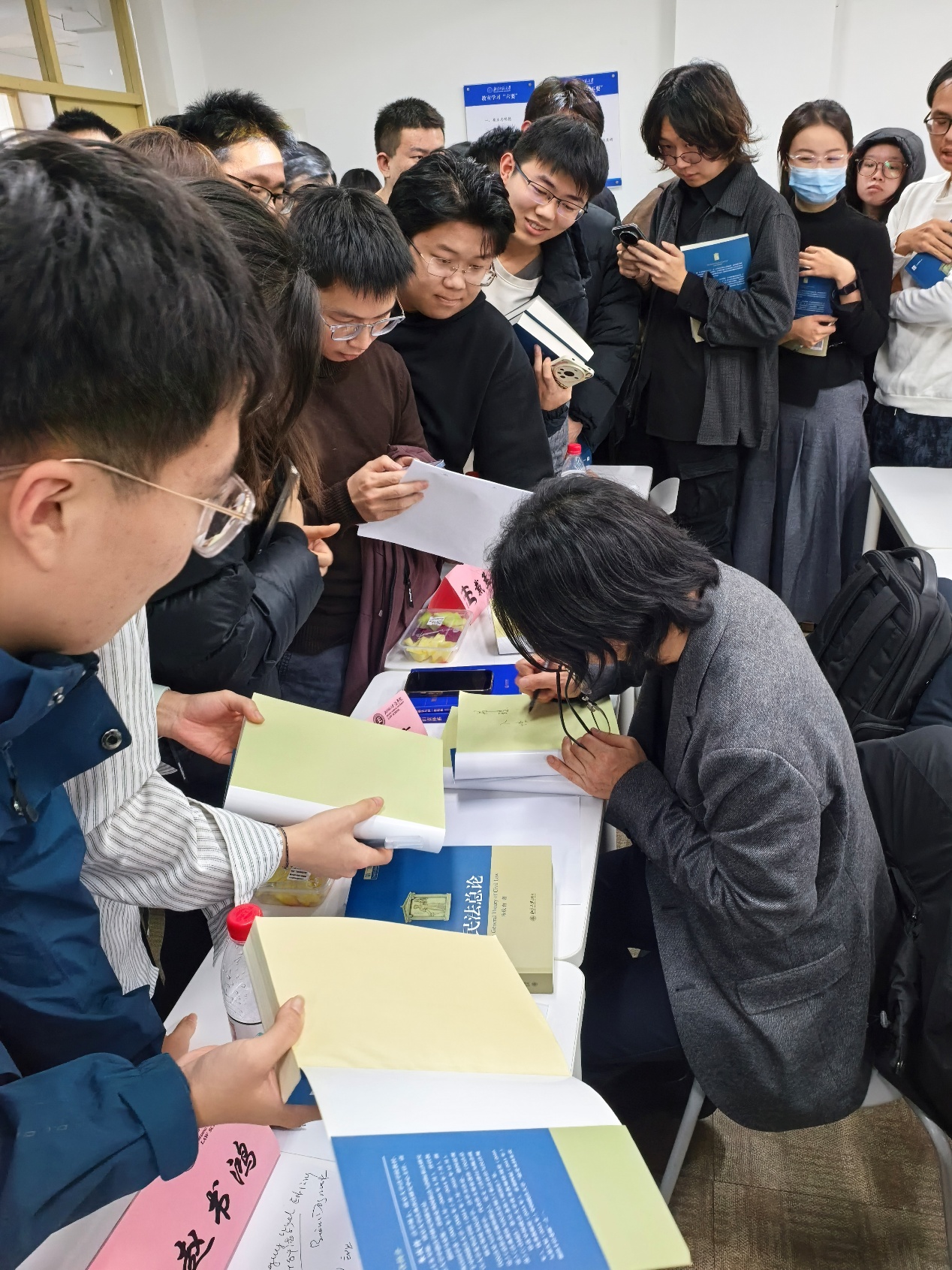
During the interactive session, Professor Zhu Qingyu engaged in an in-depth discussion with students on core issues in legal methodology, such as the stance of legal interpretation and the establishment of legal consensus. He presented a signed copy of General Principles of Civil Law (Second Edition) to a student who asked a question and personally signed copies for many others in attendance, contributing to the lively atmosphere.
Finally, Mr. Yang Xu expressed sincere thanks to Professor Zhu Qingyu for his wonderful speech, to the panelists for their comments, and to the students for their active participation. The lecture concluded successfully amidst warm applause from all the faculty and students present.