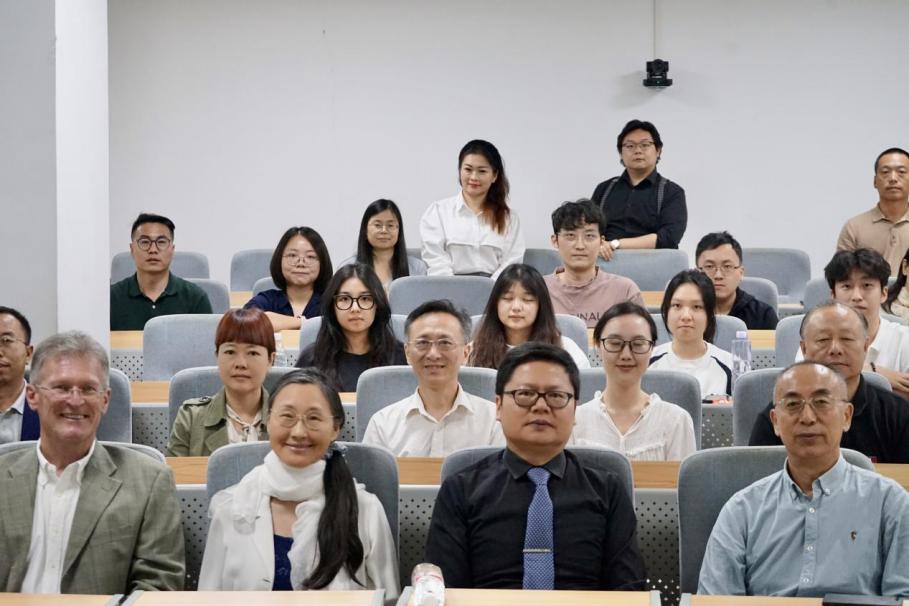
On May 12, 2025, the 66th session of the BNU Zhuhai Legal Lecture Series was successfully convened at Room C103 of the Library at Beijing Normal University's Zhuhai Campus. The event featured a distinguished lecture titled "International Civil and Commercial Litigation, Arbitration, and Mediation: A Global Overview and China's Response." The lecture was delivered by Professor Tu Guangjian, a Doctoral Supervisor at the Faculty of Law, University of Macau, who served as the keynote speaker. The event was presided over by Associate Professor Sun Hongyou from the BNU Zhuhai Campus. The audience included several legal practitioners from outside the university, alongside a cohort of students from the Zhuhai Campus.
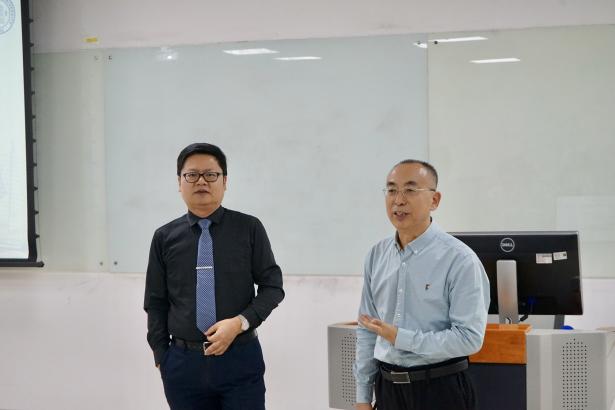
The session commenced with opening remarks by Associate Professor Sun Hongyou, who extended a warm welcome to Professor Tu Guangjian and provided a comprehensive introduction to his scholarly achievements and practical expertise. The lecture began with an interactive dialogue, during which Professor Sun invited the audience to share their insights on international dispute resolution mechanisms. Legal professionals, scholars, and lawyers in attendance contributed perspectives on key issues such as "cross-border enforcement," "harmonization of rules," and "procedural divergences." Building on this exchange, Professor Tu systematically analyzed the core characteristics of the three primary mechanisms: litigation, arbitration, and mediation. He observed that in disputes involving international private parties, litigation remains the dominant method of resolution, with arbitration serving a supplementary function. While mediation is distinguished by its efficiency and flexibility, he noted that its efficacy is often constrained by the existing legal framework. Consequently, Professor Tu advocated for the adoption of a "Med-Arb" (mediation-arbitration) linkage model for cross-border disputes to fully leverage the comparative advantages of both mechanisms.
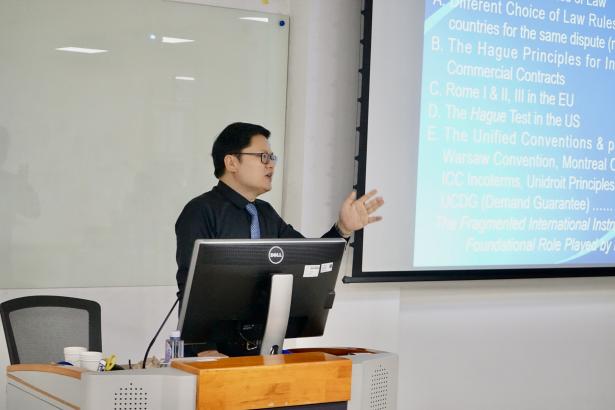
Regarding foreign-related litigation, Professor Tu drew a comparison between the "adversarial system" typical of common law jurisdictions and the "inquisitorial system" found in civil law jurisdictions. He explained that under the common law system, cross-border evidence collection is often treated as a private matter, permitting lawyers to conduct investigations directly across borders. In contrast, civil law systems regard the service of process and evidence collection as exercises of state sovereignty, necessitating formal procedures for serving court documents and for foreign lawyers to gather evidence within the country. Professor Tu specifically noted that although China has not acceded to the Convention Abolishing the Requirement of Legalisation for Foreign Public Documents (the Apostille Convention), it is progressively expanding the scope of cross-border judicial cooperation under the principle of reciprocity. He highlighted the cross-border evidence collection pilot program in the Guangdong-Hong Kong-Macao Greater Bay Area as a significant innovative endeavor in this regard.
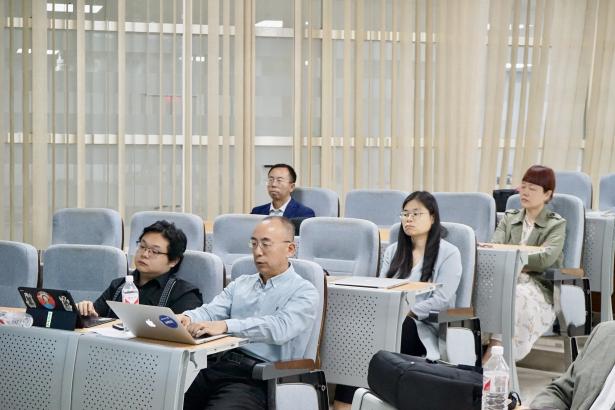
Turning to international civil and commercial arbitration, Professor Tu observed that while the New York Convention establishes a fundamental legal framework for the enforcement of arbitral awards, gaps remain regarding procedural rules, such as the validity of arbitration agreements. As international economic and trade cooperation deepens, regional coordination mechanisms are gradually emerging. He noted that the European Union promotes the unification of member state rules through the Brussels Regulation, while ASEAN develops regional guidelines based on the UNCITRAL Model Law. Regarding the recognition of foreign judgments, Professor Tu highlighted that China has shifted from a standard of "factual reciprocity" to "legal reciprocity." He pointed out that the 2023 revision of the Civil Procedure Law explicitly stipulates that international treaties or the principle of reciprocity serve as the basis for enforcement. Consequently, he advised enterprises to select arbitration venues in jurisdictions that are parties to the New York Convention and maintain reciprocal relationships with China, thereby mitigating risks associated with disparities in regional rules.
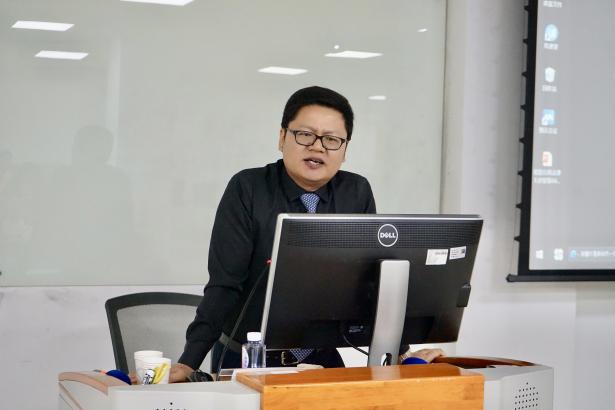
Addressing the topic of international civil and commercial mediation, Professor Tu highlighted that the Singapore Convention on Mediation establishes a robust legal framework for international dispute resolution. He drew a sharp comparison between the Convention's standards and current practices in China: while the Convention grants mediation agreements direct enforceability, Chinese law typically requires judicial confirmation before such agreements can be enforced. To navigate this landscape, Professor Tu proposed a strategic approach: "Enterprises can adopt a “mediation + arbitration” dual-track model. This involves applying mediation agreements directly in member states of the Singapore Convention, while utilizing arbitration in non-member states to ensure enforceability." This insightful perspective sparked a lively and enthusiastic discussion among the audience.
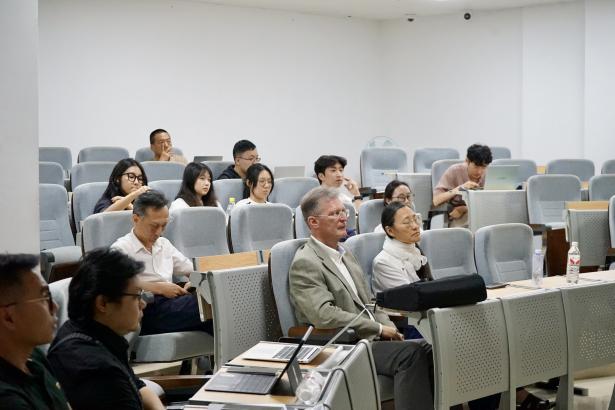
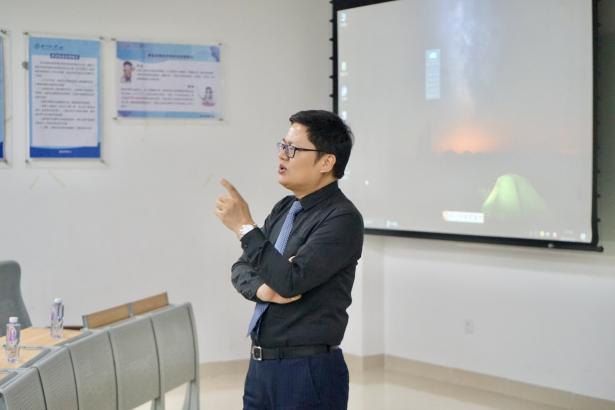
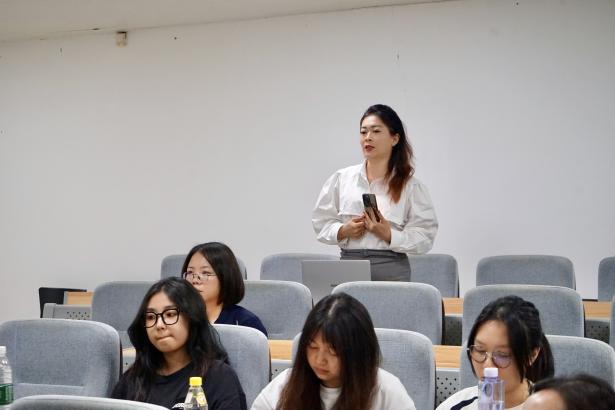
During the interactive Q&A session, the audience actively engaged with Professor Tu, raising practical inquiries regarding "core competency training for foreign-related lawyers," "the management of foreign legal affairs by Chinese-funded enterprises," and "the authority of arbitration institutions to grant interim measures." In his responses, Professor Tu emphasized that the key to navigating these complexities lies in understanding the interplay between international rules and local laws. He illustrated this point by noting, "For instance, when calculating compensation for foreign-related torts, it is essential to reference both local standards and the laws of China to dynamically balance the rights and interests of the parties."
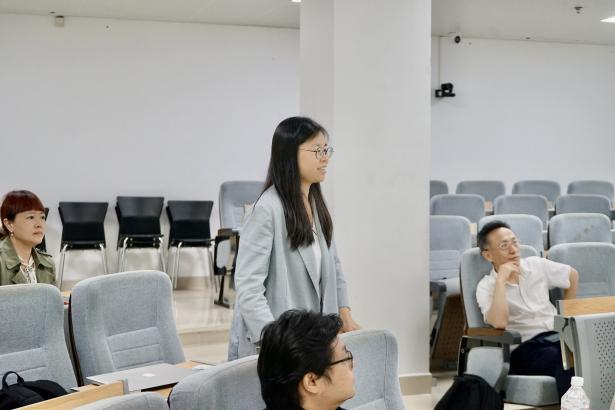
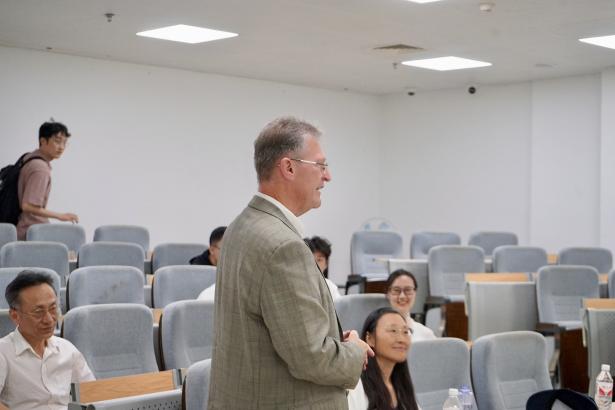
Over the course of the nearly two-hour lecture, Professor Tu seamlessly integrated theoretical frameworks with practical realities, constructing a comprehensive knowledge framework for the audience through a three-tiered logical structure: Global Experience – China's Response – Practical Insights. Participants remarked that the lecture, which successfully combined academic depth with practical utility, offered a fresh perspective for navigating the increasingly complex landscape of international civil and commercial disputes.