

On May 15th, the 67th lecture of the BNU Zhuhai Legal Lecture Series, titled "Hot Issues in Bill Practice," convened in Room A103 of the Lijiao Building at Beijing Normal University’s Zhuhai Campus. The lecture was delivered by Professor Dong Huijiang, a doctoral supervisor from the Law School of Heilongjiang University. The session was hosted by Professor Yuan Zhijie, vice dean and doctoral supervisor of the BNU Law School, and drew a substantial audience of students from the Zhuhai campus.
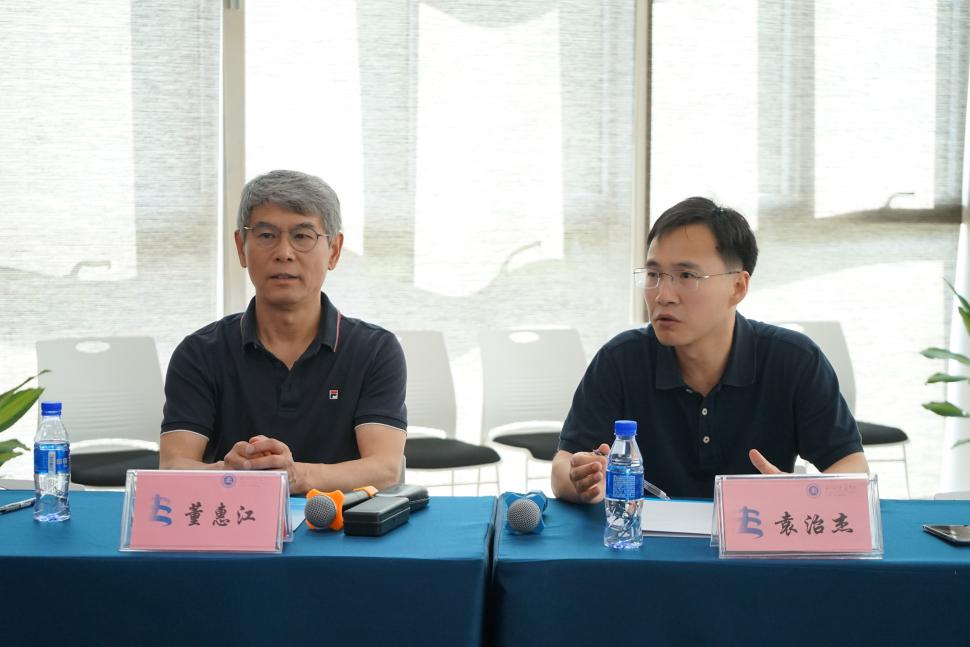
To open the session, Professor Yuan Zhijie extended a warm welcome to Professor Dong Huijiang, highlighting his profound and extensive academic contributions. Professor Dong then proceeded to conduct an in-depth analysis of numerous critical and complex issues within the realm of bill law, examining these focal points through a practical lens.
First, Professor Dong took the unique presentation of the doctrine of appearance in the "Bill Law" as a theoretical entry point to initiate a deep explanation. He pointed out that the rights and relationships of bills are strictly determined by the literal meaning recorded in the bill, and this uniqueness makes the objective interpretation of bill law more absolute. Compared to civil law, the doctrine of appearance in commercial law is more crucial for the protection of third parties.
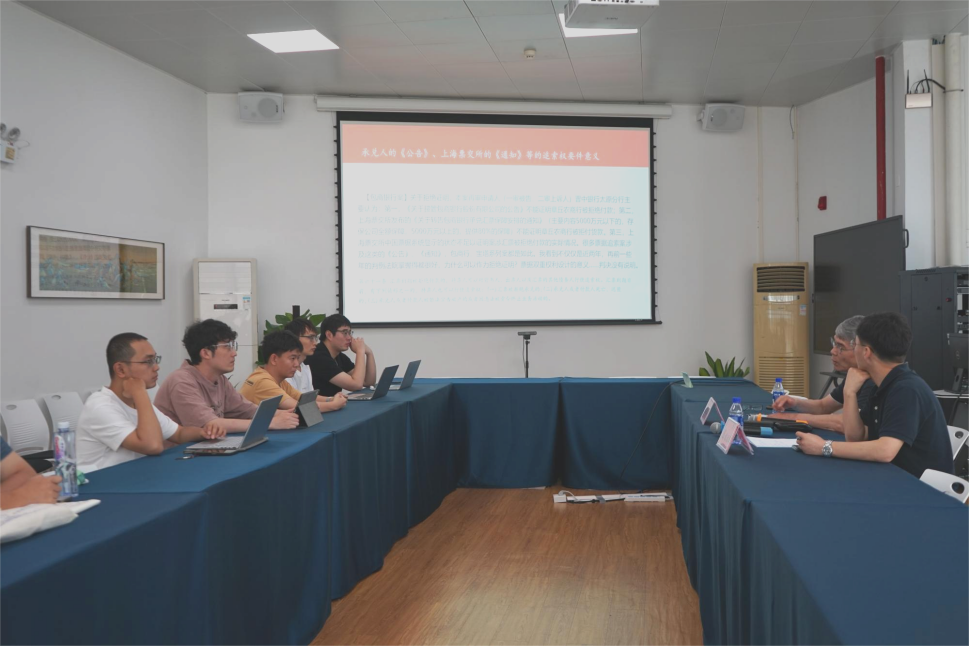
From a practical perspective, Professor Dong conducted an in-depth analysis of the sequence for exercising underlying debt and bill rights, incorporating relevant case studies into his discussion. He pointed out that when a bill debtor tenders the bill to satisfy obligations under the underlying relationship, the mere act of delivering the bill does not, unless expressly agreed otherwise by the parties involved, discharge the underlying debt. Instead, both the debt and the bill rights persist independently. Should the bill holder fail to present the bill for payment punctually or exceed the statutory limitation period, their sole recourse would be to claim the right to the return of benefits as stipulated in Article 18 of the Negotiable Instruments Law. Conversely, if the bill holder presents the bill for payment in a timely manner but is met with non-payment, they must first exhaust all means of recovery from all obligors without success before they can resort to claiming the underlying debt from the immediate transferor, and they should return the bill after realization. Furthermore, if the bill holder, despite having the ability to exercise their rights, opts to claim the underlying debt instead, and the immediate transferor lacks any defense against performance, the court should endorse this approach. It should also clarify that the transferor has the right to request the return of the bill and refuse to provide evidence, thereby preventing any confusion of rights.
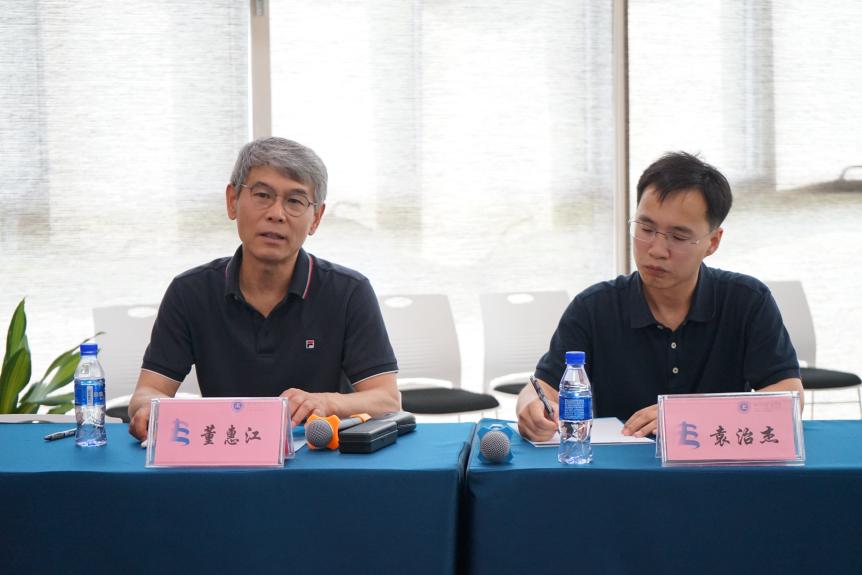
Subsequently, Professor Dong drew upon specific cases to dissect the prerequisites for exercising the right of recourse concerning electronic commercial bills from three key perspectives: comprehending the stipulations presented by the electronic system, assessing the validity of offline recourse actions, and examining the implications of the "Announcement" issued by the acceptor alongside the "Notice" from the Shanghai Commercial Paper Exchange. He underscored that, in the context of disputes arising from the right of recourse for bills, the formal and substantive requirements constitute distinct legal evaluation criteria and should not be conflated through the application of a purported "comprehensive judgment."

Next, Professor Dong delved into the issue of offline recourse for electronic commercial acceptance bills. He summarized that there exist two distinct judicial trends concerning the provisions outlined in Article 5 of the "Administrative Measures for Electronic Commercial Bills." Some courts acknowledge offline recourse, reasoning that the "Administrative Measures" are merely departmental regulations and thus cannot curtail the right of recourse conferred by the Negotiable Instruments Law. Conversely, other courts stress that recourse must be processed through the online system, rendering offline recourse invalid as it contravenes the "Administrative Measures." Professor Dong contends that, in accordance with Article 80 of the "Legislation Law," the "Administrative Measures" cannot diminish the rights of the bill holder. He further asserts that both offline recourse letters and lawsuits align with the provisions of the Negotiable Instruments Law and should, therefore, be recognized for their validity.
Regarding the statute of limitations for bills, Professor Dong pointed out that some judgments lack explanations on the application of the "Negotiable Instruments Law" and its interpretations to electronic bills, as well as issues with the incorrect application of the provisions on the statute of limitations for bills. He suggested that the handling of bill cases should move towards specialization to enhance judges' professional competence.
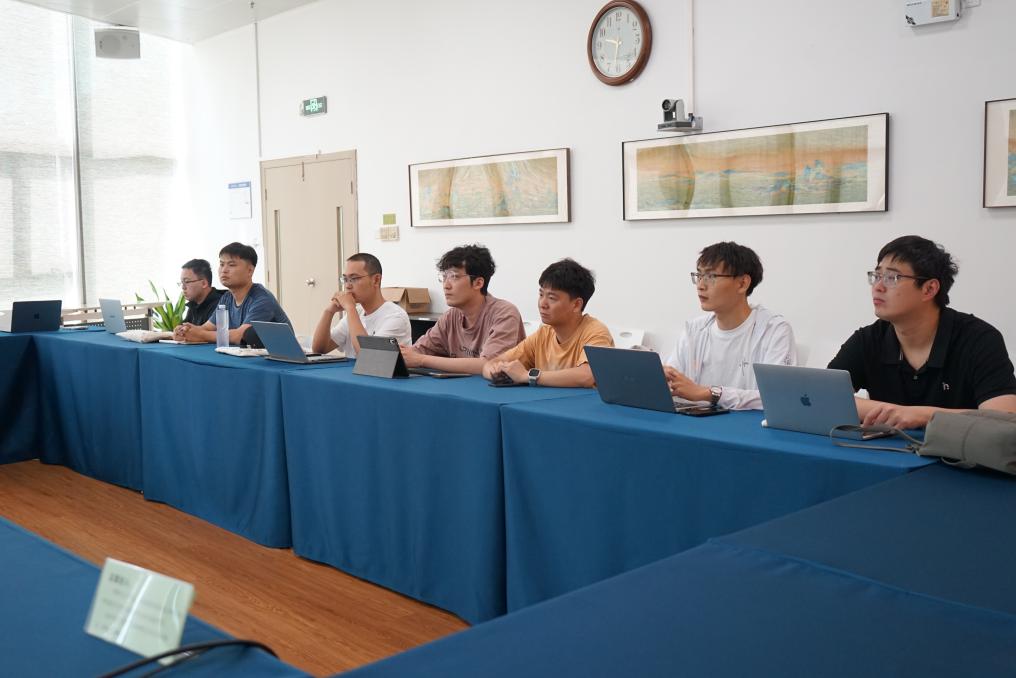
During the Q&A segment, students enthusiastically posed inquiries on subjects like the "principle of causation in bills" and the "protocols for addressing payment prompts within the electronic commercial bill system." Professor Dong responded to each query with patience, fostering a vibrant and engaging atmosphere. The students in attendance reacted with great enthusiasm.
In the closing remarks, Professor Yuan Zhijie remarked that the practical aspects of the Negotiable Instruments Law are intricate and multifaceted. He highlighted that this lecture offered students a precious chance to enhance their comprehension of the law. Expressing profound appreciation for Professor Dong's insightful presentation, he urged everyone to maintain an active and inquisitive mindset. Ultimately, the lecture drew to a successful close amidst warm and enthusiastic applause.